Urology Essentials: A Practical Guide To Urinary Health
Discover the vital role of urology in managing urinary and reproductive health for all ages and genders.
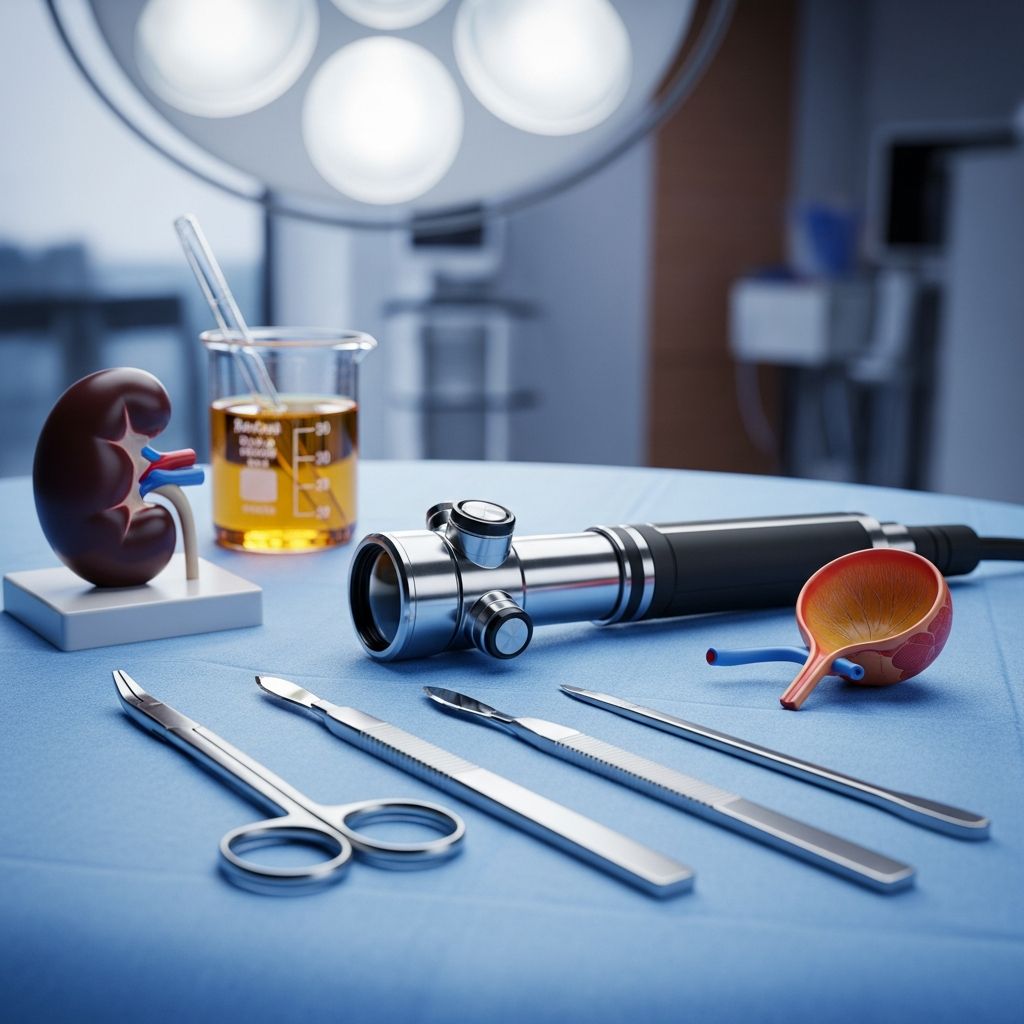
Urology represents a critical branch of medicine dedicated to diagnosing, treating, and preventing disorders of the urinary system in both men and women, as well as the male reproductive organs. This field combines surgical expertise with medical knowledge to address a wide array of conditions affecting kidneys, bladder, ureters, urethra, prostate, testes, and more.
The Scope of Urological Practice
Urologists manage diseases across the genitourinary tract, including the adrenal glands, which play a role in hormone production and stress response. Their work spans from routine office visits for infections to complex surgeries for cancers or reconstructive needs. This specialty appeals to physicians due to its blend of minimally invasive procedures, endoscopies, and open surgeries, allowing for diverse career paths.
Both adult and pediatric patients benefit from urological care. Conditions can be acute, like sudden kidney stones, or chronic, such as ongoing incontinence. Multidisciplinary approaches often involve collaboration with oncologists, nephrologists, and endocrinologists for comprehensive patient management.
Key Components of the Urinary and Genitourinary Systems
The urinary tract is essential for filtering waste from blood, maintaining fluid balance, and eliminating toxins. Its main parts include:
- Kidneys: Filter blood to produce urine, regulate electrolytes, and control blood pressure.
- Ureters: Tubes transporting urine from kidneys to the bladder.
- Bladder: Stores urine until voiding.
- Urethra: Channel through which urine exits the body.
- Adrenal glands: Located atop kidneys, involved in urological disorders due to their proximity and function.
For males, the reproductive system adds the prostate, penis, testes, and scrotum, which urologists also treat.
Common Urological Conditions and Their Impact
Millions experience urological issues annually. Here are prevalent disorders:
| Condition | Description | Symptoms | Affected Group |
|---|---|---|---|
| Urinary Tract Infections (UTIs) | Bacterial infections in any urinary part, most common in bladder. | Burning urination, frequent urges, lower abdominal pain. | All, especially women. |
| Kidney Stones | Hard mineral deposits forming in kidneys. | Severe flank pain, blood in urine, nausea. | Adults, recurrent in some. |
| Benign Prostatic Hyperplasia (BPH) | Non-cancerous prostate enlargement. | Weak stream, dribbling, nocturia. | Older men. |
| Erectile Dysfunction (ED) | Inability to achieve/maintain erection. | Performance issues, reduced libido. | Men, often age-related. |
| Urinary Incontinence | Involuntary urine leakage. | Leaks during cough, urgency, overflow. | All, women post-childbirth. |
These conditions disrupt daily life, from pain to embarrassment, underscoring the need for timely intervention.
Subspecialties in Urology: Tailored Expertise
While many urologists practice generally, subspecialties address complex cases. The American Urological Association recognizes seven key areas:
- Urologic Oncology: Focuses on cancers like prostate, bladder, kidney, and testicular. Treatments include robotic surgery, chemotherapy coordination.
- Pediatric Urology: Handles children’s congenital defects, enuresis, undescended testes.
- Female Urology: Manages pelvic floor disorders, incontinence, prolapse in women.
- Male Infertility/Andrology: Treats low sperm count, ED, hormone imbalances.
- Calculi (Stone Disease): Expertise in shock wave lithotripsy, ureteroscopy for stones.
- Neurourology: Addresses nerve-related voiding dysfunction, neurogenic bladder.
- Reconstructive Urology: Repairs trauma, fistulas, strictures post-surgery or injury.
Related Stories



Additional niches include renal transplantation and gender-affirming procedures.
Diagnostic Approaches in Urology
Accurate diagnosis starts with history and physical exam. Common tools include:
- Urinalysis and culture for infections.
- Ultrasound for stones, prostate size.
- Cystoscopy: Camera inspection of bladder/urethra.
- PSA blood test for prostate screening.
- CT/MRI for detailed imaging of tumors or obstructions.
- Urodynamic studies for incontinence evaluation.
These non-invasive to minimally invasive methods guide personalized treatment plans.
Treatment Modalities: From Medication to Surgery
Urologists employ a spectrum of therapies:
- Medications: Antibiotics for UTIs, alpha-blockers for BPH, PDE5 inhibitors for ED.
- Minimally Invasive: Laser vaporization for prostate, shock waves for stones.
- Surgical: TURP for BPH, nephrectomy for cancer, slings for incontinence.
- Lifestyle Interventions: Hydration, diet for stone prevention; pelvic exercises for incontinence.
Advances like robotics enhance precision, reduce recovery time.
When to Consult a Urologist
Seek care for persistent symptoms like blood in urine, uncontrolled incontinence, pain during urination, or fertility issues. Early detection improves outcomes, especially for cancers. Routine screenings for men over 50 include PSA and digital rectal exams.
Preventive Strategies for Urological Health
Proactive steps reduce risk:
- Stay hydrated (2-3 liters water daily).
- Maintain healthy weight to avoid BPH, stones.
- Practice safe sex to prevent infections.
- Limit salt, animal protein for stone prevention.
- Regular exercise supports pelvic floor strength.
Annual check-ups catch issues early.
Training and Certification of Urologists
Urologists complete medical school, a 5-year residency in urology, and often 1-2 year fellowships for subspecialties. Board certification by the American Board of Urology ensures competency. Continuous education keeps them abreast of innovations like AI-assisted imaging.
FAQs
What conditions does a urologist treat?
Urologists handle urinary tract infections, stones, cancers, incontinence, ED, infertility, and more for all ages.
Is urology only for men?
No, women receive care for UTIs, incontinence, prolapse; men for additional reproductive issues.
How do I prepare for a urology visit?
List symptoms, medications, and bring prior records. A urine sample may be needed.
Are urological procedures painful?
Many are outpatient with anesthesia; recovery varies but pain is managed effectively.
Can lifestyle changes prevent urology problems?
Yes, hydration, diet, and exercise significantly lower risks for stones, BPH, infections.
Advances Shaping Modern Urology
Recent innovations include focal therapies for prostate cancer sparing healthy tissue, AI for predicting stone recurrence, and bioengineered bladders for reconstruction. Clinical trials expand options, emphasizing research-driven care.
References
- Urology FAQs — Upstate Medical University. Accessed 2026. https://www.upstate.edu/urology/about.php
- Urology — American College of Surgeons. Accessed 2026. https://www.facs.org/for-medical-professionals/education/programs/so-you-want-to-be-a-surgeon/section-iii-surgical-specialties/urology/
- Urology — UF Health. Accessed 2026. https://ufhealth.org/specialties/urology
- Understanding Different Urology Specialties — Western Reserve Hospital. Accessed 2026. https://www.westernreservehospital.org/blog/understanding-different-urology-specialties
- What is Urology? — Urology Care Foundation. Accessed 2026. https://www.urologyhealth.org/urology-a-z/what-is-urology
- Urologic Subspecialties — UCSF Urology. Accessed 2026. https://urology.ucsf.edu/patient-info/adult-non-cancer
- Urologist: What Is It, When To See One & What To Expect — Cleveland Clinic. Accessed 2026. https://my.clevelandclinic.org/health/articles/21884-urologist
Similar Articles








Read full bio of medha deb