Urology Essentials: Guide To Urinary & Reproductive Health
Discover the vital role of urologists in managing urinary and reproductive health for all ages and genders.
Urologists serve as key specialists in diagnosing and treating conditions affecting the urinary tract in both men and women, as well as the male reproductive system. These medical professionals handle a broad spectrum of issues, from everyday infections to life-threatening cancers, combining medical management with surgical expertise.
The Scope of Urological Practice
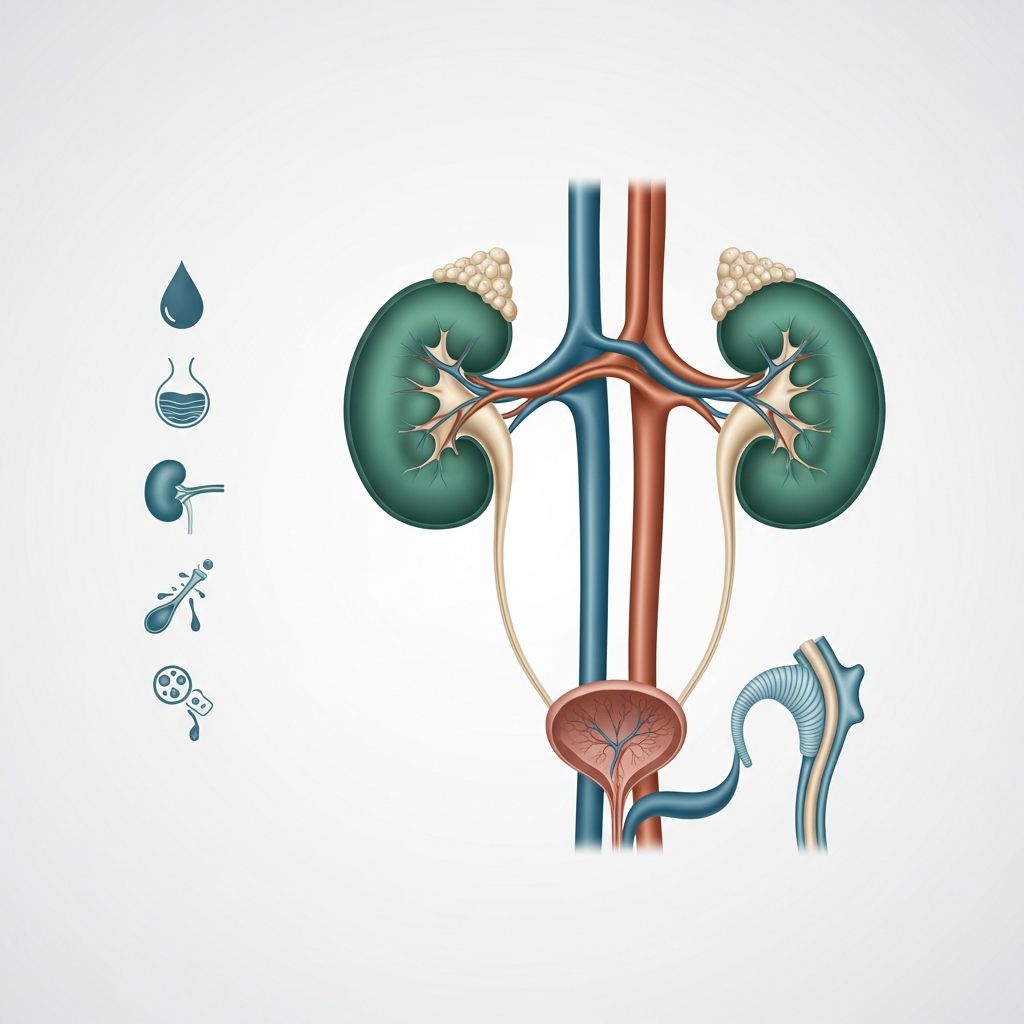
The genitourinary system encompasses critical organs like the kidneys, ureters, bladder, urethra, and for males, the prostate, penis, and testicles. Urologists address disorders here, including urinary tract infections, kidney stones, incontinence, and prostate enlargement. They also manage adrenal gland issues and perform kidney transplants in some cases.
Both genders benefit from urological care, though men often seek help for reproductive concerns like infertility or erectile dysfunction. Women may consult for pelvic floor problems, such as prolapse or incontinence. Transgender patients receive specialized support, including gender-affirming procedures and fertility preservation.
Common Conditions Managed by Urologists
Urologists encounter diverse ailments daily. Here are prevalent ones:
- Urinary Tract Infections (UTIs): Frequent in women but also affect men; symptoms include painful urination and frequent urges.
- Kidney Stones: Hard deposits causing severe pain; treated via medication, shock wave therapy, or surgery.
- Benign Prostatic Hyperplasia (BPH): Prostate enlargement in older men leading to urination difficulties; managed with drugs or procedures like TURP.
- Urinary Incontinence: Loss of bladder control, often post-childbirth or with age; solutions range from pelvic exercises to surgery.
- Urologic Cancers: Including bladder, kidney, prostate, and testicular cancers; early detection via screenings improves outcomes.
- Erectile Dysfunction and Infertility: Assessed through tests and treated with medications, counseling, or surgery.
| Condition | Affects | Common Treatments |
|---|---|---|
| Kidney Stones | All genders | Lithotripsy, ureteroscopy, surgery |
| Prostate Cancer | Males | Prostatectomy, radiation, hormone therapy |
| Incontinence | Females primarily | Pelvic floor therapy, slings, Botox |
| UTIs | All, females more | Antibiotics, lifestyle changes |
Subspecialties in Urology
Urology offers numerous paths for focused expertise. Key subspecialties include:
- Urologic Oncology: Focuses on cancers of the urinary tract and male genitals; involves advanced surgeries and chemotherapy coordination.
- Pediatric Urology: Manages congenital defects, undescended testes, and voiding issues in children.
- Female Pelvic Medicine (Urogynecology): Addresses pelvic organ prolapse, incontinence, and floor dysfunction in women.
- Andrology: Specializes in male fertility, sexual health, and low testosterone.
- Endourology: Deals with minimally invasive treatments for stones and obstructions.
- Neurourology: Handles bladder control problems due to neurological conditions like spinal injuries.
- Renal Transplantation: Involves kidney donation and transplant surgeries.
These areas allow urologists to deepen their skills, often in academic or large-group settings.
Training and Certification Path
Becoming a urologist demands rigorous education. It starts with a bachelor’s degree, followed by medical school (four years), a one-year general surgery internship, and four to five years of urology residency. Fellowships (1-2 years) follow for subspecialties.
Board certification by the American Board of Urology requires passing exams after residency and recertification every six to ten years. This ensures ongoing competence in diagnosis, surgery, and prevention.
- Bachelor’s degree and MCAT.
- Medical school (MD or DO).
- Internship in surgery.
- Urology residency (4-5 years).
- Fellowship (optional).
- Board exams and state licensure.
Related Stories



A Typical Day for a Urologist
Urologists balance clinic visits, procedures, and surgeries. A generalist might see 50-100 patients weekly, performing cystoscopies, biopsies, or vasectomies in-office. Operating days (1-2 per week) include nephrectomies or prostate resections.
Subspecialists like andrologists handle fertility tests and implants, while oncologists focus on tumor removals. Diversity keeps the field engaging—no two days are identical.
Nephrologist vs. Urologist: Key Differences
| Aspect | Nephrologist | Urologist |
|---|---|---|
| Focus | Kidney disease management, dialysis | Surgical kidney issues (stones, tumors) |
| Training | Internal medicine + nephrology | Surgery + urology |
| Treatments | Medications, non-surgical | Surgery, endoscopies |
Nephrologists handle medical kidney failure; urologists intervene surgically for structural problems.
When to Consult a Urologist
Seek care for persistent urinary changes, blood in urine, pain during urination, incontinence, fertility issues, or lumps in genital areas. Men over 50 should discuss prostate screenings; women with pelvic pain benefit from evaluation.
Early intervention prevents complications like kidney damage or cancer spread.
Advancements in Urological Care
Modern techniques include robotic surgery for precision prostatectomies, laser lithotripsy for stones, and minimally invasive slings for incontinence. Telemedicine expands access for follow-ups.
Frequently Asked Questions (FAQs)
What conditions do urologists treat?
They manage urinary tract disorders, kidney stones, cancers, incontinence, and male reproductive issues.
Do urologists perform surgery?
Yes, all are trained surgeons, from minor office procedures to major operations.
Can women see urologists?
Absolutely, for UTIs, incontinence, and pelvic issues.
How long is urology training?
About 8-10 years post-bachelor’s, including residency.
Is urology only for men?
No, it covers urinary health for all genders and reproductive care for males.
This guide empowers you with knowledge on urological health. Consult professionals for personalized advice.
References
- American Board of Urology – Certification Matters — American Board of Urology. 2023. https://www.certificationmatters.org/board/urology/
- What Is a Urologist | UCLA Medical School — UCLA. 2023. https://medschool.ucla.edu/news-article/what-is-a-urologist
- Urology | ACS – American College of Surgeons — American College of Surgeons. 2023. https://www.facs.org/for-medical-professionals/education/programs/so-you-want-to-be-a-surgeon/section-iii-surgical-specialties/urology/
- What is Urology? — Urology Health Foundation. 2023. https://www.urologyhealth.org/urology-a-z/what-is-urology
- Urologist: What Is It, When To See One & What To Expect — Cleveland Clinic. 2024-02-23. https://my.clevelandclinic.org/health/articles/21884-urologist
Similar Articles








Read full bio of medha deb