Ursodeoxycholic Acid: Complete Guide To Uses And Dosing
Comprehensive overview of ursodeoxycholic acid: therapeutic roles, mechanisms, dosing, and safety considerations for liver and bile disorders.
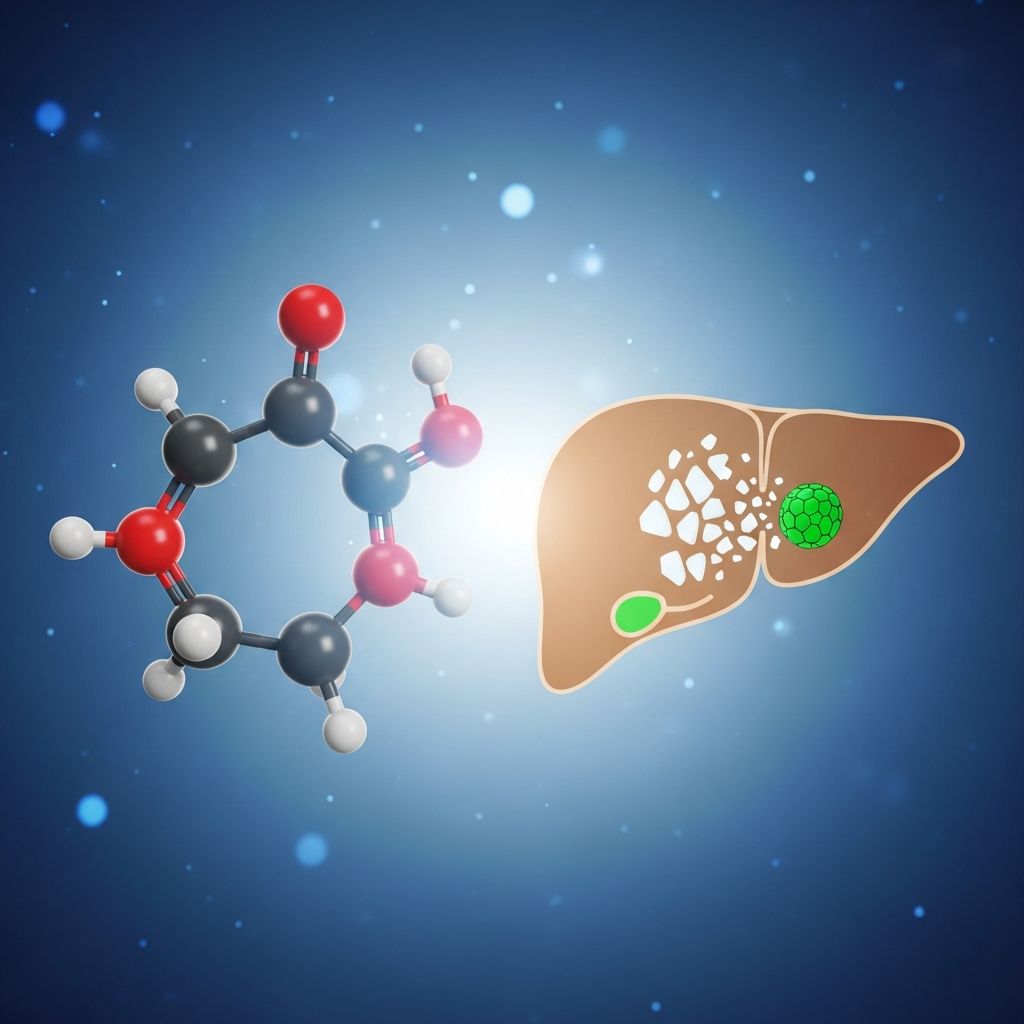
Ursodeoxycholic acid (UDCA) is a naturally occurring bile acid used medically to treat various hepatobiliary disorders. It primarily works by altering bile composition to reduce cholesterol saturation and protect liver cells from toxic effects.
What Is Ursodeoxycholic Acid and How Does It Function?
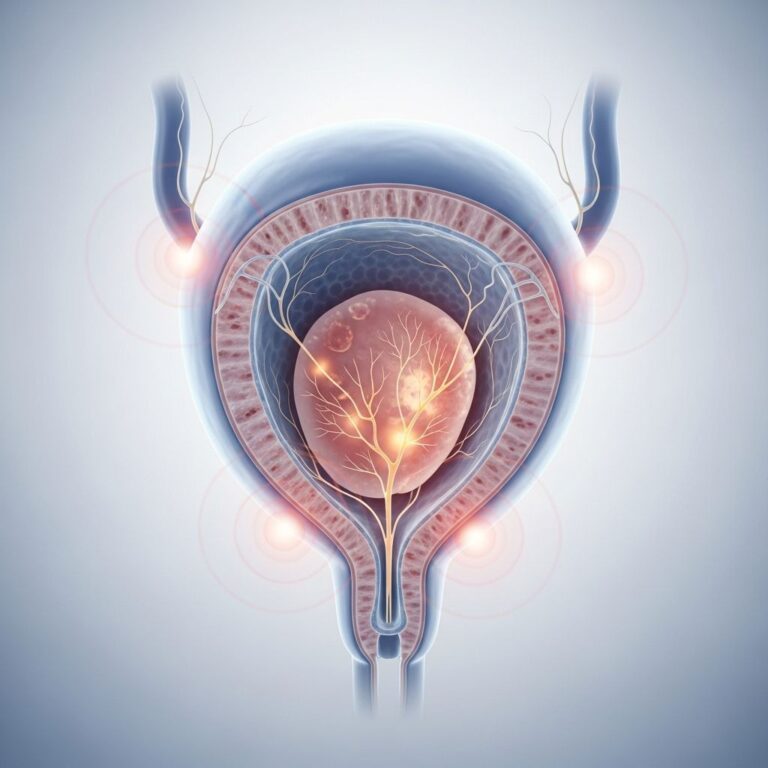
UDCA is a hydrophilic secondary bile acid produced by gut bacteria from primary bile acids in the liver. Unlike more hydrophobic bile acids that can damage cells, UDCA promotes bile flow and stabilizes cell membranes. Administered orally, it is absorbed in the small intestine (30-60% bioavailability, enhanced by meals) and taken up by hepatocytes via transporters like NTCP and OATP.
Key mechanisms include:
- Choleretic action: Stimulates bile secretion by increasing intracellular calcium, boosting transport proteins and exocytosis.
- Bile pool modification: Replaces toxic hydrophobic bile acids with hydrophilic UDCA, reducing hepatocyte damage.
- Anti-apoptotic and anti-inflammatory effects: Inhibits mitochondrial damage, stabilizes membranes, reduces reactive oxygen species, and modulates cytokines.
These actions make UDCA effective for conditions involving bile stasis or toxicity.
Primary Therapeutic Applications
UDCA’s FDA approvals include gallstone dissolution (1987) and primary biliary cholangitis (PBC, 1996). It is also used off-label for other cholestatic conditions.
Gallstone Dissolution and Prevention
UDCA dissolves radiolucent, non-calcified cholesterol gallstones by desaturating bile cholesterol and enhancing solubilization. Suitable for patients avoiding surgery, with patent cystic ducts. Dissolution occurs in 30-60% of cases at 8-10 mg/kg/day, but recurrence is high post-treatment.
Post-bariatric surgery, it prevents gallstones from rapid weight loss-induced cholesterol oversaturation (dose: similar).
Primary Biliary Cholangitis (PBC)
First-line therapy at 13-15 mg/kg/day. Improves liver enzymes (bilirubin, alkaline phosphatase), histology, Mayo risk score, and delays fibrosis/cirrhosis progression. Long-term use (from 1987 studies) shows survival benefits in trials over 2 years.
Intrahepatic Cholestasis of Pregnancy (ICP)
At 20-25 mg/kg/day, reduces maternal pruritus and liver tests. First-line despite PITCHES trial (2019) showing no perinatal outcome improvement.
Other Uses
- Primary sclerosing cholangitis (PSC): Improves labs at 13-15 mg/kg but no survival benefit; high doses risky.
- Biliary atresia/cholestasis: Adjunct, but not definitive; transplant often needed. Avoid in neonates due to risks.
- Cystic fibrosis liver disease: No reduction in severe outcomes.
Dosage Guidelines and Administration
Dosing is weight-based and condition-specific. Take with meals for better absorption; avoid binders like cholestyramine.
| Condition | Dose (mg/kg/day) | Duration/Notes |
|---|---|---|
| Gallstones | 8-10 | 6-24 months; monitor ultrasound |
| PBC | 13-15 | Lifelong; split doses |
| ICP | 20-25 | Until delivery |
| Post-bariatric prevention | ~10 | 6 months or as needed |
Adjust for renal/hepatic impairment; pediatric use unlicensed except specific cases.
Potential Side Effects and Safety Profile
Generally well-tolerated. Common issues: diarrhea (dose-related), nausea, pruritus worsening initially.
Rare serious effects:
- Liver decompensation in advanced cirrhosis.
- Calcification of gallstones.
- High-dose PSC: increased mortality.
Contraindications: acute cholecystitis, radio-opaque stones, non-functioning gallbladder. Pregnancy: Category B; beneficial in ICP. Monitor LFTs regularly.
Pharmacokinetics Overview
- Absorption: 30-60%, meal-enhanced.
- Distribution: Enters portal vein, hepatocyte uptake.
- Metabolism: Hepatic conjugation; enterohepatic recirculation.
- Excretion: Feces (major), urine (minor).
Clinical Evidence and Considerations
Related Stories



Landmark studies: 1975 gallstone dissolution; 1987 PBC efficacy. Meta-analyses confirm PBC benefits but mixed mortality data short-term. UDCA alters FXR signaling mildly, aiding bile homeostasis.
Limitations: Ineffective in NAFLD, allograft rejection, some pediatric cholestasis.
Frequently Asked Questions (FAQs)
What foods should I avoid with UDCA?
No specific diet, but high-fat meals aid absorption. Limit cholesterol if treating gallstones.
Can UDCA cure PBC?
No, it manages symptoms and slows progression; not curative.
Is UDCA safe during pregnancy?
Yes for ICP; reduces itching, though perinatal benefits unclear.
How long for gallstone dissolution?
6-24 months; 30-60% success, high recurrence.
What if I miss a dose?
Take soon as remembered; skip if near next. Do not double.
Monitoring and Patient Advice
Regular liver function tests, ultrasounds for gallstones. Report diarrhea, abdominal pain, jaundice. Store at room temperature.
References
- Ursodeoxycholic acid – Wikipedia — Wikipedia. 2023-10-01. https://en.wikipedia.org/wiki/Ursodeoxycholic_acid
- Why do we use ursodeoxycholic acid (UDCA) in cholestatic liver disease? — American Association for the Study of Liver Diseases (AASLD). 2023. https://www.aasld.org/liver-fellow-network/core-series/why-series/why-do-we-use-ursodeoxycholic-acid-udca-cholestatic
- Ursodeoxycholic acid: Uses, Interactions, Mechanism of Action — DrugBank. 2024-01-15. https://go.drugbank.com/drugs/DB01586
- Ursodiol (oral route) – Mayo Clinic — Mayo Clinic. 2023-11-01. https://www.mayoclinic.org/drugs-supplements/ursodiol-oral-route/description/drg-20066618
- Ursodiol: Uses & Side Effects – Cleveland Clinic — Cleveland Clinic. 2024. https://my.clevelandclinic.org/health/drugs/20178-ursodiol-capsules-or-tablets
- Ursodiol: MedlinePlus Drug Information — MedlinePlus (NIH). 2023-09-15. https://medlineplus.gov/druginfo/meds/a699047.html
Similar Articles








Read full bio of Sneha Tete