Urticaria: Comprehensive Guide To Symptoms, Causes And Treatment
Comprehensive guide to urticaria (hives): causes, symptoms, diagnosis, and effective treatment strategies for acute and chronic forms.
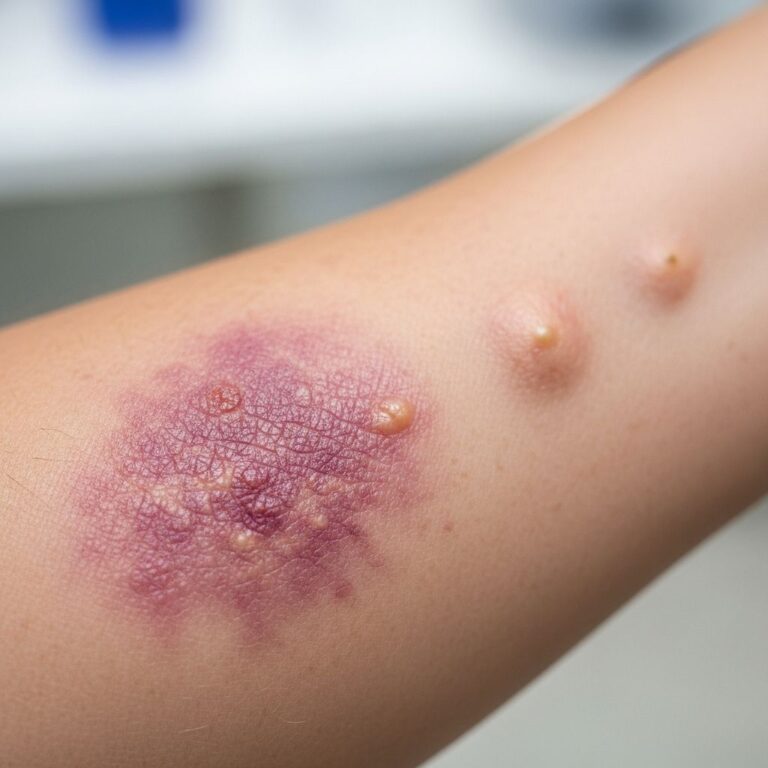
Urticaria, commonly known as hives, is a frequent dermatological condition characterized by the sudden appearance of itchy, raised welts called weals on the skin. These transient lesions result from localized dermal edema due to mast cell degranulation and release of vasoactive mediators like histamine. Urticaria affects approximately 20% of the population at some point in life, with chronic forms impacting 0.5–2%. It can occur acutely, lasting less than 6 weeks, or chronically, persisting beyond this duration, and may be spontaneous or inducible by physical stimuli.
What is urticaria?
A
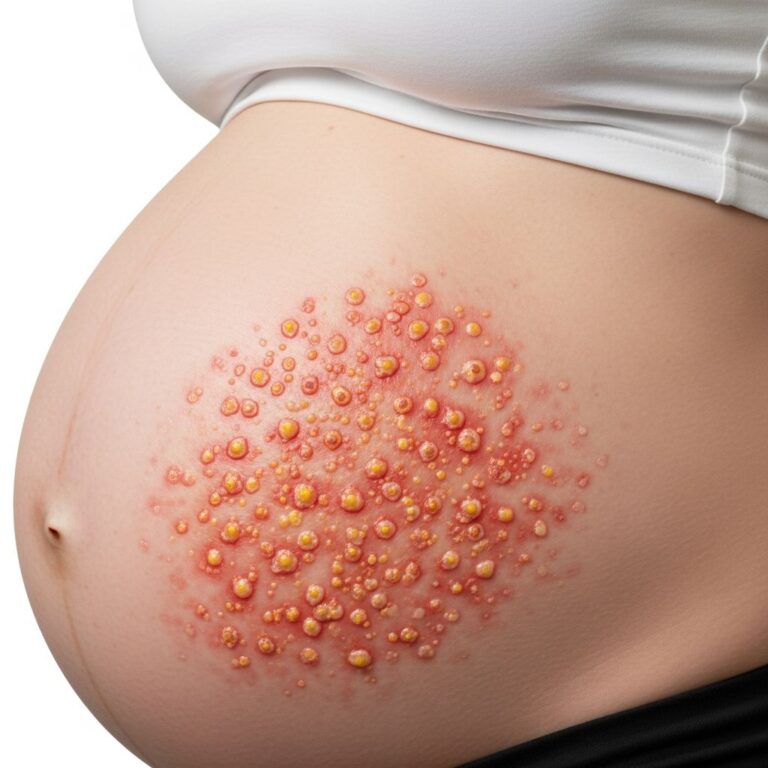
weal
(also spelled wheal) is defined as a superficial, skin-coloured or pale swelling, typically surrounded by a red flare of erythema, that persists from a few minutes to 24 hours. Individual weals range from a few millimetres to several centimetres in diameter, appearing white, red, or with a surrounding erythematous halo. They are often intensely pruritic (itchy), though some patients report burning or stinging sensations. Weals can be round, annular (ring-shaped), map-like, or serpiginous (snake-like), and they frequently migrate, resolving in one area while emerging in another.Urticaria often coexists with
angioedema
, a deeper swelling affecting subcutaneous tissues or mucous membranes, which may cause pain rather than itch and can involve the face, lips, or extremities. The wheals blanch under pressure, distinguishing them from purpuric lesions. After resolution, the skin typically returns to normal without residual marks, unlike other rashes.Who gets urticaria?
Urticaria is prevalent across all ages, races, and sexes, though chronic spontaneous urticaria shows a female predominance (two-thirds of cases) and peaks in the third and fourth decades. About one in five individuals experiences acute urticaria in their lifetime. Children are more prone to acute forms triggered by infections, while inducible types like dermatographism are common in younger adults. Genetic factors and autoimmune associations contribute to chronic cases.
What causes urticaria?
Urticaria arises from mast cell and basophil activation, releasing histamine, bradykinin, leukotrienes, and other mediators, leading to vasodilation and increased vascular permeability in the dermis. Triggers fall into several categories:
- Allergic reactions: IgE-mediated responses to foods (e.g., nuts, shellfish), medications (e.g., penicillin), or inhalants (e.g., pollen, animal dander).
- Non-allergic (pseudoallergic): Direct mast cell activation by aspirin, NSAIDs, opiates, or radiocontrast media.
- Infections: Viral (e.g., hepatitis, EBV), bacterial (e.g., streptococcal), or parasitic.
- Physical stimuli (inducible urticaria): Pressure (delayed pressure urticaria), cold, heat, sunlight, vibration, or cholinergic (exercise/sweating).
- Autoimmune: Common in chronic spontaneous urticaria, with autoantibodies against IgE receptors.
- Idiopathic: Most chronic cases lack identifiable triggers.
Rarely, urticaria signals underlying conditions like systemic mastocytosis (urticaria pigmentosa), thyroid disease, or malignancy.
Types of urticaria
Urticaria is classified by duration and trigger:
- Acute urticaria: Lasts <6 weeks; often allergic or infection-related.
- Chronic urticaria: Persists >6 weeks; subdivided into spontaneous (no trigger) or inducible.
| Type | Duration | Common Triggers |
|---|---|---|
| Acute spontaneous | <6 weeks | Allergens, infections |
| Chronic spontaneous | >6 weeks | Idiopathic/autoimmune |
| Chronic inducible | >6 weeks | Physical stimuli (cold, pressure, etc.) |
Special forms include urticarial vasculitis (painful, lasting >24 hours, purpuric) and hereditary angioedema (bradykinin-mediated, non-pruritic).
Clinical features
Lesions are transient, pruritic wheals that evolve rapidly, coalescing into larger plaques. They favour the trunk and extremities but can appear anywhere except palms and soles. Associated angioedema involves lips, eyelids, or genitals. Systemic symptoms like fever or arthralgia suggest underlying disease. Dermatographism (wheals from stroking skin) is common in chronic cases.
Related Stories



Diagnosis
Diagnosis relies on history and examination; no single test confirms urticaria. Key steps include:
- History: Onset, duration, triggers, medications, associated symptoms.
- Examination: Lesion morphology, dermatographism test (stroking skin with tongue depressor), vital signs to exclude anaphylaxis.
Investigations for chronic cases: CBC, ESR/CRP, thyroid function, hepatitis screen; skin biopsy if vasculitis suspected. Allergy testing (skin prick) if allergen suspected.
Differential diagnosis
Urticaria must be distinguished from mimics:
| Condition | Distinguishing Features |
|---|---|
| Arthropod bites | Lesions last days; central puncture, exposure history |
| Atopic dermatitis | Scaling, lichenified, fixed distribution |
| Bullous pemphigoid | >24h duration, tense blisters, Nikolsky positive |
| Contact dermatitis | Indistinct margins, vesicles, epidermal changes |
| Erythema multiforme | Target lesions, >24h, mucosal involvement |
| Mastocytosis | Darier sign (wheal on stroking lesion), pigmentation |
Treatment of urticaria
First-line therapy is
second-generation H1-antihistamines
(e.g., cetirizine 10 mg daily, up to 4x dose if needed: 40 mg/day). Avoid first-generation due to sedation.- Mild acute: Standard antihistamine dose; resolves spontaneously.
- Moderate-severe: Updosing antihistamines; add H2-blockers (e.g., ranitidine) or short-course oral corticosteroids.
- Chronic refractory: Omalizumab (anti-IgE monoclonal antibody), cyclosporine, or dupilumab.
Non-pharmacologic: Avoid triggers, cool compresses, loose clothing. Topical corticosteroids/antihistamines ineffective. Epinephrine for anaphylaxis.
Physical urticarias
Inducible urticarias triggered by physical stimuli:
- Dermatographism: Most common; wheals from pressure.
- Cold urticaria: Ice cube test; swimming risk (hypotension).
- Cholinergic: Exercise/heat; small punctate weals.
- Delayed pressure: 4–6 hours post-pressure.
Treat with antihistamines; trigger avoidance key.
Urticarial vasculitis
Painful, non-pruritic lesions lasting >24–48 hours, leaving hyperpigmentation; biopsy shows leukocytoclastic vasculitis. Associated with SLE, Sjögren’s; treat underlying disease plus antihistamines/dapsone.
Mastocytosis
Cutaneous mastocytosis (urticaria pigmentosa): Red-brown macules/papules with Darier sign (wheal on rubbing). Systemic form rare, with flushing, anaphylaxis risk. H1/H2 blockers; avoid triggers.
Frequently Asked Questions
Q: How long do hives last?
A: Individual weals resolve within 24 hours, but acute urticaria lasts <6 weeks; chronic >6 weeks.
Q: Are hives contagious?
A: No, urticaria is not infectious or contagious.
Q: Can stress cause hives?
A: Yes, stress exacerbates chronic urticaria via emotional triggers.
Q: When should I see a doctor for hives?
A: If lasting >6 weeks, with angioedema, breathing difficulty, or systemic symptoms.
Q: Do topical steroids work for hives?
A: No, oral antihistamines are preferred; topicals ineffective.
References
- Acute and Chronic Urticaria: Evaluation and Treatment — American Academy of Family Physicians (AAFP). 2017-06-01. https://www.aafp.org/pubs/afp/issues/2017/0601/p717.html
- Urticaria – Dermatologic Disorders — Merck Manuals Professional Edition. 2023-08-20. https://www.merckmanuals.com/professional/dermatologic-disorders/approach-to-the-dermatologic-patient/urticaria
- Urticaria — Canadian Dermatology Association. 2024-01-15. https://dermatology.ca/public-patients/diseases-conditions/skin-conditions/urticaria/
- Urticaria (Hives): a complete overview — DermNet NZ (authoritative dermatology resource). 2025-05-10. https://dermnetnz.org/topics/urticaria-an-overview
Similar Articles








Read full bio of Sneha Tete