Urticaria In Children: Causes, Symptoms And Treatments Guide
Comprehensive guide to hives in kids: causes, symptoms, diagnosis, treatment, and management strategies for parents.
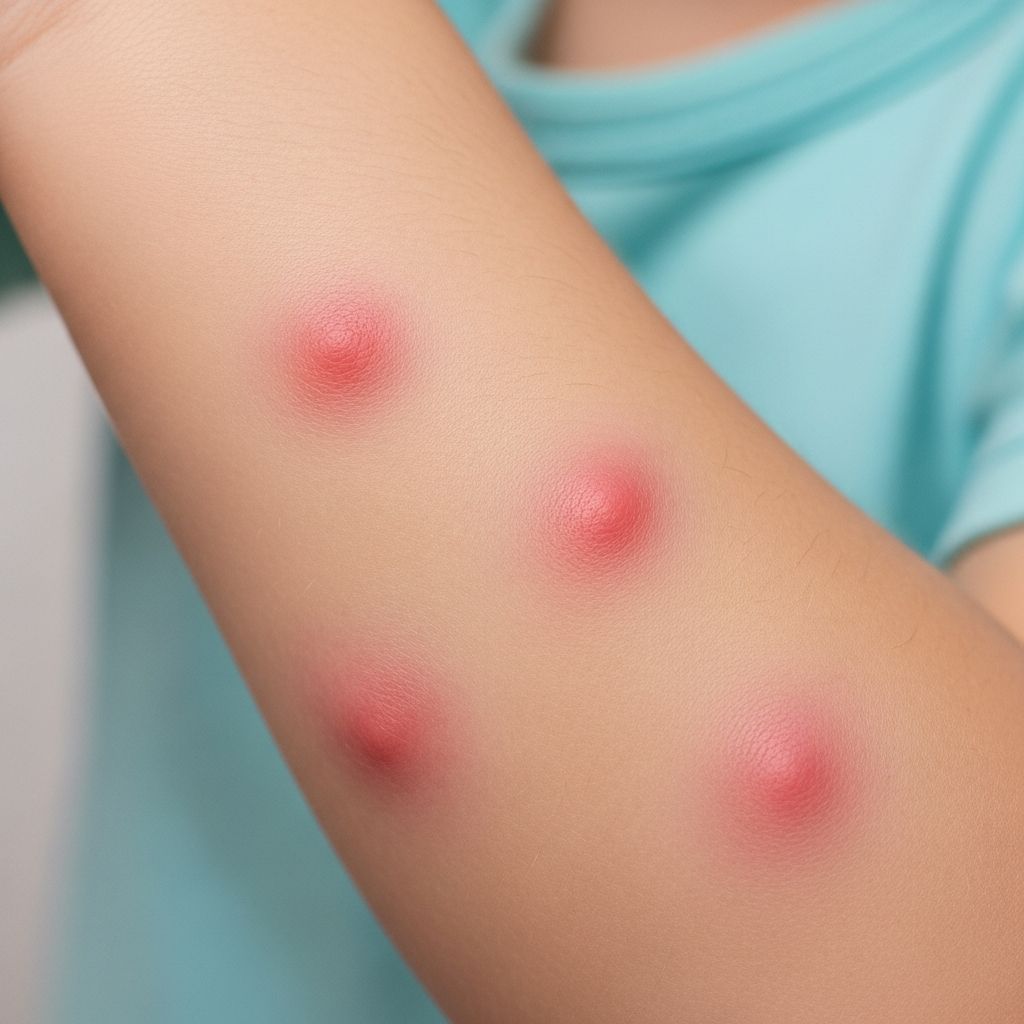
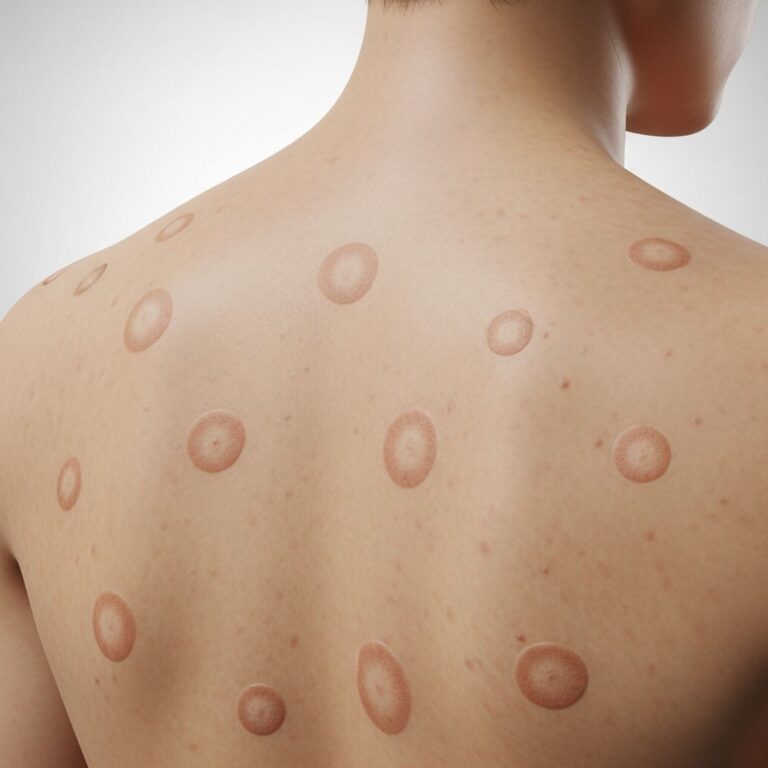
Urticaria, commonly known as hives, is a frequent skin condition in children characterized by sudden appearance of itchy, red, raised weals on the skin. These weals result from the release of chemical mediators like histamine and cytokines from mast cells, leading to vasodilation and fluid leakage into tissues, causing redness and swelling. In children, urticaria is often acute, lasting less than 6 weeks, and frequently linked to identifiable triggers such as infections, which are the most common cause.
What is urticaria?
Urticaria manifests as transient, itchy weals that can vary in size and shape, often surrounded by a red flare (flare and weal response). Individual lesions typically resolve within 24 hours, but new ones may appear, creating the impression of migrating eruptions. The condition affects approximately 15-25% of children at some point, with acute forms being more prevalent than chronic ones. Weals are caused by inflammatory cells releasing mediators that provoke local vascular changes.
In pediatric cases, urticaria can be spontaneous (no identifiable trigger in about 50% of acute cases, termed idiopathic) or inducible by physical stimuli. Unlike adults, chronic urticaria is rare in children and often stems from autoimmunity or persistent infections.
Who gets urticaria?
Urticaria is common in children of all ages, with peak incidence in those under 10 years. Atopic children (those with eczema, asthma, or hay fever) are at higher risk, particularly for inducible forms. Infections drive most cases in kids, distinguishing pediatric urticaria from adult presentations where autoimmunity predominates. Girls may experience it slightly more often during adolescence due to hormonal influences, but overall, it affects both sexes equally.
What causes urticaria?
Triggers of
acute spontaneous urticaria
include infections (viral like upper respiratory tract infections, streptococcal; bacterial; parasitic), foods (e.g., peanuts, eggs, shellfish), medications (especially beta-lactam antibiotics like penicillin), insect stings, and allergens. Food pseudoallergens, such as histamine-rich foods or those causing direct mast cell degranulation (e.g., aspirin, NSAIDs), are also implicated. In about 50% of acute cases, no trigger is identified.**Chronic urticaria** is uncommon in children but may arise from autoimmunity or chronic infections.
Inducible urticaria
results from direct stimuli: dermographism (skin stroking), delayed pressure, cold, heat, sunlight, vibration, or exercise. These are often linked to atopy.Other pediatric-specific causes include contact urticaria from foods (prevalent in atopic dermatitis), often immunologic, and rare systemic disorders like cryopyrin-associated periodic syndromes (CAPS) or tumor necrosis factor receptor-associated periodic syndrome (TRAPS), presenting with recurrent urticaria-like rashes, fever, and pain.
Clinical features of urticaria
Weals appear suddenly, itch intensely, and blanch on pressure. They can be localized or widespread, annular, or serpiginous, measuring millimeters to centimeters. Accompanying angioedema (deeper swelling, often periorbital, lips, hands) occurs in 40-50% of cases, lasting up to 72 hours.
- Acute urticaria: Lasts <6 weeks; self-limiting.
- Chronic urticaria: >6 weeks; rare in kids.
- Inducible types: Dermographism (linear weals from scratching), cholinergic (small punctate weals post-exercise/heat), cold-induced, etc.
In severe cases, anaphylaxis may develop with systemic symptoms like wheezing, hypotension, or gastrointestinal distress, necessitating epinephrine.
Diagnosis
Diagnosis is primarily clinical, based on history and characteristic weal appearance. Key questions cover onset, duration, triggers, associated symptoms (fever, joint pain), family history, and atopy.
Related Stories



Investigations are selective: no routine tests for typical acute urticaria. Consider if atypical features present:
- Full blood count (eosinophilia suggests allergy/parasites).
- ESR/CRP (infection/inflammation).
- Throat swab, ASOT (streptococcal).
- Urine analysis/culture (UTI).
- Stool for ova/cysts (parasites).
- Allergy tests (skin prick, specific IgE) if food suspected.
- Thyroid function, autoantibodies for chronic cases.
For inducible urticaria, provocation tests (e.g., ice cube for cold urticaria) confirm diagnosis.
Differential diagnosis
Urticaria must be differentiated from conditions mimicking weals:
| Condition | Key Features |
|---|---|
| Mastocytosis | Fixed brown macules/papules (Darier’s sign: urticate on stroking); systemic symptoms. |
| Erythema marginatum | Pink annular rings (rheumatic fever); non-itchy. |
| Urticarial vasculitis | Persistent (>24h) weals, purpura, pain > itch; biopsy needed. |
| Milaria | Small clear vesicles (sweat duct obstruction). |
| Herpes simplex/zoster | Vesicles on erythematous base; dermatomal. |
| Insect bites | Central punctum, persist days. |
Other considerations: anaphylaxis, physical urticarias, autoinflammatory syndromes like CAPS (cold-triggered, fever, NLRP3 mutation).
What is the treatment for urticaria in children?
First-line treatment is
non-sedating second-generation H1 antihistamines
(e.g., cetirizine, loratadine, fexofenadine), up to 2-4x standard dose if needed. These control itch and prevent weal spread without curing the underlying cause. Dosage by age:- 2-6 months: Cetirizine 2.5mg daily.
- 6-12 months: 2.5mg twice daily.
- 1-2 years: 2.5mg twice daily.
- 2-6 years: 5mg twice daily (max 10mg/day).
- >6 years: 10mg daily.
Avoid triggers: foods, drugs, extremes of temperature. Cool skin with fans/ice packs, use emollients. For unresponsive cases, short-course oral prednisone (1mg/kg/day x3 days). Anaphylaxis requires intramuscular adrenaline.
In chronic or refractory cases, consider H2 blockers (ranitidine), leukotriene antagonists (montelukast), or specialist referral for biologics like omalizumab (anti-IgE) or anti-IL agents for autoinflammatory types. Aspirin/NSAIDs/alcohol worsen symptoms; avoid tight clothing.
Chronic urticaria
Rare in children (<1%), often autoimmune (anti-FcεRI antibodies). Investigate for infections, thyroid disease. Treat with high-dose antihistamines; omalizumab effective (300mg every 4 weeks). Prognosis good; 50% resolve within 1 year.
Inducible urticaria
- Dermographism: Common, benign; antihistamines.
- Cholinergic: Avoid hot showers/exercise; beta-blockers if severe.
- Cold/heat: Provocation-confirmed; antihistamines.
- Solar: Sunscreen, antihistamines.
Urticaria and infections
Infections cause 30-50% of pediatric acute urticaria (viral > bacterial > parasites). Streptococcal, H. pylori, helminths implicated. Treat infection; urticaria resolves post-resolution.
Urticaria due to medications
Common with antibiotics (penicillin), NSAIDs. IgE-mediated or direct mast cell activation. Discontinue offender; antihistamines.
Food-related urticaria
Triggers: nuts, eggs, milk, shellfish. Often with anaphylaxis risk. Allergy testing; strict avoidance. Contact urticaria in atopics from fruits/veggies.
Physical urticarias
Triggered by mechanical/thermal stimuli. Often chronic, atopic-linked. Antihistamines mainstay; trigger avoidance.
Frequently Asked Questions
Is urticaria in children contagious?
No, urticaria is not contagious; it’s an individual reaction, often allergic or idiopathic.
How long does urticaria last in children?
Acute: hours to <6 weeks. Chronic: >6 weeks, rare.
When should I seek emergency care?
If swelling of lips/tongue, breathing difficulty, dizziness—signs of anaphylaxis. Use epinephrine auto-injector.
Can urticaria recur?
Yes, especially inducible types or if triggers persist. Most acute episodes self-resolve.
Are antihistamines safe for babies?
Yes, age-appropriate non-sedating ones like cetirizine are safe and recommended.
References
- Acute and Chronic Urticaria: Evaluation and Treatment — American Academy of Family Physicians. 2017-06-01. https://www.aafp.org/pubs/afp/issues/2017/0601/p717.html
- The many faces of pediatric urticaria — PubMed Central (PMC). 2023-11-15. https://pmc.ncbi.nlm.nih.gov/articles/PMC10655015/
- Hives: Causes, Symptoms, Diagnosis, and Treatment — St. Louis Children’s Hospital. Accessed 2026. https://www.stlouischildrens.org/conditions-treatments/hives
- Urticaria in children — DermNet NZ. Accessed 2026. https://dermnetnz.org/topics/urticaria-in-children
- Hives (Urticaria) in Children: Causes, Treatment & Pictures — Cleveland Clinic. Accessed 2026. https://my.clevelandclinic.org/health/symptoms/22454-hives-in-children
Similar Articles








Read full bio of medha deb