Urticarial Vasculitis: Symptoms, Causes & Treatment
Understanding urticarial vasculitis: causes, symptoms, diagnosis, and comprehensive treatment options.
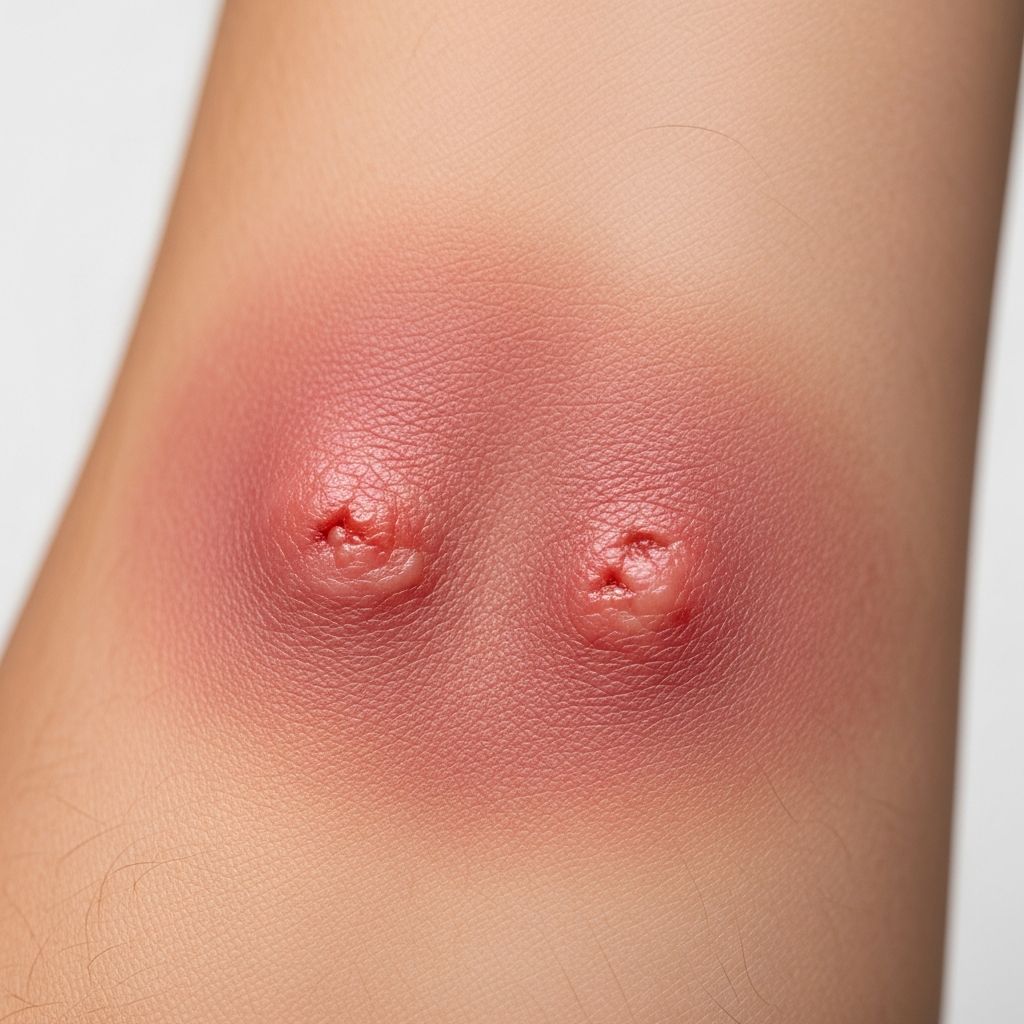
Urticarial Vasculitis: A Comprehensive Guide
Urticarial vasculitis is a rare form of vasculitis characterized by inflammation of the blood vessels in the skin. Unlike typical hives that appear and disappear within hours, urticarial vasculitis presents with fixed skin lesions that persist for more than 24 hours and may leave areas of hyperpigmentation as they heal. This condition represents one of the less common vasculitic disorders, but understanding its presentation, progression, and management is essential for both patients and healthcare providers seeking optimal treatment outcomes.
What Is Urticarial Vasculitis?
Urticarial vasculitis is a form of cutaneous small-vessel vasculitis that predominantly affects the skin but can have systemic manifestations in certain presentations. The condition involves immune-mediated inflammation of small blood vessels, leading to characteristic skin findings and potential organ involvement. It is fundamentally different from chronic spontaneous urticaria, despite sharing some superficial similarities in appearance.
The key distinguishing feature of urticarial vasculitis is that the lesions are fixed and do not migrate to different areas of the skin, and they remain present for longer than 24 hours. This contrasts sharply with typical urticaria, where welts typically resolve within 24 hours and frequently move to different locations on the body.
Types of Urticarial Vasculitis
Urticarial vasculitis is classified into two main categories based on complement protein levels in the blood, which helps determine disease severity and systemic involvement:
Normocomplementemic Urticarial Vasculitis (NUV)
Normocomplementemic urticarial vasculitis occurs when complement protein levels remain normal. This form typically involves minimal systemic manifestations, with disease activity primarily limited to skin lesions. Patients with NUV generally have a more favorable prognosis and may experience resolution of symptoms with supportive care and topical treatments.
Hypocomplementemic Urticarial Vasculitis (HUV)
Hypocomplementemic urticarial vasculitis is characterized by reduced levels of complement proteins, particularly C3 and C4. This form is more severe and frequently involves multiple organ systems. The systemic involvement in HUV can affect the joints, lungs, kidneys, gastrointestinal tract, and eyes, requiring more aggressive immunosuppressive therapy and closer medical monitoring.
Symptoms and Clinical Presentation
The clinical presentation of urticarial vasculitis varies depending on disease type and severity. Understanding these manifestations helps in early recognition and appropriate intervention.
Skin Manifestations
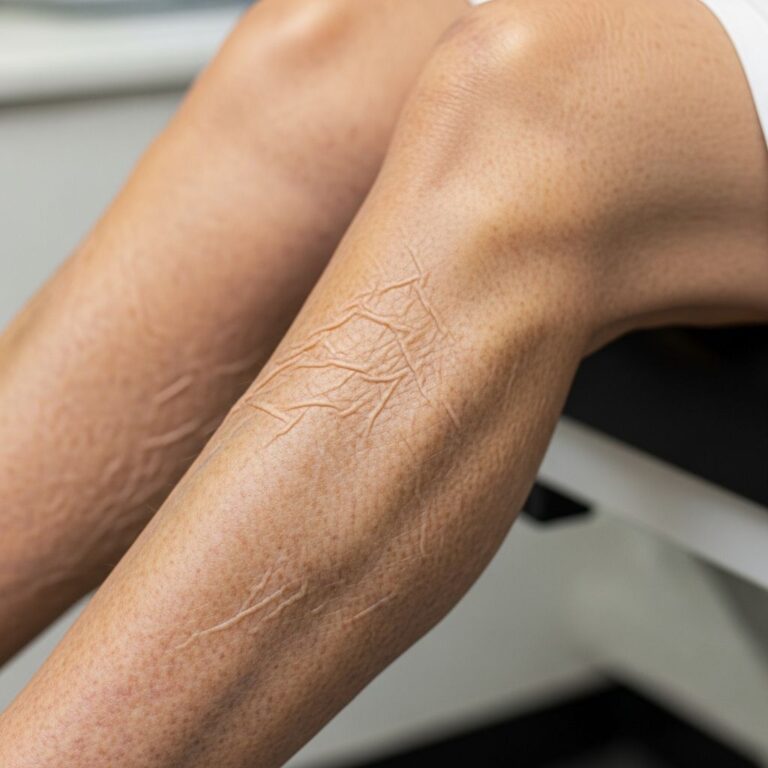
Skin lesions are the hallmark feature of urticarial vasculitis. These lesions typically appear as red-rimmed patches with white centers and may contain petechiae—small red or purple pinpoint spots resulting from bleeding under the skin. The patches persist for more than 24 hours and may leave bruise-like skin discoloration as they heal. Patients often report symptoms of burning or painful sensations in affected areas rather than the typical itching associated with standard hives.
Related Stories



Systemic Symptoms
In cases with significant systemic involvement, patients may experience:
- Joint pain and arthralgia, particularly affecting hands, wrists, and ankles
- Fatigue and generalized weakness
- Fever
- Abdominal pain
- Respiratory symptoms and shortness of breath
- Vision changes or eye complications
- Headaches
- Numbness and weakness in extremities due to nerve involvement
Causes and Risk Factors
The exact etiology of urticarial vasculitis remains incompletely understood, but it is recognized as an immune-mediated condition involving type III hypersensitivity reactions. This mechanism involves the formation of immune complexes that deposit in small blood vessels, triggering inflammation.
Urticarial vasculitis is often associated with underlying systemic diseases and conditions. It may occur in conjunction with autoimmune disorders, connective tissue diseases, or other systemic conditions. Additionally, the condition can be triggered or exacerbated by infections, medications, or environmental exposures in susceptible individuals. Identifying and managing any underlying associated conditions is crucial for comprehensive treatment.
Diagnosis of Urticarial Vasculitis
Diagnosing urticarial vasculitis requires a systematic approach combining clinical evaluation, laboratory assessment, and histopathological confirmation.
Clinical Evaluation
The diagnostic process begins with a detailed medical history and thorough physical examination. Healthcare providers assess the characteristics of skin lesions, duration of symptoms, associated systemic manifestations, and any triggering factors or underlying conditions.
Laboratory Testing
Blood tests play a critical role in diagnosis and classification. Serum complement levels, particularly C3 and C4, are measured to distinguish between normocomplementemic and hypocomplementemic forms. In hypocomplementemic urticarial vasculitis, the presence of antibodies against C1q (a protein in the complement system) helps confirm the diagnosis. Additional laboratory tests assess kidney and liver function, evaluate for underlying autoimmune conditions, and screen for associated systemic diseases.
Skin Biopsy
A skin biopsy is often necessary to confirm the diagnosis. This procedure involves surgical removal and microscopic analysis of a small tissue sample from an affected area. Histopathological examination typically reveals leukocytoclastic vasculitis—inflammation and fragmentation of white blood cells within small blood vessels—which confirms the diagnosis of urticarial vasculitis.
Additional Imaging and Testing
When complement levels are low, indicating possible systemic involvement, additional testing may be warranted. Chest imaging, urinalysis, and renal function tests help assess potential involvement of the lungs and kidneys. Ophthalmologic examination may be necessary when eye complications are suspected.
Treatment Approaches
Treatment strategy for urticarial vasculitis depends on disease severity, extent of systemic involvement, and individual patient factors.
Mild to Moderate Disease
When disease primarily affects the skin without significant systemic involvement, initial treatment is typically conservative. Antihistamines can help manage associated itching and discomfort. Nonsteroidal anti-inflammatory drugs (NSAIDs) such as ibuprofen or naproxen may relieve pain and inflammation. Many patients experience resolution of skin lesions over time with supportive care alone.
Persistent or Moderate Symptoms
When symptoms persist despite initial treatment, alternative medications may be considered. Hydroxychloroquine, an antimalarial agent, has demonstrated efficacy in managing urticarial vasculitis. Colchicine, traditionally used for gout, can reduce inflammation. Dapsone, a sulfonamide antibiotic, provides immunosuppressive effects beneficial in vasculitic conditions.
Severe or Systemic Disease
Patients with significant organ involvement require more aggressive immunosuppressive therapy. Corticosteroids, particularly prednisone, form the foundation of treatment for severe disease. Additional immunosuppressive agents may be necessary, including azathioprine, methotrexate, mycophenolate mofetil, or cyclophosphamide in cases of severe, refractory disease. These medications help control immune system activity and prevent organ damage.
Treatment Duration
Treatment duration varies considerably among patients. While some individuals may require only intermittent therapy, many patients need continuous medication for several years to maintain disease control and prevent relapses.
Complications of Urticarial Vasculitis
While many patients experience relatively mild disease limited to skin manifestations, urticarial vasculitis can lead to significant complications in certain cases. Common complications include persistent skin pigmentation changes and occasional skin ulceration. More serious complications may develop in patients with systemic involvement, including lung damage that can progress to chronic obstructive pulmonary disease (COPD), as well as chronic kidney disease and vision-threatening eye complications.
Medication Side Effects and Considerations
Medications used to treat urticarial vasculitis, particularly immunosuppressive agents, carry potential serious side effects. These include increased susceptibility to infections due to immune system suppression and bone loss (osteoporosis) from prolonged corticosteroid use. Regular monitoring through blood tests, bone density assessments, and clinical evaluation helps detect and manage these side effects. Baseline vaccinations and preventive measures against infections are important before initiating immunosuppressive therapy.
Disease Course and Long-Term Management
Even with effective treatment, urticarial vasculitis often follows a chronic course characterized by periods of relapse and remission. Patients may experience symptom-free intervals interrupted by disease flares with return of skin lesions or new systemic manifestations. Regular medical follow-up and ongoing monitoring are essential for detecting relapses early and adjusting treatment accordingly. Patients should report the return of initial symptoms or development of new manifestations to their healthcare provider promptly.
Living With Urticarial Vasculitis
Managing urticarial vasculitis requires a collaborative approach between patients and healthcare providers. Patients should maintain detailed records of symptom patterns, medication responses, and potential triggers. Maintaining open communication with the medical team about symptoms, medication side effects, and quality of life impacts ensures optimal disease management. Support groups and educational resources can provide valuable information and emotional support for patients navigating this chronic condition.
Frequently Asked Questions
Q: How is urticarial vasculitis different from regular hives?
A: Urticarial vasculitis lesions are fixed and persist for more than 24 hours, whereas typical hives appear and disappear within hours and migrate across the skin. Additionally, urticarial vasculitis involves inflammation of blood vessels rather than simple allergic reactions, and the lesions often leave areas of hyperpigmentation as they heal.
Q: Can urticarial vasculitis resolve on its own?
A: In normocomplementemic urticarial vasculitis with limited skin involvement, lesions may resolve spontaneously or with minimal treatment. However, hypocomplementemic urticarial vasculitis typically requires ongoing medical management and often becomes a chronic condition requiring long-term therapy.
Q: What is the difference between normocomplementemic and hypocomplementemic urticarial vasculitis?
A: Normocomplementemic urticarial vasculitis has normal complement protein levels and typically involves only skin manifestations. Hypocomplementemic urticarial vasculitis has reduced complement levels and frequently involves multiple organ systems including joints, lungs, kidneys, and eyes, requiring more aggressive treatment.
Q: How often should patients with urticarial vasculitis have medical follow-up?
A: Patients should have regular checkups as determined by their healthcare provider, typically more frequently during periods of active disease or after treatment changes. Ongoing monitoring helps detect relapses early and manage potential complications.
Q: Are there any dietary or lifestyle modifications that help manage urticarial vasculitis?
A: While no specific diet or lifestyle changes cure urticarial vasculitis, maintaining overall health, managing stress, avoiding known triggers, and adhering to prescribed medications are important. Patients should discuss specific modifications with their healthcare provider.
Q: What should I do if my symptoms return after treatment?
A: Contact your healthcare provider promptly to report symptom recurrence. This may indicate disease relapse requiring treatment adjustment. Early intervention helps prevent progression and potential complications.
References
- Vasculitis: Overview and Management — Cleveland Clinic. 2024. https://my.clevelandclinic.org/departments/orthopaedics-rheumatology/depts/vasculitis
- Urticarial Vasculitis Brochure — Vasculitis Foundation. March 2024. https://vasculitisfoundation.org/
- Case Study: Joint Pain, Angioedema, Confusing Rash — Cleveland Clinic ConsultQD. https://consultqd.clevelandclinic.org/case-study-joint-pain-angioedema-confusing-rash
- A Case-Based Literature Review of Hypocomplementemic Urticarial Vasculitis Syndrome — PubMed Central, National Center for Biotechnology Information. https://pubmed.ncbi.nlm.nih.gov/30980192/
- Unraveling the Diagnosis of Hypocomplementemic Urticarial Vasculitis Syndrome — Cureus. https://www.cureus.com/articles/214500-unraveling-the-diagnosis-of-hypocomplementemic-urticarial-vasculitis-syndrome
Similar Articles








Read full bio of Sneha Tete