Understanding Usher Syndrome: Causes, Types, and Management
A comprehensive guide to this rare genetic condition affecting hearing and vision
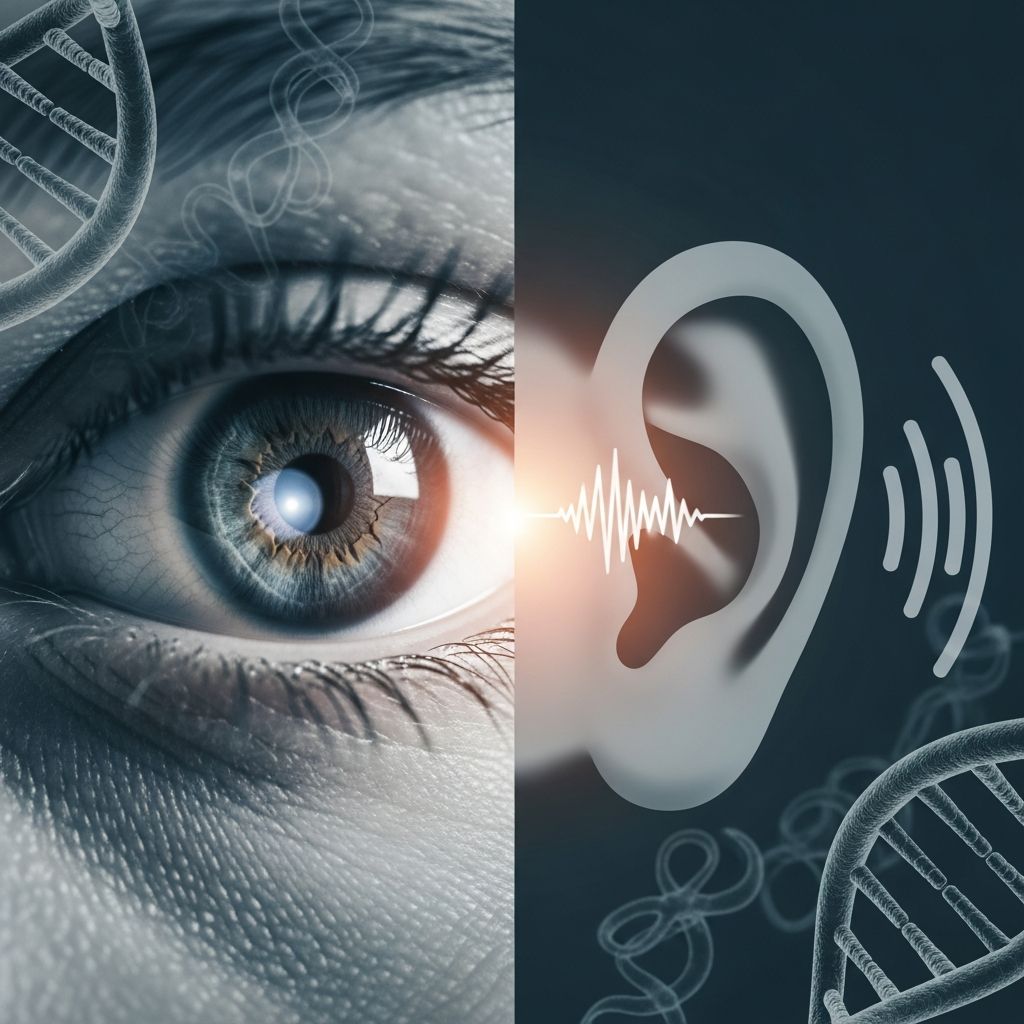
Usher syndrome represents one of the most significant genetic causes of combined hearing and vision loss worldwide. This inherited disorder affects thousands of individuals and families, fundamentally changing how people experience the world around them. Unlike many other genetic conditions that affect a single sensory system, Usher syndrome simultaneously impacts both auditory and visual functions, creating unique challenges for diagnosis, management, and quality of life.
What Defines Usher Syndrome?
Usher syndrome is classified as a syndrome rather than a simple disease because it encompasses multiple distinct symptoms occurring together. The condition is characterized by two primary features: sensorineural hearing loss originating from abnormalities in the inner ear and auditory nerves, and retinitis pigmentosa (RP), a progressive degenerative disorder affecting the light-sensitive retina at the back of the eye. In many individuals, a third component—vestibular dysfunction affecting balance and spatial orientation—further complicates the clinical picture.
The inheritance pattern of Usher syndrome follows an autosomal recessive model, meaning an individual must inherit mutated copies of the same gene from both parents to develop the condition. This genetic architecture makes it one of the most common genetic causes of deafblindness, the simultaneous loss of both hearing and vision.
The Three Clinical Types and Their Distinct Presentations
Medical professionals recognize three distinct types of Usher syndrome, each with characteristic age of onset, symptom severity, and progression patterns. These classifications help guide clinical management and allow families to understand what they might expect as the condition evolves.
Type 1: The Most Severe Presentation
Usher syndrome Type 1 (USH1) represents the most severe form of the condition. Individuals born with this type experience profound congenital sensorineural hearing loss—often present at birth—combined with severe balance deficits. The vestibular abnormalities that characterize Type 1 lead to significant developmental delays; many children do not achieve independent walking until 18 months of age or later, compared to the typical developmental milestone of 12-15 months.
Vision problems typically emerge during early adolescence, usually between ages 10 and the early teen years, though some cases present earlier. Once vision loss begins, it tends to progress relatively rapidly, with many individuals experiencing significant visual field loss and approaching blindness by age 15. The combination of profound deafness from infancy and early-onset vision loss creates substantial communication and mobility challenges that require comprehensive educational and rehabilitation support.
Type 2: The Most Common Form
Usher syndrome Type 2 (USH2) is the most frequently encountered form of the condition. Individuals with Type 2 are born with moderate to severe hearing loss rather than profound deafness, and their hearing status may remain relatively stable or gradually worsen over time. Importantly, Type 2 does not involve the vestibular dysfunction characteristic of Type 1, meaning balance problems are not a typical feature.
Vision loss emerges later than in Type 1, typically beginning in late adolescence or early adulthood. Night blindness and progressive peripheral vision loss mark the initial manifestations of retinitis pigmentosa. Notably, central vision—the ability to see straight ahead—is usually preserved well into adulthood, allowing many individuals to maintain functional vision for reading and detail work longer than Type 1 patients.
Related Stories



Type 3: The Rarest and Most Variable Form
Usher syndrome Type 3 (USH3) was formally documented in medical literature in 1995 and remains the rarest subtype. Children born with Type 3 typically have normal hearing or only mild hearing impairment at birth, a characteristic that distinguishes it clearly from Types 1 and 2. However, both hearing and vision loss are progressive, typically beginning around puberty and advancing throughout adolescence and adulthood. Some individuals with Type 3 also experience balance difficulties, though this feature varies among affected individuals.
The Genetic Foundation: Identifying Mutations
Multiple genes have been implicated in Usher syndrome, and the specific genetic mutation determines which subtype an individual develops and influences the severity of symptoms. The most commonly affected genes include CLRN1, MYO7A, PCDH15, and USH2A. Different genetic mutations account for the distinct types and subtypes of Usher syndrome. For example, Usher syndrome Type 1B results from mutations in the MYO7A gene.
Understanding which gene is mutated provides valuable information for genetic counseling, family planning, and increasingly, for targeted therapeutic approaches. Genetic testing has become more accessible and can help families understand their specific form of Usher syndrome and the likelihood of inheritance in future generations.
How Vision Loss Develops: The Retinitis Pigmentosa Connection
The progressive vision loss in Usher syndrome results from retinitis pigmentosa, a genetic disorder involving gradual degeneration of photoreceptor cells in the retina. The retina contains two types of light-sensing cells: rods, which function in low-light conditions, and cones, which enable color vision and detailed central vision.
At the cellular level, retinitis pigmentosa damages the complex structures that support photoreceptor function, including the connecting cilium and periciliary membrane complex that form a critical diffusion barrier in the retina. As these photoreceptor cells gradually break down, vision loss progresses in a characteristic pattern.
Night blindness typically appears first, reflecting dysfunction of rod cells that normally enable vision in dim lighting. As disease progresses, peripheral vision gradually diminishes, with affected individuals developing blind spots in their side vision that gradually enlarge and merge. This creates “tunnel vision,” where only central vision remains functional. Despite this dramatic peripheral vision loss, many individuals with retinitis pigmentosa retain some degree of central vision throughout their lives, preserving the ability to recognize faces and read with appropriate lighting and magnification aids.
Recognizing Symptoms and Early Warning Signs
Symptoms of Usher syndrome vary considerably depending on the type and genetic mutation involved. Early recognition of these signs enables timely interventions and management strategies that can significantly improve quality of life.
- Hearing Loss Characteristics: May range from mild to profound, appearing at birth or developing progressively; some individuals experience worsening hearing over time, particularly affecting high-frequency sounds
- Vision Loss Pattern: Typically begins with night blindness, followed by gradual peripheral vision loss; central vision is usually retained for many years
- Balance Difficulties: More prominent in Type 1, manifesting as delayed motor development and challenges with coordination; may affect sports participation and independent mobility
- Speech and Language Effects: Congenital deafness in Type 1 can result in speech impediments and language delays requiring specialized educational support
- Secondary Vision Complications: Some individuals develop cataracts causing additional lens clouding, further complicating vision management
Current Diagnostic and Management Approaches
Although Usher syndrome remains incurable at present, early and accurate diagnosis opens doors to interventions that can substantially improve hearing, communication, and quality of life. Comprehensive evaluation typically involves audiological testing to assess hearing function, ophthalmological examination including retinal imaging and visual field testing, and genetic testing to identify specific mutations.
Cochlear implantation represents one of the most effective interventions for individuals with severe to profound hearing loss. These surgically implanted devices bypass damaged portions of the inner ear and directly stimulate the auditory nerve, enabling many individuals to regain functional hearing and develop or maintain spoken language skills. The timing and candidacy for cochlear implants must be carefully assessed by multidisciplinary teams of audiologists, otolaryngologists, and rehabilitation specialists.
Vision management typically involves low-vision rehabilitation, which includes specialized optical devices for magnification and lighting optimization, orientation and mobility training, and adaptive techniques for daily living. Regular ophthalmological monitoring helps track disease progression and identify treatable complications such as cataracts.
The Impact on Daily Life and Quality of Living
The combined hearing and vision loss characteristic of Usher syndrome creates profound impacts on communication, education, employment, and social participation. Children with Type 1 require specialized educational approaches addressing both deafness and progressive blindness simultaneously. Adults face unique employment challenges as vision loss may develop or worsen during their working years, necessitating vocational rehabilitation and workplace accommodations.
Social isolation represents a significant risk factor, as individuals may lose both auditory and visual channels for communication and connection. Comprehensive support systems involving family education, peer support networks, rehabilitation services, and mental health resources are essential components of holistic care.
Emerging Therapeutic Horizons
The future outlook for Usher syndrome includes promising developments in gene therapy and advanced assistive technologies. Researchers are investigating gene replacement strategies targeting the specific mutations responsible for Usher syndrome, with the potential to halt or reverse progressive vision and hearing loss. These advances offer hope that future generations may have access to disease-modifying treatments unavailable to current patients.
Simultaneously, improvements in cochlear implant technology, retinal imaging, and communication aids continue to expand treatment options and enhance quality of life for individuals living with Usher syndrome today.
Frequently Asked Questions About Usher Syndrome
Is Usher syndrome the same as deafblindness?
Usher syndrome is the most common genetic cause of deafblindness, but not all cases of deafblindness result from Usher syndrome. Deafblindness can result from various causes including infections, accidents, or other genetic conditions. Approximately 10 percent of individuals with congenital bilateral sensorineural hearing loss have Usher syndrome.
Can someone with Usher syndrome have children without the condition?
Since Usher syndrome follows an autosomal recessive inheritance pattern, an individual with Usher syndrome (who has two mutated gene copies) will pass one mutated copy to each child. If the other parent is unaffected and a non-carrier, all children will be carriers but not affected. Genetic counseling can help families understand specific inheritance risks based on both parents’ genetic status.
How is Usher syndrome diagnosed?
Diagnosis typically involves a combination of audiological testing, ophthalmological evaluation including retinal imaging, and genetic testing. The specific pattern of hearing loss, the age and severity of vision loss onset, and the presence or absence of vestibular dysfunction all contribute to determining the type of Usher syndrome.
What is the expected lifespan for someone with Usher syndrome?
Usher syndrome does not typically affect life expectancy. Individuals with Usher syndrome can live normal lifespans; however, the progressive nature of the condition significantly impacts quality of life, communication abilities, and independent functioning.
References
- Usher Syndrome – Symptoms, Causes, Treatment — National Organization for Rare Disorders (NORD). https://rarediseases.org/rare-diseases/usher-syndrome/
- Usher Syndrome — EyeWiki, American Academy of Ophthalmology. https://eyewiki.org/Usher_Syndrome
- What is Usher Syndrome? — Foundation Fighting Blindness. https://www.fightingblindness.org/diseases/usher-syndrome
- About Usher Syndrome — Hearing Health Foundation. https://hearinghealthfoundation.org/about-usher-syndrome
- Usher Syndrome – Genetics — MedlinePlus, National Library of Medicine. https://medlineplus.gov/genetics/condition/usher-syndrome/
Similar Articles








Read full bio of Sneha Tete