Brain Mapping Technology: Comprehensive Guide To EEG Insights
Discover how EEG technology reveals brain dynamics and enables brain-computer interfaces.
Introduction to Brain Mapping Technology
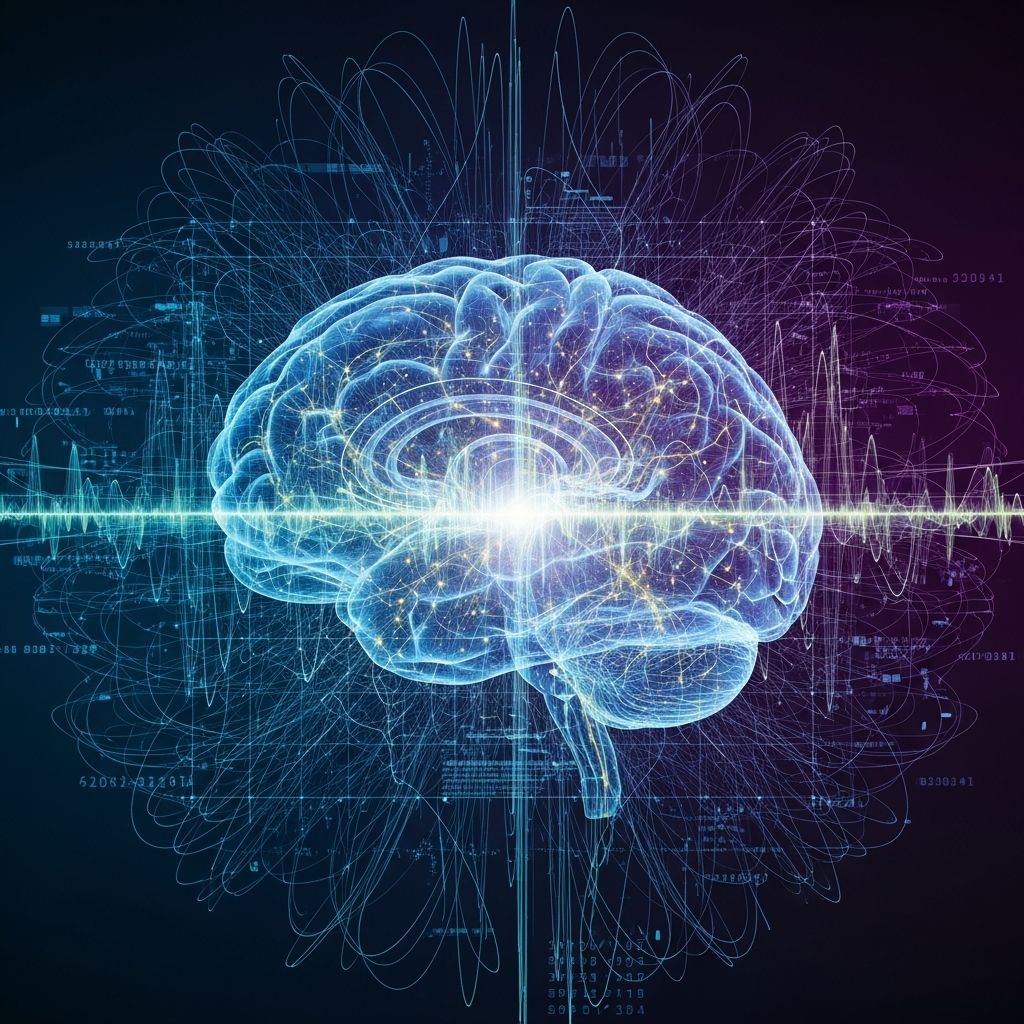
The human brain represents one of the most complex biological systems known to science, containing billions of neurons that continuously generate electrical activity. Understanding the dynamics of this neural activity is fundamental to advancing neuroscience research, clinical diagnostics, and innovative therapeutic applications. Electroencephalography (EEG) has emerged as a powerful, non-invasive technique for measuring and analyzing the electrical activity generated by the brain. This technology provides researchers and clinicians with real-time insights into brain function, enabling them to study cognitive processes, neurological disorders, and the potential of brain-computer interfaces (BCIs).
Fundamentals of EEG Technology
Electroencephalography represents a cornerstone technology in neuroscience research and clinical practice. At its core, EEG measures the electrical potentials generated by large populations of neurons firing simultaneously across different regions of the brain. When neurons communicate through synaptic transmission, they generate electrical currents that can be detected and amplified by sensitive electrodes placed on the scalp.
How EEG Works
The EEG system operates on a relatively straightforward principle: electrodes positioned strategically on the scalp detect minute voltage fluctuations produced by neural activity. These signals, typically measured in microvolts, are amplified and digitally recorded to create a continuous representation of brain electrical activity. Multiple electrodes allow researchers to obtain spatial information about where specific types of brain activity are occurring, creating a more comprehensive picture of neural dynamics than single-point measurements could provide.
Neural Basis of EEG Signals
The billions of neurons within the human brain operate through electrical and chemical signaling mechanisms. When individual neurons fire action potentials, they generate localized electrical fields. While single neurons produce signals too small to detect externally, the synchronized firing of thousands or millions of neurons creates electrical potentials substantial enough for EEG electrodes to record. This synchronization is critical to EEG detection; desynchronized neural activity produces noise rather than interpretable signals, which is why EEG predominantly reflects organized, coordinated neural processes rather than random individual neuron firings.
Why Perform Human Brain Mapping?
Human brain mapping serves multiple critical purposes across research, clinical, and applied domains. Understanding why neuroscientists and clinicians invest significant resources in brain mapping provides context for the importance of EEG technology and related neuroimaging approaches.
Research Applications
In research settings, brain mapping enables scientists to investigate fundamental questions about how the brain processes information, makes decisions, learns new information, and generates conscious experiences. By observing which brain regions activate during specific tasks or mental states, researchers can develop more accurate models of brain function and test hypotheses about the neural basis of behavior and cognition.
Clinical Diagnostic Value
Brain mapping has substantial clinical applications in diagnosing and monitoring neurological and psychiatric conditions. EEG is particularly valuable for detecting seizure disorders, sleep disturbances, and certain types of brain injuries. The technology provides rapid, cost-effective assessment of brain electrical activity without exposing patients to radiation or requiring invasive procedures, making it ideal for both acute clinical assessment and long-term monitoring.
Related Stories



Therapeutic Development
Understanding brain dynamics through mapping techniques facilitates the development of novel treatments for neurological and psychiatric disorders. By identifying abnormal brain activity patterns associated with specific conditions, researchers can design targeted interventions and assess their effectiveness by monitoring changes in brain electrical activity. This approach has proven particularly valuable in developing neurofeedback and brain-computer interface technologies.
Multimodal Functional Neuroimaging Approaches
While EEG provides excellent temporal resolution for tracking rapid changes in brain activity, modern neuroscience increasingly combines EEG with complementary neuroimaging techniques to obtain a more complete understanding of brain dynamics. Multimodal approaches leverage the unique strengths of each technology while compensating for individual limitations.
Combining EEG with Other Modalities
Contemporary neuroscience research frequently integrates EEG with functional magnetic resonance imaging (fMRI), magnetoencephalography (MEG), or other neuroimaging methods. While fMRI provides superior spatial resolution, showing precise anatomical locations of brain activity, EEG captures millisecond-level temporal dynamics that fMRI cannot resolve. By combining these modalities, researchers obtain both precise anatomical localization and detailed temporal information about brain processes. This multimodal approach has proven particularly valuable for understanding cognitive processes that unfold over very brief time periods, such as decision-making or attention switching.
Real-Time Neuroimaging Advantages
One significant advantage of EEG-based approaches in multimodal neuroimaging is their ability to provide real-time feedback. Unlike some neuroimaging techniques that require post-hoc analysis, EEG signals can be processed and displayed instantaneously, enabling researchers to observe brain activity as it occurs and immediately adjust experimental parameters based on observed neural responses.
Brain-Computer Interfaces and Practical Applications
Among the most exciting applications of brain mapping technology is the development of brain-computer interfaces (BCIs), which translate brain electrical activity into commands that control external devices. BCIs represent a convergence of neuroscience, engineering, and clinical innovation, with applications ranging from assistive technology for individuals with paralysis to performance enhancement in healthy populations.
Controlling Virtual and Physical Devices
Research has demonstrated that individuals can learn to control virtual environments and physical robotic systems through BCI systems trained on EEG signals. In experimental settings, subjects can navigate virtual helicopters, manipulate robotic arms, or control other devices by modulating their brain electrical activity patterns. These demonstrations prove that the brain can establish new functional connections with external devices, essentially extending human cognitive and motor capabilities beyond the biological body.
Clinical BCI Applications
For individuals with severe motor disabilities resulting from spinal cord injuries, stroke, or neurodegenerative diseases, BCIs offer potential pathways to regain communication and environmental control. BCIs can translate intended movements detected through brain signals into commands that control prosthetic limbs, wheelchair propulsion, or communication devices. While clinical BCI applications remain largely in research phases, promising results suggest that BCIs will eventually provide meaningful functional restoration for affected populations.
Mind-Body Awareness and BCI Performance
Research on brain-computer interfaces has revealed important connections between mind-body awareness and BCI performance. Individuals who possess greater awareness of their own physiological and psychological states, cultivated through practices such as mindfulness meditation or body-awareness training, tend to achieve superior BCI control performance. This finding highlights the importance of mental training and psychological factors in optimizing human-machine interaction through brain signals.
Enhancement Through Awareness Training
Mind-body awareness training, including mindfulness-based approaches and somatic awareness practices, has been shown to improve the ability of individuals to modulate their own brain electrical activity in ways that generate more effective BCI control signals. This suggests that cognitive and psychological preparation can substantially enhance the practical utility of brain-computer interface technology, opening possibilities for training protocols that could maximize BCI effectiveness in clinical and assistive applications.
Key Advantages and Limitations of EEG
Strengths of EEG Technology
Electroencephalography offers several compelling advantages that have sustained its prominence in neuroscience and clinical practice. The technology provides exceptional temporal resolution, capable of detecting brain electrical changes occurring within milliseconds, far exceeding the temporal capability of slower neuroimaging techniques. EEG equipment is relatively portable, non-invasive, and cost-effective compared to alternatives like fMRI or PET imaging. Additionally, EEG can be performed repeatedly without radiation exposure or significant patient burden, making it suitable for longitudinal studies and clinical monitoring. Real-time signal processing capabilities enable immediate feedback and adaptive experimental designs.
Limitations and Considerations
Despite its advantages, EEG has important limitations that researchers must consider. Spatial resolution is relatively poor; while EEG can identify general brain regions involved in activity, it cannot localize neural sources with the precision that fMRI achieves. Signal quality can be compromised by electrical noise from environmental sources and muscle artifacts. The electrical signals recorded at the scalp represent summated activity from millions of neurons, making it impossible to identify single-cell activity or highly focal neural events. Additionally, interpreting EEG signals requires sophisticated signal processing and statistical analysis techniques.
Future Directions in Brain Mapping Research
The field of brain mapping continues to evolve rapidly, with emerging technologies and methodological innovations promising even more sophisticated understanding of brain dynamics. Advances in electrode design, signal processing algorithms, and machine learning applications are expanding EEG’s capabilities. Hybrid systems combining EEG with complementary neuroimaging modalities offer increasingly comprehensive views of brain function across spatial and temporal scales. These developments will likely enhance clinical diagnostic accuracy, improve brain-computer interface performance, and deepen our fundamental understanding of how neural systems generate behavior and cognition.
Frequently Asked Questions
Q: What does EEG stand for and what does it measure?
A: EEG stands for electroencephalography. It measures the electrical activity generated by neurons in the brain through electrodes placed on the scalp. The technique detects voltage fluctuations produced by synchronized neural firing, providing a continuous record of brain electrical dynamics.
Q: How many neurons must fire simultaneously for EEG to detect activity?
A: While individual neurons generate electrical signals too small for external detection, EEG requires the synchronized firing of thousands to millions of neurons to produce recordable signals. This is why EEG primarily captures organized, coordinated neural activity rather than random individual neuron firings.
Q: What advantages does EEG offer over other neuroimaging techniques?
A: EEG provides superior temporal resolution (millisecond-level), is non-invasive and radiation-free, portable, cost-effective, and allows real-time signal processing. These characteristics make EEG particularly valuable for studying rapid brain processes and clinical applications.
Q: How can brain-computer interfaces help people with disabilities?
A: BCIs can translate brain electrical signals into commands that control external devices such as prosthetic limbs, wheelchairs, or communication systems. This technology offers potential pathways for individuals with severe motor disabilities to regain function and independence.
Q: Does mind-body awareness training improve BCI performance?
A: Yes, research indicates that individuals with greater mind-body awareness, cultivated through practices like mindfulness meditation, achieve superior BCI control performance. This suggests that psychological and mental training can optimize brain-computer interface effectiveness.
Q: What is multimodal neuroimaging and why is it useful?
A: Multimodal neuroimaging combines EEG with complementary techniques like fMRI to leverage each method’s strengths. While fMRI provides precise anatomical localization, EEG offers temporal resolution, resulting in comprehensive understanding of both where and when brain activity occurs.
Conclusion
Electroencephalography represents a transformative technology in contemporary neuroscience, enabling researchers and clinicians to map the dynamic electrical activity that underlies brain function. From investigating fundamental cognitive processes to developing innovative brain-computer interfaces, EEG continues to drive advances in our understanding of the human brain. While the technology has inherent limitations, ongoing methodological innovations and integration with complementary neuroimaging approaches promise even more sophisticated capabilities. As research continues to reveal the remarkable plasticity and adaptability of the human brain, EEG will remain central to unlocking the mysteries of neural function and developing therapeutic interventions for neurological and psychiatric conditions.
References
- Online Continuing Education Series — National Center for Complementary and Integrative Health (NCCIH), NIH. 2024. https://www.nccih.nih.gov/training/videolectures
- Using EEG to Map Brain Dynamics — National Center for Complementary and Integrative Health (NCCIH), NIH. 2024. https://www.nccih.nih.gov/training/videolectures/16/2
- Video Library for Researchers — National Center for Complementary and Integrative Health (NCCIH), NIH. 2024. https://www.nccih.nih.gov/grants/videos
- A Call to Protect the Nation’s Investment in Integrative and Complementary Health Practices and Research — National Center for Complementary and Integrative Health (NCCIH), NIH. Published in PubMed Central. 2024. https://pmc.ncbi.nlm.nih.gov/articles/PMC12489201/
Similar Articles








Read full bio of medha deb