Using Food to Stay Hydrated: Beyond Water
Discover how water-rich foods complement your hydration strategy for optimal health.
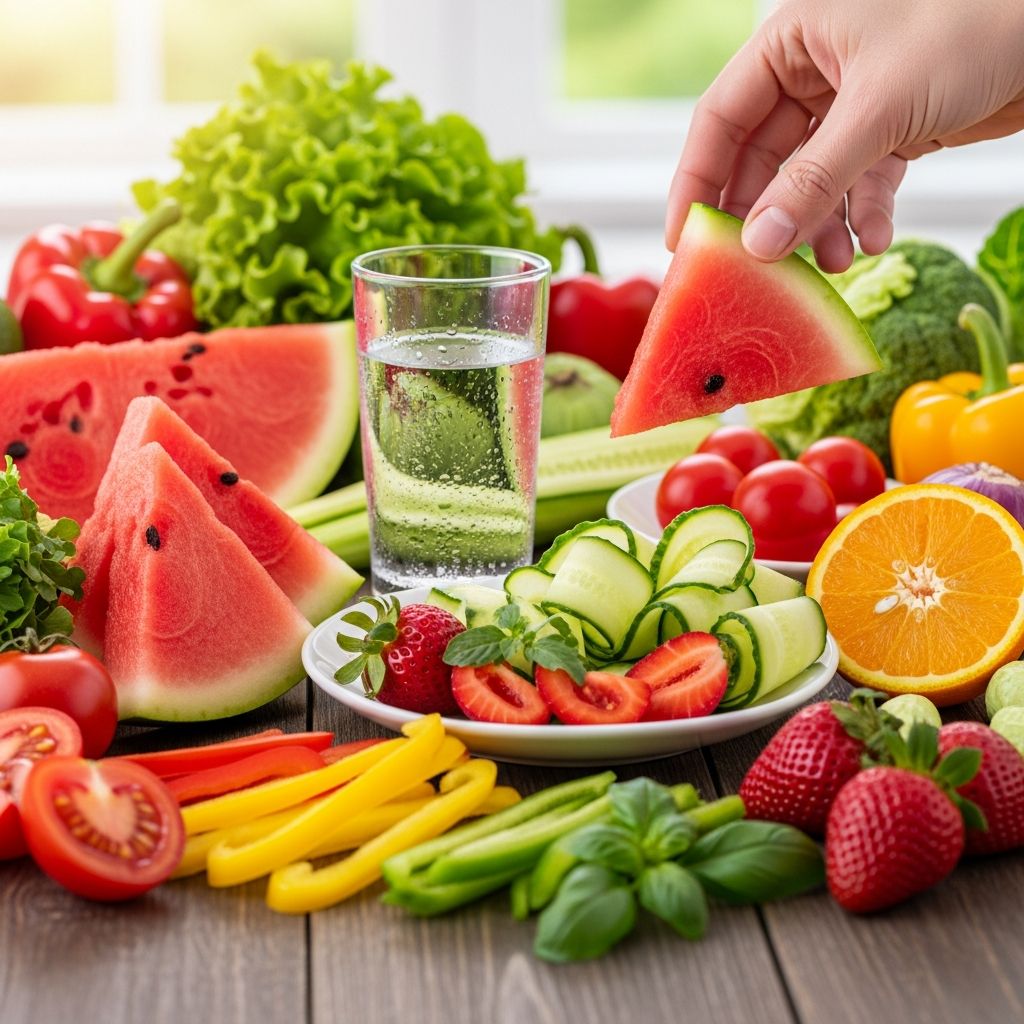
While drinking water is the most straightforward way to meet your daily hydration needs, many people don’t realize that a significant portion of their fluid intake comes from the foods they eat. Approximately 22% of the average person’s daily water intake comes from food sources, though this percentage varies considerably depending on dietary choices and geographic region. In countries with higher consumption of fruits and vegetables, such as Greece and South Korea, the contribution from food-based water can be substantially higher. Understanding how to use food strategically to stay hydrated can help you meet your fluid requirements more easily and enjoyably.
Why Food-Based Hydration Matters
Proper hydration is essential for numerous bodily functions. Drinking enough water each day is crucial for regulating body temperature, keeping joints lubricated, preventing infections, delivering nutrients to cells, and ensuring organs function properly. Additionally, being well-hydrated improves sleep quality, cognition, and mood. However, relying solely on beverages can be challenging for many people who have busy schedules or forget to drink throughout the day. Incorporating water-rich foods into your meals and snacks provides a convenient way to boost your hydration status while simultaneously gaining additional nutritional benefits.
Beyond basic hydration, water-rich foods contain vitamins, minerals, fiber, and other beneficial compounds that plain water alone cannot provide. This makes food-based hydration particularly valuable for overall health and wellness.
Water Content in Common Foods
Different foods contain varying amounts of water. Understanding which foods are hydrating can help you make informed dietary choices. The following breakdown shows water content ranges across commonly consumed foods:
| Water Content Range | Food Examples |
|---|---|
| 90–99% | Fat-free milk, cantaloupe, strawberries, watermelon, lettuce, cabbage, celery, spinach, pickles, cooked squash |
| 80–89% | Fruit juice, yogurt, apples, grapes, oranges, carrots, cooked broccoli, pears, pineapple |
| 70–79% | Bananas, avocados, cottage cheese, ricotta cheese, baked potato, cooked corn, shrimp |
| 60–69% | Pasta, legumes, salmon, ice cream, chicken breast |
| 50–59% | Ground beef, hot dogs, feta cheese, cooked tenderloin steak |
| 40–49% | Pizza |
| 30–39% | Cheddar cheese, bagels, bread |
| 20–29% | Pepperoni sausage, cake, biscuits |
| 10–19% | Butter, margarine, raisins |
| 1–9% | Walnuts, dry roasted peanuts, chocolate chip cookies, crackers, cereals, pretzels, taco shells, peanut butter |
Top Hydrating Foods to Include in Your Diet
Fruits and Vegetables
Fruits and vegetables are among the most hydrating foods available. Watermelon, cantaloupe, strawberries, and lettuce are exceptional choices, containing 90% or more water. These foods not only hydrate but also provide essential vitamins, minerals, and fiber. Incorporating fruits like berries, grapes, and oranges, along with vegetables such as cucumbers, tomatoes, and bell peppers, into your daily meals is an effective way to boost your fluid intake while enjoying varied, nutritious options.
Soups and Broths
Soups are excellent hydration vehicles, combining water with nutrients from vegetables, proteins, and other ingredients. Both clear broths and hearty vegetable soups contribute significantly to daily fluid intake while providing satiety and nutritional value. Consuming soup regularly can help ensure adequate hydration, particularly during cooler months when you might be less inclined to drink cold beverages.
Dairy and Dairy Alternatives
Fat-free milk and unsweetened milk alternatives contain substantial water content, ranging from 80% to 90% water in many cases. These beverages provide hydration along with essential nutrients like calcium and protein. However, when choosing milk alternatives, opt for unsweetened varieties to avoid excess added sugars.
Proteins with High Water Content
Certain protein sources contribute more to hydration than others. Shrimp, salmon, and chicken breast contain 60–79% water and can be valuable components of a hydrating diet. These foods provide both hydration and important nutrients like omega-3 fatty acids and B vitamins.
Daily Hydration Recommendations
Medical experts recommend specific daily fluid intake targets. According to Harvard Health, the average woman should drink roughly 11 cups of water per day, while the average man should aim for about 16 cups. However, not all of these cups need to come from plain water; flavored waters infused with fruits or vegetables, coffee, and tea can contribute to meeting these targets.
Related Stories



Alternatively, some sources recommend 30 to 50 ounces of fluids daily, though individual needs vary based on age, sex, pregnancy status, activity level, and other factors. Your body needs more water when you are in hot climates, physically active, running a fever, or experiencing diarrhea or vomiting.
Beverage Choices and Hydration
While staying hydrated is important, the type of beverages you consume matters significantly. Water remains the healthiest choice for hydration, as it contains no calories. However, according to experts at Harvard School of Public Health, Americans should be cautious about sugar-sweetened beverages. Many people are “malhydrated” because they consume sodas, fruit juices, and other sugar-sweetened drinks that harm health. Even energy drinks and vitamin waters are often loaded with sugar and provide minimal health benefits.
Instead, consider these healthier beverage options:
- Plain coffee or tea
- Sparkling water or seltzers
- Water infused with lemon, lime, or cucumber slices
- Water flavored with berries or other fruits
- Low-fat or fat-free milk
- 100% fruit or vegetable juice in moderation
Strategies for Incorporating More Hydrating Foods
Meal Planning
Make water-rich foods a central component of your meals. Build meals around fruits and vegetables, ensuring at least half your plate contains hydrating options. For breakfast, consider adding berries to yogurt. For lunch, choose salads with lettuce, cucumbers, and tomatoes. For dinner, include vegetable-based soups or sides.
Snacking Smart
Replace high-calorie, low-water snacks with hydrating alternatives. Instead of crackers or chips, reach for watermelon, grapes, or carrot sticks. These snacks provide hydration without excessive calories, making them particularly beneficial if you’re managing your weight.
Seasonal Eating
Take advantage of seasonal fruits and vegetables in your area. In summer, enjoy watermelon, cantaloupe, and berries. In other seasons, prioritize vegetables like leafy greens, cucumbers, and tomatoes, which remain hydrating year-round.
Practical Tips for Daily Hydration
- Carry a reusable water bottle with you throughout the day
- Serve water during meals to remind yourself to drink
- Add wedges of lime or lemon to your water for flavor
- Consume fruits and vegetables at every meal and snack
- Choose water over sugary drinks when eating out
- Eat soups and broths regularly
- Keep hydrating snacks readily available
Special Hydration Considerations
Physical Activity and Heat
When you exercise or spend time in hot climates, your hydration needs increase significantly. In these situations, both water intake through beverages and hydrating foods become more important. Consuming water-rich foods before, during, and after physical activity can help maintain optimal hydration status.
Pregnancy and Breastfeeding
Women who are pregnant or breastfeeding require additional fluids beyond standard recommendations. These women should increase their intake of both plain water and water-rich foods to meet heightened hydration needs.
Age and Individual Factors
Hydration needs vary by age, sex, and individual circumstances. Children may have different requirements than adults, and older adults sometimes need to be reminded to drink enough fluids. Consulting with a healthcare provider can help determine your specific hydration goals.
Water Intake and Weight Management
Interestingly, water consumption is linked with reduced energy intake, particularly when water replaces sugar-sweetened beverages, juice, or milk. By incorporating more water-rich foods into your diet, you can naturally reduce overall calorie consumption while staying hydrated. Additionally, some research suggests that cold water may slightly increase metabolism and contribute to modest weight loss by requiring your body to expend energy to warm it.
The Connection Between Food Water and Nutrient Delivery
Water in food helps transport nutrients to your cells and supports various bodily functions. Fluids carry essential nutrients throughout your system, ensuring that vitamins and minerals reach where they’re needed most. This is one reason why hydrating foods are superior to water alone—they provide both hydration and nutritional support.
Making Hydration a Lifestyle
Many people recognize the importance of staying hydrated but struggle with consistent fluid intake due to busy schedules. By making water-rich foods a dietary staple, you create a more sustainable approach to hydration. This strategy requires less conscious effort—you don’t need to remember to drink constantly if you’re regularly consuming hydrating foods throughout the day.
Frequently Asked Questions
Q: What percentage of daily water intake comes from food?
A: Approximately 22% of the average person’s daily water intake comes from food sources in the United States, though this can be significantly higher in countries with greater fruit and vegetable consumption.
Q: Which foods have the highest water content?
A: Watermelon, cantaloupe, strawberries, lettuce, spinach, and celery contain 90–99% water, making them among the most hydrating foods available.
Q: Can I meet my hydration needs through food alone?
A: While food contributes significantly to hydration, most people still need to drink beverages to meet daily fluid requirements. A combination of water, other beverages, and water-rich foods provides the most balanced approach.
Q: Are there foods I should avoid for hydration purposes?
A: Foods very low in water content, such as nuts, crackers, cereals, and baked goods (1–10% water), contribute minimally to hydration. Additionally, avoid sugary beverages and processed foods high in sodium, which can negatively impact hydration status.
Q: How does water in food differ from drinking water?
A: Water consumed through food comes packaged with vitamins, minerals, fiber, and other beneficial compounds, providing additional nutritional value beyond simple hydration.
Q: Should I drink water with meals?
A: Yes, serving water during meals is a practical way to increase overall fluid intake while also supporting digestion and nutrient absorption.
References
- Water, Hydration and Health — Barry M. Popkin, National Center for Biotechnology Information (NCBI/PubMed Central). 2010-07-15. https://pmc.ncbi.nlm.nih.gov/articles/PMC2908954/
- The Importance of Hydration — Harvard T.H. Chan School of Public Health. 2017-09-28. https://hsph.harvard.edu/news/the-importance-of-hydration/
- About Water and Healthier Drinks — Centers for Disease Control and Prevention (CDC). 2024-01-01. https://www.cdc.gov/healthy-weight-growth/water-healthy-drinks/index.html
- Drinking Water and Hydration — CBS News New York, University Hospitals Case Medical Center. 2023-06-15. https://www.cbsnews.com/newyork/news/drinking-water-summer/
- Metabolism-Boosting Hacks: Cold Water and Health — Dr. William Li, Harvard-trained physician and author. 2025-01-17. https://www.hindustantimes.com/lifestyle/health/harvard-trained-physician-shares-top-4-metabolism-boosting-hacks-can-drinking-cold-water-actually-help-you-burn-fat-101750913080115.html
Similar Articles








Read full bio of Sneha Tete