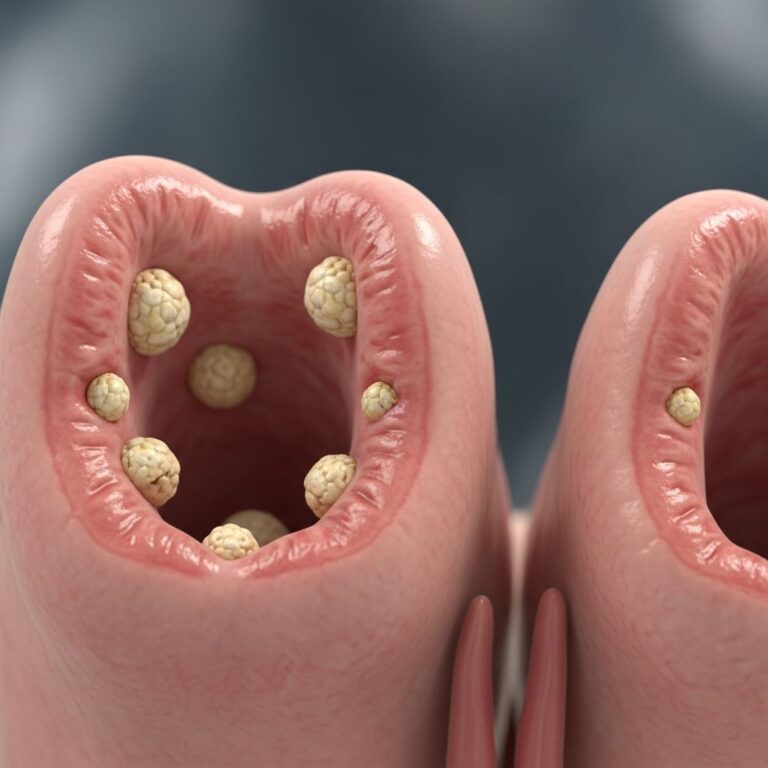
Uterine Artery Embolization: Treatment for Fibroids
Minimally invasive procedure to treat uterine fibroids and adenomyosis effectively.
Uterine Artery Embolization: A Minimally Invasive Treatment Option
Uterine artery embolization (UAE), also known as uterine fibroid embolization (UFE), represents a significant advancement in the treatment of uterine fibroids and adenomyosis. This innovative minimally invasive procedure offers patients an alternative to traditional surgical interventions, preserving the uterus while effectively managing symptoms associated with these common gynecological conditions. The procedure has gained widespread recognition among medical professionals as a safe and effective solution for women seeking symptom relief without undergoing hysterectomy or other invasive surgical procedures.
Understanding Uterine Artery Embolization
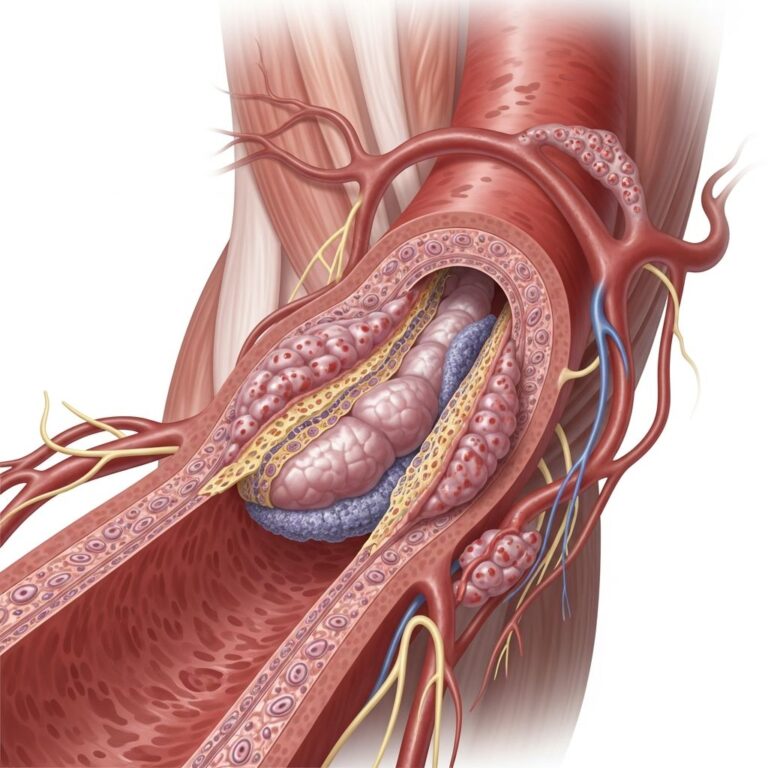
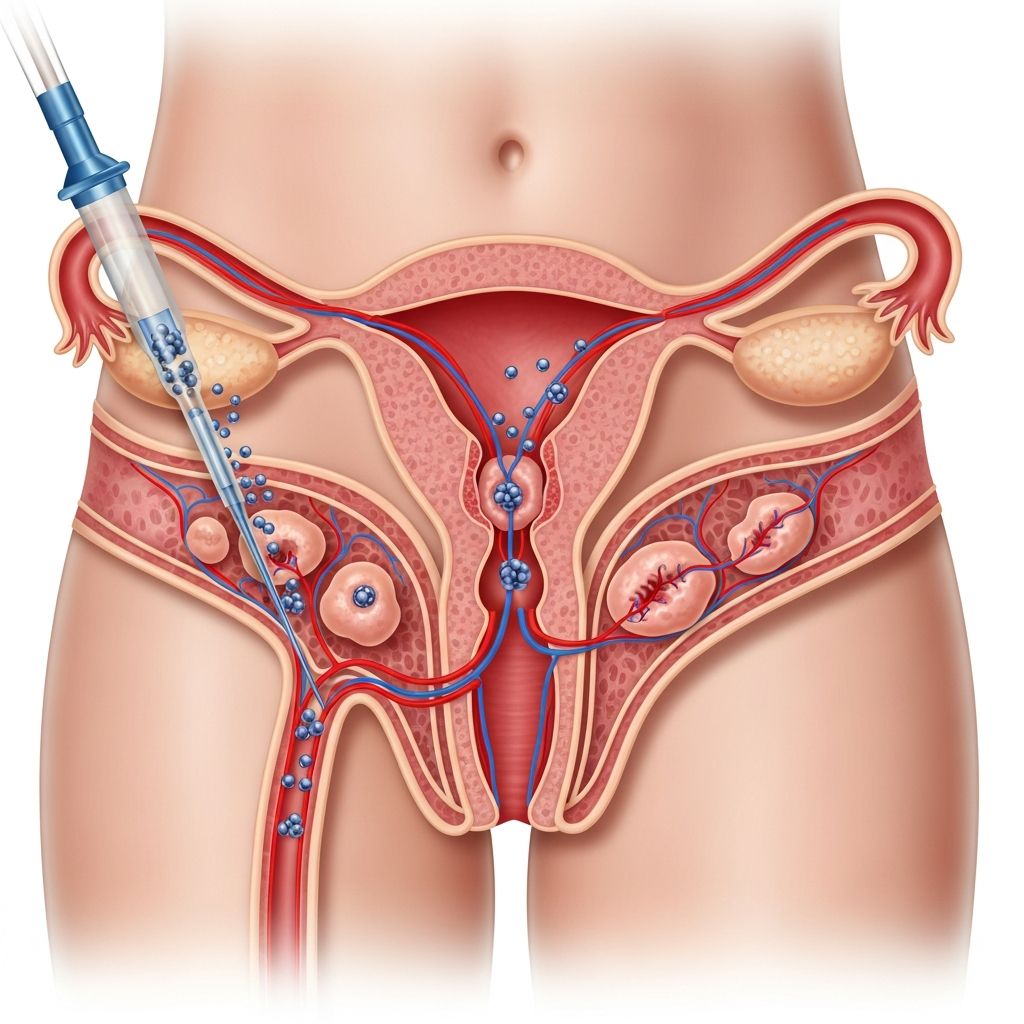
Uterine artery embolization is a catheter-based procedure performed by a specially trained interventional radiologist. During UAE, a thin tube called a catheter is carefully threaded through the arteries to reach the blood vessels supplying the uterine fibroids or adenomyotic tissue. The procedure works by delivering small particles, known as embolic beads or spheres, into these targeted blood vessels. These particles effectively block the blood supply to the problematic tissue, causing fibroids to shrink and adenomyotic lesions to diminish over time.
The beauty of this approach lies in its minimally invasive nature. Unlike traditional surgical procedures that require large incisions and general anesthesia, UAE requires only a small puncture wound, typically made in the groin or wrist. This fundamental difference translates to shorter recovery times, reduced pain, and fewer complications for patients who choose this treatment option.
Conditions Treated with Uterine Artery Embolization
While UAE is primarily used to treat symptomatic uterine fibroids, its applications extend beyond fibroid management:
- Symptomatic uterine fibroids causing heavy menstrual bleeding, pelvic pain, or pressure symptoms
- Adenomyosis, a condition where tissue similar to the uterine lining grows within the uterine muscle
- Postpartum hemorrhage in emergency situations
- Gynecological malignancies
- Other uterine-related conditions causing abnormal bleeding
The versatility of UAE makes it an attractive option for women with various gynecological conditions seeking symptom relief while maintaining their reproductive organs.
The Uterine Artery Embolization Procedure: Step-by-Step
Understanding what happens during UAE can help patients feel more prepared and comfortable with their treatment decision. The procedure typically takes less than one hour to complete and is performed in a specialized imaging suite called an angiosuite.
Pre-Procedure Preparation
Before undergoing UAE, patients receive detailed instructions regarding fasting and medication adjustments. Most patients are advised to fast for several hours prior to the procedure. Additionally, pre-procedure imaging, such as magnetic resonance imaging (MRI), is typically performed to help the interventional radiologist plan the exact approach and identify all fibroids or adenomyotic areas requiring treatment.
During the Procedure
Once in the angiosuite, patients receive conscious sedation, which relaxes them while keeping them awake and able to communicate with medical staff. A local anesthetic is applied to the skin at the access point, either in the groin (femoral artery) or wrist (radial artery), ensuring comfort during the procedure.
Related Stories



The interventional radiologist makes a small incision and uses the Seldinger technique to access the chosen artery with a needle. A thin catheter is then introduced and carefully guided through the arterial system using real-time fluoroscopic imaging—similar to continuous X-ray guidance—to reach the uterine arteries.
Once the catheter is positioned at the uterine artery, an angiogram with contrast dye is performed to confirm accurate placement and identify all the blood vessels supplying the fibroids or adenomyotic tissue. The interventional radiologist then injects the embolic material through the catheter. These tiny microspheres, which are more than 60 times larger than red blood cells, travel through the blood vessels and lodge in the small arteries feeding the targeted tissue, effectively blocking blood flow.
An important aspect of the procedure is that both the left and right uterine arteries are typically embolized. This bilateral approach is crucial because unilateral (one-sided) embolization carries a high risk of treatment failure, as the fibroids could continue to receive blood supply from the opposite side. Multiple fibroids can be treated during a single procedure through the same small incision.
After the Procedure
Following the embolization, the catheter is carefully removed, and the small incision is typically closed with a bandage rather than stitches. Most patients experience minimal discomfort at the puncture site.
How Uterine Artery Embolization Works
The mechanism of action behind UAE’s effectiveness is straightforward yet powerful. By blocking the blood supply to uterine fibroids, the embolic material cuts off the oxygen and nutrients these tumors need to survive and grow. Without adequate blood flow, the fibroids undergo ischemia—tissue death—and gradually shrink over several weeks to months following the procedure.
In cases of adenomyosis, the blocked blood vessels displace the adenomyotic tissue, reducing pain and abnormal bleeding associated with this condition. The body’s natural healing processes then work to eliminate the damaged tissue, leading to symptom improvement without requiring removal of the uterus itself.
Importantly, the embolic material remains permanently within the blood vessels at the treatment site, ensuring long-term blockade of blood supply to the treated tissue. Meanwhile, blood circulation is preserved throughout the rest of the pelvis as it recirculates through other available arterial pathways.
Recovery and Timeline
One of the most appealing aspects of uterine artery embolization is the relatively quick recovery compared to traditional surgical alternatives. Most procedures are performed on an outpatient basis, meaning patients can return home the same day or after an overnight stay for pain management.
The recovery process unfolds as follows:
- Days 1-2: Mild to moderate cramping and discomfort at the puncture site are typical
- Weeks 1-2: Gradual reduction in symptoms; most patients can resume light activities
- Weeks 2-4: Continued improvement; return to normal activities as tolerated
- Weeks 4-12: Fibroids continue shrinking as blood flow remains blocked
- 1-3 months: Follow-up appointments with the interventional radiologist to assess progress
A follow-up MRI is typically performed 1-3 months after the procedure to confirm that fibroids have shrunk from their pre-procedure size. Most patients experience significant symptom improvement within the first few weeks, with continued benefits as the fibroids continue to involute over subsequent months.
Benefits of Uterine Artery Embolization
UAE offers numerous advantages over traditional surgical approaches:
| Aspect | Uterine Artery Embolization | Traditional Surgery (Hysterectomy) |
|---|---|---|
| Uterus Preservation | Yes – uterus remains intact | No – uterus is removed |
| Incision Size | Tiny puncture wound (3-5mm) | Large surgical incision (4-6 inches) |
| Anesthesia | Conscious sedation | General anesthesia required |
| Recovery Time | Days to 1-2 weeks | 4-6 weeks or longer |
| Hospital Stay | Outpatient or overnight | 1-3 days typical |
| Return to Work | 1-2 weeks | 3-6 weeks |
| Complications | Minimal and typically minor | Higher risk of infection, bleeding |
Potential Risks and Considerations
While uterine artery embolization is generally considered safe, like all medical procedures, it carries some potential risks and considerations:
- Minor puncture site bruising or soreness
- Cramping and pelvic discomfort during recovery
- Rare allergic reactions to contrast material
- Infection at the puncture site
- Very rare arterial dissection or other vascular complications
- Potential impact on future fertility (though many women maintain reproductive capacity)
- Possible continued fibroid growth in a small percentage of cases
Most complications are minor and resolve without intervention. Serious complications are rare when the procedure is performed by experienced interventional radiologists at accredited facilities. Patients should discuss individual risk factors with their healthcare provider prior to treatment.
Patient Selection and Candidacy
Not all patients with uterine fibroids are ideal candidates for uterine artery embolization. Ideal candidates typically include women who:
- Have symptomatic uterine fibroids causing bleeding, pain, or pressure symptoms
- Wish to preserve their uterus
- Desire faster recovery compared to surgical alternatives
- Have completed childbearing or wish to maintain fertility options
- Are in good overall health without contraindications to the procedure
- Have adequate renal function (to tolerate contrast material)
Conversely, women who may not be suitable candidates include those with active infections, severe iodine allergies, severely compromised renal function, or certain vascular abnormalities. A thorough evaluation by an interventional radiologist and gynecologist helps determine whether UAE is the right choice for individual patients.
Comparing Uterine Artery Embolization with Other Treatments
Women with uterine fibroids have several treatment options available, each with distinct advantages and disadvantages. Understanding how UAE compares to alternatives helps patients make informed decisions:
UAE vs. Hysterectomy
Hysterectomy is the definitive treatment for uterine fibroids but involves removal of the uterus. UAE preserves the uterus while providing symptom relief, making it attractive for women who wish to maintain their reproductive organs.
UAE vs. Myomectomy
Myomectomy surgically removes individual fibroids while preserving the uterus. However, it requires larger incisions, general anesthesia, and longer recovery. UAE is less invasive but may not permanently prevent fibroid recurrence.
UAE vs. Medical Management
Hormonal medications and other conservative treatments can help manage fibroid symptoms but don’t address the fibroids themselves. UAE provides definitive fibroid reduction in a single procedure.
Frequently Asked Questions About Uterine Artery Embolization
Q: Will I be able to have children after uterine artery embolization?
A: Many women retain their fertility after UAE. While pregnancy is possible, it’s important to discuss family planning goals with your healthcare team before the procedure, as there may be specific considerations for pregnancy after UAE.
Q: How long do the results of UAE last?
A: Most women experience long-lasting symptom relief. While fibroids may occasionally regrow in a small percentage of cases, typically within 5-10% of patients, the results are generally durable for many years.
Q: What should I expect regarding pain during recovery?
A: Most patients experience mild to moderate cramping and discomfort, similar to severe menstrual cramps. Pain management medications are typically prescribed, and most patients report manageable discomfort that resolves within days to a week.
Q: Can UAE be performed for all fibroid sizes and locations?
A: UAE is effective for most fibroids; however, very large or unusually positioned fibroids may sometimes require alternative approaches. A pre-procedure MRI helps determine suitability for all fibroids present.
Q: How soon can I return to normal activities?
A: Most patients can resume light activities within a few days and return to normal routines within 1-2 weeks, significantly faster than traditional surgical procedures.
Q: Is uterine artery embolization covered by insurance?
A: Many insurance plans cover UAE as a recognized treatment for symptomatic uterine fibroids. Patients should check with their insurance provider regarding coverage and any prior authorization requirements.
Finding a Qualified Interventional Radiologist
The success of uterine artery embolization depends significantly on the experience and expertise of the interventional radiologist performing the procedure. When selecting a provider, consider:
- Board certification in interventional radiology
- Specific experience with uterine artery embolization procedures
- Number of UAE procedures performed annually
- Facility accreditation and safety standards
- Patient testimonials and success rates
- Availability for pre-procedure consultation
Conclusion
Uterine artery embolization represents a significant advancement in minimally invasive gynecological treatment, offering women with symptomatic uterine fibroids and adenomyosis an effective alternative to traditional surgery. By combining cutting-edge interventional radiology techniques with careful patient selection and experienced practitioners, UAE provides rapid symptom relief, preserves the uterus, and enables quick return to normal activities. As technology and techniques continue to evolve, UAE remains an increasingly popular choice for women seeking to address fibroid and adenomyosis-related symptoms while maintaining their quality of life and reproductive potential.
References
- Uterine Fibroid Embolization — National Center for Biotechnology Information (NCBI Bookshelf), National Institutes of Health. 2024. https://www.ncbi.nlm.nih.gov/books/NBK519016/
- Uterine Fibroid Embolization Treatment — University of Kansas Health System. 2024. https://www.kansashealthsystem.com/care/treatments/uterine-fibroid-embolization
- Uterine Artery Embolization — Weill Cornell Medicine, Department of Obstetrics and Gynecology. 2024. https://weillcornell.org/services/obstetrics-and-gynecology/fibroid-and-adenomyosis-program/our-services/uterine-artery-embolization
- Uterine Artery Embolization — MedlinePlus Medical Encyclopedia, U.S. National Library of Medicine. 2024. https://medlineplus.gov/ency/article/007384.htm
- Uterine Fibroid Embolization Treatment — Cleveland Clinic. 2024. https://my.clevelandclinic.org/health/treatments/17954-uterine-artery-embolization
- Uterine Fibroid Embolization — UAB Medicine, University of Alabama at Birmingham. 2024. https://www.uabmedicine.org/specialties/uterine-fibroid-embolization/
- Uterine Artery Embolization — Wikipedia. 2024. https://en.wikipedia.org/wiki/Uterine_artery_embolization
Similar Articles








Read full bio of medha deb