Uterine Cancer Causes: Key Risk Factors And Prevention
Understand the key risk factors and causes of uterine cancer, from obesity and hormones to genetics and lifestyle choices.
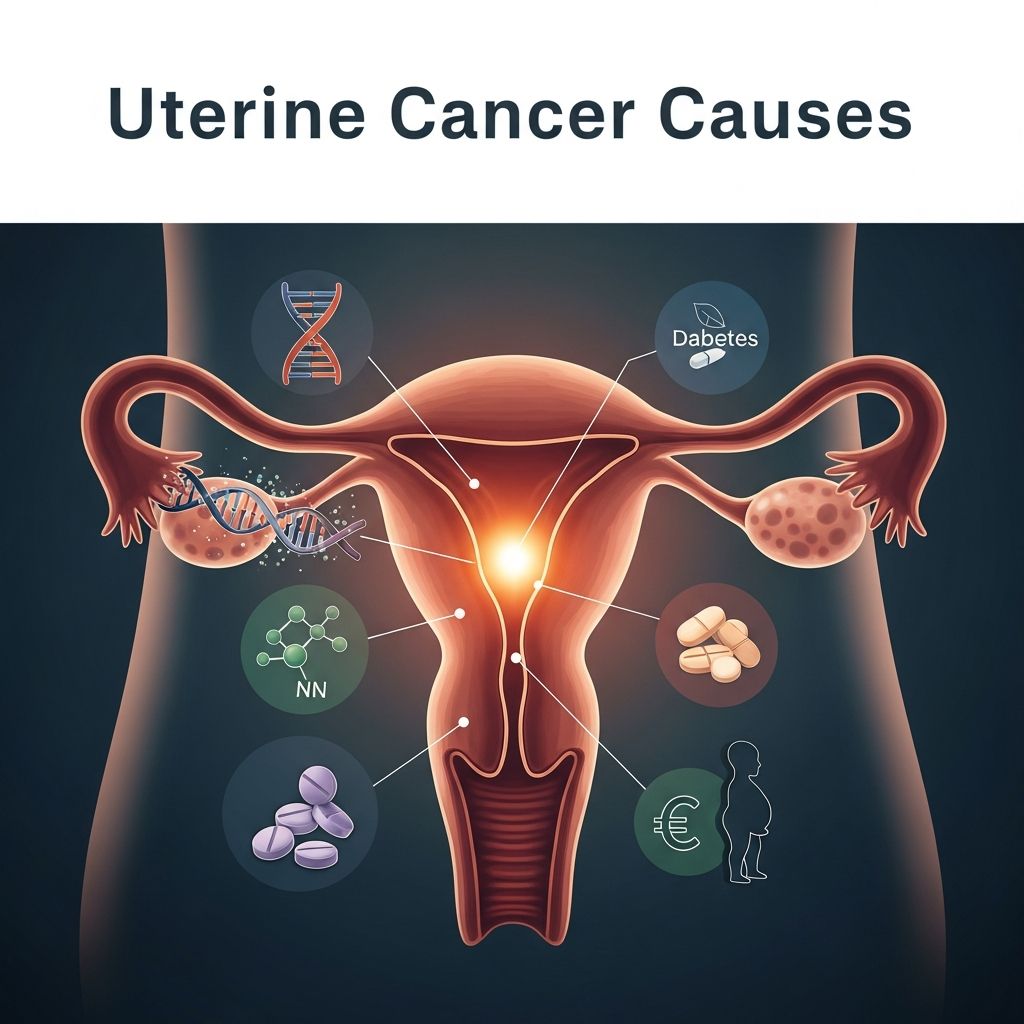
Uterine cancer, primarily endometrial cancer affecting the lining of the uterus, is the most common gynecologic malignancy in developed countries. While the exact cause remains unknown, it arises from DNA mutations in uterine cells leading to uncontrolled growth. Hormonal imbalances, particularly excess estrogen without opposing progesterone, play a central role in most cases.
What Is Uterine Cancer?
Uterine cancer encompasses cancers of the uterus, with
endometrial cancer
accounting for over 90% of cases, originating in the endometrium (inner lining). The remaining are uterine sarcomas from muscle or connective tissue. Endometrial cancers are classified into Type I (estrogen-dependent, ~80%, linked to obesity and metabolic issues) and Type II (non-estrogen related, more aggressive, ~20%). Symptoms often include abnormal vaginal bleeding, especially postmenopausal, leading to early diagnosis in many cases with good prognosis if caught early.Risk increases with age, primarily post-menopause, as prolonged estrogen exposure thickens the endometrial lining, potentially forming tumors. Fat tissue converts hormones to extra estrogen, explaining obesity’s strong link.
Obesity and Uterine Cancer
**Obesity** is the leading modifiable risk factor, driving rising incidence rates. Overweight or obese women face 2-4 times higher risk, as adipose tissue produces excess estrogen, unopposed by progesterone in postmenopausal women. National Cancer Institute data confirms this association, with obesity fueling the epidemic amid increasing rates.
Metabolic syndrome and diabetes exacerbate this; insulin resistance boosts estrogen production and cell growth. Studies show obese women with endometrial cancer often have higher mortality due to comorbidities.
Hormonal Risk Factors
Hormones are pivotal. Estrogen stimulates endometrial growth; without progesterone balance, hyperplasia can progress to cancer. Key factors include:
- Early menarche and late menopause: Extend estrogen exposure lifetime.
- Nulliparity or low parity: Fewer pregnancies mean less progesterone from gestation.
- Unopposed estrogen therapy: Postmenopausal hormone replacement without progesterone raises risk.
- Polycystic ovary syndrome (PCOS): Causes chronic anovulation, leading to estrogen dominance.
Pregnancy is protective, reducing risk by 31% per birth due to progesterone surges.
Reproductive and Gynecologic Factors
Reproductive history influences risk:
- Infertility, especially hormonal, treated with drugs like clomiphene.
- Endometriosis: Estrogen-driven, increases Type I cancer risk.
- Uterine fibroids (leiomyoma): 42% higher risk, stronger if diagnosed young.
- Pelvic inflammatory disease (PID): Inflammation promotes proliferation, though evidence mixed.
Table of Reproductive Risks:
| Factor | Risk Impact | Source |
|---|---|---|
| Nulliparity | Increased | |
| Late first birth (>30) | Increased | |
| Endometriosis | Increased (Type I) | |
| PCOS | Increased |
Genetic and Family History Risks
Hereditary syndromes elevate risk significantly:
- Lynch syndrome (HNPCC): Lifetime risk 13-57%, due to mismatch repair gene mutations.
- Cowden syndrome (PTEN) and Peutz-Jeghers (STK11): 5-10% risk.
- Family history without known mutations: 82% higher risk in first-degree relatives.
Related Stories



BRCA1 may link to serous type, possibly via tamoxifen. Complex endometrial hyperplasia precedes 32.6% of cancers.
Lifestyle and Medical Risk Factors
Lifestyle contributes:
- Diabetes and metabolic syndrome: Promote hyperinsulinemia and estrogen.
- Alcohol consumption: Dose-dependent increase.
- Smoking: Mixed; protective for Type I but increases Type II.
- Diet and inactivity: High-fat, low-fiber diets worsen obesity-related risk.
- Tamoxifen: For breast cancer, raises endometrial risk.
Protective factors: Oral contraceptives (50% risk reduction), physical activity, coffee/tea, NSAIDs.
Racial Disparities in Uterine Cancer
Black women are twice as likely to die from endometrial cancer, often diagnosed with aggressive Type II forms at advanced stages. Factors include access to care, biology, and obesity prevalence, though not fully understood.
Prevention and Risk Reduction
No routine screening exists, but high-risk women benefit from:
- Weight management: Reduces estrogen production.
- Combined hormonal contraceptives or progestins.
- Endometrial biopsy for abnormal bleeding.
- Genetic counseling for syndromes.
Maintaining healthy BMI, exercise, balanced diet, and prompt evaluation of bleeding are key.
Frequently Asked Questions (FAQs)
What causes uterine cancer?
DNA mutations in uterine cells, often driven by excess estrogen from obesity, hormones, or genetics.
Is obesity a major risk for endometrial cancer?
Yes, obese women are 2-4x more likely due to extra estrogen production.
Does hormone therapy cause uterine cancer?
Unopposed estrogen does; always pair with progesterone.
Can uterine cancer be prevented?
Reduce risks via weight control, exercise, and avoiding unopposed estrogens.
Who should get screened for uterine cancer?
Postmenopausal women with bleeding, or those with Lynch syndrome/genetic risks.
Why higher mortality in Black women?
Advanced diagnosis and aggressive subtypes.
References
- Rising Endometrial Cancer Cases — UVA Health. 2023. https://www.uvahealth.com/healthy-balance/rising-endometrial-cancer-cases/
- Risk Factors for Endometrial Cancer in the World — IMR Press, Clinical and Experimental Obstetrics & Gynecology. 2024-07-10. https://www.imrpress.com/journal/CEOG/51/7/10.31083/j.ceog5107169
- Uterine Cancer (Endometrial Cancer): Symptoms & Treatment — Cleveland Clinic. 2024. https://my.clevelandclinic.org/health/diseases/16409-uterine-cancer
- Executive Summary of the Uterine Cancer Evidence Review — NIH, PMC. 2022. https://pmc.ncbi.nlm.nih.gov/articles/PMC8936160/
- Uterine Cancer Causes, Risk Factors and Prevention — Banner Health. 2024. https://www.bannerhealth.com/services/cancer/cancer-type/uterine-cancer/risk-factors-and-prevention
Similar Articles








Read full bio of medha deb