10 Uterine Cancer Symptoms You Should Spot Early
Recognize the early warning signs of uterine cancer, from abnormal bleeding to pelvic pain, and learn when to seek medical help.
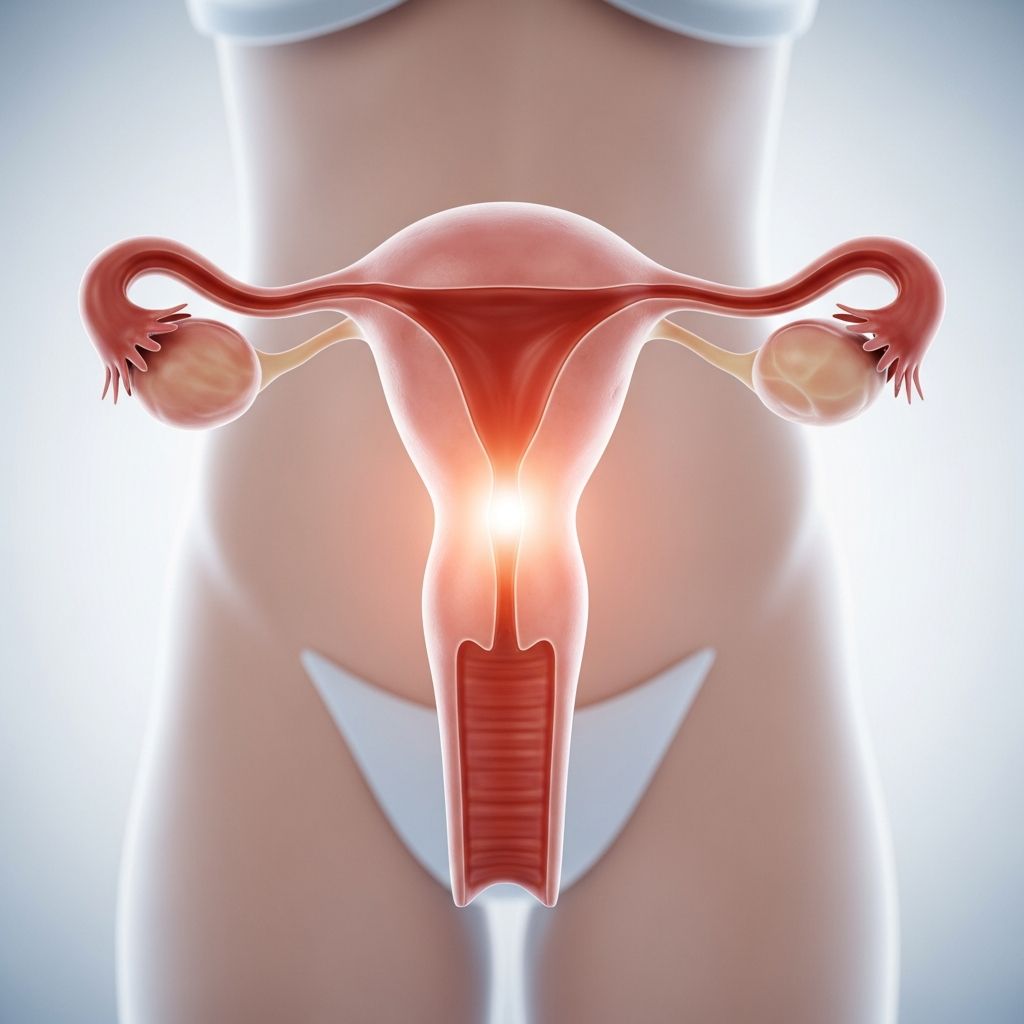
Uterine cancer, primarily endometrial cancer, develops in the lining of the uterus and is most common in women over 50. Early detection through recognizing symptoms like abnormal vaginal bleeding can significantly improve outcomes, as this cancer often presents noticeable signs before advancing.
What Is Uterine Cancer?
Uterine cancer occurs when abnormal cells grow in the endometrium, the inner lining of the uterus. These cells can invade nearby organs or spread via the bloodstream or lymphatic system. It predominantly affects postmenopausal women, with higher incidence among Caucasian women but elevated mortality rates in African-American women.
Endometrial cancer, the most common type, is the second most diagnosed gynecologic cancer worldwide. It forms in the endometrial tissues and is influenced by prolonged estrogen exposure without progesterone balance.
Uterine Cancer Symptoms
The hallmark symptom of uterine cancer is abnormal vaginal bleeding, particularly after menopause. Other signs include:
- Unexpected or abnormal vaginal bleeding after menopause
- Bleeding between periods or changes in menstrual cycles (heavier, longer, or irregular periods)
- Vaginal spotting
- Increased or abnormal vaginal discharge, often watery, bloody, or foul-smelling (reported in 55.4% of cases)
- Pelvic pain or pressure
- Pain during intercourse
- Unintentional weight loss
- Feeling of a pelvic mass or lump
- Changes in bowel or bladder habits, such as frequent urination or constipation
- Fatigue
Studies show postmenopausal bleeding is highly predictive of endometrial cancer, with odds ratios up to 32.99 compared to healthy controls. While 44%-80% of women may experience general gynecologic symptoms, specific signs like postmenopausal bleeding (1%-10% in general population) warrant immediate evaluation.
Not all abnormal bleeding indicates cancer—most cases stem from benign causes like fibroids or polyps—but persistence demands prompt gynecologic assessment.
Risk Factors for Uterine Cancer
Several factors elevate the risk of developing uterine cancer:
- Age over 50, especially postmenopausal
- Obesity: Fat tissue converts hormones to estrogen, increasing levels
- Type 2 diabetes and hypertension
- Estrogen-only hormone replacement therapy without progesterone
- Polycystic ovarian syndrome (PCOS), leading to high estrogen
- Never having been pregnant or starting menstruation early/late menopause
- Family history of uterine, ovarian, or colorectal cancer
- Tamoxifen use for breast cancer treatment
These risks often relate to excess unopposed estrogen, which stimulates endometrial growth.
When to See a Doctor
Seek medical attention immediately for any postmenopausal bleeding, as 4%-8% of cases may indicate endometrial cancer. Recurrent episodes heighten suspicion. Also report persistent abnormal discharge, pelvic pain, or unexplained weight loss. Early reporting is crucial since no routine screening exists for asymptomatic women.
How Is Uterine Cancer Diagnosed?
Diagnosis begins with a medical history and pelvic exam. Key tests include:
- Transvaginal ultrasound: Measures endometrial thickness (thickening >12 mm in postmenopausal women suggests risk) and detects intracavitary fluid.
- Hysteroscopy: A thin tool visualizes the uterine lining, aiding in biopsy or polyp removal.
- Endometrial biopsy: Samples tissue for cancer cells.
- Dilation and curettage (D&C): Removes tissue for analysis if biopsy is inconclusive.
Imaging like CT or MRI assesses spread.
Uterine Cancer Stages
Uterine cancer is staged from I to IV based on spread:
| Stage | Description |
|---|---|
| I | Confined to uterus |
| II | Involves cervix |
| III | Spread to nearby tissues/organs |
| IV | Metastasized to distant sites (bladder, bowel, lungs) |
Staging guides treatment and prognosis; early stages have high cure rates.
Uterine Cancer Treatment
Treatment depends on stage, grade, and health:
- Surgery: Hysterectomy (uterus removal) ± salpingo-oophorectomy, lymph node dissection. Primary for early stages.
- Radiation therapy: Post-surgery or for inoperable cases.
- Chemotherapy: For advanced disease.
- Hormone therapy: Progestin for estrogen-sensitive tumors.
- Targeted therapy/immunotherapy: For recurrent or advanced cases.
Related Stories



Multidisciplinary care improves outcomes.
Prevention and Outlook
While not fully preventable, risks can be mitigated by maintaining healthy weight, managing diabetes, and discussing hormone therapy. Prognosis is excellent for early detection (90%+ 5-year survival for stage I).
Frequently Asked Questions (FAQs)
What is the most common symptom of uterine cancer?
Abnormal vaginal bleeding, especially postmenopausal, is the most common and earliest sign.
Who is at highest risk for uterine cancer?
Women over 50, obese individuals, those with PCOS, diabetes, or using estrogen-only HRT.
Does abnormal discharge always mean cancer?
No, but 55.4% of endometrial cancer patients report it; persistent cases need evaluation.
Can uterine cancer be detected early?
Yes, symptoms like bleeding prompt early diagnosis; no routine screening for low-risk women.
What does a transvaginal ultrasound show?
Endometrial thickness and abnormalities; thickening in postmenopausal women flags cancer risk.
Is uterine cancer curable?
Highly curable in early stages via surgery; advanced cases require combined therapies.
References
- Uterine Cancer | The University of Kansas Cancer Center — KU Cancer Center. Accessed 2026. https://www.kucancercenter.org/cancer/cancer-types/uterine-cancer
- Endometrial Cancer Associated Symptoms: A Case-Control Study — PMC/NCBI. 2016-11-15. https://pmc.ncbi.nlm.nih.gov/articles/PMC5116765/
- Endometrial cancer: Understanding the signs and symptoms — Merck. 2025-05-13. https://www.merck.com/stories/endometrial-cancer-understanding-the-signs-and-symptoms/
- Endometrial/Uterine Cancer — University of Michigan Health. Accessed 2026. https://www.uofmhealth.org/our-care/specialties-services/endometrialuterine-cancer
Similar Articles








Read full bio of Sneha Tete