Uterine Cancer: Complete Guide To Types, Diagnosis, & Treatment
Understand uterine cancer symptoms, causes, diagnosis, stages, treatments, and prevention strategies for better health outcomes.
Uterine cancer, primarily endometrial cancer, is the most common gynecologic cancer in the United States, with over 65,000 new cases annually and a generally favorable prognosis when detected early.
What Is Uterine Cancer?
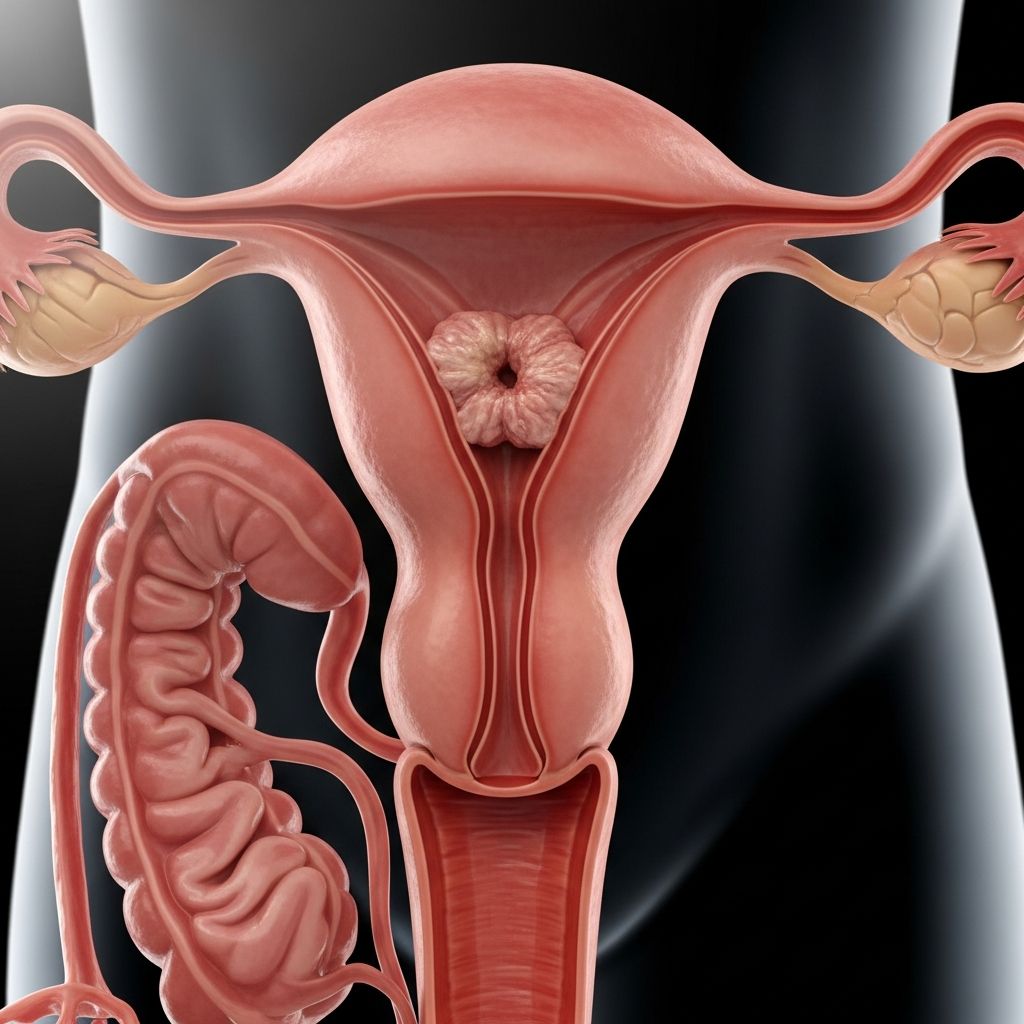
The uterus, or womb, is a pear-shaped organ in the female pelvis where a fetus develops during pregnancy. Uterine cancer forms in its tissues, most often in the endometrium, the inner lining. There are two main types: endometrial cancer, which accounts for about 97% of cases, and uterine sarcoma, a rarer mesenchymal malignancy comprising only 3%.
Endometrial cancer is classified into Type I (endometrioid adenocarcinoma), the more common, estrogen-dependent form linked to obesity and diabetes, and Type II (non-endometrioid), including aggressive serous and clear cell types not driven by estrogen. Uterine sarcomas, such as leiomyosarcoma, are aggressive, often spreading hematogenously, with poorer outcomes even in early stages.
Types of Uterine Cancer
- Endometrial Cancer (Type I): Less aggressive, slow-growing, often early-stage detection. Estrogen-driven, associated with unopposed estrogen exposure.
- Endometrial Cancer (Type II): High-grade, aggressive (e.g., serous carcinoma, 10% of cases but 40% of deaths), p53 dysfunction common.
- Uterine Sarcoma: Includes leiomyosarcoma (most common, 70% of sarcomas), endometrial stromal sarcoma. Incidence 0.36 per 100,000; twice as common in Black women.
Risk Factors for Uterine Cancer
Several factors increase uterine cancer risk, particularly for endometrial type. Obesity elevates risk due to higher estrogen production from adipose tissue. Conditions like diabetes, polycystic ovarian syndrome (OR 2.89), and unopposed estrogen exposure (e.g., estrogen-only hormone therapy) are key.
- Age over 50, postmenopausal status.
- Obesity, diabetes, hypertension.
- Hormone-related: Estrogen replacement without progestin, tamoxifen use, anovulatory cycles.
- Genetic: Lynch syndrome, hereditary nonpolyposis colorectal cancer.
- Reproductive history: Nulliparity, late menopause, infertility.
Combined hormone therapy reduces risk (HR 0.65 per WHI study), unlike estrogen-only. Complex endometrial hyperplasia precedes 32.6% of occult cancers.
Symptoms of Uterine Cancer
The most common symptom is abnormal vaginal bleeding, especially postmenopausal (90% of cases). Premenopausal women may note heavy or irregular periods. Other signs include:
- Pelvic pain or pressure.
- Watery or bloody discharge.
- Pain during intercourse.
- Unintentional weight loss (advanced stages).
Early detection via symptom reporting improves outcomes, as most cases (70-80%) are confined to the uterus at diagnosis.
How Is Uterine Cancer Diagnosed?
Diagnosis starts with a pelvic exam, transvaginal ultrasound, and endometrial biopsy to confirm malignancy. Imaging like CT, MRI, or PET scans assesses spread. Endometrial sampling via dilation and curettage (D&C) evaluates tumor markers.
Staging follows FIGO system: Stage 0 (precancerous), Stage I (uterus-confined), up to Stage IV (distant metastasis). Biopsy determines histology, grade, guiding treatment.
Uterine Cancer Stages
| Stage | Description | 5-Year Survival |
|---|---|---|
| 0 | Precancerous changes in endometrium | Near 100% |
| I | Confined to uterus (IA: inner half; IB: outer) | 80-90% (Type I); lower for Type II |
| II | Involves cervix | ~70% |
| III | Local/regional spread (nodes, tissues) | 40-60% |
| IV | Distant metastasis | 15-20%; Stage IV leiomyosarcoma 21.7% |
Related Stories



Overall 5-year survival: 81% (95% early-stage).
Uterine Cancer Treatment
Treatment is stage- and type-dependent, often multidisciplinary. Surgery is cornerstone for most.
Surgery
Total hysterectomy with bilateral salpingo-oophorectomy (removal of uterus, tubes, ovaries). Minimally invasive (laparoscopic/robotic) preferred for Stage I: faster recovery. Lymph node assessment for staging. Fertility-preserving options rare (hormone therapy for select early cases).
Radiation Therapy
Adjuvant for intermediate/high-risk (post-surgery to reduce recurrence). External beam or brachytherapy.
Chemotherapy
For advanced/stage III-IV, high-risk Type II. Common regimens: carboplatin-paclitaxel. Side effects: fatigue, nausea, hair loss, neutropenia.
Hormone Therapy
Progestins (e.g., medroxyprogesterone) for low-grade, estrogen-sensitive tumors.
Targeted/Immunotherapy
Emerging: Pembrolizumab for MSI-high; HER2 inhibitors for serous. TACE (transarterial chemoembolization) for advanced: median survival 16 months, tumor shrinkage.
Stage-Specific Treatments
- Stage 0/I: Hysterectomy; hormone therapy if fertility desired.
- Stage II: Hysterectomy + radiation ± chemo.
- Stage III/IV: Surgery + chemo/radiation; TACE for unresectable.
Prognosis and Survival Rates
Excellent for early detection: 95% 5-year survival Stage I. Poorer for Type II/sarcomas (Stage I leiomyosarcoma 55%). Black women face higher mortality. Recurrence risk higher in advanced disease; adjuvant therapy improves outcomes.
Prevention and Screening
No routine screening, but high-risk (obesity, Lynch) may need annual biopsy post-menopause. Lifestyle: weight management, exercise, progestin with estrogen therapy. Oral contraceptives, pregnancy reduce risk.
Living With Uterine Cancer
Post-treatment: surveillance with exams, imaging. Manage side effects: nutrition, support groups. Fertility concerns addressed pre-treatment. Advances like immunotherapy improve advanced prognosis.
Frequently Asked Questions
What causes uterine cancer?
Primarily excess unopposed estrogen; risk factors include obesity, hormone therapy without progestin.
Is uterine cancer curable?
Yes, especially early-stage (95% survival); advanced requires multimodal therapy.
Can uterine cancer be prevented?
Reduce risks via weight control, combined HT, avoiding tamoxifen if possible.
What are side effects of uterine cancer treatment?
Surgery: menopause symptoms; chemo: nausea, hair loss; radiation: bowel/bladder issues.
Does uterine cancer spread quickly?
Type I slow; Type II/sarcomas aggressive.
References
- Uterine cancer: Treatment Options for Endometrial (Womb) Cancer — Booking Health. 2023. https://bookinghealth.com/blog/oncology/732534-uterine-cancer-treatment-options-for-endometrial-womb-cancer.html
- Executive Summary of the Uterine Cancer Evidence Review — NIH/PMC. 2022-03-01. https://pmc.ncbi.nlm.nih.gov/articles/PMC8936160/
- Uterine Cancer — Health.mil. 2025-03-01. https://health.mil/Reference-Center/Publications/2025/03/01/Uterine-Cancer
- Uterine Cancer | Endometrial Cancer | Hysterectomy — MedlinePlus (NIH). 2024. https://medlineplus.gov/uterinecancer.html
- Risk factors for uterine cancer — Canadian Cancer Society. 2024. https://cancer.ca/en/cancer-information/cancer-types/uterine/risks
Similar Articles








Read full bio of Sneha Tete