Uterine Fibroids: Expert Answers & Treatment Options
Expert answers to your most pressing questions about uterine fibroids, symptoms, and treatment options.
Understanding Uterine Fibroids: Expert Insights and Answers
Uterine fibroids are among the most common gynecological conditions affecting women of reproductive age. Despite their prevalence, many women remain uncertain about what fibroids are, how they develop, and what treatment options are available. This comprehensive Q&A with medical experts addresses the most frequently asked questions about uterine fibroids, providing evidence-based information to help patients make informed decisions about their health and care.
What Are Uterine Fibroids?
Q: What exactly are uterine fibroids?
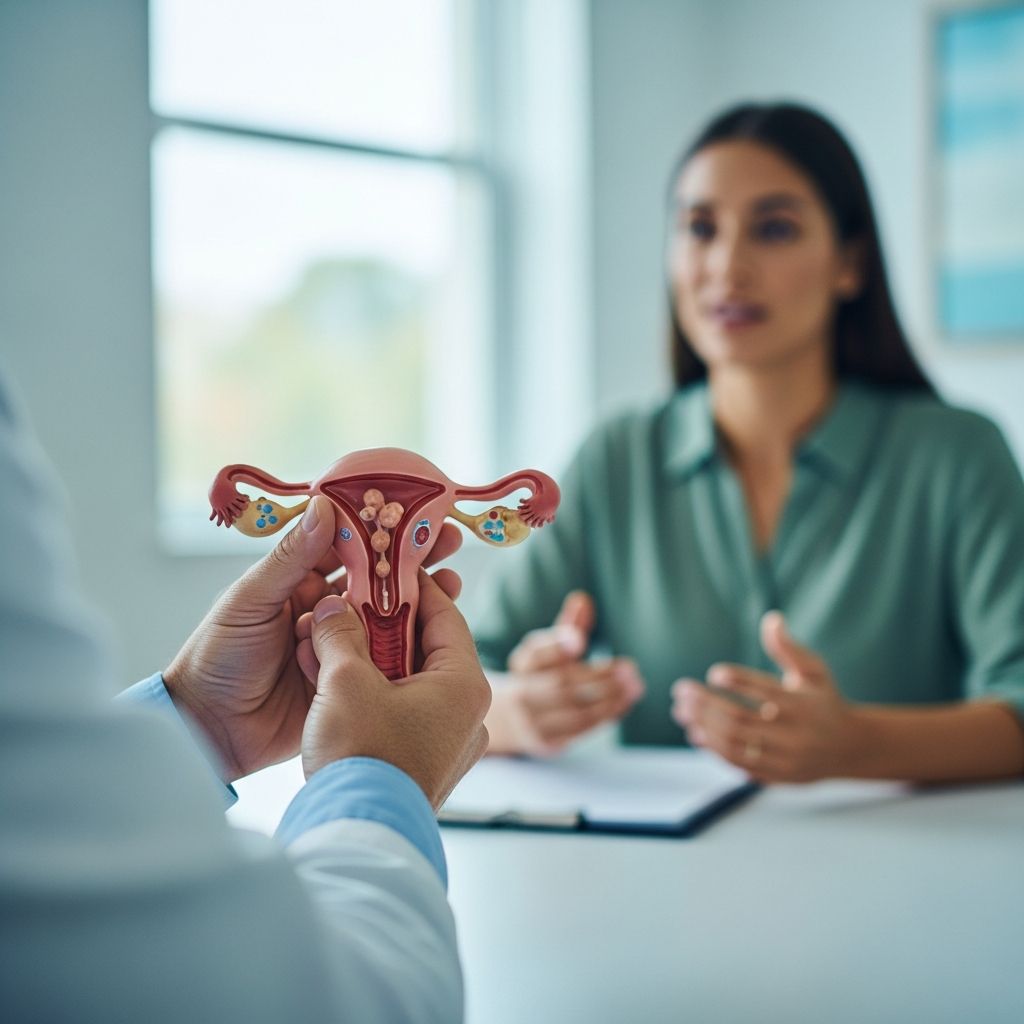
A: Uterine fibroids, also known as leiomyomas or myomas, are noncancerous tumors that develop in the uterus. These growths are composed of muscle and connective tissue and can vary significantly in size, ranging from microscopic lesions to large masses that can distort the uterus. Fibroids are one of the most common pelvic tumors in women, with studies indicating that between 70-80% of women may develop fibroids by age 50, though not all will experience symptoms.
The key point that reassures many patients is that fibroids are entirely benign—they never develop into cancer and do not increase the risk of uterine cancer. Understanding this distinction is crucial for reducing anxiety about the condition.
Causes and Risk Factors
Q: What causes uterine fibroids to develop?
A: While the exact mechanisms behind fibroid development remain an active area of research, several factors appear to contribute to their formation. Gene changes have been identified in many fibroids that differ from those found in typical uterine muscle cells. These genetic alterations may predispose cells to abnormal growth patterns.
Hormonal factors play a significant role in fibroid development and progression. Estrogen and progesterone, the two primary female hormones, regulate the thickening of the uterine lining during each menstrual cycle. Importantly, fibroids contain a higher concentration of hormone receptors compared to normal uterine muscle tissue, making them particularly responsive to hormonal stimulation. This hormonal sensitivity explains why fibroids often grow during reproductive years and typically shrink after menopause when hormone levels decline.
Q: Are certain women at higher risk for developing fibroids?
A: Several demographic and medical factors increase fibroid risk. African American women have a significantly higher prevalence of fibroids and tend to develop them at younger ages compared to women of European descent. Additionally, obesity, early menarche, and never having been pregnant are associated with increased fibroid risk. A family history of fibroids also increases likelihood, suggesting possible genetic predisposition.
Symptoms and Clinical Presentation
Q: Do all fibroids cause symptoms?
A: No. One of the most important distinctions in fibroid management is that many women with fibroids experience no symptoms whatsoever. In fact, numerous fibroids are discovered incidentally during imaging performed for other reasons. However, when fibroids do cause symptoms, the manifestations can be quite bothersome and significantly impact quality of life.
Q: What are the most common symptoms of uterine fibroids?
A: The symptoms of uterine fibroids vary depending on their size, location, and number. The most frequently reported symptoms include:
- Heavy menstrual bleeding (menorrhagia), which represents the most common complaint, sometimes with blood clots
- Prolonged or frequent periods, often lasting longer than seven days
- Pelvic pain and cramping, particularly during menstruation
- Pelvic pressure or fullness in the lower abdomen, especially with large fibroids
- Urinary symptoms, including increased frequency and urgency
- Bowel dysfunction, including constipation
- Lower back or leg pain
- Pain during sexual intercourse (dyspareunia)
- A visibly enlarged abdomen or growing stomach area
Related Stories



Q: How do fibroid location and size affect symptoms?
A: The location and size of fibroids are critical determinants of symptom severity. Submucosal fibroids, which grow into the uterine cavity, typically cause the heaviest bleeding and longest periods. Intramural fibroids, embedded within the uterine wall, can cause pain and pressure sensations. Subserosal fibroids, protruding from the outer uterine surface, may cause less bleeding but can press on neighboring organs like the bladder or bowel. Some fibroids develop stalks, becoming pedunculated fibroids, which can occasionally twist and cause acute pain.
Diagnosis and Evaluation
Q: How are uterine fibroids diagnosed?
A: Several diagnostic methods can identify uterine fibroids, ranging from non-invasive to more specialized approaches:
- Pelvic examination may reveal an enlarged or irregularly shaped uterus
- Transvaginal ultrasound provides detailed imaging of the uterus and can precisely characterize fibroid location, size, and number
- Magnetic resonance imaging (MRI) offers the most detailed anatomical information and helps determine candidacy for certain treatments
- Hysterosalpingography uses X-ray imaging to evaluate the uterine cavity and fallopian tubes
Q: Should I be tested for fibroids if I have no symptoms?
A: Routine screening for asymptomatic fibroids is not generally recommended. However, if you’re experiencing symptoms suggestive of fibroids—such as heavy menstrual bleeding, pelvic pain, or urinary problems—a thorough evaluation is warranted. Additionally, women with infertility may benefit from fibroid evaluation, particularly if submucosal fibroids are present.
Treatment Options: A Comprehensive Overview
Q: Do all fibroids require treatment?
A: No. If you have fibroids without symptoms, you may not need treatment. Instead, regular monitoring through periodic ultrasound and clinical evaluation suffices. However, if you’re experiencing symptoms—including anemia from excess bleeding, moderate to severe pain, or urinary tract and bowel problems—treatment becomes necessary.
Q: What are the main categories of fibroid treatment?
A: Treatment options exist along a spectrum of invasiveness, from medication to surgical procedures. Your treatment plan depends on several factors including fibroid size and location, severity of symptoms, your fertility goals, and personal preferences.
Medical and Medication-Based Treatments
Nonsteroidal Anti-Inflammatory Drugs (NSAIDs)
NSAIDs, such as ibuprofen, can reduce fibroid-related pain, though they are less effective at controlling excessive bleeding. These medications work by decreasing prostaglandins, which contribute to menstrual cramping and pain.
Hormonal Birth Control
Oral contraceptives help regulate the ovulation cycle and may reduce pain and bleeding during periods. Birth control pills containing combination hormones help stabilize the endometrium and reduce menstrual blood loss. Additionally, hormonal intrauterine devices (IUDs) such as Mirena release a low dose of the hormone progestin directly into the uterus, helping reduce heavy bleeding and pain. Progesterone-like injections such as Depo-Provera represent another hormonal option.
Tranexamic Acid
This medication works to decrease bleeding and can be particularly useful for managing heavy menstrual bleeding associated with fibroids.
GnRH Agonists and Antagonists
GnRH agonists work by causing the body to produce less estrogen and progesterone, thereby shrinking fibroids. These medications effectively stop the menstrual cycle without affecting fertility after treatment ends. However, GnRH agonists can cause menopause-like symptoms, including hot flashes, increased sweating, vaginal dryness, and potentially increased osteoporosis risk. These medications are intended for short-term use only, often prescribed before surgery to reduce fibroid size and minimize bleeding during the procedure. Newer GnRH antagonists represent another possible treatment option with potentially fewer adverse effects, while combination oral medications that suppress hormone production to treat heavy periods while preventing menopausal-like symptoms (GnRH antagonist) are also available.
Minimally Invasive Procedures
Uterine Fibroid Embolization (UFE)
UFE works by cutting off the blood supply to the fibroid area, causing it to shrink. During this procedure, guided by fluoroscopic X-ray imaging, a doctor injects a chemical through a catheter into the arteries supplying blood to the fibroids. This procedure reduces or removes symptoms in up to 90% of people with fibroids, though symptom resolution is highly variable depending on the location and size of fibroids. An important limitation is that UFE is not suitable during pregnancy or for those who may want to have children.
MRI-Guided Focused Ultrasound Surgery (MRgFUS)
Myolysis procedures use focused energy delivery systems such as heat, laser, or more recently, MRI-guided focused ultrasound surgery to destroy fibroids. A study of 359 women treated with MRgFUS showed improved scores on the Uterine Fibroid Symptoms Quality of Life questionnaire at three months that persisted for up to 24 months. This non-invasive option uses high-frequency waves to destroy fibroid tissue.
Radiofrequency Ablation
This procedure places a small needle into the fibroid under ultrasound guidance and uses heat to destroy fibroid tissue, causing the fibroid to shrink.
Surgical Treatments
Hysteroscopy
This procedure can remove fibroids growing inside the uterus, making it particularly suitable for submucosal fibroids. The surgery preserves the uterus and allows for future pregnancy.
Myomectomy
Myomectomy involves surgical removal of fibroids while preserving the uterus, making it an excellent option for women who desire future pregnancy. This procedure can be performed via multiple approaches depending on fibroid characteristics.
Endometrial Ablation
This procedure is sometimes used to treat heavy bleeding associated with fibroids and works best when fibroids are small in size. Importantly, endometrial ablation often stops menstruation completely, which may not be desirable for all patients.
Hysterectomy
Hysterectomy provides a definitive cure for women with symptomatic fibroids who do not wish to preserve fertility, resulting in complete resolution of symptoms and improved quality of life. Hysterectomy by the least invasive approach possible is the most effective treatment for symptomatic uterine fibroids. This permanent solution is appropriate only for women who have completed childbearing.
Fertility Considerations
Q: Can fibroids affect pregnancy and fertility?
A: Uterine fibroids may be associated with infertility, and some experts recommend that women with infertility be evaluated for fibroids, with potential removal if the tumors have a submucosal component. Additionally, if you have fibroids, they may grow if you become pregnant due to increased blood flow and higher estrogen levels. However, reassuringly, the fibroids usually return to their original size after your baby is born.
The location of fibroids significantly impacts fertility potential. Submucosal fibroids, which protrude into the uterine cavity, pose the greatest threat to fertility and implantation. Women planning pregnancy should discuss their fibroid status with their healthcare provider before conception.
Prognosis and Long-term Outlook
Q: What is the long-term prognosis for women with fibroids?
A: The prognosis for uterine fibroids is generally favorable. The symptoms of uterine fibroids usually stabilize or go away after you’ve gone through menopause because hormone levels decline within your body. Many fibroids naturally regress as women age and enter menopause. For women managing symptoms with medication or minimally invasive procedures, quality of life often improves significantly with appropriate treatment. Those undergoing hysterectomy experience complete resolution of fibroid-related symptoms.
Frequently Asked Questions
Q: How common are uterine fibroids?
Uterine fibroids are extremely common, affecting a significant percentage of women during their reproductive years. They represent one of the most frequently encountered gynecological conditions in clinical practice.
Q: Can fibroids become cancerous?
No. Fibroids are benign tumors and never become cancerous. They do not increase your risk of developing uterine cancer.
Q: What should I do if I’m experiencing heavy menstrual bleeding?
If you’re experiencing heavy menstrual bleeding, consult your healthcare provider for evaluation. Heavy bleeding can lead to anemia and significantly impact quality of life. Your provider can determine whether fibroids or other conditions are responsible and recommend appropriate treatment.
Q: Can lifestyle changes help manage fibroid symptoms?
While lifestyle modifications alone may not eliminate fibroids, they can help manage symptoms. Maintaining a healthy weight, managing stress, and ensuring adequate iron intake (particularly important if experiencing heavy bleeding) are beneficial. Always discuss lifestyle strategies with your healthcare provider.
Q: Should I be concerned if fibroids are found incidentally?
Incidental discovery of asymptomatic fibroids typically requires only periodic monitoring. Regular ultrasound examinations and clinical follow-up ensure that any changes in fibroid size or development of new symptoms are detected early. Treatment is unnecessary unless symptoms develop.
Q: How do I choose the right treatment option?
Your treatment plan will depend on several factors, including the severity of your symptoms, fibroid size and location, your fertility goals, and personal preferences. Discuss all available options thoroughly with your healthcare provider, ensuring that your treatment aligns with your reproductive plans and lifestyle preferences.
References
- Fibroids: Causes, Symptoms, Treatment, and Types — Medical News Today. 2024. https://www.medicalnewstoday.com/articles/151405
- Uterine Fibroids Information — Mount Sinai Health System. 2024. https://www.mountsinai.org/health-library/diseases-conditions/uterine-fibroids
- Uterine Fibroids: Causes, Symptoms & Treatment — Cleveland Clinic. 2024. https://my.clevelandclinic.org/health/diseases/9130-uterine-fibroids
- Uterine Fibroids: Diagnosis and Treatment — American Academy of Family Physicians. 2017-01-15. https://www.aafp.org/pubs/afp/issues/2017/0115/p100.html
- Uterine Fibroids – Symptoms and Causes — Mayo Clinic. 2024. https://www.mayoclinic.org/diseases-conditions/uterine-fibroids/symptoms-causes/syc-20354288
- Uterine Fibroids — U.S. Food and Drug Administration. 2024. https://www.fda.gov/consumers/womens-health-topics/uterine-fibroids
- Uterine Fibroids — MedlinePlus, National Library of Medicine. 2024. https://medlineplus.gov/uterinefibroids.html
Similar Articles








Read full bio of medha deb