Uterine Inversion: Causes, Symptoms, and Treatment
Understanding uterine inversion: a rare but life-threatening childbirth complication.
What Is Uterine Inversion?
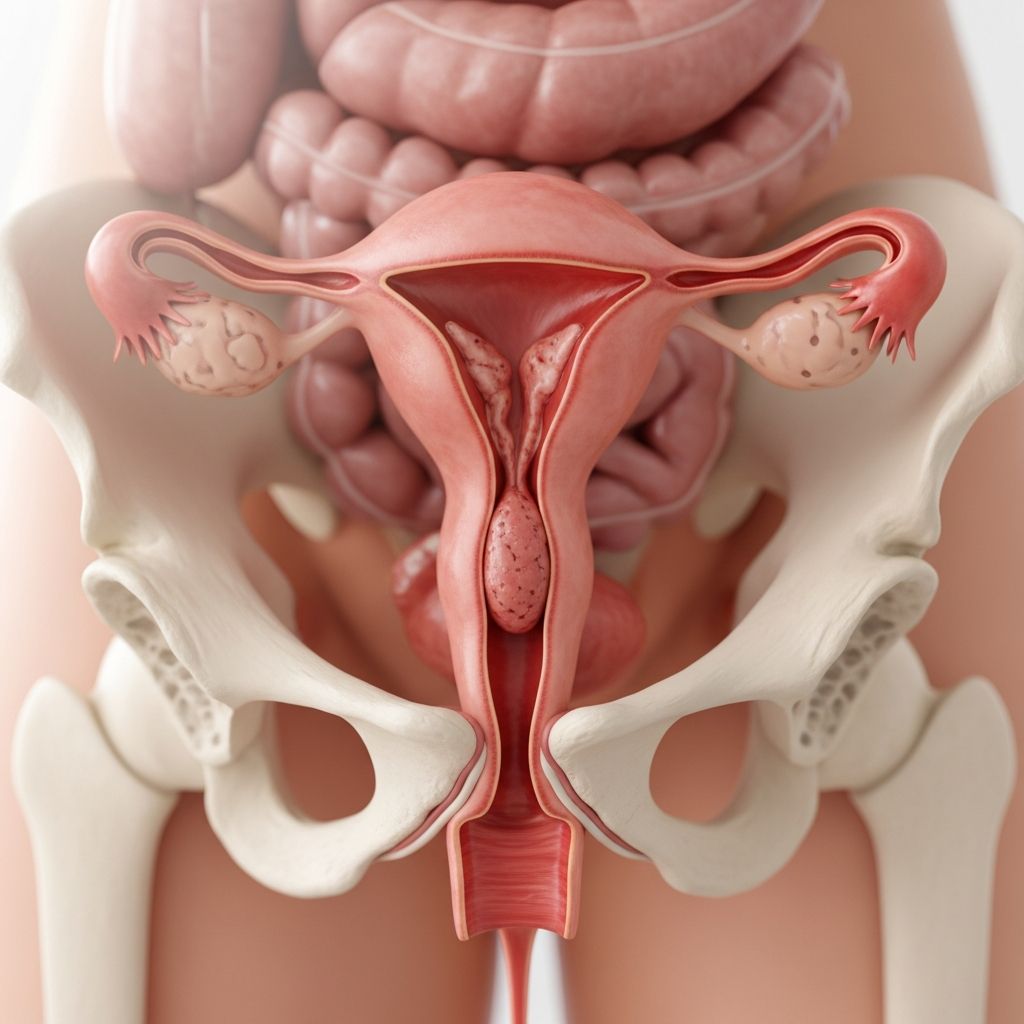
Uterine inversion is a rare but serious complication that can occur during or after childbirth. In this condition, the top part of the uterus (the fundus) collapses into the uterine cavity and may even turn inside out, extending outside the vagina. This inversion can lead to severe blood loss, shock, and, in the worst cases, maternal death if not treated promptly. The condition is considered a medical emergency, and immediate intervention is crucial to prevent life-threatening outcomes.
Causes of Uterine Inversion
The exact cause of uterine inversion is not always clear, but several factors can increase the risk:
- Excessive traction on the umbilical cord: This is the most common cause. When healthcare providers apply too much force to the umbilical cord to deliver the placenta, it can pull the uterus inside out.
- Excessive pressure on the fundus: Applying too much pressure on the top of the uterus during the delivery of the placenta can also lead to inversion.
- Uterine atony: This is a condition where the uterus fails to contract properly after delivery, making it more susceptible to inversion.
- Placenta accreta: When the placenta is abnormally adherent to the uterine wall, it can increase the risk of inversion.
- Short umbilical cord: A short umbilical cord can make it more difficult to deliver the placenta safely, increasing the risk of inversion.
- Primiparity: First-time mothers may be at a higher risk due to the uterus being less elastic.
- Rapid emptying of the uterus: After a prolonged period of distension, the uterus may be more prone to inversion when it suddenly empties.
Symptoms of Uterine Inversion
The symptoms of uterine inversion can vary depending on the severity and timing of the condition. Common symptoms include:
- Severe postpartum hemorrhage: This is the most common symptom, occurring in about 70% of cases.
- Shock: Shock is present in 30-40% of cases and can be life-threatening.
- Pelvic pain: Pelvic pain is reported in 7-10% of cases.
- Visible inversion: The inverted fundus may be visible at or beyond the vaginal introitus.
- Abdominal examination findings: The fundus may not be palpable or may be lower than expected.
Diagnosis of Uterine Inversion
Diagnosis of uterine inversion is primarily clinical. Healthcare providers will look for the following signs:
- Postpartum hemorrhage: Severe bleeding after delivery is a key indicator.
- Hypotension: Low blood pressure is a sign of shock.
- Visible inversion: The inverted fundus may be visible at or beyond the vaginal introitus.
- Abdominal examination: The fundus may not be palpable or may be lower than expected.
If uterine inversion is suspected, immediate action is required to confirm the diagnosis and begin treatment.
Treatment of Uterine Inversion
Treatment for uterine inversion is an emergency and must be performed quickly to prevent severe complications. The main steps in treatment include:
- Manual reduction: The uterus is manually pushed back into its normal position. This is done by pushing up on the internal aspect of the fundus until the uterus is returned to its normal position. If the placenta is still attached, the uterus should be replaced before the placenta is removed.
- Intravenous fluids and blood product transfusion: If the patient is experiencing hypovolemia or hemorrhage, intravenous fluids and blood products may be necessary to support hemodynamic status.
- Analgesics and sedatives: Due to the discomfort, IV analgesics and sedatives or a general anesthetic may be needed.
- Uterotonic drugs: Once the uterus is in place, a uterotonic drug (such as oxytocin infusion) is given to reduce the likelihood of reinversion and hemorrhage.
- Surgical intervention: If manual reduction is unsuccessful, a laparotomy may be necessary to facilitate both vaginal and abdominal manipulation to restore the uterus to its normal anatomic position.
Related Stories



Classification of Uterine Inversion
Uterine inversion can be classified based on the delay between delivery and diagnosis:
| Classification | Timing | Percentage of Cases |
|---|---|---|
| Acute inversion | Within 24 hours of delivery | 83.4% |
| Subacute inversion | Between 24 hours and four weeks of delivery | 2.62% |
| Chronic inversion | After more than four weeks post-delivery | 13.9% |
Management of Subacute and Chronic Uterine Inversion
In cases where diagnosis is delayed, incarceration can occur due to the formation of a constriction ring, making manual repositioning difficult. In such cases, surgical intervention may be necessary. Techniques such as Haultain’s method (incising the cervical ring posteriorly) and Huntington’s method (incising the cervical ring anteriorly) are used. Vaginal surgeries like Spinelli’s and Kustner’s techniques may also be employed. The abdominal route is generally preferred due to the reduced uterine incision, simpler repositioning, and easier approximation and accurate suturing of the uterine wall.
Prevention of Uterine Inversion
Preventing uterine inversion involves careful management of the third stage of labor. Key preventive measures include:
- Proper technique during placental delivery: Avoid excessive traction on the umbilical cord and excessive pressure on the fundus.
- Monitoring for risk factors: Be aware of conditions that increase the risk of uterine inversion, such as uterine atony and placenta accreta.
- Immediate recognition and intervention: Promptly recognize and treat any signs of uterine inversion to prevent severe complications.
Frequently Asked Questions (FAQs)
Q: What is uterine inversion?
A: Uterine inversion is a rare but serious complication during childbirth where the uterus turns partially or entirely inside out, leading to severe blood loss, shock, and potentially death if not treated promptly.
Q: What are the symptoms of uterine inversion?
A: Common symptoms include severe postpartum hemorrhage, shock, pelvic pain, and visible inversion of the fundus at or beyond the vaginal introitus.
Q: How is uterine inversion diagnosed?
A: Diagnosis is primarily clinical, based on symptoms such as postpartum hemorrhage, hypotension, and visible inversion of the fundus. Abdominal examination may also reveal that the fundus is not palpable or is lower than expected.
Q: What is the treatment for uterine inversion?
A: Treatment involves immediate manual reduction of the uterus, intravenous fluids and blood product transfusion if needed, analgesics and sedatives for discomfort, and uterotonic drugs to prevent reinversion and hemorrhage. If manual reduction is unsuccessful, surgical intervention may be necessary.
Q: Can uterine inversion be prevented?
A: Yes, uterine inversion can be prevented by using proper techniques during placental delivery, monitoring for risk factors, and promptly recognizing and treating any signs of uterine inversion.
References
- Uterine Inversion – Gynecology and Obstetrics – Merck Manuals — Merck & Co., Inc., Rahway, NJ, USA. 2025. https://www.merckmanuals.com/professional/gynecology-and-obstetrics/intrapartum-complications/uterine-inversion
- A Neglected Case of Subacute Complete Uterine Inversion … – NIH — National Center for Biotechnology Information. 2025. https://pmc.ncbi.nlm.nih.gov/articles/PMC11978166/
- Uterine Inversion (Inverted Uterus): Causes & Treatment — Cleveland Clinic. 2025. https://my.clevelandclinic.org/health/diseases/22326-uterine-inversion
Similar Articles








Read full bio of Sneha Tete