Uterus Anatomy: What You Need To Know About Structure & Function
Complete guide to uterine anatomy, functions, and common health conditions affecting women.
Understanding the Uterus: Anatomy and Function
The uterus is a vital organ in the female reproductive system, playing a crucial role in menstruation, pregnancy, and childbirth. Located in the pelvis between the bladder and rectum, the uterus is a pear-shaped, muscular organ approximately the size of an orange before pregnancy. Understanding its structure and function is essential for maintaining reproductive health and recognizing potential medical concerns.
Anatomy of the Uterus
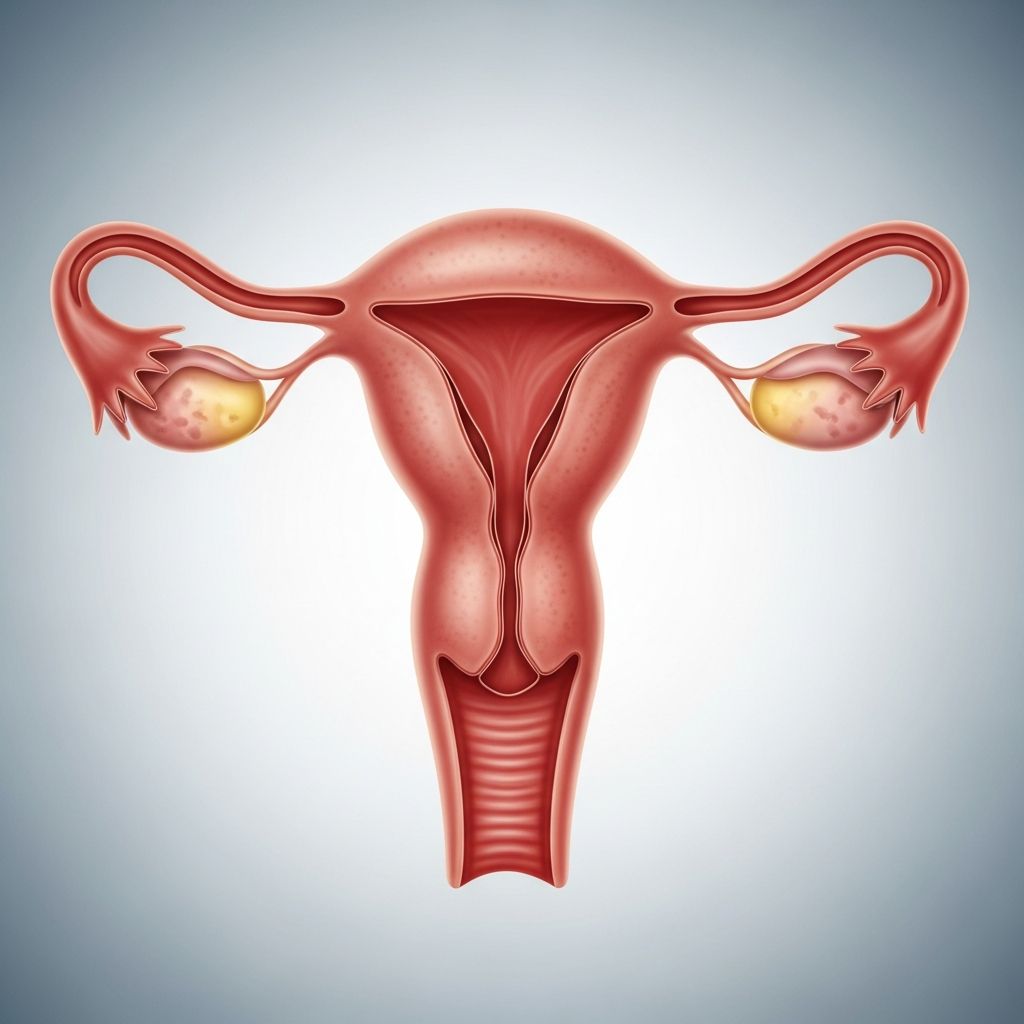
The uterus is a hollow, muscular organ with remarkable adaptability. It measures roughly 3 inches (7-8 cm) in length, 2 inches (5 cm) in width, and 1 inch (2.5 cm) in depth for non-pregnant individuals. The organ consists of several distinct anatomical regions that work together to support fertility and menstrual function.
Major Regions of the Uterus
The uterus has four major anatomical divisions:
Fundus: The fundus is the broad, curved upper portion of the uterus where the fallopian tubes connect. This region represents the top of the organ and has the greatest capacity for expansion during pregnancy.
Body (Corpus): The body is the main central section of the uterus, extending downward from the level of the fallopian tubes. This is where a fertilized egg typically implants and develops into a fetus during pregnancy. The uterine body can expand dramatically during pregnancy, growing from the size of an orange to approximately the size of a watermelon by the end of gestation.
Isthmus: The isthmus is the lower, narrow section where the uterine walls and cavity begin to taper. This region facilitates the transport of eggs, sperm, and early embryos through the reproductive tract.
Cervix: The cervix is the lowest section of the uterus, extending downward from the isthmus into the vagina. This muscular, tunnel-like organ serves as the gateway between the uterus and vagina, playing essential roles in menstruation, sexual function, and childbirth.
Layers of the Uterine Wall
The uterine wall comprises three distinct layers of muscle tissue, each with specific functions:
Perimetrium: The outermost protective layer that connects the uterus to surrounding pelvic structures and organs.
Myometrium: The muscular middle layer that contains smooth muscle fibers running longitudinally, circularly, and obliquely. This powerful muscle layer contracts during menstruation to expel the uterine lining and during labor to help deliver a baby. The myometrium can expand significantly during pregnancy to accommodate a growing fetus.
Endometrium: The innermost mucous membrane that lines the uterine cavity. This tissue thickens during the menstrual cycle in preparation for pregnancy and sheds if pregnancy does not occur.
Functions of the Uterus
The uterus performs several critical functions essential to reproduction and overall gynecological health:
Menstrual Cycle Regulation
During the menstrual cycle, the endometrium thickens each month to prepare for a potential pregnancy. The cycle typically occurs approximately every 28 days and involves four main phases.
Related Stories



Follicular Phase: Ovarian follicles develop, and estrogen levels rise as the uterine lining begins to thicken in preparation for ovulation.
Ovulation Phase: Around day 14 of the cycle, a mature egg is released from the ovary and travels through the fallopian tube for potential fertilization.
Luteal Phase: Following ovulation (around days 15-28), hormones prepare the uterus for pregnancy. If fertilization does not occur, hormone levels drop, triggering the menstrual phase where the uterine lining sheds, resulting in menstruation.
Pregnancy and Fetal Development
If a fertilized egg successfully implants into the thickened uterine lining, the uterus becomes the protective environment for fetal development. The myometrium expands dramatically to accommodate the growing fetus, while the endometrium develops into specialized tissue that nourishes the developing baby. The uterus returns to approximately its normal size within six to eight weeks after childbirth, though it typically remains about 1 centimeter larger in all directions than before pregnancy and is slightly heavier.
Childbirth Support
The muscular uterine wall is essential for childbirth. The myometrium contracts powerfully during labor to help expel the fetus through the cervix and vagina. The cervix dilates during labor to allow passage of the baby through the birth canal.
Supporting Structures
The uterus does not function in isolation. Several supporting structures work together to maintain proper uterine positioning and function:
Round Ligaments
The round ligaments are two rope-like bands of connective tissue that support and anchor the uterus. These ligaments develop from the gubernaculum during fetal development and help maintain the uterus in its proper position within the pelvis. During pregnancy, the round ligaments stretch and elongate to support the expanding uterus, and this tension can sometimes cause pain that radiates through the groin area, a condition known as round ligament pain.
Uterosacral Ligaments
The uterosacral ligaments are thick bands of connective tissue measuring approximately 5 inches (12-14 cm) long and about one-quarter inch (0.5 cm) wide. These ligaments connect the lower part of the uterus to the base of the spine (sacrum) and work with other pelvic ligaments and muscles to maintain proper uterine support and positioning. After a hysterectomy, surgeons utilize the uterosacral ligament to support the top of the vagina, shifting its role from uterine support to preventing vaginal descent.
Common Uterine Health Conditions
Several conditions can affect uterine health and reproductive function:
Endometriosis
Endometriosis is a condition where cells that typically line the uterus grow in locations outside the uterus, including the uterosacral ligaments. When endometriosis affects the uterosacral ligaments, it is classified as deep infiltrating endometriosis. These misplaced cells thicken, break down, and bleed with each menstrual cycle, but unlike menstrual blood, they cannot exit the body, leading to inflammation and scar tissue formation.
Uterine Fibroids
Uterine fibroids are noncancerous growths that develop in or on the uterus. These smooth muscle tumors can vary significantly in size and location, potentially causing heavy menstrual bleeding, pelvic pain, and pressure symptoms.
Adenomyosis
Adenomyosis occurs when the endometrial tissue grows into the myometrium, causing the uterine wall to thicken. This condition often results in heavy menstrual bleeding and severe menstrual cramping.
Frequently Asked Questions
Q: What is the normal size of a uterus?
A: The normal uterus measures approximately 3 inches (7-8 cm) in length, 2 inches (5 cm) in width, and 1 inch (2.5 cm) in depth. However, size can vary among individuals, and the uterus expands significantly during pregnancy.
Q: How does the uterus change during pregnancy?
A: During pregnancy, the uterus expands dramatically to accommodate the developing fetus, growing from the size of an orange to approximately the size of a watermelon by term. The myometrium thickens and becomes more vascular, while the endometrium develops specialized tissue to nourish the fetus.
Q: What causes round ligament pain during pregnancy?
A: Round ligament pain occurs when the round ligaments stretch and elongate to support the expanding uterus during pregnancy. This tension can cause sharp pain that radiates through the groin area, particularly with sudden movements or position changes.
Q: How long does it take for the uterus to return to normal after childbirth?
A: The uterus typically returns to approximately its normal size within six to eight weeks after childbirth, though it usually remains about 1 centimeter larger in all directions than before pregnancy.
Q: What is the role of the cervix in the reproductive system?
A: The cervix is the lower portion of the uterus that connects to the vagina. It plays important roles in allowing menstrual fluid to pass, facilitating sperm entry, and dilating during childbirth to allow passage of the baby through the birth canal.
Q: Can endometriosis affect the uterosacral ligaments?
A: Yes, endometriosis commonly affects the uterosacral ligaments, a condition called deep infiltrating endometriosis. The misplaced endometrial cells thicken, break down, and bleed each cycle, leading to inflammation and scar tissue formation.
Q: What hormones regulate the menstrual cycle?
A: The menstrual cycle is regulated by hormones including estrogen and progesterone, produced by the ovaries in response to follicle-stimulating hormone (FSH) and luteinizing hormone (LH) from the pituitary gland.
Key Takeaways
The uterus is a remarkable organ with complex anatomy and multiple critical functions in reproduction, menstruation, and pregnancy. Its structure—comprising the fundus, body, isthmus, and cervix—enables it to perform its essential roles. The three-layered uterine wall provides both protection and the muscular capability necessary for menstrual regulation and childbirth. Supporting ligaments like the round ligaments and uterosacral ligaments maintain proper positioning and function. Understanding uterine anatomy and recognizing signs of common conditions such as endometriosis, fibroids, and adenomyosis is essential for maintaining reproductive health and seeking appropriate medical care when needed.
References
- Uterosacral Ligament: Location, Anatomy & Function — Cleveland Clinic. 2024. https://my.clevelandclinic.org/health/body/23261-uterosacral-ligament
- Uterus: Definition, Function, & Anatomy — Britannica. 2024. https://www.britannica.com/science/uterus
- Round Ligament of The Uterus: Anatomy & Function — Cleveland Clinic. 2024. https://my.clevelandclinic.org/health/body/21646-round-ligament
- Know Your Uterus — Hologic GYN Surgical Solutions. 2024. https://gynsurgicalsolutions.com/know-your-uterus/
- Cervix: Anatomy, Function, Changes & Conditions — Cleveland Clinic. 2024. https://my.clevelandclinic.org/health/body/23279-cervix
- Female Reproductive System: Structure & Function — Cleveland Clinic. 2024. https://my.clevelandclinic.org/health/articles/9118-female-reproductive-system
Similar Articles








Read full bio of Sneha Tete