9 Foods To Eat For UTI Relief, Clinically Backed
Discover the best foods and drinks to speed up UTI recovery and prevent future infections naturally.
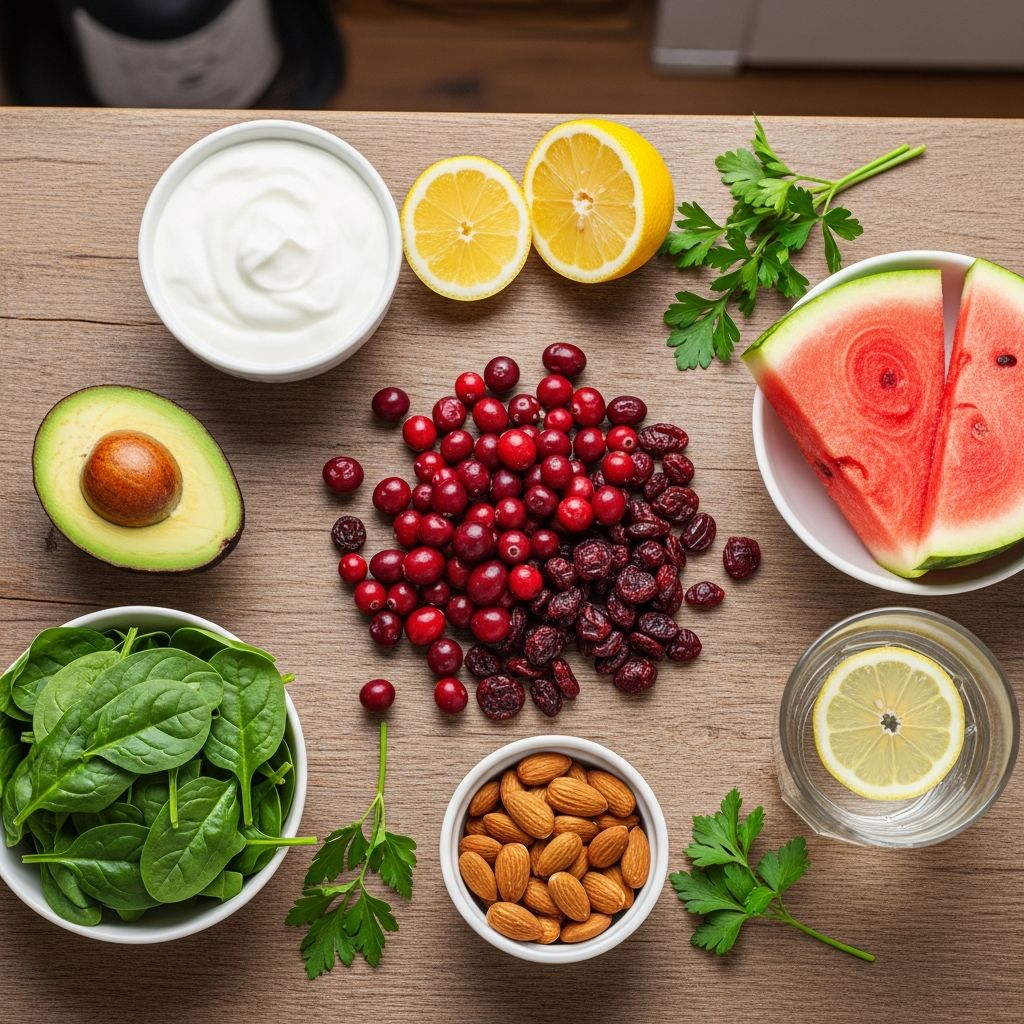
Urinary tract infections (UTIs) affect millions annually, causing painful symptoms like burning urination and frequent urges. While antibiotics are essential, diet plays a key role in symptom relief and prevention. Certain foods support bacterial flushing, inhibit pathogen adhesion, and restore healthy microbiota. This guide covers
9 foods and drinks
recommended during a UTI, backed by clinical evidence, to accelerate recovery and reduce recurrence risk.What Is a UTI?
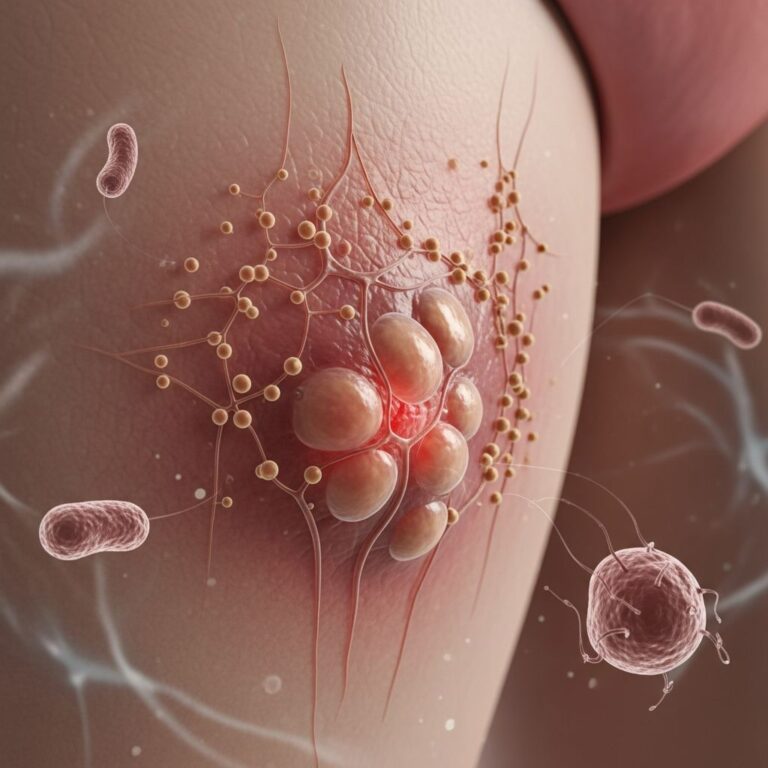
A UTI occurs when bacteria, often Escherichia coli, enter the urinary tract, leading to inflammation. Women are disproportionately affected due to shorter urethras, but men, children, and catheter users are also vulnerable. Symptoms include dysuria (painful urination), urgency, lower abdominal pain, and hematuria (blood in urine). Untreated UTIs can ascend to kidneys, causing pyelonephritis—a serious condition. Risk factors include sexual activity, diabetes, menopause, and poor hygiene. Globally, UTIs contribute to antimicrobial resistance, prompting interest in dietary adjuncts.
Why Diet Matters During a UTI
Nutrition influences UTI outcomes by promoting diuresis (urine production), modulating gut-urogenital microbiota, and providing anti-adhesive compounds. Hydration flushes bacteria, while probiotics crowd out pathogens. Plant-based foods offer polyphenols and antimicrobials that prevent bacterial attachment to uroepithelial cells. Studies show dietary interventions reduce UTI incidence by 32-51% in high-risk groups. During active infection, avoid irritants; post-recovery, incorporate vitamin C-rich foods for prevention. Always complete antibiotic courses alongside dietary changes.
9 Foods and Drinks to Eat During a UTI
Incorporate these bladder-friendly options to support recovery. Focus on hydration, probiotics, and anti-adhesive fruits while avoiding irritants like caffeine, alcohol, and spicy foods.
1. Water
**Aim for at least 12 eight-ounce glasses daily.** Water dilutes urine, flushing bacteria from the bladder and urethra. Dehydration concentrates urine, promoting bacterial growth. Clinical advice emphasizes increased intake during and after infection to prevent recurrence. Unsweetened, plain water is best—infuse with cucumber or lemon post-recovery if desired.
2. Unsweetened Cranberry Juice
Cranberries (*Vaccinium macrocarpon*) contain proanthocyanidins (PACs) that inhibit E. coli fimbriae from adhering to urinary tract walls. A 240 mL dose reduces adhesion by 80% within 10 hours. Meta-analyses show 32% relative risk reduction in recurrent UTIs for women, 45% in children, and 51% in catheter users. Juice outperforms tablets; opt for sugar-free to avoid feeding bacteria. The European Association of Urology endorses cranberries for prevention. Limit to 8-16 oz daily during UTI.
3. Blueberries
Similar to cranberries, blueberries provide PACs and antioxidants that block bacterial adhesion. They offer a milder, lower-acid alternative for sensitive bladders. Eat fresh or frozen handfuls daily; their polyphenols mimic cranberry benefits without tartness.
4. Plain Greek Yogurt (Probiotics)
Probiotic-rich yogurt introduces Lactobacillus strains that colonize the urogenital tract, outcompeting pathogens. Fermented foods restore microbiota disrupted by antibiotics. Studies confirm probiotics reduce UTI risk by modulating gut flora. Choose unsweetened, live-culture Greek yogurt for high protein and low sugar—1-2 servings daily.
5. Fermented Foods (Sauerkraut, Kefir, Kombucha)
Kefir and kombucha deliver diverse probiotic strains enhancing resistance to uropathogens. Sauerkraut provides fiber and “good” bacteria. A narrative review highlights their role in preventing recurrent UTIs via microbiota modulation. Start with small portions to avoid bloating; low-sugar kombucha is ideal.
Related Stories



6. Pears and Bananas
These low-acid fruits soothe irritated bladders. Pears’ high water content aids flushing; bananas offer potassium without irritation. Recommended for overactive bladder (OAB) and interstitial cystitis.
7. Green Beans, Squash, and Potatoes
Non-acidic vegetables like green beans, squash, and boiled potatoes provide soothing fiber and nutrients. They calm sensitive bladders per American Urological Association guidelines. Steam or bake to preserve benefits.
8. Lean Proteins, Whole Grains, Nuts, Eggs, and Bread
Balanced intake of chicken, fish, oats, almonds, eggs, and whole-grain bread maintains energy without irritation. Nuts supply healthy fats; whole grains add fiber for gut health.
9. Vitamin C-Rich Foods (Post-UTI: Strawberries, Spinach, Peppers)
During acute UTI, avoid citrus; afterward, strawberries, spinach, and green peppers boost urine acidification, deterring bacteria. Daily vitamin C supports immunity and prevention.
Foods and Drinks to Avoid During a UTI
- Caffeine, coffee, alcohol: Irritate bladder lining, worsening urgency.
- Spicy foods: Capsaicin inflames mucosa.
- Acidic fruits (oranges, lemons during infection): Increase discomfort; safe post-recovery.
- Carbonated drinks, artificial sweeteners, chocolate: Common irritants for OAB.
- Tomatoes, vinegar: Acidic triggers.
Sample UTI-Friendly Meal Plan
| Meal | Foods | Benefits |
|---|---|---|
| Breakfast | Greek yogurt with blueberries, oats | Probiotics + anti-adhesives |
| Lunch | Grilled chicken, green beans, brown rice | Lean protein + soothing veggies |
| Snack | Pear or banana, handful almonds | Bladder calmers |
| Dinner | Baked squash, eggs, spinach salad (post-UTI) | Fiber + vitamins |
| Drinks | Water (12+ cups), 8 oz cranberry juice | Hydration + prevention |
Additional Tips for UTI Prevention
- Urinate after sex to expel bacteria.
- Wipe front-to-back.
- Wear cotton underwear; avoid douching.
- Maintain hygiene without over-washing.
- For recurrent UTIs, consider bearberry (*Arctostaphylos uva-ursi*) supplements—approved in Germany for E. coli UTIs due to arbutin.
- Daily 2.5-3 cups veggies + 1.5-2 cups fruit reduces bladder issues.
Frequently Asked Questions (FAQs)
Can cranberry juice cure a UTI?
No, it supports antibiotics by preventing adhesion but doesn’t kill bacteria. Consult a doctor for treatment.
How much water for UTI relief?
At least 96 oz (12 cups) daily to flush bacteria.
Are probiotics safe during antibiotics?
Yes; take separately to restore flora.
Do blueberries work like cranberries?
Yes, via similar PACs.
Can diet alone prevent recurrent UTIs?
It reduces risk (up to 51%) but combine with hygiene and medical advice.
References
- What to eat (and what to avoid) during a UTI — Endeavor Health. 2023. https://www.endeavorhealth.org/articles/what-to-eat-during-a-UTI
- Probiotics and Plant-Based Foods as Preventive Agents of Urinary Tract Infections — PMC / National Library of Medicine. 2024-10-18. https://pmc.ncbi.nlm.nih.gov/articles/PMC11944753/
- Best Foods for Bladder Health: A Diet Guide — Cxbladder. 2023. https://www.cxbladder.com/us/blog/what-are-the-best-foods-for-bladder-health/
Similar Articles








Read full bio of medha deb