UTI Symptoms In Men: Guide To Causes, Treatment & Prevention
Recognize UTI symptoms in men early to prevent serious complications like kidney infections and sepsis.
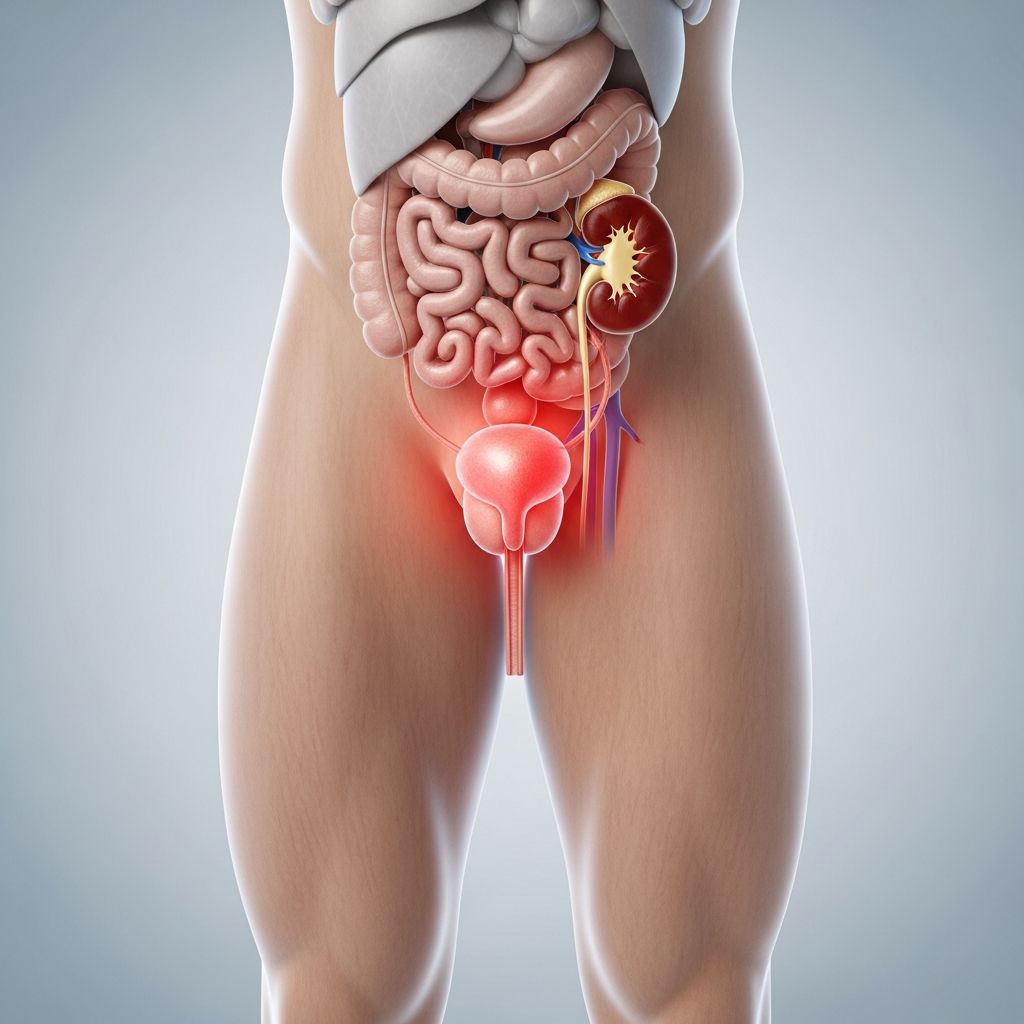
Urinary tract infections (UTIs) in men, though less common than in women due to anatomical differences, can signal serious underlying issues like prostate problems. Recognizing symptoms early—such as burning during urination, frequent urges, and lower abdominal pain—is essential for prompt treatment and preventing complications like kidney infections.
What Is a UTI?
A urinary tract infection occurs when bacteria enter the urinary system, which includes the kidneys, ureters, bladder, and urethra, leading to inflammation and discomfort. In men, the longer urethra typically provides protection, but infections often affect the bladder (cystitis) or urethra (urethritis) and may indicate blockages or other conditions. Most cases are caused by Escherichia coli (E. coli) from the gastrointestinal tract entering via the urethra.
UTI Symptoms in Men
Men with UTIs often experience intense symptoms due to potential prostate involvement. Common signs include:
- Burning sensation or pain during urination (dysuria): A hallmark symptom felt as stinging or scalding.
- Frequent, urgent need to urinate: Even small amounts, often with little output.
- Cloudy, bloody, or foul-smelling urine: Blood may tint urine pink, red, or cola-colored.
- Pelvic or lower abdominal pain: Centered around the pubic bone or bladder area.
- Lower back or side pain: If kidneys are involved (pyelonephritis).
In older men, symptoms may be subtler, mimicking confusion or fatigue, requiring vigilance especially in those over 65.
Types of UTIs and Their Symptoms
UTIs vary by affected area, with distinct symptoms:
| Part of Urinary Tract | Symptoms in Men |
|---|---|
| Kidneys (Pyelonephritis) | High fever, chills, nausea, vomiting, back/side pain |
| Bladder (Cystitis) | Pelvic pressure, frequent/painful urination, blood in urine, lower belly discomfort |
| Urethra (Urethritis) | Burning with urination, discharge from penis |
| Prostate (Prostatitis) | Painful ejaculation, perineal pain, fever (if bacterial) |
Prostatitis, common in men, overlaps with UTI symptoms and may require specific antibiotics.
Causes of UTIs in Men
Unlike women, whose shorter urethras facilitate bacterial entry, men’s UTIs often stem from:
- Bacterial invasion: Primarily E. coli, but also sexually transmitted infections like chlamydia or gonorrhea.
- Urinary retention: Incomplete bladder emptying due to enlarged prostate (benign prostatic hyperplasia, BPH) or strictures allows bacteria to multiply.
- Catheter use or procedures: Introduces bacteria directly.
Recent urinary tract instrumentation or stones exacerbate risks.
Risk Factors for UTIs in Men
Men face unique vulnerabilities:
- Age over 50: Prostate enlargement affects nearly 50% of men by age 60, trapping urine.
- Enlarged prostate (BPH): Obstructs flow, promoting stagnation.
- Kidney stones or blockages: Trap urine, fostering bacterial growth.
- Diabetes or immunosuppression: Weakens defenses against bacteria.
- Catheterization: Common in hospitalized or mobility-impaired men.
- Sexual activity: Increases exposure to pathogens, especially uncircumcised men.
Related Stories



Uncircumcised men have higher risks due to bacterial harboring under the foreskin.
When to See a Doctor for UTI Symptoms
Seek immediate care if you experience fever over 101°F, severe pain, vomiting, or blood in urine—these signal potential kidney involvement. Men should never ignore symptoms, as UTIs are uncommon and often indicate prostate issues needing urologist evaluation. Delays can lead to chronic infections or sepsis.
How Are UTIs in Men Diagnosed?
Diagnosis involves:
- Urinalysis: Detects bacteria, white blood cells, nitrites.
- Urine culture: Identifies specific bacteria for targeted antibiotics.
- Physical exam: Prostate check via digital rectal exam (DRE).
- Imaging: Ultrasound or CT for stones/blockages.
- Cystoscopy: Scope exam for structural issues.
Blood tests rule out systemic spread.
UTI Treatment for Men
Treatment focuses on antibiotics tailored to culture results, typically 7-14 days longer than in women due to prostate penetration needs:
- Common antibiotics: Nitrofurantoin, trimethoprim-sulfamethoxazole, or fluoroquinolones like ciprofloxacin.
- Prostatitis management: Extended courses (4-6 weeks) with alpha-blockers for symptoms.
- Pain relief: Phenazopyridine for burning; hydration encouraged.
Hospitalization for IV antibiotics if severe.
Complications of Untreated UTIs in Men
Left unchecked, UTIs can cause:
- Prostate abscess: Pus collection requiring drainage.
- Chronic prostatitis: Persistent pain and infection.
- Kidney damage: Scarring from pyelonephritis.
- Sepsis: Life-threatening bloodstream infection.
- Urethral strictures: Narrowing from scarring.
Early intervention prevents these.
Prevention Tips for UTIs in Men
Reduce risks by:
- Staying hydrated: 8-10 glasses daily flushes bacteria.
- Urinating after sex: Clears urethra.
- Good hygiene: Clean foreskin daily if uncircumcised.
- Managing BPH: Medications like tamsulosin improve flow.
- Cranberry products: May inhibit bacterial adhesion (evidence mixed).
- Avoiding irritants: Limit caffeine, alcohol, spicy foods.
Annual prostate screenings for men over 50.
Frequently Asked Questions (FAQs)
Can men get UTIs?
Yes, though less frequently than women, men can develop UTIs, often linked to prostate issues or blockages.
Are UTI symptoms different in men?
Yes, men may experience prostate-related pain, discharge, or painful ejaculation alongside standard symptoms like dysuria.
How long do UTI symptoms last in men?
With antibiotics, improvement occurs in 1-3 days, but full courses last 7-14 days or longer for prostatitis.
Can UTIs go away without antibiotics in men?
Rarely; men’s anatomy makes self-resolution unlikely, risking complications—always seek treatment.
Is cranberry juice effective for preventing UTIs in men?
It may help by preventing bacterial adhesion, but evidence is stronger for women; hydration is key.
This comprehensive guide empowers men to identify and address UTIs promptly. Consult a healthcare provider for personalized advice, as individual risks vary.
References
- Urinary tract infection (UTI) – Symptoms and causes — Mayo Clinic. 2023-10-05. https://www.mayoclinic.org/diseases-conditions/urinary-tract-infection/symptoms-causes/syc-20353447
- Urinary Tract Infection (UTI) in Men — Cleveland Clinic. 2024-02-15. https://my.clevelandclinic.org/health/diseases/23185-uti-in-men
- Urinary Tract Infections in Men — National Institute of Diabetes and Digestive and Kidney Diseases (NIDDK). 2023-11-20. https://www.niddk.nih.gov/health-information/urologic-diseases/urinary-tract-infections-men
- Clinical Practice Guideline for Urinary Tract Infections — Infectious Diseases Society of America (IDSA). 2024-01-10. https://www.idsociety.org/practice-guideline/urinary-tract-infections/
Similar Articles








Read full bio of Sneha Tete