UTIs In Men: Symptoms, Diagnosis, And Treatment Guide
Discover the causes, signs, risks, and effective management strategies for urinary tract infections in men.

Urinary tract infections (UTIs) strike men far less frequently than women due to anatomical differences, yet they demand prompt attention as they often point to underlying health concerns. While women face higher risks from shorter urethras, men over 50 experience about 12% lifetime incidence, primarily from prostate enlargement or other blockages.
Why UTIs Occur Less Often in Men
Men’s longer urethras act as a natural barrier against bacterial ascent from the skin or gut. However, this protection wanes with age as the prostate gland enlarges, impeding complete bladder emptying and fostering bacterial growth in residual urine. Conditions like diabetes, kidney stones, or recent urinary procedures further elevate vulnerability by compromising immune defenses or introducing pathogens.
Recognizing the Warning Signs
Symptoms vary by infection site but commonly include a burning sensation during urination, urgent and frequent needs to urinate even with little output, and cloudy or foul-smelling urine. Men might also notice lower abdominal discomfort, blood-tinged urine, or pelvic pressure signaling bladder involvement (cystitis).
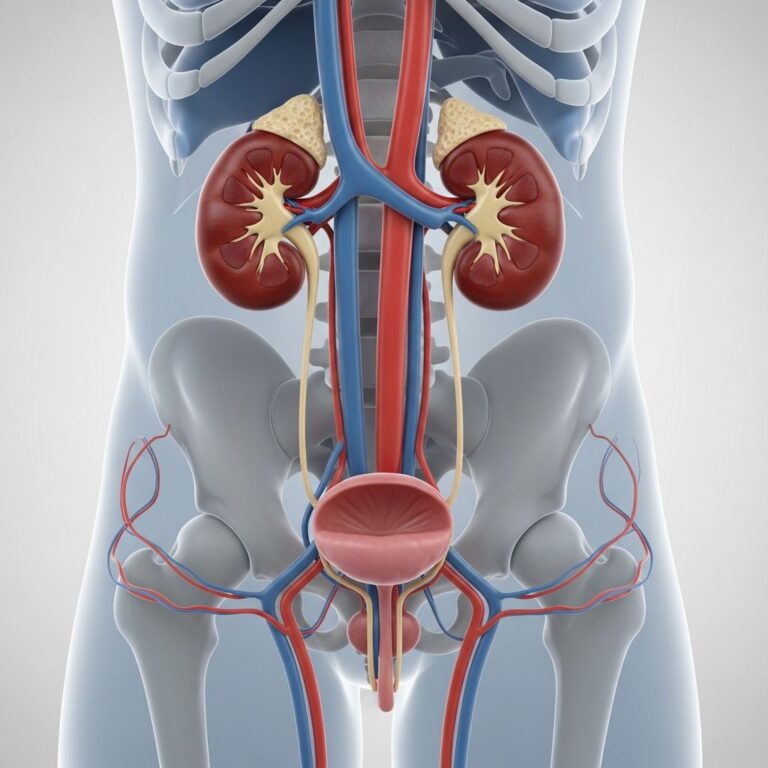
Upper tract infections, affecting kidneys or ureters, bring more severe indicators like flank pain, high fever, chills, nausea, and vomiting—demanding immediate care to avert kidney damage.
- Frequent urination: Persistent urge despite small volumes passed.
- Burning pain: Sharp discomfort at urine flow’s start.
- Urine changes: Cloudy, bloody, or odorous appearance.
- Systemic effects: Fever, back pain, or fatigue in advanced cases.
Some infections remain asymptomatic, especially in older adults, mimicking other issues like prostate inflammation (prostatitis).
Infection Locations and Their Impacts
UTIs classify by affected area:
| Region | Common Name | Key Symptoms |
|---|---|---|
| Bladder/Urethra | Cystitis/Urethritis | Burning urination, frequency, pelvic pain |
| Prostate | Prostatitis | Pelvic tenderness, painful ejaculation |
| Kidneys/Ureters | Pyelonephritis | Flank pain, fever, nausea |
Lower tract issues predominate in men, often tied to obstruction, while upper infections signal spread and urgency.
Primary Causes and Risk Factors
Bacteria like E. coli from the gut typically initiate UTIs by entering the urethra. In men, key triggers include:
- Prostate enlargement (BPH): Blocks urine flow post-50, trapping bacteria.
- Sexual activity: STDs such as chlamydia or gonorrhea inflame the urethra in younger men.
- Stones or strictures: Kidney stones or urethral scarring hinder drainage.
- Medical interventions: Catheters or prostate biopsies introduce pathogens.
- Health conditions: Diabetes weakens immunity; dehydration concentrates urine.
Recurrent UTIs may stem from immune responses causing ongoing inflammation.
When to Seek Medical Help
Any persistent urinary discomfort warrants a doctor’s visit, especially with fever or back pain indicating potential kidney involvement. Untreated UTIs risk sepsis—a bloodstream infection with high mortality—or chronic kidney issues.
Men should note UTIs often reveal prostate problems; urologists investigate via history, exam, and tests.
Diagnostic Approaches
Diagnosis starts with urinalysis to detect bacteria, white cells, or blood. Urine culture identifies the pathogen for targeted antibiotics. Imaging like ultrasound or CT scans checks for stones/blockages; prostate-specific antigen (PSA) or digital rectal exam assesses gland health.
Related Stories



Cystoscopy visualizes the urethra/bladder if recurrence persists.
Treatment Strategies
Antibiotics form the cornerstone, selected per culture results—typically 7-14 days for men due to complexity. Common options include nitrofurantoin or trimethoprim-sulfamethoxazole; severe cases need IV therapy.
Symptom relief involves:
- Phenazopyridine for burning.
- Hydration to flush bacteria.
- Pain relievers like ibuprofen.
Address root causes: prostate surgery for BPH, stone removal, or diabetes management.
Preventive Measures for Long-Term Protection
Lower recurrence by:
- Staying hydrated: 8-10 glasses daily dilutes urine.
- Urinating post-sex: Clears potential pathogens.
- Hygiene practices: Wipe front-to-back; avoid irritants.
- Prostate monitoring: Regular check-ups for older men.
- Cranberry products: Some evidence suggests they hinder bacterial adhesion, though not definitive.
Avoid holding urine; manage chronic conditions proactively.
Complications to Watch For
Beyond sepsis, chronic UTIs foster prostate abscesses or renal scarring. Recurrent episodes heighten resistance risks, complicating future care.
FAQs on UTIs in Men
Can young men get UTIs?
Yes, often from STDs or uncircumcised hygiene issues, but rare without risks.
Do UTIs resolve without antibiotics?
Simple cases might, but men risk complications; treatment is advised.
How long do symptoms last with treatment?
Improvement in 1-2 days; complete course prevents relapse.
Are cranberry supplements effective?
They may reduce risk modestly; not a cure-all.
Does prostate size always cause UTIs?
No, but enlargement heightens odds by 50+.
Living Well After a UTI
Post-treatment, track symptoms and follow-ups ensure clearance. Lifestyle tweaks like balanced diet, exercise, and blood sugar control bolster urinary health. Men with frequent UTIs benefit from urology specialists for tailored plans.
Understanding UTIs empowers men to act swiftly, safeguarding kidney and prostate function long-term.
References
- Urinary Tract Infections (UTIs) in Men: Causes, Symptoms… — WebMD. 2023. https://www.webmd.com/men/urinary-tract-infection-in-men
- Male Urinary Tract Infections — Pacific Coast Urology Medical Center. 2024. https://www.pacificcoasturology.com/male-urinary-tract-infections/
- Can Men Get UTIs? — Atlantic Health System. 2024-05-01. https://ahs.atlantichealth.org/about-us/stay-connected/news/content-central/2024/can-men-get-utis.html
- Urinary tract infection (UTI) – Symptoms and causes — Mayo Clinic. 2023-11-15. https://www.mayoclinic.org/diseases-conditions/urinary-tract-infection/symptoms-causes/syc-20353447
- Urinary Tract Infection Basics — CDC. 2024. https://www.cdc.gov/uti/about/index.html
- Urinary Tract Infection (UTI): Causes, Symptoms & Treatment — Cleveland Clinic. 2023-09-28. https://my.clevelandclinic.org/health/diseases/9135-urinary-tract-infections
Similar Articles








Read full bio of Sneha Tete