UTIs In Pregnancy: 5 Practical Prevention Strategies
Understand urinary tract infections during pregnancy, their causes, symptoms, risks, and safe management strategies for mother and baby.

Urinary tract infections (UTIs) affect about 8% of pregnancies, ranging from mild bladder infections to serious kidney involvement, and require prompt attention to protect both mother and baby.
Why UTIs Are More Common During Pregnancy
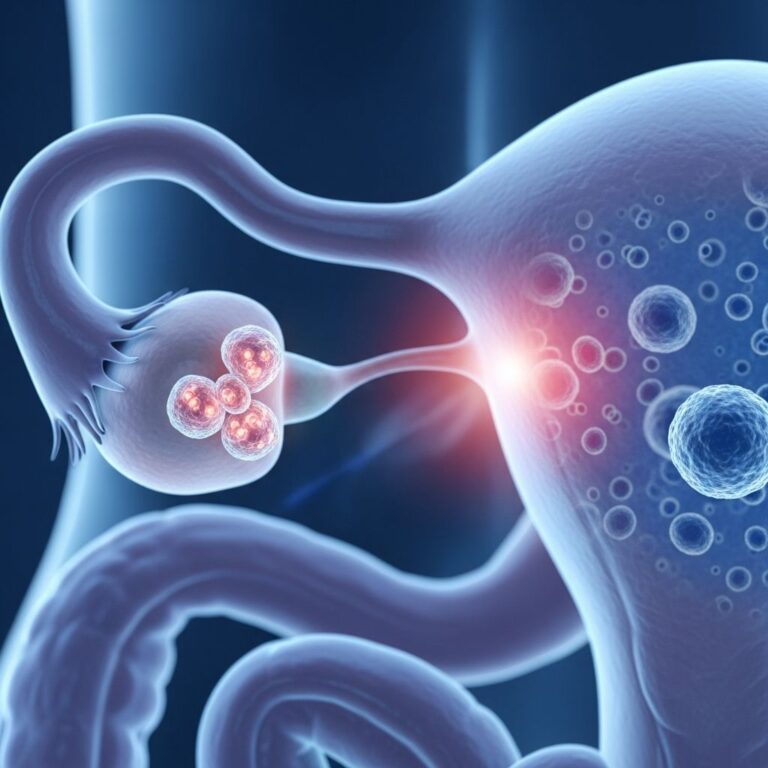
Pregnancy triggers significant changes in the urinary system that heighten infection risk. Hormonal shifts, particularly increased progesterone, relax ureter muscles, causing dilation and slowing urine flow from kidneys to bladder. The growing uterus compresses ureters and bladder, leading to incomplete emptying and urine stasis—a perfect environment for bacterial growth.
These factors promote vesicoureteral reflux, where urine backs up, allowing bacteria like Escherichia coli (E. coli), the primary culprit in 80-90% of cases, to ascend from the urethra. Reduced urine acidity and higher levels of proteins and sugars further favor bacterial proliferation. Risk peaks between weeks 6 and 24, with ureteral dilation affecting 90% of pregnant women.
Recognizing UTI Symptoms in Expectant Mothers
Symptoms can mimic normal pregnancy discomforts like frequent urination, so vigilance is key. Common signs of lower UTI (cystitis) include:
- Burning or stinging sensation during urination
- Frequent, urgent need to urinate with little output
- Cloudy, bloody, dark, or foul-smelling urine
- Mild lower abdominal or pelvic pain
- Mild fever or chills
Upper UTI (pyelonephritis) signals escalate with:
- High fever (over 38°C or 100.4°F)
- Flank or back pain, often one-sided
- Nausea, vomiting, or diarrhea
- Costovertebral angle tenderness on exam
Pyelonephritis affects 1-2% of pregnancies but demands immediate care due to severity. Blood in urine (hematuria) is rarer but indicates inflammation.
Health Risks for Mother and Baby
Untreated UTIs pose serious threats. Asymptomatic bacteriuria progresses to cystitis in 30% and pyelonephritis in 50% of cases. Maternal complications include sepsis, respiratory distress, and clotting disorders.
For the fetus, risks encompass preterm labor, low birth weight, and growth restriction. Pyelonephritis correlates with higher ICU admissions and adverse neonatal outcomes. Early intervention mitigates these dangers substantially.
| UTI Type | Maternal Risks | Fetal/Neonatal Risks |
|---|---|---|
| Asymptomatic Bacteriuria | Progression to symptomatic infection | Low birth weight, preterm delivery |
| Cystitis (Bladder) | Abdominal pain, fever | Increased preterm risk |
| Pyelonephritis (Kidney) | Sepsis, ARDS, DIC | Preterm birth, growth issues |
How UTIs Are Diagnosed
Diagnosis starts with urinalysis showing bacteria, white blood cells, or nitrites, confirmed by urine culture. For pyelonephritis suspicion (fever ≥38°C plus UTI signs), blood tests check for leukocytosis or anemia, and ultrasound detects kidney issues. ACOG recommends screening all pregnant women at the first prenatal visit via clean-catch urine culture, treating positives even without symptoms. Repeat screening may occur in high-risk cases.
Safe Treatment Options
Antibiotics are the cornerstone, selected for pregnancy safety. First-line choices like nitrofurantoin, cephalexin, or amoxicillin clear infections effectively with low fetal risk. Treatment duration is typically 3-7 days for cystitis, longer for pyelonephritis, often requiring hospitalization for IV antibiotics.
Related Stories



Follow-up cultures ensure clearance. Symptom relief includes hydration, urinary analgesics like phenazopyridine (short-term), and rest. Avoid untreated cases, as they heighten complications. UTIs do not directly cause miscarriage but untreated ones can indirectly through preterm labor.
Practical Prevention Strategies
Proactive steps reduce UTI incidence:
- Hydrate abundantly: Drink 8-10 glasses of water daily to flush bacteria.
- Urinate frequently: Go when needed; don’t hold it.
- Hygiene habits: Wipe front-to-back, urinate post-sex, avoid irritating products.
- Cranberry products: Supplements may prevent bacterial adhesion (evidence mixed).
- Clothing choices: Wear cotton underwear, avoid tight synthetics.
Regular prenatal checks catch issues early. High-risk women (history of UTIs, diabetes) benefit from prophylactic antibiotics.
When to Contact Your Healthcare Provider
Seek immediate care for fever, severe pain, vomiting, or blood in urine. Even mild symptoms warrant a check, as pregnancy alters UTI presentation. Routine prenatal urine tests enable early detection.
Frequently Asked Questions (FAQs)
Can a UTI harm my unborn baby?
Yes, untreated UTIs raise preterm birth and low birth weight risks, but treatment prevents this.
Are antibiotics safe in pregnancy?
Specific antibiotics like cephalexin are FDA-approved for pregnancy use and effectively treat UTIs without harming the fetus.
How can I tell if frequent urination is a UTI or normal pregnancy?
Accompanying burning, cloudy urine, or pain suggests UTI; consult your provider for urinalysis.
Does cranberry juice prevent UTIs?
It may help by inhibiting bacterial attachment, but it’s not a substitute for medical treatment.
What if I have recurrent UTIs?
Your doctor may recommend low-dose prophylactic antibiotics after evaluation.
Long-Term Outlook and Monitoring
With prompt treatment, most pregnant women recover fully without lasting effects. Postpartum, UTIs resolve, but monitor for persistence. Breastfeeding-compatible antibiotics ensure continuation if needed. Educating expectant mothers empowers better outcomes.
UTIs, though common, are manageable. Routine screening and swift response minimize risks, supporting healthy pregnancies.
References
- Urinary Tract Infection (UTI) During Pregnancy: Causes, Symptoms and Prevention — Rela Institute. 2023. https://www.relainstitute.com/articles/urinary-tract-infection-during-pregnancy-causes-symptoms-and-prevention/
- Urinary Tract Infections in Pregnant Individuals — American College of Obstetricians and Gynecologists (ACOG). 2023-08. https://www.acog.org/clinical/clinical-guidance/clinical-consensus/articles/2023/08/urinary-tract-infections-in-pregnant-individuals
- What to Know About Urinary Tract Infections During Pregnancy — UNM Health. 2023-06. https://unmhealth.org/stories/2023/06/uti-during-pregnancy.html
- UTI during pregnancy: a clinical manifestation of severe health concern — MedCrave Online. N/A. https://medcraveonline.com/JBMOA/uti-during-pregnancy-a-clinical-manifestation-of-severe-health-concern.html
- Urinary Tract Infections During Pregnancy — American Academy of Family Physicians (AAFP). 2000-02-01. https://www.aafp.org/pubs/afp/issues/2000/0201/p713.html
Similar Articles








Read full bio of Sneha Tete