UTIs In Women: Symptoms, Risks, And Care Guide
Discover essential facts on urinary tract infections in women, from common signs to prevention strategies for better urinary health.
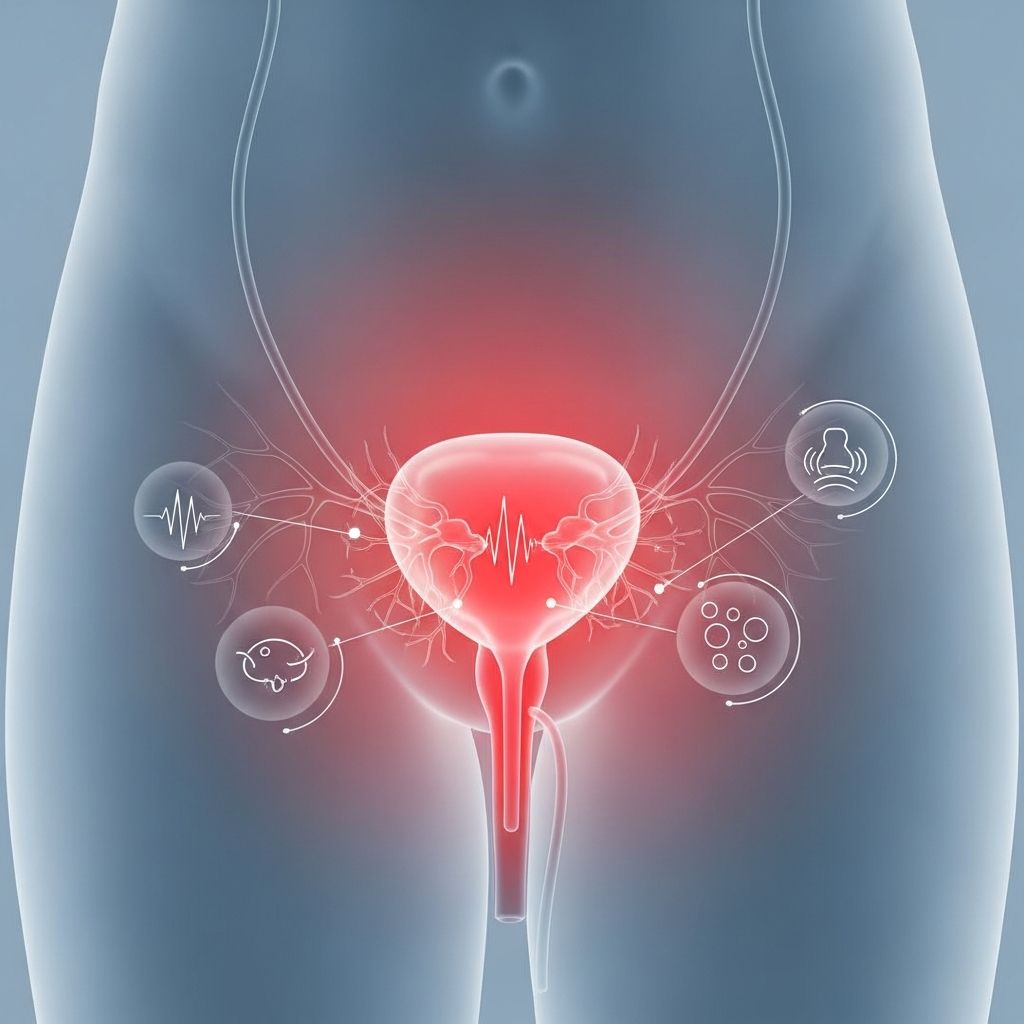
Urinary tract infections (UTIs) represent one of the most prevalent bacterial infections affecting women, often targeting the bladder and urethra but capable of ascending to the kidneys if untreated. These infections arise when harmful bacteria, primarily from the gastrointestinal tract, enter the urinary system, leading to inflammation and discomfort.
Understanding the Urinary System and Infection Sites
The urinary tract comprises the kidneys, which filter waste from the blood to produce urine; ureters, tubes carrying urine to the bladder; the bladder itself, which stores urine; and the urethra, through which urine exits the body. In women, the shorter urethra heightens vulnerability to bacterial entry compared to men.
Lower tract infections typically involve the bladder (cystitis) or urethra (urethritis), causing localized irritation. Upper tract involvement, reaching the kidneys (pyelonephritis), demands urgent attention due to potential complications like sepsis.
Recognizing Key Symptoms of UTIs
Early identification of UTI symptoms can prevent escalation. Common indicators include:
- A sharp
burning sensation
during urination, often the first noticeable sign. - Frequent, urgent need to urinate, even with minimal urine output.
- Cloudy, strong-smelling, or blood-tinged urine, signaling bacterial presence or irritation.
- Pelvic or lower abdominal discomfort, ranging from pressure to cramping.
When infections ascend to the kidneys, additional severe symptoms emerge:
- High fever, chills, and shaking.
- Flank pain (sides or back below the ribs).
- Nausea, vomiting, and fatigue.
In older women, symptoms may be subtler, mimicking other conditions like confusion or weakness, underscoring the need for prompt medical evaluation.
Types of UTIs and Their Distinct Features
UTIs vary by affected area, influencing symptom profiles and treatment urgency. The following table outlines key differences:
| Site | Main Symptoms | Potential Severity |
|---|---|---|
| Bladder (Cystitis) | Painful urination, urgency, lower belly pain, bloody urine | Usually mild, treatable |
| Urethra (Urethritis) | Burning at urination start, possible discharge | Mild, but can indicate STIs |
| Kidneys (Pyelonephritis) | Fever, back/side pain, nausea, chills | Serious, requires immediate care |
Primary Causes and Bacterial Culprits
Over 90% of uncomplicated UTIs stem from Escherichia coli (E. coli), a bacterium normally residing in the intestines that migrates to the urinary tract via poor hygiene, sexual activity, or anatomical factors. Other pathogens include sexually transmitted infections like chlamydia or gonorrhea, particularly in urethritis cases.
Bacteria enter through the urethra, proliferating in the bladder’s warm, nutrient-rich environment. Urine stagnation from incomplete emptying exacerbates risk.
Why Women Face Higher UTI Risks
Women’s anatomy predisposes them to UTIs: the urethra’s proximity to the anus and vagina facilitates bacterial transfer, while its brevity (about 4 cm versus 20 cm in men) shortens the pathogen travel distance. Hormonal shifts during menopause reduce protective estrogen, thinning urethral tissues and impairing immunity.
Related Stories



Recurrent UTIs affect up to 25% of women post-initial episode, often linked to genetic predispositions or biofilm formation by persistent bacteria.
Risk Factors Amplifying UTI Likelihood
Several modifiable and non-modifiable factors elevate susceptibility:
- Sexual intercourse, which introduces bacteria.
- Diaphragm or spermicide use, altering vaginal flora.
- Urinary retention from conditions like prolapse or neurological issues.
- Catheterization or recent urinary procedures.
- Pregnancy, diabetes, or immunosuppression.
- Inadequate hydration, promoting bacterial concentration.
Diagnostic Approaches for Confirmation
Healthcare providers diagnose UTIs via urinalysis, detecting white blood cells, nitrites (bacterial byproduct), and blood. Urine culture identifies the specific pathogen and antibiotic sensitivity, crucial for recurrent or complicated cases. Imaging or cystoscopy may assess structural issues in persistent infections.
Effective Treatment Strategies
Antibiotics form the cornerstone, with choices like nitrofurantoin or trimethoprim-sulfamethoxazole for uncomplicated cases, typically resolving symptoms in 1-3 days. Severe kidney infections necessitate hospitalization and IV antibiotics.
Symptom relief includes phenazopyridine for burning pain and increased fluids to flush bacteria. Complete the full antibiotic course to avert resistance.
Prevention Tactics for Long-Term Protection
Proactive measures significantly curb recurrence:
- Hydrate abundantly: Aim for 2-3 liters daily to dilute urine and promote flushing.
- Urinate post-sex: Clears introduced bacteria promptly.
- Wipe front-to-back: Prevents anal-vaginal-urethral bacterial spread.
- Avoid irritants: Limit caffeine, alcohol, and spermicides.
- Cranberry products: Proanthocyanidins may inhibit bacterial adhesion, per some studies.
For frequent sufferers, low-dose prophylactic antibiotics or post-intercourse dosing may be prescribed.
When to Seek Urgent Medical Help
Consult a doctor immediately for fever over 38°C, persistent vomiting, severe pain, or symptoms lasting beyond 48 hours post-treatment start. Pregnant women, those with diabetes, or recurrent cases warrant specialist referral to prevent complications like preterm labor or renal damage.
FAQs on UTIs in Women
Q: Can UTIs resolve without antibiotics?
A: Mild cases might self-limit, but antibiotics are recommended to prevent kidney spread and resistance.
Q: Do home remedies like garlic or yogurt work?
A: They support immunity but lack evidence replacing antibiotics; consult professionals.
Q: How to differentiate UTI from yeast infection?
A: UTIs cause urinary burning/urgency; yeast infections involve itching/discharge. Both may coexist.
Q: Are UTIs contagious?
A: No, but sexual activity can transmit bacteria facilitating infection.
Q: What role does diet play in prevention?
A: Hydrating foods, vitamin C-rich fruits acidify urine, hindering bacteria.
Long-Term Management for Recurrent UTIs
Women experiencing three or more UTIs yearly benefit from urologist evaluation for underlying issues like stones or vesicoureteral reflux. Vaginal estrogen cream restores post-menopausal protection, while D-mannose supplements show promise in binding E. coli.
Lifestyle audits—tracking triggers via apps—empower personalized prevention. Regular check-ups monitor kidney function via blood tests if history suggests chronicity.
References
- Urinary tract infection (UTI) – Symptoms and causes — Mayo Clinic. 2023-10-15. https://www.mayoclinic.org/diseases-conditions/urinary-tract-infection/symptoms-causes/syc-20353447
- Urinary Tract Infection (UTI) — CU Anschutz Medical Campus. 2024-05-20. https://medschool.cuanschutz.edu/womens-health/clinics/health-info/uti
- Symptoms & Causes of Bladder Infection in Adults — National Institute of Diabetes and Digestive and Kidney Diseases (NIDDK). 2023-08-10. https://www.niddk.nih.gov/health-information/urologic-diseases/bladder-infection-uti-in-adults/symptoms-causes
- Urinary Tract Infection Basics — Centers for Disease Control and Prevention (CDC). 2024-02-05. https://www.cdc.gov/uti/about/index.html
- Urinary Tract Infections — National Kidney Foundation. 2023-11-12. https://www.kidney.org/kidney-topics/urinary-tract-infections
- Urinary Tract Infection (UTI): Causes, Symptoms & Treatment — Cleveland Clinic. 2024-01-18. https://my.clevelandclinic.org/health/diseases/9135-urinary-tract-infections
- Urinary tract infections (UTIs) — National Health Service (NHS). 2024-03-22. https://www.nhs.uk/conditions/urinary-tract-infections-utis/
Similar Articles








Read full bio of Sneha Tete