UTIs Through Life Stages: 7 Age-Specific Risks & Care Tips
Discover how urinary tract infections affect infants, children, adults, and seniors, with tailored prevention and treatment strategies for each phase.
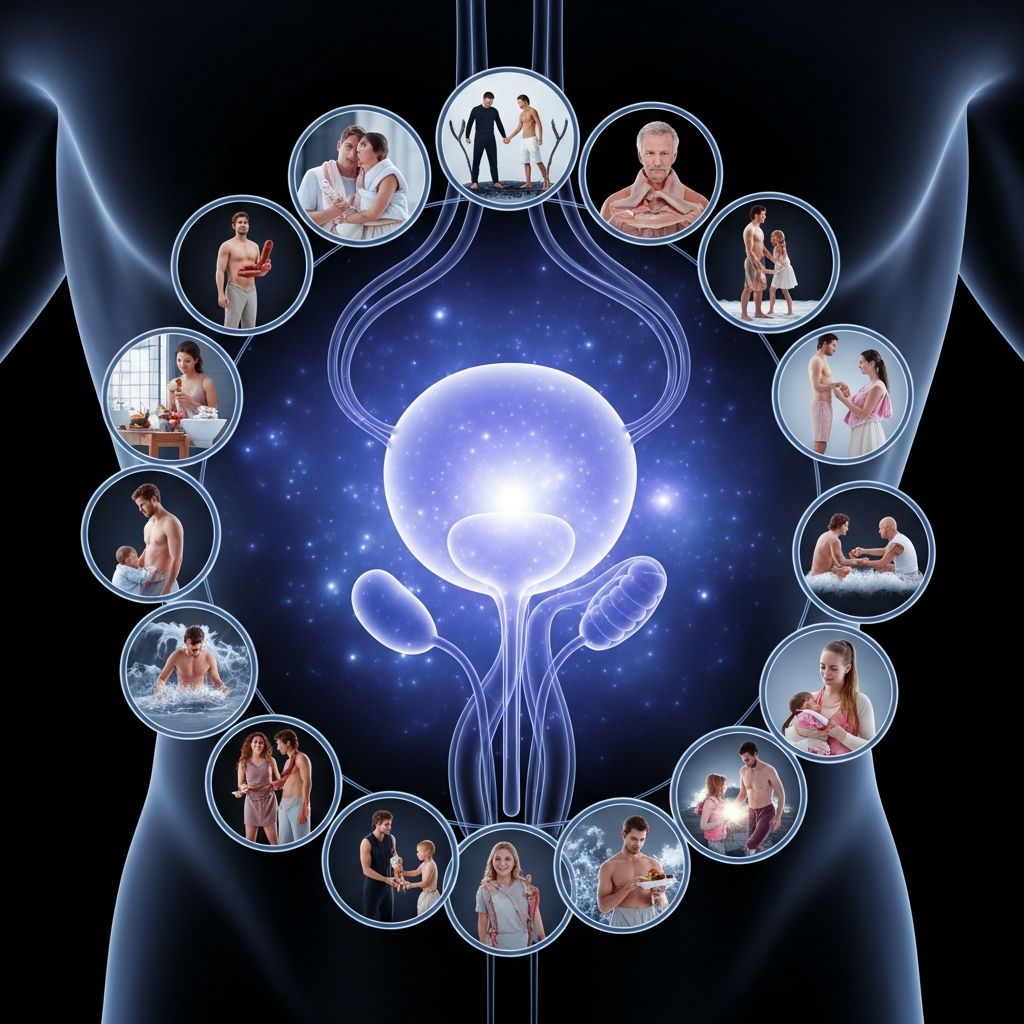
Urinary tract infections (UTIs) represent one of the most prevalent bacterial infections, impacting the bladder, urethra, ureters, or kidneys. Caused primarily by Escherichia coli (E. coli) from the gastrointestinal tract, these infections lead to inflammation and discomfort. While treatable with antibiotics, their presentation, risk factors, and management vary significantly by age group, making age-specific awareness essential for effective care.
The Anatomy of a UTI: Understanding the Basics
The urinary system comprises the kidneys, ureters, bladder, and urethra. Bacteria typically enter via the urethra, multiplying in the bladder if not flushed out by urination. Women face higher risks due to shorter urethras, facilitating bacterial ascent. Common symptoms across ages include painful urination (dysuria), frequent urges, and lower abdominal discomfort, though severity escalates if the infection reaches the kidneys (pyelonephritis).
| UTI Location | Key Symptoms |
|---|---|
| Bladder (Cystitis) | Pelvic pressure, frequent/painful urination, blood in urine |
| Kidneys (Pyelonephritis) | Back/side pain, high fever, chills, nausea |
| Urethra (Urethritis) | Burning with urination, discharge |
UTIs in Infants and Toddlers: Silent Threats
In babies and young children, UTIs often lack classic symptoms, presenting instead as unexplained fever, irritability, poor feeding, or vomiting. Newborn boys, especially uncircumcised, and girls with urinary tract anomalies like vesicoureteral reflux (VUR) are particularly vulnerable. Diagnosis requires urine testing via catheterization or suprapubic aspiration to avoid contamination.
- Fever without obvious source signals possible UTI in infants under 2 months.
- Jaundice or failure to thrive may accompany infections in neonates.
- Imaging like ultrasounds detects structural issues post-infection.
Treatment involves antibiotics like amoxicillin or cephalexin, dosed by weight, typically for 7-14 days. Prophylactic antibiotics prevent recurrences in those with VUR. Prevention emphasizes hygiene: frequent diaper changes, proper wiping (front to back for girls), and adequate hydration.
School-Age Children: Recognizing and Preventing Recurrences
Children aged 2-12 may report burning during urination, daytime accidents, or foul-smelling urine. Constipation heightens risk by compressing the bladder, while holding urine during play exacerbates issues. Girls outnumber boys in incidence due to anatomy.
Diagnosis confirms via urinalysis showing white blood cells or nitrites, followed by culture for targeted antibiotics like trimethoprim-sulfamethoxazole. Recurrent cases (3+ per year) warrant cystoscopy or voiding cystourethrogram to rule out obstructions.
- Encourage regular bathroom breaks every 2-3 hours.
- High-fiber diets combat constipation.
- Cranberry products show mixed efficacy but may aid prevention.
Long-term low-dose antibiotics curb frequent infections, with most outgrowing risks by adolescence.
Adolescent Girls and Young Women: Peak Vulnerability
Puberty introduces hormonal shifts and sexual activity, spiking UTI rates in females. Symptoms mirror adults: urgency, dysuria, suprapubic pain. Risk amplifiers include spermicides, diaphragms, and new partners.
Prompt antibiotics (nitrofurantoin or fosfomycin for uncomplicated cases) resolve most within days. Recurrent UTIs affect 20-30% post-initial episode; post-coital voiding and D-mannose supplements offer non-antibiotic options.
Related Stories



Prevention Strategies:
- Hydrate generously (8+ glasses daily).
- Urinate before/after intercourse.
- Avoid irritants like caffeine, spicy foods.
UTIs in Adult Men: Less Common but More Complex
Men experience fewer UTIs due to longer urethras, but prostate enlargement (BPH), stones, or catheters elevate risks, especially over 50. Symptoms include weak stream, urgency, and possible hematuria. Prostate involvement (prostatitis) prolongs treatment.
Diagnosis often requires prostate exam; fluoroquinolones treat bacterial prostatitis over 4-6 weeks. Surgery addresses underlying blockages.
Pregnancy and UTIs: A Special Concern
Pregnant women face 8-10% UTI risk, with untreated cases risking preterm labor or low birth weight. Asymptomatic bacteriuria needs screening and treatment at first prenatal visit. Nitrofurantoin (avoid near term) or beta-lactams are safe choices.
Monitor with monthly cultures; hydration and perineal hygiene are key.
Menopause and Beyond: Hormonal Shifts Increase Risks
Estrogen decline thins vaginal and urethral linings, allowing bacterial overgrowth. Postmenopausal women see doubled UTI rates; atrophic vaginitis mimics symptoms. Topical estrogen creams restore flora, reducing episodes by 50%.
Seniors: Complicated Infections and Cognitive Challenges
In older adults, UTIs manifest as confusion, falls, or incontinence rather than dysuria, delaying diagnosis. Comorbidities like diabetes, catheters, or immobility compound issues; 10-30% develop pyelonephritis. Extended antibiotics and hospital care may be needed for systemic symptoms.
Caregiver tips: liberal fluids, scheduled toileting, condom catheters for men.
Diagnosis Methods Across Ages
Urinalysis detects leukocytes, nitrites; culture identifies pathogens and sensitivities. Dipstick tests suit acute settings, but cultures guide therapy in children, elderly, or recurrent cases. Imaging (ultrasound, CT) evaluates complications like abscesses.
Treatment Protocols: Antibiotics and Supportive Care
First-line agents: nitrofurantoin (5 days), TMP-SMX (3 days), fosfomycin (single dose) for uncomplicated UTIs. Complete courses prevent resistance. Symptom relief via phenazopyridine, ibuprofen; IV antibiotics for kidney involvement.
Recurrent management: prophylaxis, methenamine, or vaccines in trials.
Prevention: Lifestyle and Medical Interventions
| Life Stage | Key Prevention Tips |
|---|---|
| Infants/Children | Hygiene, hydration, treat constipation |
| Young Women | Post-sex voiding, cotton underwear |
| Men/Seniors | Prostate health, catheter care |
| Pregnancy/Menopause | Screening, vaginal estrogen |
When to Seek Emergency Care
- High fever (>101°F), vomiting, flank pain: suspect kidney infection.
- No improvement after 48 hours of antibiotics.
- Blood in urine, severe pain, or confusion in elderly.
FAQs
Can UTIs resolve without antibiotics?
Minor bladder infections may self-resolve, but antibiotics are recommended to prevent ascent, especially with fever or pregnancy.
Are cranberry products effective?
Evidence is moderate; they may reduce recurrence via proanthocyanidins blocking bacterial adhesion.
How to prevent UTIs during pregnancy?
Regular screening, hydration, and prompt treatment of bacteriuria.
What if antibiotics fail?
Reculture for resistance; consider imaging for stones or abscesses.
Do men need special UTI care?
Yes, longer courses and prostate evaluation due to complexity.
Outlook and Long-Term Management
Most UTIs cure quickly with proper care, but recurrences demand investigation. Lifestyle adjustments and vigilant monitoring optimize lifelong urinary health.
References
- Urinary Tract Infection (UTI): Causes, Symptoms & Treatment — Cleveland Clinic. 2023-10-10. https://my.clevelandclinic.org/health/diseases/9135-urinary-tract-infections
- Urinary tract infection (UTI) – Symptoms and causes — Mayo Clinic. 2023-08-15. https://www.mayoclinic.org/diseases-conditions/urinary-tract-infection/symptoms-causes/syc-20353447
- What is a UTI? — Causes, Symptoms & Treatment — CVS MinuteClinic. 2024-02-01. https://www.cvs.com/minuteclinic/services/urinary-tract-and-bladder-infections
- Urinary Tract Infection Fact Sheet — Yale Medicine. 2023-05-20. https://www.yalemedicine.org/conditions/urinary-tract-infection
- Urinary Tract Infection Basics — CDC. 2023-11-15. https://www.cdc.gov/uti/about/index.html
- Uncomplicated Urinary Tract Infections — NCBI StatPearls. 2023-07-17. https://www.ncbi.nlm.nih.gov/books/NBK470195/
- Urinary Tract Infections in Adults — Urology Care Foundation. 2023-09-01. https://www.urologyhealth.org/urology-a-z/u/urinary-tract-infections-in-adults
Similar Articles








Read full bio of medha deb