UV Protection For Eczema-Prone Skin: Expert Guide
Navigate sun safety while managing eczema with expert guidance on protective strategies
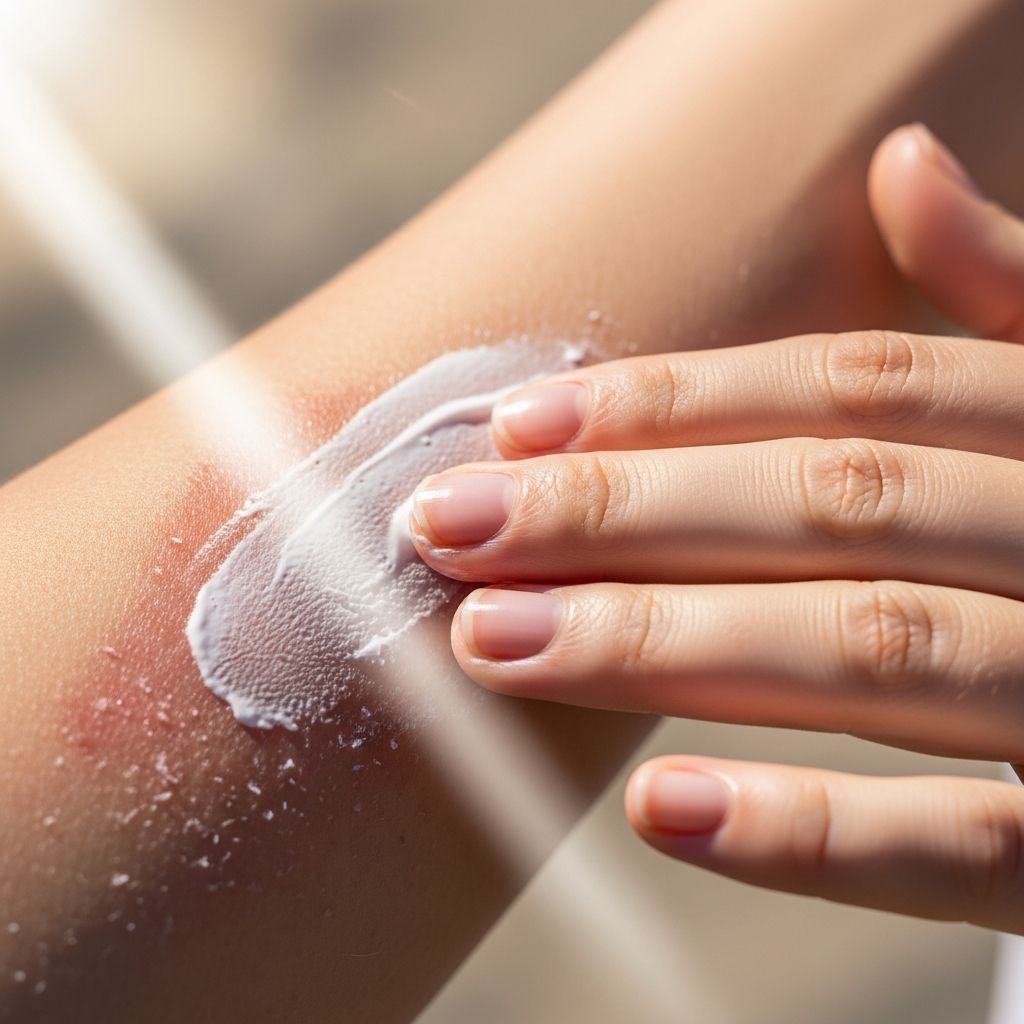
Managing eczema requires careful attention to environmental triggers, and sun exposure represents one of the most significant challenges for individuals with this chronic skin condition. While many people with eczema notice temporary relief when spending time in sunlight, the reality is far more complex. The sun’s ultraviolet (UV) radiation can trigger or worsen eczema symptoms in many individuals, making proper sun protection an essential component of a comprehensive skincare strategy. This guide explores the relationship between sun exposure and eczema, explains why sun protection matters, and provides practical recommendations for selecting and using appropriate sun protection products.
The Paradox of Sun Exposure and Eczema
The relationship between sunlight and eczema presents a confusing picture for many sufferers. Some individuals report that their eczema symptoms improve during sunny periods, leading them to believe that sun exposure is beneficial. However, dermatological research and clinical experience reveal a more nuanced reality. The temporary improvement some patients experience may reflect seasonal changes in humidity, reduced stress, or the temporary anti-inflammatory effects of moderate sun exposure on certain types of eczema such as contact dermatitis.
The risks, however, substantially outweigh these temporary benefits. Prolonged or intense UV exposure can trigger photoallergic contact dermatitis, a condition where the skin develops an allergic reaction specifically in response to ultraviolet radiation. Heat and sunlight work together to elevate skin temperature, which disrupts the skin barrier and intensifies itching and inflammation. Additionally, sun exposure accelerates moisture loss from the skin’s outer layers, worsening the dryness characteristic of eczema. The skin damage caused by unprotected sun exposure also increases the risk of skin cancer, a concern that applies equally to individuals with and without eczema.
Understanding Sunscreen Chemistry and Eczema Safety
Sunscreen products fall into two primary categories based on their active ingredients: mineral-based and chemical-based formulations. This distinction matters significantly for people with eczema because the two types function through fundamentally different mechanisms.
Mineral sunscreens contain active ingredients such as zinc oxide or titanium dioxide. These minerals sit on the skin’s surface and work by reflecting and scattering UV rays before they penetrate the skin. Because they remain on the surface and do not require absorption into the skin, mineral sunscreens generally cause less irritation and are less likely to trigger eczema flare-ups. They begin protecting skin immediately upon application and typically work well for sensitive skin types.
Chemical sunscreens function through a different process. Their active ingredients absorb into the skin and convert UV radiation into heat, which is then released from the skin. This process requires the ingredients to penetrate the skin barrier, and for people with compromised skin barriers—a hallmark of eczema—this penetration can trigger irritation, allergic reactions, or contact dermatitis. Additionally, many chemical sunscreen ingredients are known sensitizers that may provoke reactions in eczema-prone skin.
Beyond the primary active ingredients, numerous other components in sunscreen formulations can irritate eczema-prone skin. Synthetic fragrances consistently appear in dermatological literature as common irritants, even in products labeled as hypoallergenic. Alcohol and preservatives such as phenoxyethanol can further compromise the skin barrier and trigger inflammatory responses. When selecting a sunscreen, examining the complete ingredient list matters as much as understanding the primary UV protection mechanism.
Related Stories



Essential Ingredient Considerations for Eczema-Safe Sunscreens
Beyond choosing mineral over chemical formulations, several ingredient characteristics influence whether a sunscreen will be well-tolerated by eczema-affected skin.
Soothing and hydrating components actively benefit eczema-prone skin by reducing inflammation and supporting skin barrier repair. Beneficial ingredients to seek include:
- Aloe vera, which provides cooling relief and contains compounds with anti-inflammatory properties
- Calendula extract, traditionally used to soothe irritated skin
- Chamomile flower extract, another botanical with recognized calming properties
- Vitamin E, a potent antioxidant that supports skin health
- Natural oils such as macadamia, sunflower, coconut, jojoba, and shea butter, which provide hydration and support barrier function
- Avocado oil, containing beneficial fatty acids and vitamins
Products formulated with these ingredients provide dual benefits: sun protection combined with therapeutic skincare that actually improves skin condition rather than simply avoiding irritation.
Ingredient exclusions prove equally important. Beyond avoiding synthetic fragrances, individuals with eczema should identify and avoid sunscreens containing phenoxyethanol, parabens, and other known irritants. Hypoallergenic formulations—those specifically developed to minimize allergic reactions—represent a safer choice for eczema-prone individuals.
Interpreting SPF and Broad-Spectrum Protection
Sun protection factor (SPF) numbers indicate a product’s ability to block UVB rays, which cause sunburn and contribute to skin damage. However, SPF tells only part of the protection story. The American Academy of Dermatology recommends minimum SPF 30 for daily use, which blocks approximately 97% of UVB rays. However, SPF 50 formulations provide modestly superior protection, blocking approximately 98% of UVB radiation. The difference between SPF 30 and SPF 50 is relatively small in practical terms, but for individuals with eczema dealing with compromised skin barrier function, this additional 1% of protection can matter.
Equally important is broad-spectrum protection, which indicates that the sunscreen protects against both UVA and UVB radiation. UVA rays penetrate deeply into skin layers and contribute to aging, immune suppression, and photoallergic reactions. UVB rays primarily affect the skin’s surface, causing sunburn and acute damage. Both types harm eczema-prone skin through different mechanisms. A broad-spectrum sunscreen must provide adequate UVA protection alongside UVB protection. In regions using the European system, look for products rated 4 or 5-star UVA protection to ensure comprehensive coverage.
Application Techniques That Maximize Protection
Selecting an appropriate sunscreen represents only the first step. How individuals apply sunscreen determines whether they receive adequate protection. Many people apply insufficient quantities, significantly reducing protection levels.
Application quantity matters critically. Dermatologists recommend applying 6-8 teaspoons of sunscreen to protect the entire body adequately. For facial application, the equivalent of one-quarter teaspoon to one-half teaspoon usually suffices. This may seem like generous amounts, but studies show that most people apply only 25-50% of recommended quantities, substantially reducing actual protection.
Application timing also influences effectiveness. Applying sunscreen at least 15-30 minutes before sun exposure allows the product to fully bind to skin and form a protective barrier. This timing is particularly important for mineral sunscreens, which function through surface coverage and benefit from adequate setting time.
Reapplication becomes necessary because sunscreen gradually breaks down through UV exposure, perspiration, water contact, and natural skin oil production. Experts recommend reapplying sunscreen every two hours during continuous sun exposure. After swimming, sweating, or towel-drying the skin, immediate reapplication becomes necessary to maintain protection. Water-resistant sunscreen formulations maintain some protection for 40-80 minutes in water, but complete reapplication after water exposure remains the safest approach.
Complete coverage prevents missed areas from becoming problems. Common sites for insufficient coverage include the ears, hands, feet, neck, and lips—areas where sun exposure frequently occurs but protection is often neglected. Creating a mental checklist ensures thorough application to all sun-exposed surfaces.
The Emollient-Sunscreen Timing Strategy
People managing eczema typically use moisturizing products (emollients) as a fundamental component of their daily skincare routine. Coordinating emollient application with sunscreen timing prevents complications and maximizes benefits of both products.
The recommended approach involves applying emollients first, then waiting approximately 30 minutes before applying sunscreen. This interval allows emollients to absorb and form a protective moisturizing layer. Without this gap, emollients on the skin surface can interfere with sunscreen’s ability to form a protective barrier, creating what dermatologists term a “frying effect.” This interference can actually intensify sun damage rather than prevent it. By maintaining the 30-minute interval, individuals with eczema ensure that both products function optimally without compromising protection.
Complementary Sun Protection Strategies
Sunscreen represents only one component of comprehensive sun protection. Additional strategies provide important backup protection, particularly for individuals with severe eczema or known photosensitivity.
Protective clothing offers complete physical barriers against UV radiation. Wide-brimmed hats shield the face, ears, and neck. Long-sleeved shirts and pants made from tightly woven fabrics block UV rays effectively. UV-protective clothing specifically engineered to block UV radiation is available for both adults and children, providing excellent options for those with severe sun sensitivity. Such clothing becomes the ideal choice for babies and young children whose skin is particularly vulnerable.
Timing and shade strategies reduce UV exposure intensity. The sun’s rays are strongest between 11 AM and 3 PM, so planning outdoor activities outside these peak hours significantly reduces exposure. Seeking shade during peak sun hours—under trees, umbrellas, or covered structures—provides substantial protection without requiring product application.
Sunglasses protect the delicate skin around the eyes and prevent eye damage from UV radiation. Look for sunglasses offering 100% UV protection to ensure complete eye safety.
Testing Sunscreens Before Full-Scale Use
Because eczema-prone skin reacts unpredictably to different products, dermatologists recommend conducting a patch test before committing to regular sunscreen use. A patch test involves applying a small amount of the new sunscreen to a limited skin area (such as the inner forearm) and observing that area for 3-5 days. If no irritation develops during this period, the product is likely safe for broader use. This simple precaution prevents discovering through a painful sunburn or eczema flare that a sunscreen incompatible with individual skin chemistry.
Professional Recommendations and Product Selection
Dermatologists and the National Eczema Society provide guidance on sunscreen selection based on collective clinical experience. Evidence-based recommendations consistently emphasize mineral-based, fragrance-free formulations as safest choices for eczema-prone skin.
Several products have emerged with positive reports from eczema communities:
- Heliocare Mineral Tolerance Fluid SPF50—specifically formulated for sensitive skin
- Isdin Fotoprotector Pediatrics Fusion Fluid Mineral Baby SPF50—designed for sensitive pediatric skin
- SunSense Sensitive SPF50+—developed for sensitive skin types
Additionally, some combination mineral-chemical formulations have proven suitable for individuals who struggle with pure mineral formulations:
- Altruist SPF30 and SPF50 options
- La Roche-Posay Anthelios Dermo-Pediatrics Lotion SPF50+
- Uvistat SPF30 and SPF50 formulations
However, individual skin chemistry varies significantly. What works excellently for one person may provoke reactions in another, making professional consultation valuable for identifying the most appropriate option for individual needs.
Managing Reactions to Sunscreen
Despite careful selection, some individuals with eczema develop reactions to specific sunscreen products. This occurrence does not indicate that sun protection is impossible, merely that a different formulation must be identified. Upon noticing irritation following sunscreen application or sun exposure, individuals should discontinue the product immediately and consult a healthcare professional for alternative recommendations.
Conclusion
Sun protection for individuals with eczema requires careful navigation of conflicting desires—the need for sun exposure’s potential benefits balanced against the substantial risks of UV damage. Evidence demonstrates that comprehensive sun protection, combining mineral-based sunscreens with complementary protective strategies, provides the safest approach. By selecting appropriate products, applying them correctly, and utilizing additional protection methods, individuals with eczema can safely enjoy outdoor activities while protecting their skin health and preventing long-term damage.
References
- A Guide to Sunscreen for Eczema — Healthgrades. https://resources.healthgrades.com/right-care/eczema/sunscreen-for-eczema
- How To Choose The Best Sunscreen For Eczema-Prone Skin — Mustela USA. https://www.mustelausa.com/blogs/mustela-mag/sunscreen-for-eczema
- Sun and eczema — National Eczema Society. https://eczema.org/information-and-advice/triggers-for-eczema/sun-and-eczema/
- Sunscreen FAQs — American Academy of Dermatology Association. https://www.aad.org/media/stats-sunscreen
- A Comprehensive Guide to Contact Dermatitis from Sunscreens — Austin Allergist. https://www.austinallergist.com/a-comprehensive-guide-to-contact-dermatitis-from-sunscreens-causes-symptoms-and-solutions/
Similar Articles








Read full bio of medha deb