UVB Phototherapy: 6 Essential FAQs, Benefits And Risks In 2025
Discover UVB phototherapy: a proven light therapy for psoriasis, eczema, vitiligo, and more skin conditions.
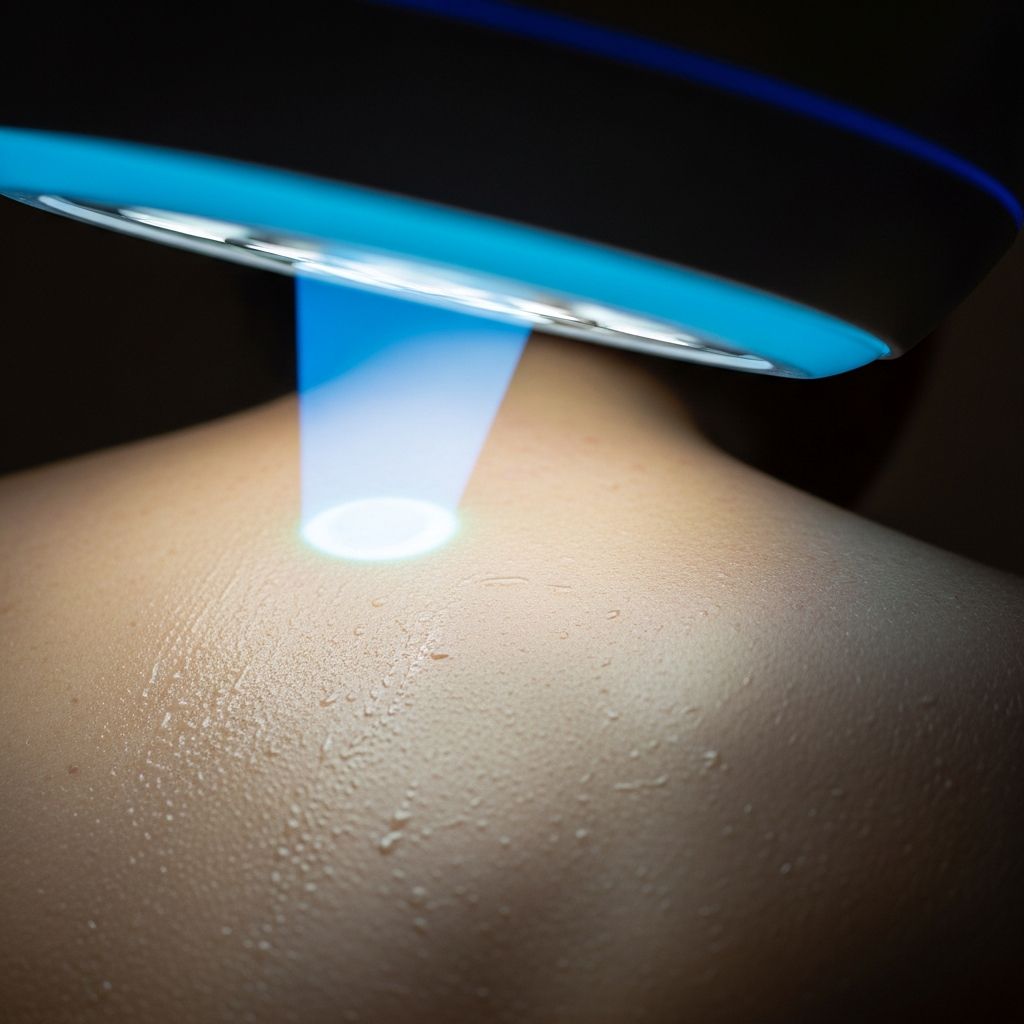
Ultraviolet B (UVB) phototherapy is a well-established treatment that delivers controlled shortwave ultraviolet radiation to the skin, effectively managing various dermatological conditions by suppressing DNA synthesis in skin cells and reducing inflammation.
Introduction
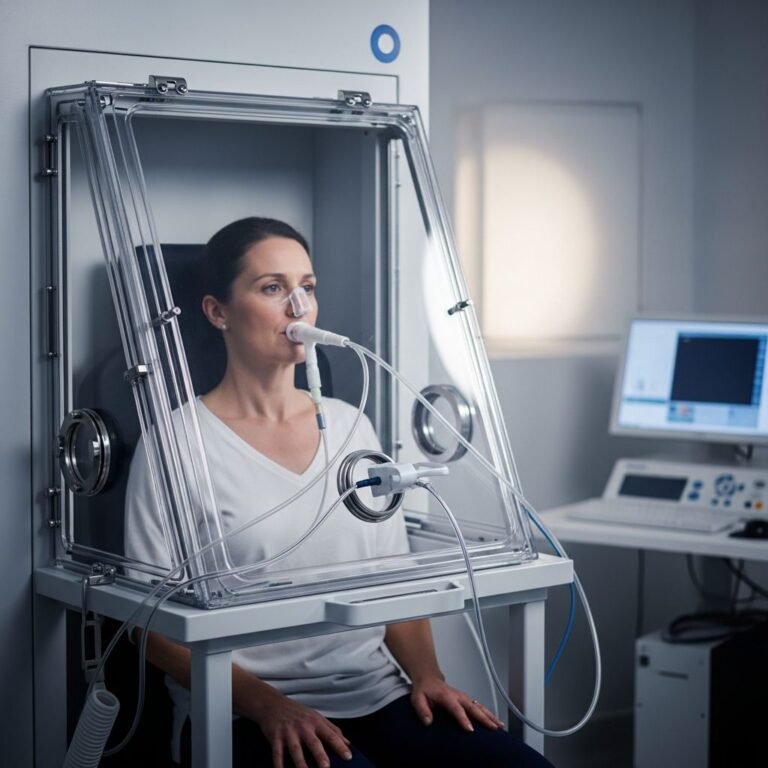
UVB phototherapy harnesses the therapeutic properties of ultraviolet B light, a component naturally present in sunlight, to treat chronic skin disorders. Narrowband UVB (NB-UVB), emitting light at 311–312 nm, has become the preferred method over broadband UVB (BB-UVB, 270–350 nm) due to shorter treatment times and extended remission periods. This therapy is administered in specialized cabinets equipped with fluorescent tubes or LEDs, targeting affected skin areas while protecting sensitive regions like the eyes and genitalia.
The mechanism involves penetrating the epidermis to slow the hyperproliferation of skin cells, particularly beneficial for conditions like psoriasis, and modulating immune responses for vitiligo and eczema. Administered 2–3 times weekly with at least 24 hours between sessions, treatments start briefly (under 5 minutes) and increase gradually based on skin type and response, typically spanning 12–36 sessions for clearance.
Procedure
The UVB phototherapy procedure is standardized for safety and efficacy, involving a care team including nurses and dermatologists. Patients change into gowns, undergo skin assessment for prior reactions, and enter a light box with adjustable UVB sources, fans, and timers.
- Pre-treatment: Apply emollients to enhance light penetration and reduce dryness; protect eyes with goggles and genitalia with coverings.
- During treatment: Exposure lasts seconds to minutes, with incremental dose increases (20–40%) to induce mild erythema without burning.
- Post-treatment: Moisturize skin, avoid sun exposure, and follow-up every 3–6 months.
For localized therapy, hand-held units, excimer lasers, or booth units for hands/feet are used. Home units are available for maintenance but require prescription and monitoring. If breaks exceed 12–20 days, doses reduce by 25–50% or restart to prevent burns.
Uses
UVB phototherapy is versatile, indicated for numerous photo-responsive skin conditions. Common uses include:
- Psoriasis: Effective for moderate-to-severe cases, clearing 60–70% of patients after 20–36 sessions three times weekly.
- Atopic dermatitis (eczema): Reduces inflammation and itching, often requiring longer courses.
- Vitiligo: Stimulates repigmentation via cytokine release and immune suppression; twice-weekly for 3–4 months or up to 2 years.
Other indications:
- Generalized pruritus, lichen planus, polymorphous light eruption, cutaneous T-cell lymphoma, and graft-versus-host disease.
- Targeted devices like excimer lasers for localized plaques.
| Condition | Typical Sessions | Frequency | Response Rate |
|---|---|---|---|
| Psoriasis | 12–24 | 3x/week | 60–70% clearance |
| Vitiligo | Months to 2 years | 2x/week | Repigmentation in months |
| Atopic Dermatitis | Variable, longer | 2–3x/week | Significant improvement |
Contraindications
Certain conditions preclude UVB use due to heightened risks:
- Photosensitivity disorders (e.g., lupus erythematosus, xeroderma pigmentosum).
- History of skin cancer, especially melanoma.
- Current Roaccutane (isotretinoin) use within 4 weeks.
- Pregnancy or breastfeeding (relative).
- Very fair skin types prone to burning.
Patients on photosensitizing medications (e.g., tetracyclines, psoralens) must consult providers.
Benefits
Key advantages of UVB phototherapy include:
- Non-invasive and systemic-free: Avoids oral medications’ side effects like liver toxicity.
- High efficacy: Comparable to biologics for psoriasis clearance with longer remissions in NB-UVB.
- Versatility: Suitable for extensive disease; home options for maintenance.
- Cost-effective long-term: Reduces need for repeated clinic visits post-clearance.
Related Stories



Maintenance therapy (once weekly) sustains remission for months post-clearance.
Disadvantages
Despite benefits, drawbacks exist:
- Time commitment: Multiple weekly clinic visits (15–30 minutes each).
- Accessibility: Requires specialized equipment not universally available.
- Short-term inconvenience: Travel, undressing, and post-care routines.
- Not for all: Less ideal for very localized or photosensitive cases.
Side Effects and Risks
Common side effects are mild and manageable:
- Short-term: Erythema (redness peaking 24–48 hours), dryness, itching, burning (minimized by dose titration).
- Long-term risks: Premature skin aging, increased non-melanoma skin cancer risk (basal/squamous cell) with cumulative exposure, especially in BB-UVB.
Rare: Blistering, herpes reactivation. Protective measures like goggles prevent ocular damage. Annual skin checks recommended for long-term users. Sunscreen and clothing post-treatment reduce additive UV exposure.
Frequently Asked Questions (FAQs)
Q: How many sessions of UVB phototherapy are needed for psoriasis?
A: Most patients see clearance after 12–36 sessions, three times weekly, with maintenance reducing to once weekly.
Q: Is UVB phototherapy safe for long-term use?
A: Yes, with monitoring; risks like skin cancer increase with high cumulative doses, but NB-UVB is safer than broadband.
Q: Can I do UVB phototherapy at home?
A: Yes, with prescribed units for maintenance, under dermatologist supervision to adjust doses safely.
Q: What should I do if I miss phototherapy sessions?
A: For 12–20 days off, reduce dose 25%; 21–27 days, 50%; over 28 days, restart. Consult your provider.
Q: Does UVB therapy work for vitiligo?
A: Yes, twice weekly for months promotes repigmentation, best on face/neck; fair skin needs caution.
Q: Are there alternatives to full-body cabinets?
A: Localized units, excimer lasers, or hand-held devices for targeted areas like hands, scalp, or plaques.
UVB phototherapy remains a cornerstone in dermatology, offering safe, effective relief when guidelines are followed. Consult a specialist for personalized advice.
References
- Light Therapy for Psoriasis — National Psoriasis Foundation. Accessed 2026. https://www.psoriasis.org/phototherapy/
- The Patient’s Guide to Psoriasis Treatment. Part 1: UVB Phototherapy — PMC/NCBI. 2016-07-27. https://pmc.ncbi.nlm.nih.gov/articles/PMC4972735/
- UVB Phototherapy (Ultraviolet Light Therapy) — DermNet NZ. Accessed 2026. https://dermnetnz.org/topics/uvb-phototherapy
- Guidelines for narrowband ultraviolet B phototherapy – 2022 — Wiley Online Library/British Journal of Dermatology. 2022. https://onlinelibrary.wiley.com/doi/10.1111/bjd.21732
- Guide to Phototherapy: Narrowband UVB — Dr. Elisabeth G. Richard. 2025. https://lightandlaser.com/wp-content/uploads/2025/11/guide-narrowband-uvb-phototherapy-2025.pdf
Similar Articles








Read full bio of medha deb