HPV Vaccines: 6 Licensed Options, Efficacy, Schedule
Comprehensive guide to HPV vaccines: efficacy, safety, dosing schedules, and prevention of cancers and warts.
Vaccines against human papillomavirus
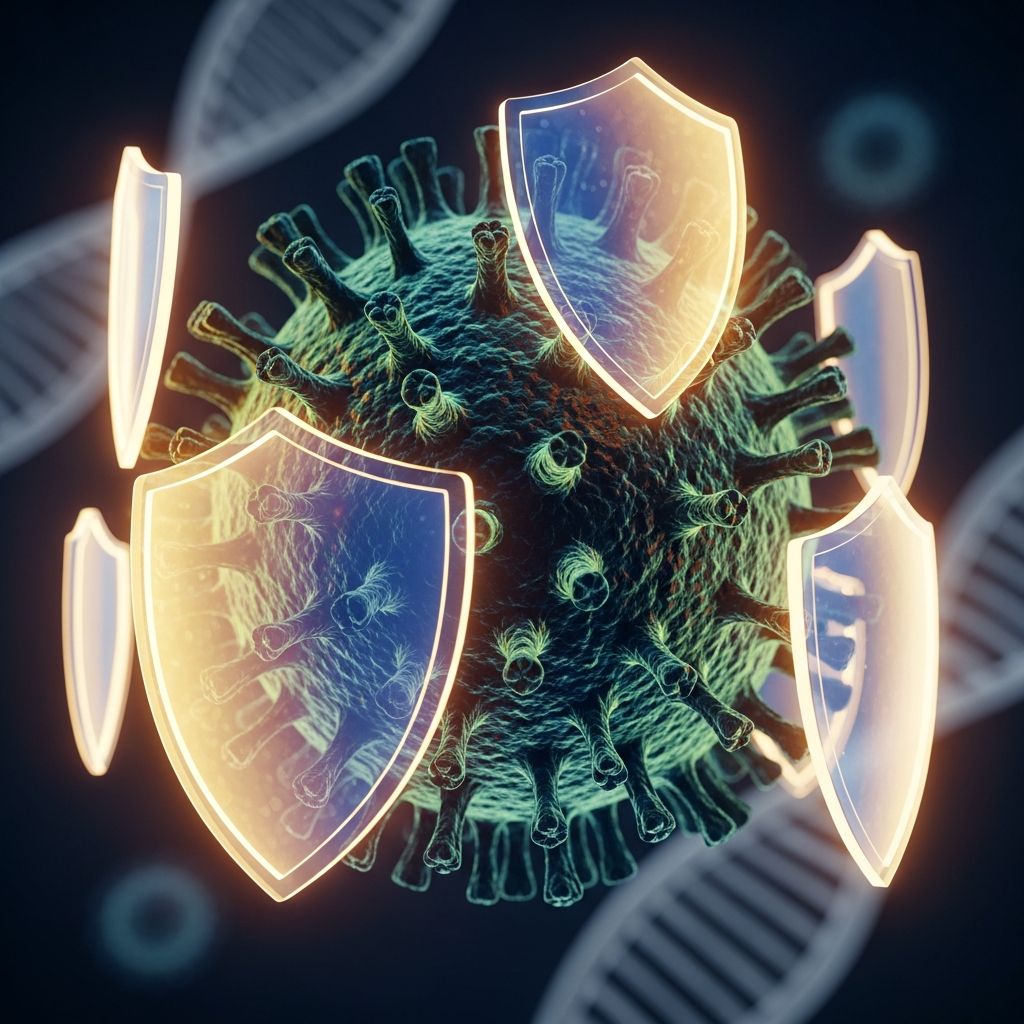
Human papillomavirus (HPV) is a common virus that infects the skin and mucous membranes. There are over 200 types of HPV, with about 40 types that can infect the genital area. Certain high-risk HPV types, particularly types 16 and 18, are responsible for approximately 70% of cervical cancers worldwide, as well as many cases of anal, vulvar, vaginal, penile, and oropharyngeal cancers. Low-risk types like 6 and 11 cause most genital warts. HPV vaccines are highly effective prophylactic measures that prevent infection with these key oncogenic and wart-causing strains, significantly reducing the incidence of HPV-related diseases when administered before exposure.
What are the HPV vaccines?
Currently, six HPV vaccines are licensed globally: three bivalent (targeting HPV 16 and 18), two quadrivalent (targeting 6, 11, 16, 18), and one nonavalent (9-valent, targeting 6, 11, 16, 18, 31, 33, 45, 52, 58). In the United States, only the 9-valent vaccine, Gardasil 9, is available since 2016, approved for individuals aged 9–45 years. It prevents infection with nine high-risk and low-risk HPV types responsible for over 90% of HPV-related cancers and most genital warts. Other vaccines like Cervarix (bivalent) and original Gardasil (quadrivalent) remain in use internationally.
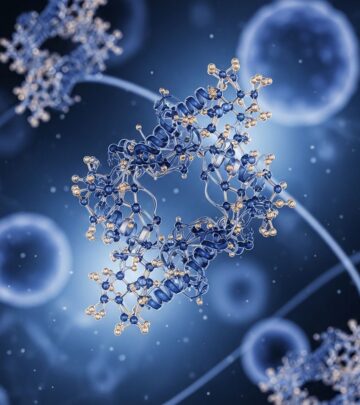
These vaccines are based on virus-like particles (VLPs) formed from the HPV L1 capsid protein. VLPs mimic the virus structure but lack viral DNA, making them non-infectious and safe. They induce strong antibody responses that neutralize the virus before it can establish infection.
How do HPV vaccines work?
HPV vaccines stimulate the immune system to produce antibodies against specific HPV type surface proteins. Upon exposure to the targeted HPV types, these antibodies prevent viral entry into host cells, blocking infection at mucosal sites like the cervix, anus, and oropharynx. The vaccines are prophylactic, most effective before sexual debut, and do not treat existing infections or lesions. Long-term studies show protection lasting at least 10–11 years, with ongoing research confirming durability.
The 9-valent vaccine offers >99% efficacy against types 6, 11, 16, 18 and up to 96.7% against 31, 33, 45, 52, 58-related diseases, including precancerous lesions and warts.
Who should be vaccinated?
HPV vaccination is recommended for all children at ages 11–12 years, ideally before sexual activity begins, with catch-up vaccination through age 26 (and up to 45 in shared decision-making). Both males and females benefit, as HPV causes cancers in both sexes. Immunocompromised individuals, including those with HIV, should also receive it. Routine vaccination at 9–14 years requires 2 doses; 15+ years or immunocompromised need 3 doses.
- Ages 9–14: 2 doses (0, 6–12 months)
- Ages 15–45: 3 doses (0, 1–2, 6 months)
- Males and females equally recommended
What is the vaccination schedule?
| Age at Start | Doses | Schedule |
|---|---|---|
| 9–14 years | 2 | 0, 6–12 months |
| 15+ years | 3 | 0, 1–2 months, 6 months |
| Immunocompromised | 3 | Same as above |
The vaccine is administered intramuscularly, typically in the deltoid. Minimum intervals: 4 weeks between dose 1–2, 12 weeks between 2–3.
How effective are HPV vaccines?
HPV vaccines demonstrate >99% efficacy against targeted HPV types in HPV-naïve individuals, preventing cervical precancers, genital warts, and anogenital cancers. Population-level data show dramatic reductions: 83% drop in HPV16/18 infections and 54% in HPV31/33/45 among vaccinated girls 13–19 years. Vaccination also reduces oropharyngeal cancer incidence.
Bivalent Cervarix provides cross-protection against HPV31/45, with 100% efficacy against related CIN2+ in trials. Quadrivalent prevents 90%+ of warts from types 6/11.
Are HPV vaccines safe?
Over 270 million doses administered worldwide since 2006 show excellent safety. Common side effects are mild: injection-site pain, swelling, erythema (higher with 9-valent). No evidence of severe adverse events, infertility, or increased mortality. Post-marketing surveillance confirms reassuring profiles.
Contraindications and precautions
- Contraindications: Severe allergic reaction to prior dose or yeast (for nonavalent/quadrivalent).
- Precautions: Pregnancy (delay non-urgent vaccination); moderate/severe acute illness.
- Safe in pregnancy if inadvertently given; no intervention needed.
What about therapeutic vaccination?
Current vaccines are prophylactic only. Therapeutic vaccines targeting existing lesions or E6/E7 oncoproteins are in development but not yet approved. They aim to treat persistent infections or precancers.
Future developments
Second-generation vaccines explore L2-based VLPs or chimeric constructs for broader coverage against more oncogenic types. One-dose regimens are under study for global equity. Pan-gender strategies and higher coverage could nearly eradicate HPV-related cancers.
Frequently asked questions
Who should get the HPV vaccine?
Boys and girls aged 9–12 routinely; catch-up to 26, up to 45. Both sexes prevent cancers and warts.
Can the HPV vaccine cause warts or cancer?
No. Vaccines prevent these; no causal link exists.
Does the vaccine protect if already infected?
Protects against non-acquired types; doesn’t clear existing infections.
Is it safe for males?
Yes, prevents anal/oropharyngeal cancers and warts.
How many doses are needed?
2 for <15 years; 3 for older/immunocompromised.
Related topics
- Anal intraepithelial neoplasia
- Cervical cancer
- Genital warts
- Oropharyngeal cancer
References
- Human Papillomavirus Vaccination — American College of Obstetricians and Gynecologists (ACOG). 2020-08-01. https://www.acog.org/clinical/clinical-guidance/committee-opinion/articles/2020/08/human-papillomavirus-vaccination
- Human papillomavirus vaccines (HPV) — World Health Organization (WHO). 2024. https://www.who.int/teams/immunization-vaccines-and-biologicals/diseases/human-papillomavirus-vaccines-(HPV)
- Human Papillomavirus (HPV) Vaccines — National Cancer Institute (NCI). 2023. https://www.cancer.gov/about-cancer/causes-prevention/risk/infectious-agents/hpv-vaccine-fact-sheet
- Human Papillomavirus Vaccines: An Updated Review — National Library of Medicine (PMC). 2020-10-12. https://pmc.ncbi.nlm.nih.gov/articles/PMC7565290/
- HPV Vaccines — American Cancer Society. 2024. https://www.cancer.org/cancer/risk-prevention/hpv/hpv-vaccines.html
Similar Articles



Read full bio of medha deb