Vaccines and Eczema: Flu, COVID, RSV Guide
Essential insights on safely navigating flu, COVID-19, and RSV vaccines for eczema patients to protect health without unnecessary risks.
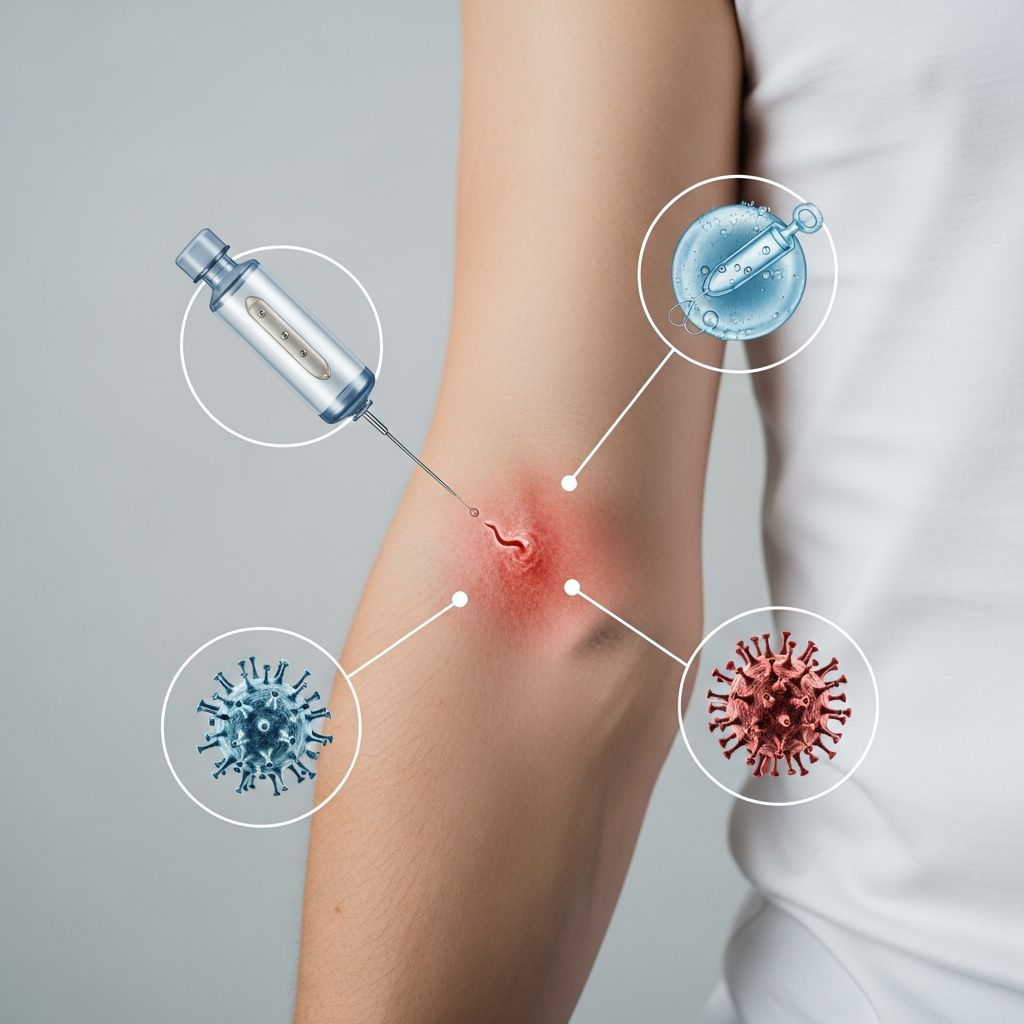
Individuals living with eczema, also known as atopic dermatitis, often face unique considerations when approaching vaccinations. Respiratory illnesses like influenza, COVID-19, and respiratory syncytial virus (RSV) pose heightened risks for those with skin conditions, particularly if immune-suppressing treatments are involved. This comprehensive guide examines the safety profile of these vaccines, potential skin responses, and practical advice from dermatological experts to empower informed decisions.
Understanding Eczema and Vaccination Priorities
Eczema compromises the skin barrier, increasing susceptibility to infections. For patients on immunosuppressive therapies such as biologics or systemic steroids, preventing severe respiratory infections becomes crucial. Vaccines stimulate the immune system without causing disease, offering protection against flu, COVID-19, and RSV—viruses that can exacerbate eczema symptoms or lead to complications.
Health authorities emphasize vaccination for at-risk groups. Those with moderate-to-severe eczema benefit from these shots, as they reduce hospitalization risks from infections that could trigger widespread flares. Prioritizing non-live vaccines is key, especially for immunocompromised individuals, to avoid unintended viral replication.
Flu Vaccines: Safe Harbor for Eczema Patients
The annual flu vaccine, predominantly inactivated (non-live), is recommended for everyone aged 6 months and older, including those with eczema. Dermatologists note its overall safety, with rare instances of temporary skin irritation at the injection site.
- Key Benefits: Lowers severe flu outcomes in immunosuppressed patients.
- Administration Tips: Opt for injectable forms over nasal spray (live-attenuated) if on immunomodulators.
- Post-Vaccination Care: Moisturize the site and monitor for localized redness.
Clinical observations confirm that flu shots do not broadly worsen eczema control. Patients report minimal disruptions, allowing seamless integration into routine care.
COVID-19 Vaccines: Protection Amid Rare Reactions
COVID-19 mRNA vaccines from Pfizer-BioNTech and Moderna are non-live and endorsed for ages 5 and up. They build robust immunity without viral exposure, making them suitable for eczema sufferers. Recent studies highlight additional perks: vaccinated children with atopic dermatitis experience fewer skin infections and allergic issues compared to unvaccinated peers.
While most tolerate these vaccines well, a small subset reports flares. These include “COVID arm”—delayed, itchy rashes at the injection site—or generalized eczematous eruptions. Biopsies of such cases show spongiotic dermatitis, responsive to topical steroids.
| Vaccine Type | Common Skin Reactions | Management |
|---|---|---|
| mRNA (Pfizer, Moderna) | Local erythema, urticaria (rare) | Topical corticosteroids, antihistamines |
| Protein subunit | Injection site pain | Cold compress, emollients |
Experts advise continuing eczema treatments pre- and post-vaccination. Scheduling dermatologist follow-ups mitigates concerns for flare-prone individuals.
RSV Vaccines: Emerging Shield for Vulnerable Groups
Newer RSV vaccines like Arexvy target adults 60+, while monoclonal antibodies protect infants. For eczema patients, these non-live options prevent lower respiratory tract infections that could indirectly aggravate skin symptoms. Side effects mirror other vaccines: fatigue, myalgia, without notable eczema-specific risks.
Related Stories



High-risk eczema patients, especially infants or elderly on immunosuppressants, gain from RSV prevention. Data on skin flares remain limited but reassuring, aligning with flu and COVID patterns.
Potential Skin Responses and Risk Factors
Vaccines can occasionally provoke inflammatory cascades in atopic skin. Triggers include immune activation or excipients, leading to psoriasis-like plaques, erythema multiforme, or eczematous dermatitis in predisposed individuals. Genetic atopy heightens susceptibility, but incidence stays low—under 1% in large cohorts.
- Immediate: Injection site swelling (hours post-shot).
- Delayed: Widespread itchiness (days later).
- Rare severe: Pustular eruptions requiring systemic therapy.
Immunosuppressed patients face theoretical live-vaccine risks, prompting avoidance of nasal flu sprays or oral polio vaccines.
Expert Strategies for Minimizing Flares
Dermatologists advocate a proactive approach:
- Pre-Vaccination: Optimize skin control with topicals or biologics.
- During: Choose arm with less active eczema; apply emollient post-shot.
- Post-Vaccination: Track symptoms for 7-10 days; escalate care if flares intensify.
For recurrent reactors, low-dose prophylaxis with steroids or biologics may be considered. Data suggest flares are manageable, not prohibitive to vaccination benefits.
Special Considerations for Children and Immunocompromised
Pediatric eczema patients show reduced infection rates post-COVID vaccination, underscoring value over risks. Parents should confirm non-live formulations and consult pediatric dermatologists. Adults on JAK inhibitors or dupilumab follow similar protocols, prioritizing CDC schedules.[10]
Pregnant individuals with eczema safely receive Tdap and flu shots; COVID boosters align with maternal-fetal health guidelines.
Debunking Myths: Vaccines Do Not Cause Eczema
No evidence links vaccines to eczema onset. Flares represent transient immune responses, not disease causation. Population studies affirm vaccination’s net protective effect, countering hesitancy fueled by anecdotal reports.
Frequently Asked Questions (FAQs)
Can I get the flu shot if I have severe eczema?
Yes, the inactivated flu vaccine is safe and recommended, even for severe cases. Avoid live nasal versions if immunosuppressed.
Will COVID vaccines worsen my eczema?
Rarely; most experience no change or improvement in infection-related flares. Monitor and treat as needed.
Are RSV vaccines suitable for eczema infants?
Monoclonal antibodies like nirsevimab are preferred for high-risk babies, offering safe RSV defense.
What if I flare after vaccination?
Contact your dermatologist promptly. Topical therapies usually suffice; severe cases may need oral meds.
Should I pause eczema meds before vaccinating?
No—maintaining control is vital. Discuss adjustments with your provider.
Long-Term Outlook: Vaccinations as Eczema Allies
Integrating flu, COVID, and RSV vaccines into eczema management fortifies overall resilience. Ongoing research refines protocols, but current consensus prioritizes protection. Collaborate with healthcare teams for personalized plans, ensuring skin health and infection prevention harmonize.
References
- What People with Eczema Should Know Before Getting a Flu, COVID, and RSV Vaccine — National Eczema Association. 2023. https://nationaleczema.org/blog/flu-covid-rsv-vaccines-and-eczema/
- Dermatological Side Effects of SARS-CoV-2 Vaccinations — Journal of Integrative Dermatology. 2023-10-01. https://jintegrativederm.org/doi/10.64550/joid.saqzr289
- Generalized eczematous reactions to the Pfizer‐BioNTech COVID‐19 vaccine — PMC (Wiley). 2021-09-01. https://pmc.ncbi.nlm.nih.gov/articles/PMC8447468/
- Kids with eczema may have fewer related infections, allergic complications after COVID vaccination — CIDRAP (University of Minnesota). 2025. https://www.cidrap.umn.edu/covid-19/kids-eczema-may-have-fewer-related-infections-allergic-complications-after-covid
- COVID-19 Vaccination Linked to Reduced Infections in Children with Eczema — ACAAI. 2025-11-06. https://acaai.org/news/covid-19-vaccination-linked-to-reduced-infections-in-children-with-eczema/
- Eczema and vaccines: Answering your FAQ — Medical News Today. 2023. https://www.medicalnewstoday.com/articles/vaccines-eczema-questions
- Who Should not Get Vaccinated — CDC. 2025. https://www.cdc.gov/vaccines/vpd/should-not-vacc.html
Similar Articles








Read full bio of medha deb