Vacuum-Assisted Closure: 10 Benefits for Faster Healing
Advanced wound healing technology using negative pressure to accelerate recovery and improve outcomes.
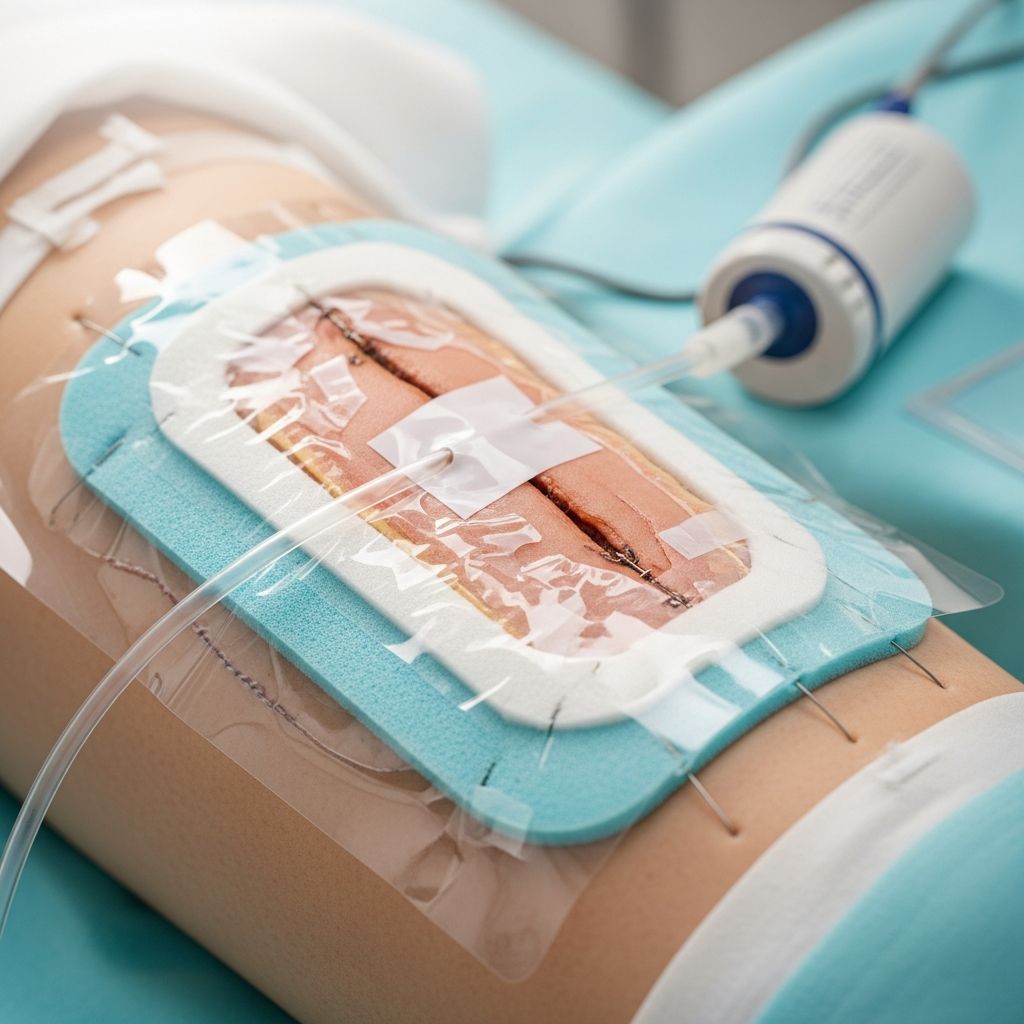
Vacuum-Assisted Closure of a Wound
Wound healing is a complex biological process that requires optimal conditions to progress effectively. When traditional dressings prove insufficient for challenging wounds, healthcare providers often turn to advanced therapeutic interventions. Vacuum-assisted closure (VAC), also known as negative pressure wound therapy (NPWT), represents a significant advancement in wound management technology. This innovative approach uses controlled negative pressure to create an environment that facilitates faster healing, reduces complications, and improves overall patient outcomes.
What is Vacuum-Assisted Closure?
Vacuum-assisted closure is a non-invasive therapeutic technique that applies controlled negative pressure around a wound to promote healing. The therapy works by creating a pressure environment lower than normal atmospheric pressure, which fundamentally changes how the wound responds to treatment. Unlike conventional wound dressings that simply cover the wound, VAC therapy actively engages the healing process through mechanical and biological mechanisms.
The concept of negative pressure wound therapy was first introduced by Argenta and Morykwas in 1997, revolutionizing the approach to managing complex and difficult-to-heal wounds. Since its inception, VAC therapy has become a standard treatment option in hospitals, outpatient facilities, and even home care settings across the world.
How Vacuum-Assisted Closure Works
The VAC System Components
A complete VAC therapy system consists of several integrated components that work together to deliver effective wound treatment:
- A vacuum pump unit that generates and maintains negative pressure
- Specialized foam dressing applied directly to the wound
- An adhesive film that seals the wound environment
- Tubing that connects the dressing to the vacuum pump
- A fluid collection canister that gathers drainage and exudate
The Application Process
Before VAC therapy begins, healthcare professionals perform several preparatory steps to ensure optimal outcomes. The wound is thoroughly cleaned through debridement, removing dead or damaged tissue that could impede healing. The wound is then irrigated with normal saline solution to remove debris and bacterial contaminants. Adequate hemostasis, or bleeding control, is achieved to prevent excessive fluid loss. Finally, the peri-wound skin is carefully dried to allow proper adhesion of the sealing film.
Sterile foam dressings are selected based on the wound characteristics. Two primary types of foam are commonly used: black polyurethane foam, which is lighter and hydrophobic with pore sizes of 400-600 micrometers, is typically used for thoracic and abdominal cavity wounds. This foam provides even distribution of negative pressure across the entire wound bed, ensuring consistent therapeutic pressure throughout the treatment area.
Once the foam is positioned, an adhesive film layer seals the entire area, creating an airtight environment. A fenestrated tube is embedded within the foam and connected to the vacuum pump. The system delivers continuous or intermittent suction, typically ranging from 50 to 125 mmHg, with the optimal therapeutic pressure being approximately 125 mm Hg.
Mechanisms of Wound Healing
Vacuum-assisted closure promotes healing through multiple interconnected biological and mechanical mechanisms that work synergistically to transform the wound environment.
Edema Reduction and Fluid Management
One of the primary mechanisms of VAC therapy is the reduction of wound edema, or swelling. The negative pressure actively pulls excess interstitial fluid away from the injured tissues, decreasing intravascular fluid efflux. Higher blood velocity induced by the therapy draws extracellular fluid back into the vessels through the Venturi principle. The compressive forces of negative pressure physically force edema away from injured tissues, resulting in less interstitial hydrostatic pressure and improved cellular oxygenation.
Related Stories



Bacterial Load Reduction
VAC therapy significantly reduces bacterial contamination within the wound. The continuous removal of exudate and fluid creates an environment hostile to bacterial proliferation. By draining infected material and maintaining moisture control, the therapy helps prevent serious infections that could compromise healing or lead to systemic complications.
Angiogenesis and Tissue Perfusion
The negative pressure stimulates angiogenesis, the formation of new blood vessels. The compression of tissue by negative pressure causes tissue hypoxia, which triggers the release of nitric oxide and local vasodilatation. This physiological response is particularly enhanced during the “suction off” periods of intermittent VAC therapy, making intermittent mode more effective than continuous mode for promoting new vessel formation. Increased blood flow delivers oxygen and nutrients essential for tissue regeneration and immune function.
Granulation Tissue Stimulation
VAC therapy actively stimulates the formation of granulation tissue, the foundational tissue that fills the wound and prepares it for skin coverage. The mechanical stimulation from negative pressure, combined with improved oxygenation and nutrient delivery, accelerates the normal wound healing cascade. This acceleration significantly shortens the time required for wound bed preparation.
Wound Immobilization
The negative pressure creates a stabilizing effect on the wound edges, gently bringing them closer together. This immobilization aids the healing process by reducing wound movement and creating a more favorable environment for tissue integration and epithelialization.
Clinical Applications and Indications
Types of Wounds Treated with VAC
Vacuum-assisted closure therapy has proven effective for a wide variety of challenging wound types that may not respond adequately to conventional dressing methods:
- Traumatic injuries and lacerations
- Surgical and postoperative wounds
- Pressure ulcers and bedsores
- Diabetic foot ulcers
- Burns and thermal injuries
- Wounds following cesarean deliveries
- Infected or contaminated wounds
- Chronic non-healing wounds
- Wounds in preparation for skin grafts or flaps
Benefits of VAC Therapy
Clinical research and patient experience have demonstrated numerous significant benefits of VAC therapy compared to conventional wound management approaches:
- Decreased swelling and inflammation
- Decreased risk of bacterial infection and wound contamination
- Increased blood flow to the wound area
- Decreased overall patient discomfort compared to frequent dressing changes
- Less frequent changing of wound dressings
- Gentle pulling together of wound edges for improved closure
- Reduced treatment duration and faster healing rates
- Improved wound bed preparation for skin grafts or surgical closure
- Reduced need for extensive plastic surgical procedures
- Enhanced patient mobility and quality of life
Treatment Duration and Dressing Changes
Patients undergoing VAC therapy typically wear the device for close to 24 hours per day during the healing process. VAC dressings are usually changed every 48 hours, as the pressure gradually reduces over this timeframe. Healthcare providers monitor wound progress during each dressing change, assessing healing progression, fluid output, and any signs of complications.
It is important to note that VAC therapy should not be terminated abruptly after a single treatment session, as this may result in a rebound phenomenon and worsening of the wound. Instead, healthcare providers typically plan 2-3 sessions of VAC therapy to ensure sustained improvement and prevent setbacks.
VAC Therapy Settings and Optimization
Pressure Parameters
The negative pressure applied during VAC therapy must be carefully calibrated to maximize therapeutic benefit while minimizing potential adverse effects. The optimal pressure setting is typically 125 mm of Hg, though pressure may be adjusted within the range of 50-125 mmHg based on individual wound characteristics and patient tolerance.
Suction Modes: Intermittent vs. Continuous
VAC therapy can be delivered in either continuous or intermittent suction modes. Intermittent suction, typically delivered as 5 minutes of suction followed by 2 minutes off, has proven more effective than continuous suction for stimulating angiogenesis and granulation tissue formation. The periodic relief periods allow tissue oxygenation to improve and growth factors to accumulate, enhancing the healing response.
Important Considerations and Precautions
Air Leak Prevention
Maintaining an airtight seal around the VAC dressing is critical to treatment success. Air leaks in the dressing lead to continual flow of air over the wound surface, causing tissue desiccation and eschar formation. An eschar, or hardened tissue layer, seals the wound with retained exudate, ultimately worsening the wound condition. Healthcare providers must ensure proper adhesive film application and monitor for any evidence of air leakage during treatment.
Contraindications and Limitations
While VAC therapy is safe and effective for most wounds, certain conditions may contraindicate its use or require careful consideration. Malignant wounds, for example, have traditionally been considered contraindications due to concerns that negative pressure might promote tumor progression. Healthcare providers should evaluate each patient individually and discuss potential risks and benefits.
Cost-Effectiveness and Logistical Advantages
Beyond its clinical effectiveness, VAC therapy offers significant economic and practical advantages. The cost of VAC therapy is comparable to standard wound care methods, and in the long term, it demonstrates substantial cost benefits through reduced treatment duration, decreased hospitalization needs, and reduced need for complex surgical procedures. One clinical review found that VAC healed a pressure ulcer in 6 weeks at half the cost of reconstructive surgery.
Logistically, VAC therapy reduces the frequency of dressing changes required compared to conventional wound care, decreasing nursing time and patient inconvenience. Additionally, portable VAC units allow patients to continue treatment outside clinical settings, improving mobility and quality of life while maintaining therapeutic benefit.
Frequently Asked Questions
Q: How long does VAC therapy typically last?
A: Treatment duration varies based on wound severity and healing response. Most patients wear the device for close to 24 hours per day, with dressings changed every 48 hours. Complete healing timelines depend on individual factors and wound characteristics.
Q: Is VAC therapy painful?
A: VAC therapy generally causes minimal discomfort compared to frequent conventional dressing changes. The gentle negative pressure and reduced dressing changes actually decrease overall patient discomfort during the healing process.
Q: Can VAC therapy be used on all wound types?
A: While VAC therapy is effective for most wounds, certain conditions may limit its use. Healthcare providers evaluate each patient individually to determine suitability and discuss any potential contraindications.
Q: Do I need special preparation before VAC therapy?
A: Generally, you don’t need to prepare in advance for VAC therapy. Healthcare providers will perform necessary wound preparation, including cleaning and debridement, before applying the VAC system.
Q: Can I move around while using a VAC device?
A: Yes, modern portable VAC units allow patients to move about and maintain mobility while undergoing treatment, improving quality of life and allowing continued daily activities.
Q: How do I know if VAC therapy is working?
A: Healthcare providers assess healing progress during regular dressing changes by examining wound size, depth, fluid output, and tissue appearance. Most patients see measurable improvement within the first few treatment sessions.
Summary
Vacuum-assisted closure represents a transformative approach to wound management that harnesses negative pressure to accelerate the body’s natural healing processes. By reducing edema, eliminating bacterial contamination, improving tissue perfusion, and stimulating granulation tissue formation, VAC therapy creates an optimized wound environment that promotes faster, more reliable healing. The therapy reduces the need for extensive reconstructive surgical procedures, decreases treatment duration, and provides cost-effective solutions compared to conventional wound care. With its proven efficacy across diverse wound types, excellent safety profile, and logistical advantages, VAC therapy has become a standard and trusted option in modern wound care. Patients undergoing this therapy benefit from reduced discomfort, improved mobility, and significantly better healing outcomes. Healthcare providers should consider VAC therapy for difficult-to-heal wounds and discuss this advanced treatment option with patients seeking optimal wound management solutions.
References
- Vacuum assisted closure (VAC)/negative pressure wound therapy: An evidence based review — National Center for Biotechnology Information (NCBI). 2019-10-31. https://pmc.ncbi.nlm.nih.gov/articles/PMC6739293/
- Wound VAC Process, Benefits, Side Effects, Complications, and Cost — Healthline Media. 2024. https://www.healthline.com/health/wound-vac
- Practical Things You Should Know about Wound Healing — PubMed, National Library of Medicine. 2020-02-18. https://pubmed.ncbi.nlm.nih.gov/32221237/
- Wound Healing Guide — Johns Hopkins Diabetes Guide. 2024. https://www.hopkinsguides.com/hopkins/view/Johns_Hopkins_Diabetes_Guide/547150/all/Wound_Healing
- A Clinical review of infected wound treatment with vacuum assisted closure therapy — Johns Hopkins University Research Portal. 2024. https://pure.johnshopkins.edu/en/publications/a-clinical-review-of-infected-wound-treatment-with-vacuum-assiste-6/
Similar Articles








Read full bio of medha deb