Vagina After Pregnancy: 11 Changes And How To Recover
Discover what happens to your vagina after giving birth, from common changes and recovery tips to when to seek medical help for postpartum vaginal health.
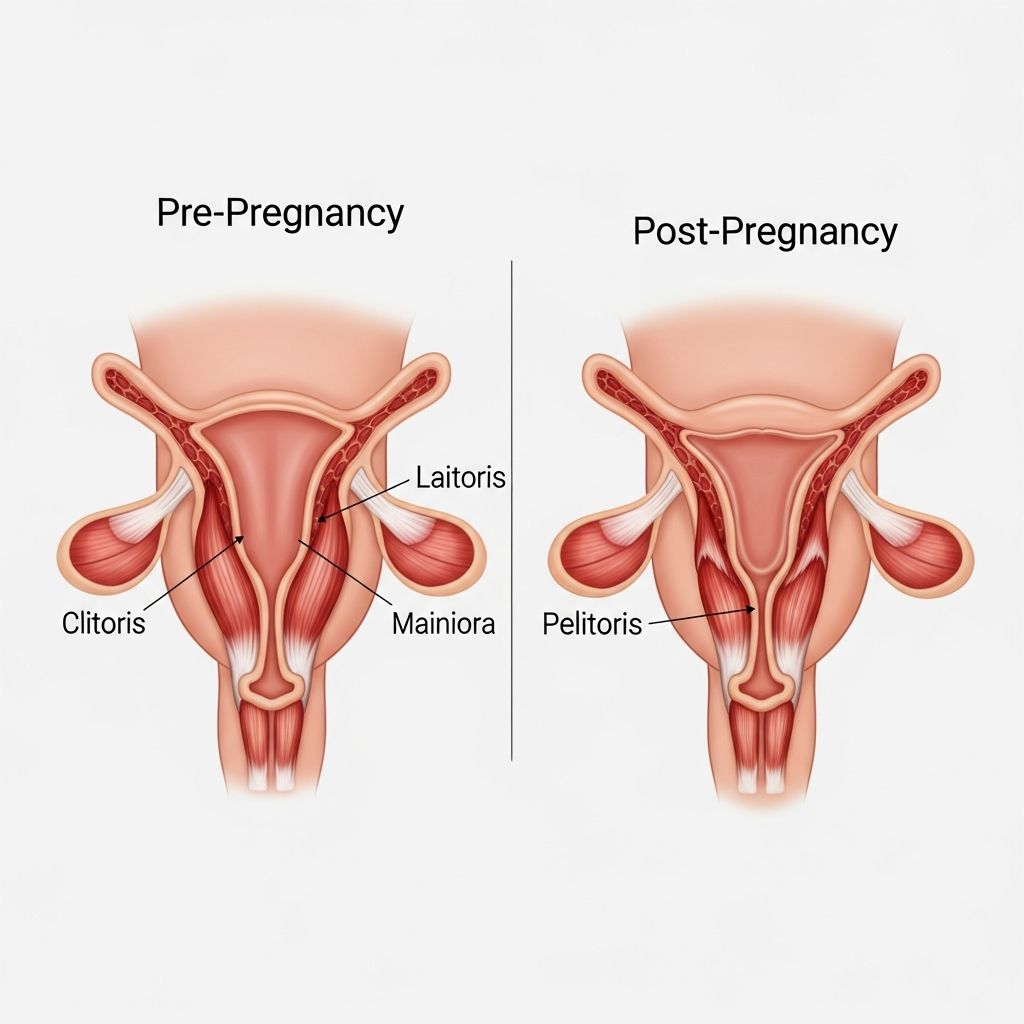
After giving birth, many people experience noticeable changes to their vagina due to the physical demands of delivery. These alterations, such as swelling, soreness, and discharge, are normal but can vary based on delivery type, age, and individual factors. Understanding these changes helps ensure a smoother recovery.
What Happens to Your Vagina After Giving Birth?
The vagina stretches significantly during vaginal delivery to allow the baby to pass through, leading to temporary widening and openness. This swelling typically subsides within a few days as tissues heal. Vaginal laxity, or a feeling of looseness, is a common postpartum complaint, though the vagina often regains much of its pre-pregnancy tone over time with proper care.
Pain and soreness in the perineum—the area between the vagina and anus—are frequent, especially after tears or episiotomies. According to the American College of Obstetricians and Gynecologists (ACOG), the intensity and duration of this discomfort vary widely. Other symptoms may include cramping, back pain, or swollen breasts as the body adjusts.
11 Common Vaginal Changes After Delivery
Postpartum vaginal changes can affect comfort, function, and intimacy. Here’s a breakdown of the most reported issues:
- Swelling and Widening: The vaginal opening appears larger immediately after birth but contracts within days.
- Soreness and Perineal Pain: Stretching or tears cause tenderness; episiotomies prolong discomfort.
- Vaginal Dryness: Hormonal shifts, especially during breastfeeding, reduce lubrication.
- Bleeding (Lochia): Vaginal discharge of blood and mucus lasts 4-6 weeks, increasing with activity or nursing.
- Pain During Sex (Dyspareunia): Doctors recommend waiting 4-6 weeks; tears delay full healing.
- Scar Tissue: From repairs, it may cause tightness or sensitivity.
- Urinary Incontinence: Weakened pelvic floor leads to leakage; affects many postpartum women.
- Difficulty Achieving Orgasm: Hormones, fatigue, and tissue changes contribute.
- Changes in Vulva Color: Darkening or hyperpigmentation around the vaginal opening.
- Heaviness or Prolapse Symptoms: Dragging sensation from laxity or pelvic organ shift.
- Microbiome Shifts: Increased diversity postpartum, with lower Lactobacillus levels, altering vaginal environment.
Postpartum Vaginal Discharge: What to Expect
Lochia, the postpartum vaginal discharge, starts heavy and bright red, transitioning to pink, brown, then yellowish-white over 4-6 weeks. It mimics a heavy period and may smell like fresh blood. Use pads only—no tampons—for the first six weeks to prevent infection. Increased flow when standing or breastfeeding is normal as the uterus sheds its lining.
Pelvic Floor and Perineal Recovery
The pelvic floor muscles stretch during birth, potentially causing incontinence or heaviness. Kegel exercises, starting soon after birth, strengthen these muscles. For perineal care:
- Keep the area clean: Wash hands before/after pad changes, wipe front-to-back.
- Gently pat dry with toilet paper or wipes.
- Sitz baths: Soak in plain warm water 2-3 times daily for healing.
- Avoid harsh soaps; use warm water rinses via peri-bottle.
Uterine contractions continue postpartum, causing cramps as it shrinks to pre-pregnancy size in about six weeks.
Pain Management and When to Resume Sex
Sitz baths, ice packs, and pain relievers like ibuprofen ease soreness. Resume sex after 4-6 weeks or full healing to avoid infection or hemorrhage. Lubricants help with dryness; communicate with partners about discomfort.
| Symptom | Typical Duration | Tips |
|---|---|---|
| Swelling | 3-7 days | Cold packs, elevation |
| Lochia | 4-6 weeks | Frequent pad changes |
| Perineal Soreness | 1-4 weeks | Sitz baths, pain meds |
| Sexual Pain | 4-6+ weeks | Wait for clearance, lube |
| Incontinence | Weeks to months | Kegels, pelvic PT |
Pelvic Symptoms to Watch For
Related Stories



Monitor for:
- Urinary Incontinence: Stress or urge types; pelvic floor therapy helps.
- Bowel Issues: Constipation from pain meds or pushing.
- Vaginal Heaviness: May signal prolapse; see a doctor.
- Ongoing Tear Pain: 85% experience tears; full healing takes months.
Microbiome and Hormonal Changes
Postpartum, the vaginal microbiome diversifies with reduced Lactobacillus, elevated hyaluronan and Hsp70, creating a shifted environment. Breastfeeding exacerbates dryness via low estrogen. Probiotics or estrogen creams may help, per doctor advice.
Tips for Optimal Postpartum Vaginal Recovery
- Hygiene First: Change pads every 2-4 hours; front-to-back cleaning.
- Pelvic Floor Exercises: Kegels 3x daily; contract for 5-10 seconds.
- Nutrition and Rest: Hydrate, eat fiber-rich foods to ease bowel movements.
- Avoid Straining: No heavy lifting; use stool softeners if needed.
- Mental Health: Postpartum blues affect recovery; seek support.
Full recovery varies: vaginas return near pre-birth state, influenced by birth type and tears. Schedule postpartum checkups starting at 6 weeks.
Frequently Asked Questions (FAQs)
Does the vagina go back to normal after birth?
Yes, it typically returns close to pre-pregnancy shape and function within months, aided by exercises and time.
How long does vaginal swelling last postpartum?
Swelling resolves in 3-7 days; use cold compresses for relief.
When can I have sex after giving birth?
Wait 4-6 weeks or until healed and cleared by your doctor to prevent complications.
Is postpartum vaginal dryness normal?
Yes, due to hormones; it improves as they stabilize. Use lubricants.
What if I have ongoing pelvic pain?
Contact your provider; it could indicate prolapse or infection.
How do I care for tears or episiotomy?
Sitz baths, cleanliness, and pain management; heals in weeks to months.
When to See a Doctor
Seek care for foul-smelling discharge, heavy bleeding, fever, severe pain, or prolapse symptoms. Early intervention prevents complications.
References
- 11 vaginal changes after giving birth: What to expect and recovery — Medical News Today. 2023. https://www.medicalnewstoday.com/articles/vagina-after-giving-birth
- Postpartum Vaginal Care: Hygiene Tips for After Giving Birth — UnityPoint Health. 2023. https://www.unitypoint.org/news-and-articles/postpartum-vaginal-care-hygiene-tips-for-after-giving-birth
- Changes in the Vaginal Microbiome during the Pregnancy to Postpartum Transition — PMC/NIH. 2021-06-04. https://pmc.ncbi.nlm.nih.gov/articles/PMC8189965/
- 4 pelvic symptoms to look out for after giving birth — Nuffield Health. 2023. https://www.nuffieldhealth.com/article/4-pelvic-symptoms-to-look-out-for-after-giving-birth
- Pregnancy: Physical Changes After Delivery — Cleveland Clinic. 2023. https://my.clevelandclinic.org/health/articles/9682-pregnancy-physical-changes-after-delivery
- The Postpartum You: What to Expect After Delivery — Diana Health. 2023. https://heydianahealth.com/what-to-expect-postpartum/
Similar Articles








Read full bio of Sneha Tete