Vagina: Anatomy, Function, Health & Care
Complete guide to vaginal anatomy, function, and essential health care practices for optimal wellness.
Understanding the Vagina: A Complete Anatomy and Health Guide
The vagina is one of the most important structures in the female reproductive system, yet many people lack comprehensive knowledge about its anatomy, function, and proper care. Understanding your vaginal anatomy and how to maintain its health is essential for overall reproductive wellness. This guide provides an in-depth look at the vaginal structure, its various functions, common health conditions, and practical strategies for maintaining optimal vaginal health throughout your life.
Vaginal Anatomy: Structure and Components
The Vagina Defined
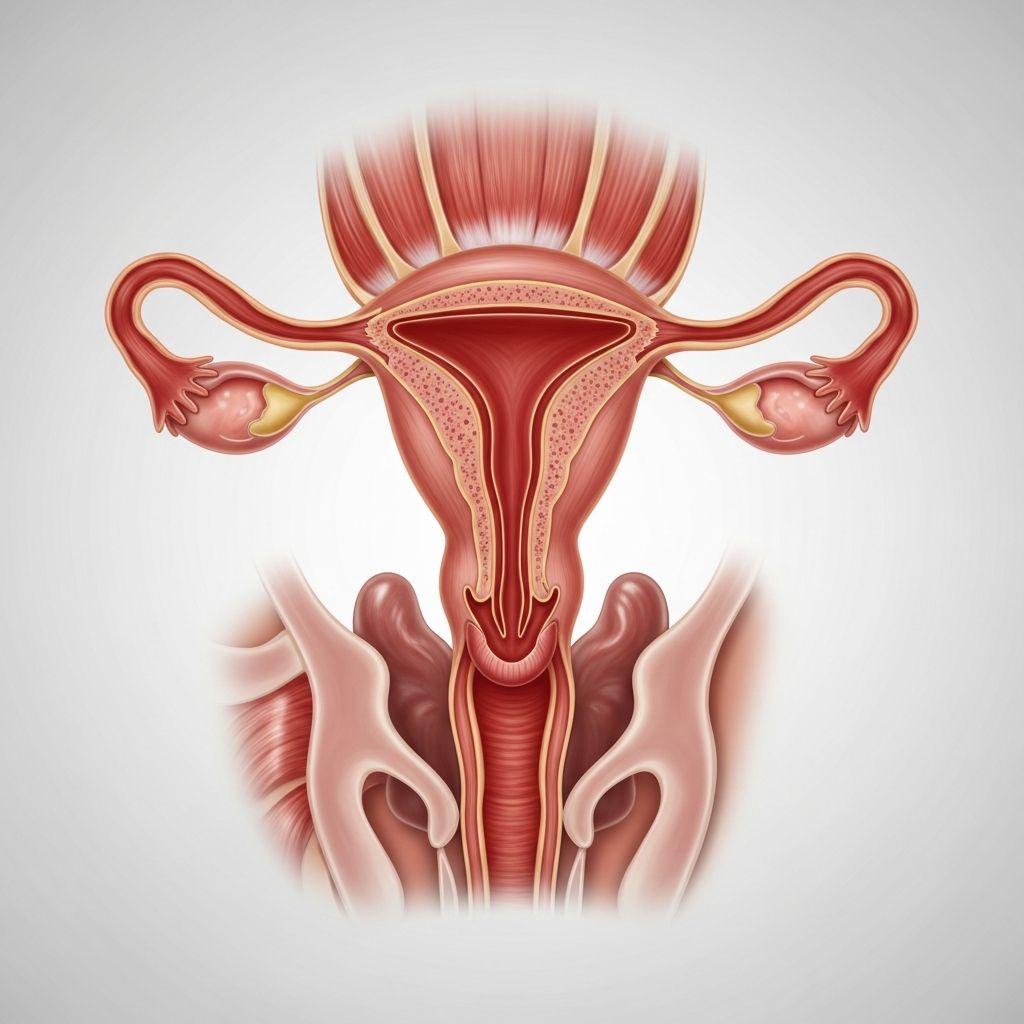
The vagina is a muscular, tubular canal that extends from the cervix (the lower part of the uterus) to the external opening of the body. It is lined with sensitive nerve endings and mucous membranes that produce natural lubrication. The vagina is highly elastic and expandable, allowing it to accommodate menstrual flow, accommodate a penis during intercourse, and expand significantly during childbirth. The structure consists of three distinct layers: the innermost mucous membrane, a muscular middle layer, and an outer connective tissue layer.
Key Anatomical Structures
Several important structures work together to support vaginal function and reproductive health:
– Vaginal Opening (Introitus): Located between the urethra and anus, this opening allows menstrual blood to exit the body, facilitates sexual intercourse, and serves as the birth canal during delivery.- Vaginal Wall: The outer one-third of the vagina contains highly sensitive nerve endings that produce pleasurable sensations during sexual activity. These nerve endings make this region particularly responsive to touch and stimulation.- Hymen: A delicate membrane that sits over part of the vaginal opening. It can tear during first sexual intercourse, tampon insertion, or even vigorous exercise.- Pelvic Floor Muscles: These muscles, particularly the levator ani complex, support the vagina and adjacent pelvic organs. They play critical roles in urinary control, bowel function, and sexual sensation.- Endopelvic Fascia: Connective tissue surrounding the vagina that allows for independent expansion and contraction while maintaining proper organ positioning and support.
Lubrication Systems
Natural vaginal lubrication is essential for comfort and sexual function. Multiple glands contribute to this process:
– Bartholin’s Glands: Located at the vaginal entrance, these glands secrete fluid that lubricates the vagina and vulva, making sexual contact more pleasurable and reducing friction.- Skene’s Glands: These glands contribute additional secretions that maintain vaginal moisture and comfort.- Vaginal Wall Secretions: The vaginal wall itself produces mucus that provides ongoing lubrication and maintains vaginal health.
Vaginal Support Systems and Pelvic Floor Function
Three Levels of Support
The vagina is supported by three integrated levels of connective tissue and muscular support that work together to maintain proper positioning and function:
Level I Support: The uterosacral and cardinal ligament complex originates at the cervix and suspends the uterus and upper vagina. This support system maintains vaginal length and keeps the vaginal axis nearly horizontal when standing, allowing proper support by the pelvic floor muscles. Loss of Level I support can contribute to uterine and vaginal apex prolapse.
Level II Support: The paravaginal attachments connect the vagina laterally to the arcus tendineus fasciae pelvis (ATFP), also known as the white line. This thick connective tissue band provides crucial lateral support to both the anterior and posterior vaginal walls in the proximal vagina, creating an H-shaped or box-like configuration when viewed from the perspective of a standing woman.
Related Stories



Level III Support: The distal vagina and perineal body receive support from the pelvic floor muscles and superficial perineal structures. The endopelvic fascia suspends the upper vagina, bladder, and rectum over the levator plate, while pelvic floor muscles close the urogenital hiatus and provide a stable platform for pelvic organs.
The Pelvic Floor Muscles
The pelvic floor muscle complex, particularly the levator ani muscles, has a critical role in supporting pelvic visceral organs and plays an integral role in urinary, bowel, and sexual function. The levator ani muscle complex consists of three components: the pubococcygeus (pubovisceral), puborectalis, and iliococcygeus. The anterior portion closes the urogenital hiatus and pulls the urethra forward, while the posterior iliococcygeus has a horizontal, biconvex butterfly wing shape. Normal resting tone of the pelvic floor muscles maintains proper positioning of the urethra and bladder neck, contributing to urinary continence.
Vaginal Functions and Physiological Roles
Menstruation
The vagina provides the primary pathway for menstrual blood to exit the body during your menstrual cycle. The vaginal opening allows for the passage of approximately 30-40 milliliters of blood and tissue over the course of a typical menstrual period.
Sexual Function and Pleasure
The vagina’s rich nerve supply makes it a center for sexual pleasure and arousal. The outer one-third of the vagina contains numerous nerve endings that respond to stimulation and contribute to sexual satisfaction. The vaginal wall expands during sexual arousal, and the natural lubrication systems activate to facilitate comfortable intercourse.
Reproduction and Childbirth
The vagina serves as the birth canal during delivery. Its muscular elasticity allows it to expand dramatically—sometimes up to ten times its normal diameter—to accommodate passage of the baby during labor. After delivery, the vagina gradually returns to its pre-pregnancy size, though some changes may persist.
Protective Functions
The vagina maintains a delicate balance of beneficial bacteria and protective mechanisms that defend against infection. The acidic environment created by lactobacilli helps prevent overgrowth of harmful microorganisms and maintains reproductive health.
Common Vaginal Health Conditions
Vaginal Infections
Several types of infections can affect the vagina, including bacterial vaginosis, yeast infections, and sexually transmitted infections. These conditions may cause unusual discharge, odor, itching, or discomfort.
Vaginal Prolapse
Vaginal prolapse occurs when supporting tissues weaken, causing the vagina or surrounding organs to descend into the vaginal canal. Different types include:
– Cystocele: Involves the front of the vagina and bladder- Rectocele: Involves the back of the vagina and rectum- Enterocele: Involves the anterior vaginal wall and small bowel
Vaginal prolapse may cause sensations of fullness, heaviness in the pelvis, or pulling sensations in the area, though some cases produce no symptoms.
Vulvovaginal Irritation
Various irritants—including douches, scented products, tight clothing, and harsh soaps—can cause vaginal and vulval irritation. Chemical irritants, allergens, and friction can disrupt the natural vaginal environment and cause discomfort.
Maintaining Optimal Vaginal Health
Essential Care Practices
Maintaining vaginal health requires a combination of simple daily practices and awareness of potential risk factors:
– Avoid Irritants: Limit use of douches, scented feminine hygiene products, douches, and harsh soaps that can disrupt your natural vaginal pH and flora.- Practice Safe Sex: Use barrier protection to prevent sexually transmitted infections. Regular STI screening is recommended for sexually active individuals.- Maintain Hygiene: Wash the external genitals with warm water and mild soap. Avoid over-cleaning, which can disrupt protective bacteria.- Wear Breathable Clothing: Choose cotton underwear and avoid tight pants that create warm, moist environments conducive to infections.- Stay Hydrated: Adequate water intake supports overall health and helps maintain natural vaginal lubrication.- Exercise Pelvic Floor Muscles: Kegel exercises strengthen the pelvic floor and can improve sexual function, urinary control, and overall pelvic health.
Prevention Strategies for Infections
Taking preventive measures significantly reduces the risk of vaginal and urinary tract infections. Wipe from front to back after using the bathroom to prevent spreading bacteria from the anal area. Urinate after sexual intercourse to flush out bacteria. Avoid prolonged sitting in wet clothing, particularly swimsuits or sweaty workout clothes. Maintain a healthy diet rich in probiotics to support beneficial vaginal bacteria.
Pelvic Floor Health
Strong pelvic floor muscles contribute to vaginal and sexual health. Regular pelvic floor exercises can improve sexual sensation, enhance arousal response, and potentially increase the intensity of orgasms. Additionally, pelvic floor strength contributes to better urinary and bowel control.
Vaginal Changes Throughout Life Stages
Puberty
During puberty, the vagina undergoes significant changes as estrogen levels increase. The vaginal lining thickens, natural lubrication increases, and the vagina becomes capable of accommodating sexual intercourse.
Reproductive Years
During the reproductive years, hormonal fluctuations throughout the menstrual cycle affect vaginal lubrication, discharge consistency, and sensitivity. These natural changes are part of normal reproductive physiology.
Pregnancy
Pregnancy brings significant changes to vaginal tissue. Increased blood flow causes the vagina to appear darker and more engorged. Vaginal discharge typically increases, and the vagina becomes more elastic in preparation for childbirth.
Menopause
Declining estrogen levels during menopause can cause vaginal tissue to become thinner and drier, potentially leading to discomfort during intercourse. Vaginal atrophy is a common condition that can be managed through various treatments, including hormone therapy or non-hormonal options.
Frequently Asked Questions About Vaginal Health
Q: What is the difference between the vagina and the vulva?
A: The vagina is the internal muscular canal that connects the cervix to the external opening. The vulva refers to all external female genitalia, including the labia, clitoris, vaginal opening, and urethra.
Q: Is it normal to have vaginal discharge?
A: Yes, vaginal discharge is completely normal and serves important protective and reproductive functions. Clear to milky discharge varies throughout the menstrual cycle and helps maintain vaginal health. However, unusual colors, odors, or consistency may indicate infection.
Q: How can I tell if I have a vaginal infection?
A: Common signs of vaginal infection include unusual discharge color or consistency, vaginal odor, itching, burning during urination, and pelvic discomfort. If you experience these symptoms, consult a healthcare provider for proper diagnosis and treatment.
Q: Are Kegel exercises beneficial for vaginal health?
A: Yes, Kegel exercises strengthen the pelvic floor muscles, which support the vagina and surrounding organs. Regular pelvic floor exercises can improve sexual function, enhance sensation, and contribute to better urinary control.
Q: What vaginal changes are normal during menopause?
A: During menopause, declining estrogen levels can cause vaginal tissue to thin and become drier, potentially leading to discomfort during intercourse. These changes are normal but can be managed through various treatments available from healthcare providers.
Q: How often should I see a gynecologist for vaginal health screening?
A: Most healthcare providers recommend annual gynecological exams for individuals with a vagina. Regular screening helps detect infections, cancer, and other conditions early, supporting long-term reproductive health.
When to Seek Professional Care
Contact a healthcare provider if you experience persistent vaginal discharge with unusual color or odor, vaginal bleeding outside your menstrual period, severe pelvic pain or discomfort, painful intercourse, signs of infection such as itching or burning, or concerns about vaginal health following childbirth or menopause. Early professional evaluation ensures proper diagnosis and appropriate treatment for optimal vaginal and reproductive health.
Conclusion
Understanding your vaginal anatomy and function is fundamental to maintaining reproductive health and sexual wellness throughout your life. The vagina is a complex, dynamic structure supported by multiple muscular and connective tissue systems that enable menstruation, sexual pleasure, reproduction, and childbirth. By practicing good hygiene, avoiding irritants, maintaining pelvic floor strength, and seeking professional care when needed, you can support optimal vaginal health at every life stage. Remember that vaginal changes are normal throughout your lifetime, and open communication with your healthcare provider ensures you receive appropriate guidance and treatment for your individual health needs.
References
- Vulva: Location, Anatomy, Function, Conditions & Care — Cleveland Clinic. 2024. https://my.clevelandclinic.org/health/body/vulva
- Contemporary Views on Female Pelvic Anatomy — Cleveland Clinic Journal of Medicine, Vol. 72, No. 12. 2005. https://www.ccjm.org/content/ccjom/72/12_suppl_4/S3.full.pdf
- Vagina: Definition, Anatomy, Function, Diagram, and Conditions — Healthline. 2024. https://www.healthline.com/health/vagina
- Female Reproductive System: Structure & Function — Cleveland Clinic. 2024. https://my.clevelandclinic.org/health/articles/9118-female-reproductive-system
Similar Articles








Read full bio of Sneha Tete