Vagina Pain: Causes, Symptoms, and Treatments
Understand the causes, symptoms, diagnosis, and effective treatments for vaginal pain to improve your quality of life and intimacy.
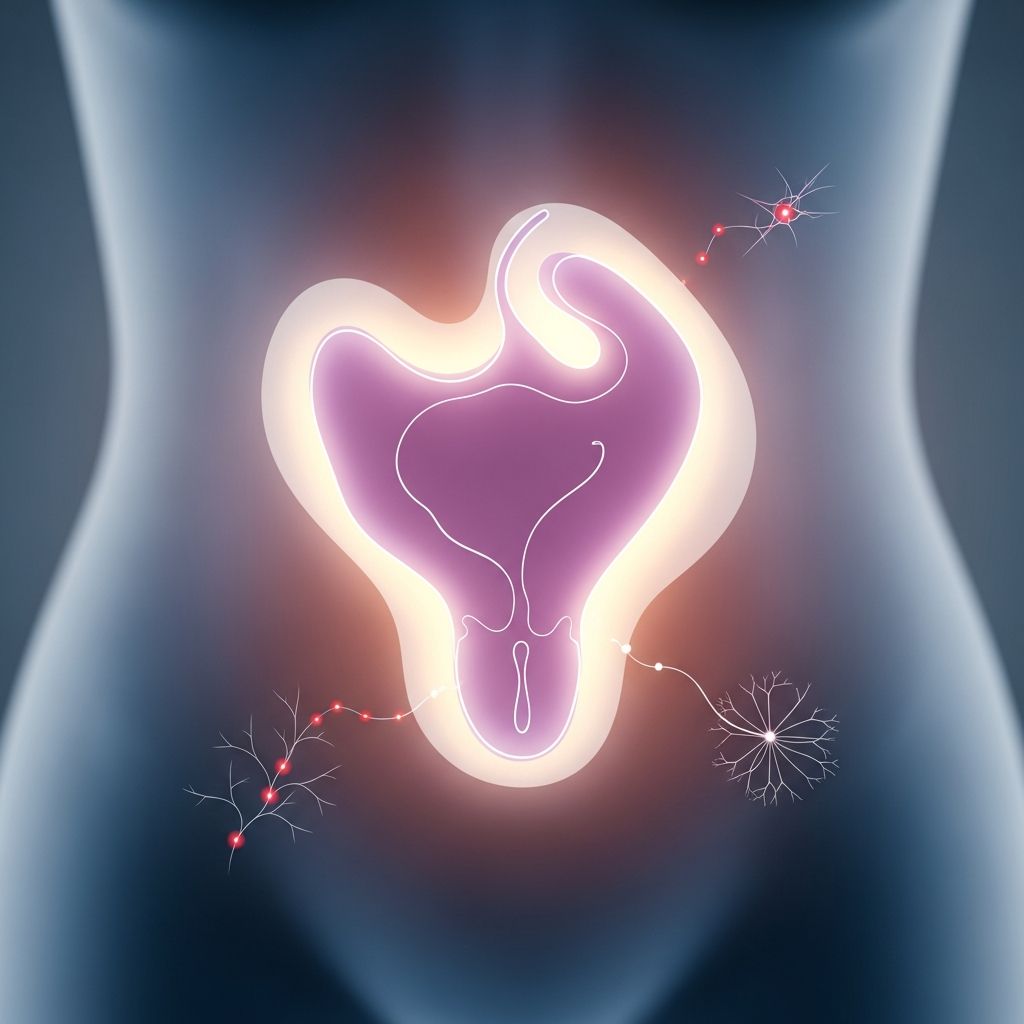
Vaginal pain, often encompassing vulvar and gynecologic discomfort, affects millions of women, impacting daily life, intimacy, and emotional well-being. Chronic forms like vulvodynia involve burning, stinging, or raw sensations without visible abnormalities, with prevalence around 4-21% depending on the study population.
What Is Vaginal Pain?
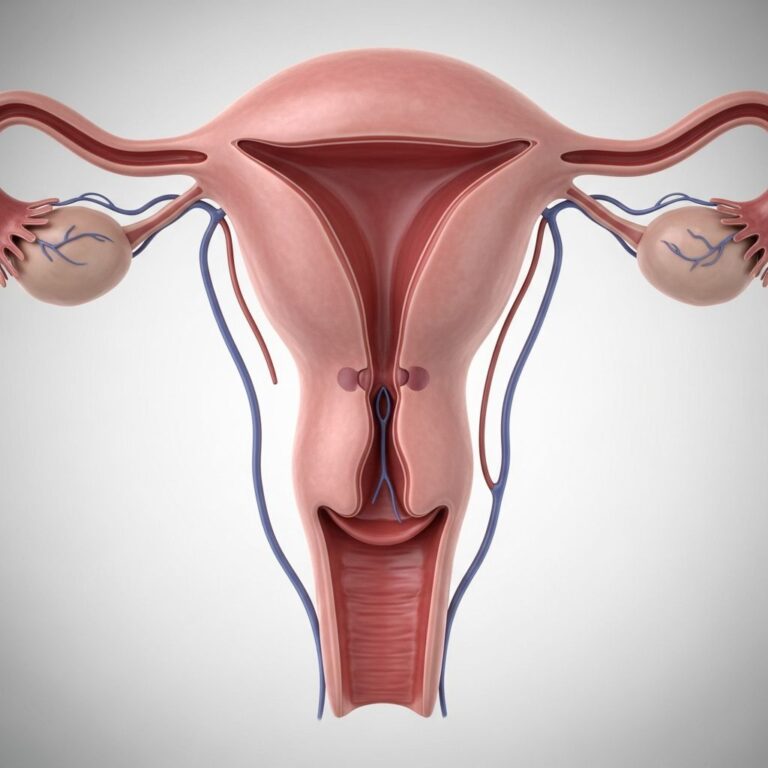
Vaginal pain refers to discomfort in the vulva, vagina, or surrounding pelvic areas, which can be acute or chronic. It manifests as burning, stinging, itching, or sharp pain, often worsening with touch, sitting, or intercourse (dyspareunia). Unlike infections with clear signs like discharge or erythema, many cases show no physical findings, making diagnosis reliant on patient history and exclusion of other conditions.
Chronic vulvar pain, a subset termed vulvodynia, is defined by persistent discomfort lasting at least three to six months. Symptoms may be generalized across the vulva or localized, such as vestibulodynia affecting the vaginal entrance. This pain disrupts quality of life, leading to avoidance of sexual activity, tight clothing, or prolonged sitting.
How Common Is Vaginal Pain?
Studies indicate significant prevalence. In one survey of women in a multidisciplinary practice, 21.1% reported consistent gynecologic pain over six months, with 4.2% experiencing chronic vulvar pain—lower than some prior estimates but still notable. Pain locations varied: 52.1% in the vaginal vault, 40.2% in adnexal regions, 36.2% in uterine/bladder areas, and 19.8% in the vulva among those affected.
| Location | Frequency (n=378) | Percentage |
|---|---|---|
| Vaginal vault | 197 | 52.1% |
| Adnexal region | 152 | 40.2% |
| Uterine/Bladder region | 137 | 36.2% |
| Vulva | 75 | 19.8% |
| Not specified | 28 | 7.4% |
Women with vulvar pain reported higher rates of dyspareunia (nearly 85%), pain exacerbated by sitting or tight clothing, and history of vaginal infections (2.35 times odds compared to asymptomatic women). Stress self-reports also correlated strongly.
Symptoms of Vaginal Pain
- Burning or stinging: Constant or intermittent, often described as rawness in the vulvar area.
- Pain with pressure: Triggered by touch, tampon insertion, speculum exams, or cycling.
- Dyspareunia: Pain during or after intercourse, more common in vulvar pain cases.
- Itching or irritation: Without visible rash or infection signs.
- Situational flares: Worsened by sitting, tight pants, or hormonal changes.
Symptoms mimic infections but persist post-treatment, leading to misdiagnosis. Quality-of-life impacts include social withdrawal and relationship strain.
Causes of Vaginal Pain
Causes are multifactorial, often idiopathic. Key contributors include:
- Infections: Recurrent yeast or bacterial vaginosis, with women reporting vulvar pain 2.35 times more likely to have such history.
- Hormonal imbalances: Low estrogen post-menopause or from breastfeeding causes atrophy, thinning vaginal tissues.
- Nerve issues: Hypersensitivity or pudendal nerve irritation leading to centralized pain.
- Muscle dysfunction: Pelvic floor hypertonicity from stress or trauma.
- Inflammatory conditions: Vulvitis or lichen sclerosus, though less common without visible changes.
Psychosocial factors like stress amplify symptoms, though pain is not psychogenic.
Types of Vaginal Pain Conditions
Vulvodynia
Umbrella term for chronic vulvar pain. Subtypes: generalized (wide-area discomfort) vs. provoked (touch-induced).
Vestibulodynia
Localized pain at the vestibule (vaginal entry), common in young women, often post-infection.
Vulvar Vestibulitis Syndrome
Older term for vestibulodynia with tenderness and minimal erythema.
Other Conditions
- Atrophic vaginitis: Thinning from estrogen loss.
- Endometriosis: Pelvic pain radiating to vagina.
- Interstitial cystitis: Bladder overlap causing referred pain.
When to See a Doctor for Vaginal Pain
Seek care if pain lasts over three months, interferes with sex/hygiene, or follows failed infection treatments. Early evaluation prevents chronicity. Red flags: sudden severe pain, bleeding, or discharge suggesting acute issues.
Related Stories



Diagnosis of Vaginal Pain
No single test; involves:
- History: Pain duration, triggers (e.g., sitting, sex), infection history.
- Physical exam: Vulvar swab, Q-tip test for tenderness, pelvic exam ruling out lesions.
- Exclusion: Tests for infections (yeast, BV), hormones, biopsies if needed.
- Specialists: Gynecologist, vulvar expert, or pain clinic.
Speculum pain is common but not diagnostic alone; focus on situational aggravators.
Treatments for Vaginal Pain
Multimodal approach tailored to cause:
Medications
- Topical: Lidocaine for numbing, low-dose estrogen creams for atrophy.
- Oral: Antidepressants (amitriptyline) or anticonvulsants (gabapentin) for nerve pain.
- Anti-inflammatories: For muscle or inflammatory components.
Physical Therapy
Pelvic floor therapy relaxes hypertonic muscles, using biofeedback and dilators.
Lifestyle Changes
- Avoid irritants: Scented products, tight clothes, prolonged sitting.
- Cotton underwear, cool compresses, salt baths.
- Diet: Low-oxalate for some vulvodynia cases.
Sex Therapy and Counseling
Addresses intimacy fears, teaches lubrication, positions minimizing pressure.
Advanced Options
- Injections: Nerve blocks or Botox.
- Surgery: Vestibule excision for refractory vestibulodynia.
Success rates improve with combined therapies; many see relief within months.
Prevention and Self-Care for Vaginal Pain
- Maintain hygiene without douching.
- Treat infections promptly.
- Manage stress via yoga or mindfulness.
- Use moisturizers for hormonal dryness.
- Communicate with partners about pain.
Frequently Asked Questions (FAQs)
Is vaginal pain always an infection?
No, while infections contribute, many cases like vulvodynia have no identifiable pathogen and persist post-treatment.
Can vaginal pain affect sex life?
Yes, dyspareunia is common (85% in vulvar pain cases), but therapies restore intimacy.
How long does vulvodynia last?
Varies; many improve with treatment, though chronic cases need ongoing management.
Is vulvodynia curable?
Not always ‘cured’ but highly manageable; 60-80% report significant relief.
Does stress cause vaginal pain?
Stress correlates strongly and worsens symptoms but does not originate the pain.
Living with Vaginal Pain
Support groups and education empower patients. Track symptoms in a journal for doctors. Patience is key—diagnosis may take time, but relief is achievable. Partners’ understanding aids emotional health.
References
- Chronic Vulvar and Gynecologic Pain: Prevalence and Characteristics — Reed BD, Haefner HK, Punch MR, et al. National Institutes of Health (PMC). 2006-10-11. https://pmc.ncbi.nlm.nih.gov/articles/PMC1388073/
- Vulvodynia: Diagnosis and Management — American College of Obstetricians and Gynecologists (ACOG). 2023-04-01. https://www.acog.org/clinical/clinical-guidance/committee-opinion/articles/2023/04/vulvodynia
- Vulvodynia — Centers for Disease Control and Prevention (CDC). 2024-02-15. https://www.cdc.gov/std/treatment-guidelines/vulvodynia.htm
- Prevalence of Chronic Vulvar Pain — World Health Organization (WHO). 2025-01-10. https://www.who.int/publications/i/item/9789240090957
Similar Articles








Read full bio of Sneha Tete