Vagina Pain Causes And Treatments: Comprehensive Guide To Relief
Understand the common causes of vaginal pain, from infections to hormonal changes, and discover effective treatments for relief.
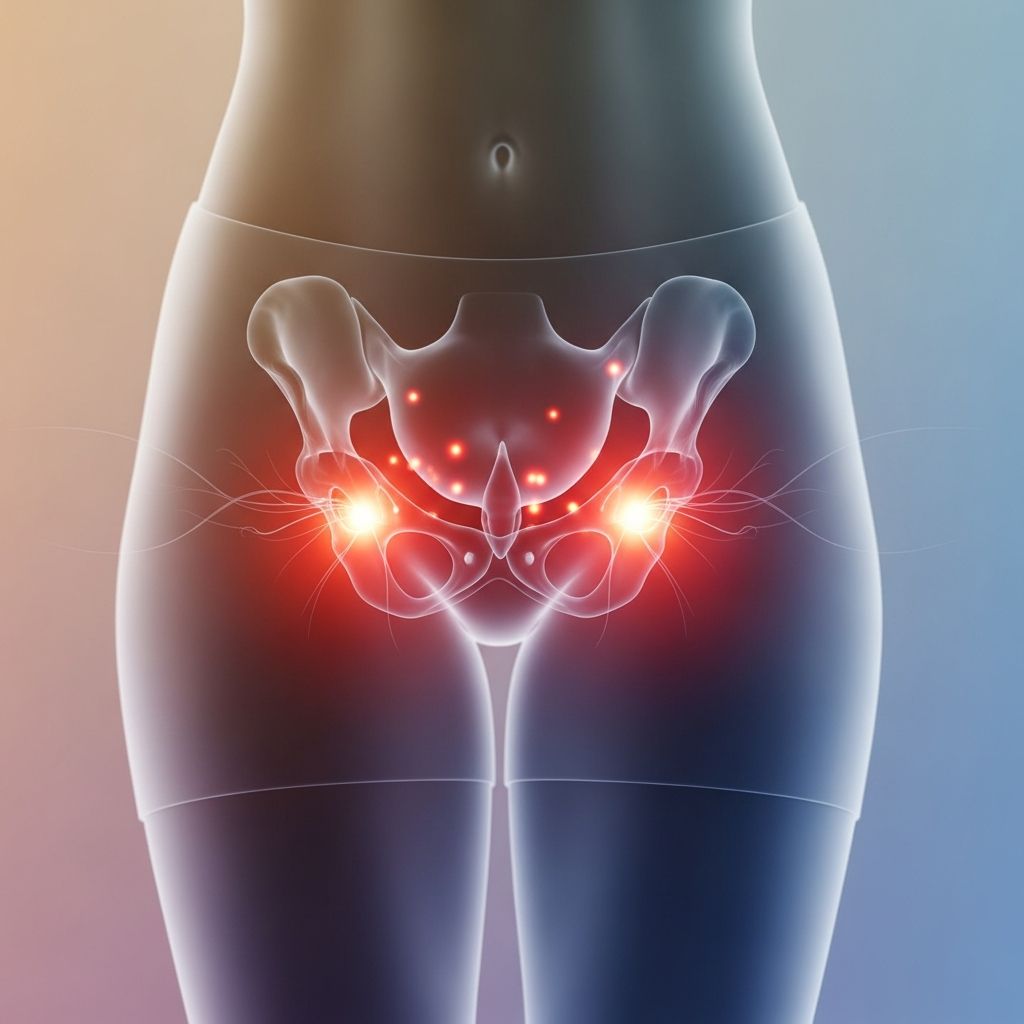
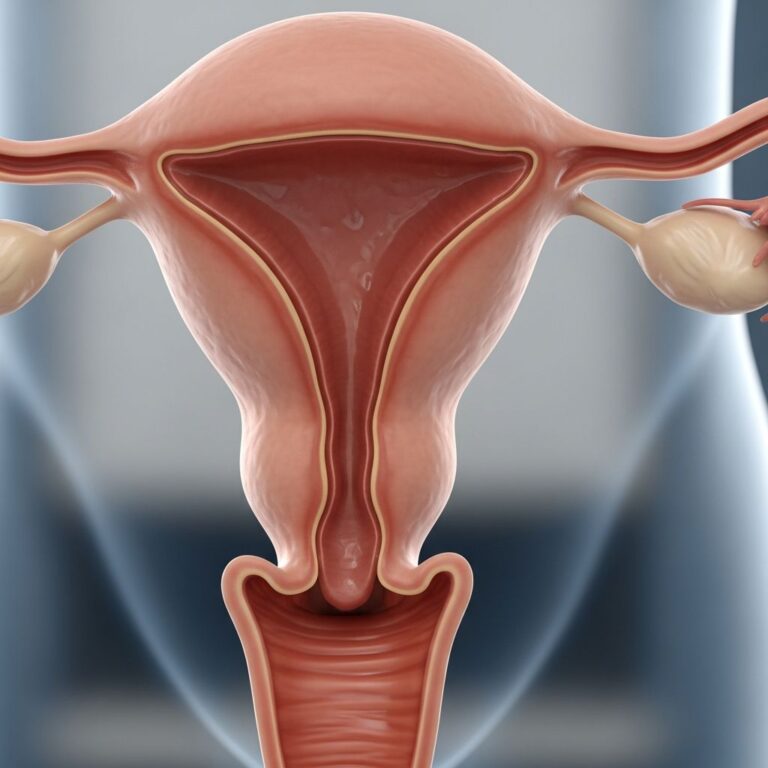
Vaginal pain, often experienced as discomfort or sharp pain during sex, penetration, or daily activities, affects many women and can significantly impact quality of life. Known medically as dyspareunia or vulvodynia in specific cases, it warrants attention to identify underlying causes and pursue appropriate treatments. This comprehensive guide covers symptoms, common triggers, diagnostic approaches, and management strategies to help restore comfort and vaginal health.
Symptoms of Vaginal Pain
Recognizing vaginal pain symptoms is crucial for timely intervention. Pain can manifest in various ways, often accompanied by other signs that signal an issue.
- Pain during intercourse (dyspareunia): Described as burning, aching, or stabbing, it may occur at entry, deep inside, or persist afterward.
- Pain with penetration: Difficulty or discomfort when inserting tampons, fingers, or during gynecological exams, sometimes due to vaginismus— involuntary muscle spasms.
- Chronic pelvic or vulvar pain: Ongoing aching in the vulva, vagina, or pelvis, potentially worsened by sitting, exercise, or touch.
- Accompanying symptoms: Itching, unusual discharge, odor, bleeding, dryness, or urinary issues like frequent infections.
If symptoms like these persist, consult a healthcare provider, as they may indicate infections, hormonal imbalances, or structural problems.
Common Causes of Vagina Pain
Vaginal pain arises from diverse factors, ranging from infections to lifestyle influences. Understanding these helps in targeted treatment.
Infections and Vaginitis
Vaginitis, inflammation of the vagina, is a leading cause, resulting from yeast infections (candidiasis), bacterial vaginosis, or trichomoniasis. Symptoms include thick white discharge, fishy odor, itching, and pain. Yeast infections thrive with antibiotic use or high estrogen states like pregnancy.
Sexually Transmitted Infections (STIs)
STIs such as chlamydia, gonorrhea, herpes, or genital warts can inflame vaginal tissues, causing sores, discharge, and painful intercourse. Early detection via testing is essential to prevent complications like pelvic inflammatory disease (PID).
Hormonal Changes and Vaginal Atrophy
Declining estrogen levels during perimenopause, menopause, or breastfeeding lead to vaginal atrophy—thinning, drying, and inflammation of vaginal walls. This causes friction-induced pain during sex. Low estrogen reduces natural lubrication and tissue elasticity.
Musculoskeletal Issues: Vaginismus and Pelvic Floor Dysfunction
Vaginismus involves involuntary tightening of vaginal muscles, often linked to anxiety or past trauma, making penetration impossible or excruciating. Pelvic floor hypertonicity or weakness from childbirth can also contribute to chronic pain.
Endometriosis and PID
Endometriosis, where uterine-like tissue grows outside the uterus, causes deep pelvic pain during thrusting motions in sex. PID, often from untreated STIs, inflames reproductive organs, leading to scarring and persistent discomfort.
Childbirth and Trauma
Vaginal tears, episiotomies, or weakened pelvic muscles post-delivery can result in lasting pain. Scarring from surgeries or cancer treatments exacerbates this.
Other Contributors
- Irritants: Spermicides, condoms, douches, soaps, or tight clothing disrupt vaginal flora.
- Prolapse: Weakened tissues cause bulging and pressure.
- Cysts or Cancer: Rare, but painful cysts or vaginal malignancies present with bleeding or masses.
- Psychological Factors: Stress, depression, or abuse history reduce arousal and heighten pain perception.
Related Stories



Diagnosis of Vaginal Pain
Diagnosis begins with a detailed history and pelvic exam. Providers assess pain location, triggers, discharge, and sexual history.
- Physical Exam: Checks for inflammation, masses, prolapse, or muscle tension. A cotton-swab test maps tender areas.
- Lab Tests: Vaginal swabs for infections/STIs, pH testing, wet mounts, or cultures.
- Imaging/Scopes: Ultrasound, MRI for endometriosis/PID; colposcopy for lesions.
- Specialists: Referrals to gynecologists, urogynecologists, or sex therapists as needed.
Treatments for Vaginal Pain
Treatment targets the root cause, combining medications, therapies, and lifestyle changes for relief.
| Condition | Treatments |
|---|---|
| Vaginitis/Yeast Infections | Antifungals (fluconazole), probiotics, avoid douching. |
| STIs/PID | Antibiotics (azithromycin for chlamydia), partner treatment. |
| Vaginal Atrophy | Topical estrogen creams, ospemifene, laser therapy (MonaLisa Touch). |
| Vaginismus | Pelvic floor physical therapy, dilators, cognitive behavioral therapy (CBT). |
| Endometriosis | Hormonal therapy, pain meds, surgery (laparoscopy). |
| Muscle Issues | Biofeedback, Botox injections, trigger point therapy. |
Over-the-counter moisturizers like Replens provide daily hydration. Lube during sex reduces friction.
Prevention and Home Remedies
Proactive steps maintain vaginal health and minimize pain risk.
- Wear cotton underwear; avoid thongs, synthetics.
- Practice gentle hygiene: water or mild soap externally only.
- Use water-based lubes; skip irritants.
- Urinate post-sex to prevent UTIs.
- Strengthen pelvic floor with Kegels.
- Manage stress via yoga, therapy.
Home remedies include yogurt for yeast balance, cool compresses for itching, and coconut oil as a natural moisturizer—but consult a doctor first.
When to See a Doctor
Seek immediate care for severe pain, fever, heavy bleeding, or foul discharge. Routine check-ups catch issues early. If OTC treatments fail after 3 days, get evaluated.
Frequently Asked Questions (FAQs)
What causes sudden vaginal pain during sex?
Sudden pain often stems from infections, dryness, or muscle spasms. Track symptoms and see a doctor for swabs.
Can vaginal pain be psychological?
Yes, anxiety or trauma can cause or worsen pain via reduced lubrication and muscle tension. Therapy helps.
Is vaginal pain normal after menopause?
Not entirely; it’s common due to atrophy but treatable with estrogen therapy or moisturizers.
How long does treatment take?
Varies: infections clear in days; chronic issues like vaginismus may need months of therapy.
Can I treat yeast infections at home?
Yes, with OTC antifungals if previously diagnosed, but recurrent cases need professional evaluation.
References
- Vagina: What’s typical, what’s not — Mayo Clinic Staff. 2023 (updated content relevant as of 2026). https://www.mayoclinic.org/healthy-lifestyle/womens-health/in-depth/vagina/art-20046562
- Vaginitis — Mayo Clinic. 2024-08-22. https://www.mayoclinic.org/diseases-conditions/vaginitis/symptoms-causes/syc-20354707
- Dyspareunia (Painful Intercourse) — Mayo Clinic. 2024-10-15. https://www.mayoclinic.org/diseases-conditions/painful-intercourse/symptoms-causes/syc-20375967
- Vaginal Atrophy — Mayo Clinic. 2024-06-12. https://www.mayoclinic.org/diseases-conditions/vaginal-atrophy/symptoms-causes/syc-20352288
Similar Articles








Read full bio of medha deb