Vaginal Atrophy: Causes, Symptoms, and Treatment
Understanding vaginal atrophy: comprehensive guide to causes, symptoms, and effective treatment options.
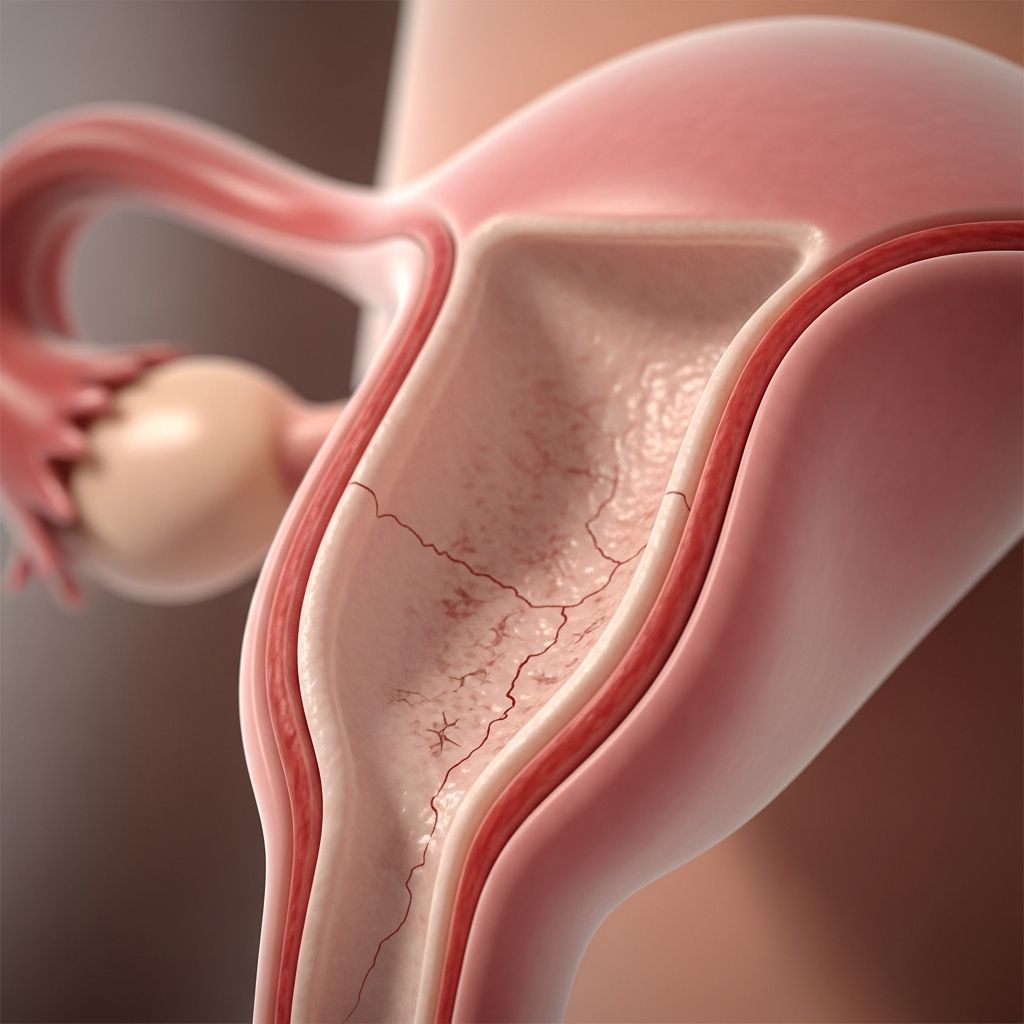
Understanding Vaginal Atrophy and Atrophic Vaginitis
Vaginal atrophy, medically known as atrophic vaginitis or genitourinary syndrome of menopause (GSM), is a condition characterized by thinning, drying, and inflammation of the vaginal walls. This occurs when the body produces less estrogen, fundamentally altering the composition and function of vaginal tissue. Although commonly associated with menopause, vaginal atrophy can develop in various circumstances where estrogen levels decline. Understanding this condition is essential for women experiencing uncomfortable symptoms, as effective treatments are available to manage and alleviate the discomfort associated with this increasingly common health concern.
What Causes Vaginal Atrophy?
The primary cause of vaginal atrophy is a significant decrease in circulating estrogen levels. Estrogen plays a crucial role in maintaining vaginal tissue health, elasticity, lubrication, and the proper pH balance of the vagina. When estrogen levels decline, these protective mechanisms fail, leading to the characteristic symptoms and tissue changes associated with the condition.
Primary and Secondary Causes
Menopause represents the leading cause of vaginal atrophy, affecting the majority of cases due to the dramatic decline in ovarian estrogen production that naturally occurs during this life transition. However, several other medical conditions and treatments can trigger vaginal atrophy in both menopausal and premenopausal women:
| Category | Specific Causes |
|---|---|
| Medical Treatments | Radiation therapy, chemotherapy, tamoxifen therapy, oophorectomy (surgical ovary removal) |
| Postpartum Factors | Loss of placental estrogen, elevated prolactin levels during breastfeeding that antagonize estrogen production |
| Immunologic Disorders | Conditions affecting ovarian hormone production and function |
| Lifestyle Factors | Cigarette smoking, cessation of sexual activity, vaginal nulliparity |
| Medications | Antiestrogen medications including danazol, medroxyprogesterone, leuprolide, and nafarelin |
The development of vaginal atrophy typically requires a prolonged period of decreased estrogen stimulation before noticeable symptoms emerge. This gradual progression means that early intervention can prevent symptom escalation and tissue damage.
Recognizing the Symptoms
Vaginal atrophy presents with a wide spectrum of symptoms that vary in severity among affected women. Some women experience multiple symptoms simultaneously, while others may notice only one or two manifestations. A decrease in vaginal lubrication represents an early hallmark of hormone insufficiency and often serves as the first warning sign.
Common Symptoms Include
Vaginal dryness is perhaps the most prevalent symptom and can range from mild to severely uncomfortable. Women often report redness and itching of the genital area, along with burning sensations that may occur both within the vagina and during urination. Many experience dyspareunia—painful sexual intercourse—which can significantly impact intimate relationships and quality of life. Some women notice light bleeding, spotting, or discomfort following sexual activity. Additionally, the tightening and shortening of the vaginal canal can create physical discomfort and further complicate sexual function.
Beyond local vaginal symptoms, many women develop recurrent urinary tract infections due to changes in vaginal pH and decreased protective mucus production. Increased urinary frequency and discomfort in the urethra are also common complaints. These urinary symptoms can become chronic and significantly interfere with daily activities if left untreated.
Diagnostic Approach
Healthcare providers diagnose vaginal atrophy through a combination of clinical evaluation and symptom assessment. The diagnostic process typically begins with a thorough review of medical history and a discussion of presenting symptoms. A physical examination allows physicians to observe vaginal tissue changes, including thinning, pallor, loss of rugae (the normal folds in vaginal tissue), and decreased lubrication.
Related Stories



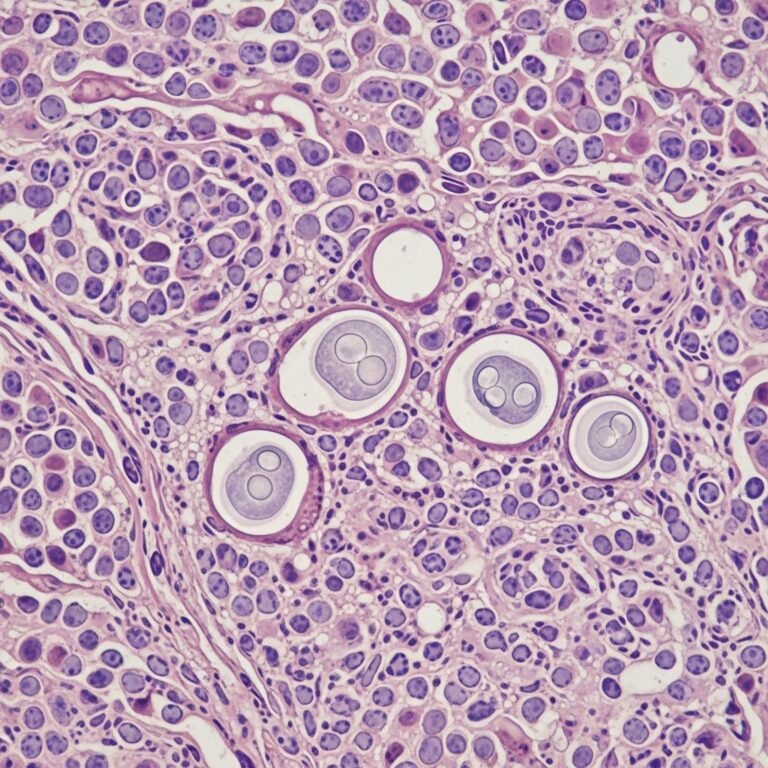
Laboratory testing may include a vaginal pH measurement, as atrophic vaginitis typically results in a pH above 4.5 due to decreased lactobacilli. A wet mount microscopy can reveal decreased lactobacilli and an increase in parabasal cells characteristic of estrogen deficiency. These objective findings, combined with clinical symptoms, provide a definitive diagnosis.
Treatment Options for Vaginal Atrophy
Modern medicine offers multiple treatment approaches for vaginal atrophy, ranging from simple lifestyle modifications to advanced medical therapies. Treatment selection depends on symptom severity, individual patient factors, contraindications, and treatment efficacy.
Nonhormonal Treatments
For women with mild symptoms or those who prefer to avoid hormone therapy, nonhormonal options provide effective relief. Vaginal lubricants offer immediate, temporary relief by increasing moisture and reducing friction during intercourse. Over-the-counter products can be applied as needed and work best when used regularly. Vaginal moisturizers provide longer-lasting hydration by maintaining moisture in vaginal tissues and are typically applied several times weekly.
Regular sexual activity independently contributes to vaginal health by improving blood flow to genital tissues and maintaining vaginal lubrication through natural physiologic responses. Increased hydration and cessation of cigarette smoking also support vaginal tissue health.
Vaginal dilators represent another nonhormonal option that stimulates and stretches vaginal muscles, helping to reverse the narrowing and shortening of the vaginal canal that occurs with estrogen deficiency. These devices can be used alone or in conjunction with other treatments.
Hormonal Treatments
Estrogen replacement therapy represents the most logical and effective treatment for vaginal atrophy since estrogen deficiency causes the condition. Estrogen replacement restores normal vaginal pH, thickens and revascularizes the vaginal epithelium, and increases the number of superficial cells that provide lubrication and elasticity.
Systemic Estrogen Therapy
Systemic administration of estrogen through oral medications, patches, or injections addresses vaginal atrophy while providing additional benefits including decreased postmenopausal bone loss and relief from vasomotor symptoms such as hot flushes. However, standard dosages of systemic estrogen fail to eliminate vaginal atrophy symptoms in 10 to 25 percent of patients. Higher systemic estrogen dosages may be necessary for symptom resolution, and some women require concurrent application of local vaginal estrogen products.
Vaginal Estrogen Therapy
Low-dose vaginal estrogen therapy delivers hormone directly to affected tissue, effectively relieving symptoms without causing significant proliferation of vaginal epithelium or widespread systemic hormone absorption. This approach comes in multiple formulations:
Vaginal creams allow for flexible dosing and direct application to affected areas. Vaginal tablets offer convenience and consistent dosing. Pessaries provide sustained hormone delivery. The Estring, a hormone-releasing vaginal ring, delivers consistent low-dose estrogen over three weeks and represents an option for women preferring less frequent application.
Treatment duration varies considerably; up to 24 months of vaginal estrogen therapy may be necessary to completely eradicate vaginal dryness. Some patients do not fully respond even to extended treatment regimens and may require combination therapy or alternative approaches.
Non-Estrogen Hormonal Options
For women unable to use estrogen due to contraindications such as estrogen-sensitive breast cancer, non-estrogen topical hormonal treatments offer alternatives. These medications work through different mechanisms to restore vaginal tissue health and function.
Advanced Treatment Options
For women with severe symptoms unresponsive to conventional treatments or those unable to use hormonal therapy, newer energy-based office procedures provide additional options. Vaginal laser therapy stimulates collagen production and improves vaginal tissue elasticity, helping to reverse atrophic changes. The MonaLisa Touch treatment reshapes and restores atrophic vaginal tissue, with many women reporting significant reduction in dryness, burning sensations, urinary problems, and pain during intercourse following laser therapy.
Why Prompt Treatment Matters
Early intervention in vaginal atrophy is crucial because untreated atrophy progressively worsens over time. Without treatment, the vagina becomes increasingly dry, and vaginal tissue continues to thin and lose elasticity. In severe cases, atrophy can narrow the vaginal opening so significantly that treatment becomes more challenging if initiated later. Additionally, untreated vaginal atrophy increases the risk of chronic urinary tract infections and higher rates of vaginal infections due to altered vaginal pH and compromised tissue integrity.
Natural and Lifestyle Modifications
Beyond medical treatments, several lifestyle measures support vaginal health and can complement formal treatment approaches. Maintaining adequate hydration supports overall tissue health and vaginal lubrication. Quitting smoking improves blood flow to vaginal tissues and supports healing. Remaining sexually active, when possible and desired, improves blood flow to the genital area and maintains vaginal lubrication through natural physiologic responses.
Frequently Asked Questions About Vaginal Atrophy
Q: Is vaginal atrophy a normal part of aging?
A: While vaginal atrophy commonly occurs with menopause and aging, it is not an inevitable consequence that must be tolerated. Effective treatments are available to manage symptoms and restore comfort and function. Many women benefit significantly from appropriate therapy.
Q: Can vaginal atrophy be cured permanently?
A: Vaginal atrophy cannot be permanently cured, but symptoms can be effectively managed with appropriate treatment. Most women require ongoing therapy to maintain symptom relief, as symptoms typically recur if treatment is discontinued.
Q: How long does treatment take to work?
A: Different treatments work on different timelines. Vaginal lubricants and moisturizers provide immediate relief. Hormonal treatments typically require several weeks to months for maximum benefit, with some requiring up to 24 months for complete symptom resolution.
Q: Are hormonal treatments safe for women with breast cancer?
A: Women with estrogen-sensitive breast cancer should consult with their oncologist before using vaginal estrogen, as there is concern about potential increased cancer recurrence risk. Non-hormonal options and non-estrogen hormonal treatments may be recommended instead.
Q: What should I do if first-line treatments don’t provide adequate relief?
A: If nonhormonal treatments prove insufficient, second-line therapies including low-dose vaginal estrogen should be considered. If these fail and symptoms are severe, newer energy-based office procedures or advanced treatments may be appropriate options to discuss with your healthcare provider.
Q: Can vaginal atrophy lead to serious complications?
A: If left untreated, vaginal atrophy can lead to serious complications including chronic recurrent urinary tract infections, increased risk of vaginal infections, and in severe cases, significant narrowing of the vaginal opening that complicates future treatment and sexual function.
Q: Should I feel embarrassed discussing vaginal atrophy with my doctor?
A: No. Vaginal atrophy is an extremely common medical condition affecting approximately 50 percent of postmenopausal women. Healthcare providers encounter this regularly and are equipped to discuss it professionally and provide appropriate treatment recommendations tailored to your needs.
References
- Diagnosis and Treatment of Atrophic Vaginitis — American Academy of Family Physicians. 2000-05-15. https://www.aafp.org/pubs/afp/issues/2000/0515/p3090.html
- Vaginal Atrophy: Causes, Symptoms, Diagnosis & Treatment — Cleveland Clinic. https://my.clevelandclinic.org/health/diseases/15500-vaginal-atrophy
- Vaginal Atrophy — Symptoms & Causes — Mayo Clinic. https://www.mayoclinic.org/diseases-conditions/vaginal-atrophy/symptoms-causes/syc-20352288
- Vaginal Atrophy — Diagnosis & Treatment — Mayo Clinic. https://www.mayoclinic.org/diseases-conditions/vaginal-atrophy/diagnosis-treatment/drc-20352294
- Current Treatment Options for Postmenopausal Vaginal Atrophy — National Institutes of Health. https://pmc.ncbi.nlm.nih.gov/articles/PMC6074805/
- Vaginal Atrophy Treatments Can Help — Ohio State University College of Medicine. https://health.osu.edu/health/ob-gyn/vaginal-atrophy-treatments-can-help
- Experiencing Vaginal Dryness? Here’s What You Need to Know — American College of Obstetricians and Gynecologists. https://www.acog.org/womens-health/experts-and-stories/the-latest/experiencing-vaginal-dryness-heres-what-you-need-to-know
Similar Articles








Read full bio of medha deb