Vaginal Diaphragm: A Guide to Barrier Birth Control
Learn how vaginal diaphragms work as an effective barrier contraceptive method.
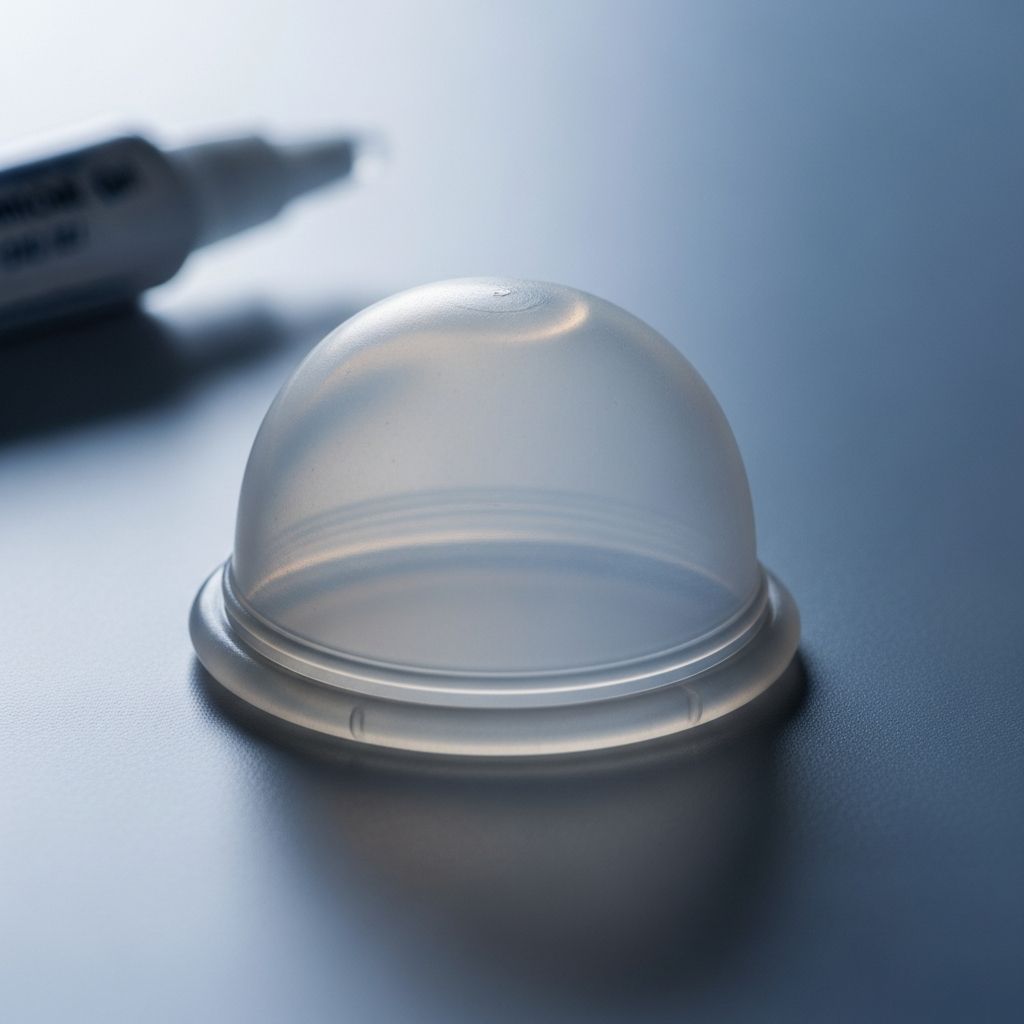
A vaginal diaphragm is a flexible, reusable dome-shaped cup that you insert into your vagina to prevent pregnancy. Like other barrier methods such as condoms, cervical caps, and vaginal sponges, the diaphragm works by physically blocking sperm from reaching your uterus and fallopian tubes, where fertilization occurs. When combined with spermicide, this contraceptive method offers a non-hormonal option for those seeking to prevent pregnancy while maintaining flexibility and control over their reproductive choices.
What Is a Vaginal Diaphragm?
The vaginal diaphragm is a shallow, dome-shaped rubber or silicone cup with a flexible metallic rim that fits over your cervix and the upper portion and lateral walls of your vagina. The device is completely reusable and can be washed and reused for several years with proper care. When inserted correctly, you should not feel the diaphragm during normal activities, including walking, sneezing, or intercourse.
The primary function of the diaphragm is to create a physical barrier that prevents sperm from entering your uterus and reaching your eggs. However, a diaphragm must always be used in combination with spermicide to be effective. Spermicide is a chemical substance that immobilizes or kills sperm, preventing them from swimming through to your uterus.
How Does a Vaginal Diaphragm Work?
The diaphragm operates through a dual-action mechanism. First, it covers your cervix, which is the opening between your vagina and uterus, creating a physical barrier that separates sperm ejaculated into your vagina during intercourse from your uterus. Second, the spermicide applied to the diaphragm works chemically to immobilize sperm so they cannot reach your uterus.
Spermicides are available in multiple forms, including foam, cream, gel, or suppository formats. Before insertion, you apply the spermicide to your diaphragm. After your first episode of sexual intercourse, additional spermicide should be inserted into the vagina before each subsequent act of intercourse to maintain effectiveness. This two-pronged approach—physical barrier plus chemical spermicide—makes the combination more effective than either method alone.
Effectiveness of Vaginal Diaphragms
The effectiveness of vaginal diaphragms varies depending on how consistently and correctly they are used. Under ideal conditions with perfect use, vaginal diaphragms can prevent pregnancy 94% of the time. However, with typical use—accounting for inconsistencies or improper insertion—the effectiveness rate drops to 87%, which means approximately 13 out of 100 women using this method will become pregnant within a year.
This effectiveness rate aligns with research findings showing pregnancy rates of approximately 6% with perfect use and about 12% with typical use for conventional latex diaphragms during the first year. The difference between perfect and typical use emphasizes the importance of proper education, consistent application of spermicide, and correct insertion technique.
If you’re looking to maximize contraceptive effectiveness, combining a diaphragm with another birth control method, such as condoms, can significantly reduce your pregnancy risk. This combination approach also provides the added benefit of protection against sexually transmitted infections, which diaphragms alone do not provide.
How to Insert Your Diaphragm
Proper insertion is crucial for the diaphragm to function effectively. Your healthcare provider will teach you the correct insertion technique during your appointment. Here are the general steps for inserting your diaphragm:
Related Stories



- Wash your hands with mild, unscented soap and water
- Add the appropriate amount of spermicide to your diaphragm, following the specific product instructions carefully as amounts vary by spermicide type
- Place the spermicide inside the dome of the diaphragm and apply it to the rim as well
- Position yourself comfortably, either standing with one foot elevated, sitting, or squatting
- Insert the diaphragm into your vagina at an angle, positioning it so that the dome covers your cervix
- Check the fit by inserting a finger to ensure your cervix is covered by the dome
After insertion, the diaphragm should feel comfortable and stay in place without any discomfort. You should not be able to feel your diaphragm during normal activities. If you experience pain or discomfort, or if your partner reports discomfort, contact your healthcare provider to ensure proper sizing and insertion.
Diaphragm Removal and Aftercare
The diaphragm should remain in place for at least six to eight hours after intercourse but should not be left in for more than twenty-four hours. This timing ensures that the spermicide has sufficient time to work while preventing potential complications from prolonged wear.
To remove your diaphragm, hook your finger under the rim and gently pull it down and out. After removal, wash your diaphragm thoroughly with mild soap and warm water, then allow it to air dry completely before storing it. Never use harsh cleaners or expose your diaphragm to extreme heat.
Important consideration: avoid douching or wait until at least six hours after intercourse before douching, as douching can rinse out the spermicide too early and reduce effectiveness.
Getting a Prescription and Fitting
You’ll need a prescription from your healthcare provider to obtain a vaginal diaphragm, as it must be individually fitted to your body. During your visit, your provider will perform a pelvic exam to determine the correct size for your diaphragm. Diaphragms come in various sizes, typically ranging from 55 millimeters to 95 millimeters in diameter, ensuring a proper fit for different body types.
Your provider will teach you how to insert and remove your diaphragm correctly and answer any questions about its use. While a prescription is required for the diaphragm itself, spermicide can be purchased over-the-counter without a prescription from most pharmacies.
When to Replace Your Diaphragm
You can wear a diaphragm for up to two years unless your body undergoes changes that require a replacement. As your body changes, you may need a different size diaphragm to accommodate those changes. You should see your provider about checking and replacing your diaphragm if you experience:
- Significant weight gain or loss
- Pregnancy and postpartum period (after delivery or miscarriage, typically six weeks later)
- Pelvic surgery
- Increased age and associated body changes
Additionally, you should replace your diaphragm immediately if you notice any tears or holes. To check for damage, stretch the silicone or latex under direct light and visually inspect for tears. Run water through your diaphragm and check for leaks. If you see any signs of breakage, it’s time to replace your diaphragm.
Potential Side Effects and Considerations
Vaginal diaphragms typically don’t cause side effects with correct use. However, some individuals may experience minor issues, including temporary discomfort during insertion, mild irritation from the spermicide, or rare allergic reactions to the silicone or latex material.
You should not use a vaginal diaphragm if you have a latex allergy, unless you opt for a silicone diaphragm instead. Additionally, diaphragms may not be the best choice if you have anatomical abnormalities of your cervix or vagina that prevent proper fitting, or if you have a history of toxic shock syndrome.
Vaginal diaphragms may not be the ideal choice if your age and sexual lifestyle increase your pregnancy risk significantly. If you’re under 30 and have frequent sexual intercourse (three or more times per week), you may need a more effective form of birth control, such as a long-acting reversible contraceptive (LARC) like an IUD or implant.
STI Protection and Additional Precautions
It’s important to note that vaginal diaphragms do not protect against sexually transmitted infections (STIs). If STI prevention is a concern for you, using a condom with your diaphragm provides both pregnancy prevention and protection against many STIs. This dual-method approach greatly reduces your pregnancy risk while providing comprehensive sexual health protection.
Advantages and Disadvantages of Diaphragms
The diaphragm offers several advantages as a contraceptive option. It is non-hormonal, making it suitable for those who cannot use hormonal birth control. It is reusable, reducing long-term costs compared to single-use methods. It provides control and can be used only when needed. The diaphragm also has minimal side effects for most users.
However, diaphragms also have limitations. They require a prescription and professional fitting, they must be used with spermicide every time, they do not protect against STIs, and they require consistent and correct use to be effective. The effectiveness rate is lower than some other contraceptive methods like IUDs or implants.
Comparing Diaphragms to Other Barrier Methods
| Method | Effectiveness | STI Protection | Reusable | Requires Prescription |
|---|---|---|---|---|
| Vaginal Diaphragm | 87% typical use | No | Yes | Yes |
| Cervical Cap | 71-86% depending on use | No | Yes | Yes |
| Male Condom | 85% typical use | Yes | No | No |
| Female Condom | 79% typical use | Yes | No | No |
Who Should Consider a Vaginal Diaphragm?
Vaginal diaphragms may be an appropriate choice if you’re looking for a non-hormonal, reversible contraceptive method. They work well for individuals who have occasional or moderate sexual activity and who are committed to consistent and correct use. If you want control over your contraception and prefer not to use hormonal methods, a diaphragm might be suitable for you.
However, if you have frequent sexual intercourse, are under 30 years old, or need highly effective contraception, you might benefit from exploring other options like IUDs, implants, or other long-acting reversible contraceptives that offer higher effectiveness rates.
Frequently Asked Questions
Q: Can I feel my diaphragm during intercourse?
A: No, you should not feel your diaphragm during intercourse if it is properly sized and inserted correctly. If you or your partner experiences discomfort, contact your healthcare provider. You may need a different size or adjustment to your insertion technique.
Q: How often do I need to apply spermicide?
A: Apply spermicide to your diaphragm before the first episode of sexual intercourse. For subsequent acts of intercourse, insert additional spermicide into your vagina before each act without removing the diaphragm.
Q: How long can I wear my diaphragm?
A: Your diaphragm should remain in place for at least six to eight hours after intercourse but should not be worn for more than twenty-four hours to prevent potential complications.
Q: What if my diaphragm gets damaged?
A: If you notice tears, holes, or leaks, you should replace your diaphragm immediately. Regularly inspect your diaphragm for damage before each use by stretching it under direct light and running water through it.
Q: Can I use a diaphragm if I’m allergic to latex?
A: Yes, silicone diaphragms are available for those with latex allergies. Discuss your allergy with your healthcare provider when obtaining your prescription.
Q: Does a diaphragm protect against STIs?
A: No, diaphragms do not protect against sexually transmitted infections. Use a condom in addition to your diaphragm for STI protection.
References
- Vaginal Diaphragm Contraceptive: Function & Effectiveness — Cleveland Clinic. 2024. https://my.clevelandclinic.org/health/articles/23427-vaginal-diaphragm
- Barrier and Other Pericoital Contraceptives — Merck Manuals Professional Edition. 2024. https://www.merckmanuals.com/professional/gynecology-and-obstetrics/family-planning/barrier-and-other-pericoital-contraceptives
- Reliability of the Vaginal Diaphragm as a Contraceptive Method — PubMed Central. 1988. https://pubmed.ncbi.nlm.nih.gov/3956961/
Similar Articles








Read full bio of medha deb