Vaginal Dilators: Uses, Benefits & Treatment Guide
Complete guide to vaginal dilators: understand their uses, benefits, and proper application techniques.
Understanding Vaginal Dilators: A Complete Treatment Guide
Vaginal dilators are specialized medical devices designed to treat various conditions affecting the vagina and pelvic floor. These progressive dilation tools help women regain comfort, confidence, and quality of life by gradually restoring vaginal elasticity and reducing muscle tension. Whether recovering from surgery, undergoing cancer treatment, or managing conditions like vaginismus, vaginal dilators offer a non-invasive, evidence-based approach to healing and wellness.
What Are Vaginal Dilators?
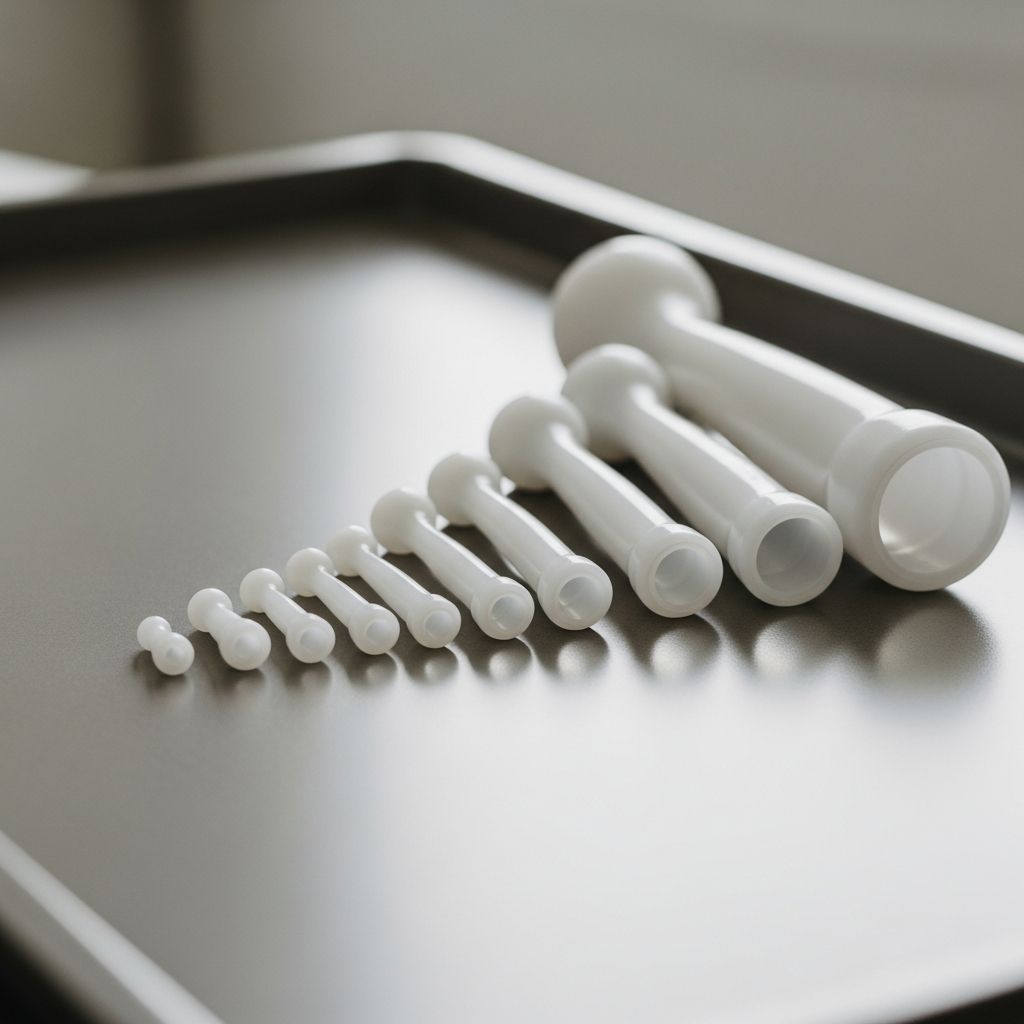
Vaginal dilators are smooth, graduated cylindrical devices typically made from medical-grade silicone or plastic. They come in progressively larger sizes, allowing patients to begin with the smallest dilator and gradually advance to larger ones as comfort improves. The devices range from thin sizes suitable for initial therapy to larger sizes that accommodate normal vaginal dimensions.
These medical tools work by gently stretching vaginal tissue while simultaneously teaching the pelvic floor muscles to relax. This dual action addresses both the physical dimension of vaginal constriction and the muscular tension that often accompanies vaginal health conditions. Unlike forced dilation, proper dilator use focuses on gradual, comfortable expansion that respects the body’s natural healing process.
Indications for Vaginal Dilator Use
Vaginal dilators treat several medical conditions by addressing vaginal constriction and restoring tissue elasticity. Healthcare providers recommend dilators for patients experiencing various challenges related to vaginal function and comfort. The primary indications include:
Vaginismus Treatment
Vaginismus is a condition characterized by involuntary muscular spasms of the vagina, making penetration painful or impossible. Vaginal dilators help patients with vaginismus by progressively conditioning the vaginal muscles to relax. Through consistent use, patients learn that penetration need not be painful, gradually building confidence and reducing anxiety associated with vaginal penetration. This psychological and physiological retraining is essential to overcoming vaginismus and restoring normal sexual function.
Post-Surgical Recovery
Following reconstructive vaginal surgery, dilators help maintain vaginal patency and prevent scar tissue formation. Surgeons often prescribe dilators immediately after procedures to ensure the surgical site remains open and properly heals. Regular dilator use prevents the vagina from narrowing or becoming stenotic during the healing process, ultimately supporting better surgical outcomes and long-term comfort.
Post-Radiation Therapy
Radiation therapy for gynecological cancers can significantly damage vaginal tissue by reducing blood supply to the area. This decreased vascularity causes tissue to lose elasticity, become fragile, and develop fibrosis. Vaginal dilators help counteract these effects by maintaining vaginal opening and keeping tissue supple. Regular dilator use following radiation therapy preserves vaginal function and can prevent or minimize the development of vaginal stenosis, a serious late-term side effect of radiation.
Vaginal Stenosis
Vaginal stenosis involves progressive narrowing of the vaginal canal, often resulting from scarring due to trauma, radiation, or surgery. Vaginal dilators work by slowly and gently stretching the vagina, preventing further narrowing and gradually restoring normal vaginal dimensions. While scar tissue doesn’t completely disappear without treatment, consistent dilator use can significantly improve symptoms and quality of life, though ongoing treatment may be necessary to prevent recurrence.
Related Stories



Genitourinary Syndrome of Menopause
Women experiencing genitourinary syndrome of menopause (GSM), characterized by vaginal atrophy and reduced elasticity, may benefit from vaginal dilators combined with other treatments. After long periods of sexual inactivity, dilators help women resume sexual activity by mechanically preparing vaginal tissue and promoting progressive relaxation of vaginal musculature.
How Vaginal Dilators Work
Vaginal dilators function through two complementary mechanisms: mechanical dilation and muscular conditioning. Mechanically, the smooth, graduated devices gently stretch vaginal tissue, increasing vaginal dimensions and promoting tissue elasticity. This physical expansion helps prevent and treat stenosis while maintaining healthy vaginal architecture.
Simultaneously, dilators teach the pelvic floor muscles to relax. Many conditions involving vaginal constriction involve involuntary muscle tension. By consistently inserting and holding dilators in the vagina, patients develop awareness of their pelvic floor muscles and learn to consciously relax them. This mind-body connection is critical for addressing the muscular component of vaginal dysfunction, particularly in conditions like vaginismus where psychological factors intensify muscle tension.
Step-by-Step Guide to Using Vaginal Dilators
Preparation and Positioning
Begin by choosing a comfortable, private setting where you can relax without interruption. Many women find it helpful to use dilators in the evening when they’re relaxed or before bed. Select an appropriate lubricant—water-soluble options like K-Y Jelly or Astro Glide work best. Never use oil-based lubricants, lotions, or Vaseline, as these can irritate vaginal tissues and compromise dilator materials.
Lie down in a comfortable position, such as on your back with knees bent or in a semi-reclined position. Some women prefer sitting positions. Experiment to find what feels most comfortable and allows easy dilator insertion.
Pelvic Floor Relaxation
Before insertion, practice relaxing your pelvic floor muscles. Try a couple of deliberate squeezes, similar to the sensation of stopping urine flow, then consciously relax these muscles. Take several deep breaths, allowing your belly to expand on inhale and retract on exhale. This breathing pattern signals your nervous system to relax and prepares your pelvic floor for comfortable dilator insertion.
Dilator Insertion
Apply water-soluble lubricant to the rounded end of the dilator. Gently separate your labia and slowly slide the lubricated dilator into your vagina. Never force the dilator—it should slide forward smoothly with only slight pressure. If you experience resistance, pause and take additional deep breaths to further relax your muscles. You may need to insert the dilator slowly, in small increments, allowing your vagina to adjust gradually.
Holding and Muscle Engagement
Once inserted, hold the dilator in place for 5 to 10 minutes, or as directed by your healthcare provider. During this time, gently squeeze the dilator with your pelvic muscles without squeezing so hard that you push it out. Then consciously relax those muscles. Repeat this gentle squeeze-and-release pattern several times. If you feel tense at any point, take deep breaths to maintain relaxation.
Progression Through Sizes
Begin with the smallest size dilator. Once you can comfortably hold the smallest dilator for the full recommended duration without discomfort, progress to the next size. This graduated approach ensures your vagina adapts progressively to larger dimensions, preventing pain and building confidence. It may take several days or weeks to progress through each size—this timeline is normal and individualized.
Cleaning and Maintenance
After each use, wash your dilator thoroughly with mild soap and warm water, then rinse completely. Allow it to air dry completely before storing in a clean container. Proper hygiene prevents infection and extends dilator lifespan.
Recommended Usage Frequency and Duration
Consistency is essential for successful dilator therapy. Most healthcare providers recommend using dilators 3 to 5 times per week for optimal results. However, avoid using dilators on 2 or more consecutive days, as this can cause tissue irritation and pain. This schedule balances therapeutic benefit with adequate recovery time between sessions.
For post-surgical recovery, dilator use typically begins immediately after surgery (or as soon as cleared by your surgeon) and continues for 5 to 10 minutes daily for 10 days. For post-radiation therapy, begin dilator use 2 weeks after completing radiation therapy, then use daily for 5 to 10 minutes for 10 days. After this initial period, transition to every-other-day use, which many patients need to continue indefinitely to maintain vaginal health.
Important Safety Considerations
Lubricant Selection
Selecting appropriate lubricant is critical for safe, comfortable dilator use. Water-soluble lubricants like K-Y Jelly and Astro Glide provide effective lubrication without irritating sensitive vaginal tissues. Avoid oil-based lubricants, body lotions, and petroleum jelly, which can irritate the vagina and damage dilator materials. Estrogen creams may be recommended for post-radiation patients to enhance tissue health, but these should only be used as directed by your healthcare provider.
Never Force Insertion
A cardinal rule of safe dilator use is never forcing the dilator into your vagina. Forcing causes pain, tissue trauma, and increased muscle tension—the opposite of therapeutic goals. When properly relaxed, the dilator should slide forward smoothly with only light pressure. If you encounter resistance, pause and relax further rather than pushing harder.
Pain as a Warning Sign
Stop dilator use immediately if you experience sharp pain, burning, or significant discomfort. Mild pressure sensation is normal, but pain indicates you need to slow progression, increase relaxation time, or consult your healthcare provider. Post-radiation patients may experience vaginal soreness initially—if discomfort is too intense, discuss pain management options with your provider before continuing therapy.
Treatment Timeline and Expected Results
Treatment duration varies based on your specific condition and individual healing capacity. For post-surgical patients, dilator therapy typically continues for several weeks to months. For post-radiation patients, therapy often continues indefinitely, transitioning from daily to every-other-day maintenance use to sustain vaginal health.
Most patients notice improvement within 4 to 6 weeks of consistent use. However, complete restoration of comfort and normal function may take longer. Response varies individually—some patients progress quickly through sizes while others require extended time at each size level. Patience and consistency yield the best outcomes.
Complementary Treatments
Vaginal dilators work most effectively as part of comprehensive treatment. Pelvic floor physical therapy enhances results by teaching advanced relaxation and strengthening techniques. Topical estrogen creams improve tissue health and elasticity, particularly for post-radiation patients. Sexual activity, when possible, maintains vaginal health through increased blood flow and natural tissue conditioning. For some patients, additional interventions like laser or radiofrequency therapies may promote tissue remodeling and regeneration. Your healthcare provider will recommend the optimal treatment combination for your specific situation.
Frequently Asked Questions About Vaginal Dilators
Q: What size should I start with?
A: Always begin with the smallest dilator size. This allows your vagina to adapt gradually and ensures a comfortable introduction to dilator therapy. Your healthcare provider will confirm the appropriate starting size for your situation.
Q: Can I use dilators during intercourse?
A: No, dilators are therapeutic devices for specific treatment purposes, not for use during intercourse. However, successful dilator therapy can help make intercourse more comfortable by improving vaginal elasticity and reducing muscle tension.
Q: How long do vaginal dilators last?
A: With proper care and cleaning, dilators typically last several years. If you notice cracks, discoloration, or rough areas, replace the affected dilator. Storing dilators properly in a clean, dry container extends their lifespan.
Q: Can I share dilators with a partner?
A: No, dilators should not be shared. Each person requires their own set to maintain hygiene and prevent infection. Dilators are personal medical devices designed for individual use.
Q: Is dilator therapy painful?
A: Dilator therapy should not be painful. You may feel pressure or mild stretching sensation, but sharp pain indicates you need to slow progression or increase relaxation. Always communicate with your healthcare provider about any pain during therapy.
Q: Do I need to use dilators forever?
A: Duration depends on your condition. Post-surgical patients may need dilators for several months, while post-radiation patients often need indefinite maintenance therapy to prevent stenosis recurrence. Your healthcare provider will establish an appropriate long-term plan.
Q: Can dilators be used during menstruation?
A: Yes, dilators can be used during menstruation. Some women prefer to skip dilator sessions during their period due to discomfort, which is perfectly acceptable. Consistency is important, but taking occasional breaks is normal.
Q: What if I can’t progress to larger sizes?
A: Slower progression is common and normal. Stay with your current size longer, practicing 3-5 times weekly. Contact your healthcare provider if you plateau for extended periods—additional interventions or professional guidance may help advance progression.
When to Contact Your Healthcare Provider
Reach out to your healthcare provider if you experience severe pain during dilator use, signs of infection such as unusual discharge or fever, inability to progress despite consistent use, or if symptoms worsen. Your provider can adjust your treatment plan, recommend complementary therapies, or identify underlying issues requiring additional attention.
Conclusion
Vaginal dilators represent an effective, non-invasive treatment for conditions affecting vaginal function and comfort. Whether you’re recovering from surgery, managing post-radiation effects, or treating vaginismus, dilators offer a pathway to restored confidence, comfort, and improved quality of life. Success requires patience, consistency, and commitment to the therapeutic process. Combined with professional medical guidance and complementary treatments when appropriate, vaginal dilators help patients reclaim their physical and sexual health.
References
- Instructions for Use Vaginal Dilators — CooperSurgical. 2023. https://www.coopersurgical.com/wp-content/uploads/b7e520e9-06dd-4a4c-8559-bad2e4c08278_Vaginal-Dilators-Directions-forUse.pdf
- Vaginal Dilators for Radiation Therapy — OncoLink. https://www.oncolink.org/support/sexuality-fertility/sexuality/vaginal-dilators-for-radiation-therapy
- How To Use a Vaginal Dilator — Memorial Sloan Kettering Cancer Center. https://www.mskcc.org/cancer-care/patient-education/how-use-vaginal-dilator
- Vaginal Stenosis: Causes, Symptoms & Treatment — Cleveland Clinic. https://my.clevelandclinic.org/health/diseases/vaginal-stenosis
- Genitourinary syndrome of menopause: Common problem, effective solutions — Cleveland Clinic Journal of Medicine. 2018. https://www.ccjm.org/content/85/5/390
- A Comprehensive Guide to Vaginal Dilators — Pelvic Health Support. https://pelvichealthsupport.org/a-comprehenive-guide-to-vaginal-dilators/
Similar Articles








Read full bio of Sneha Tete