Vaginal Discharge: Causes, Symptoms, Treatment Guide
Understand normal and abnormal vaginal discharge: causes, symptoms, diagnosis, and effective treatments for women's health.
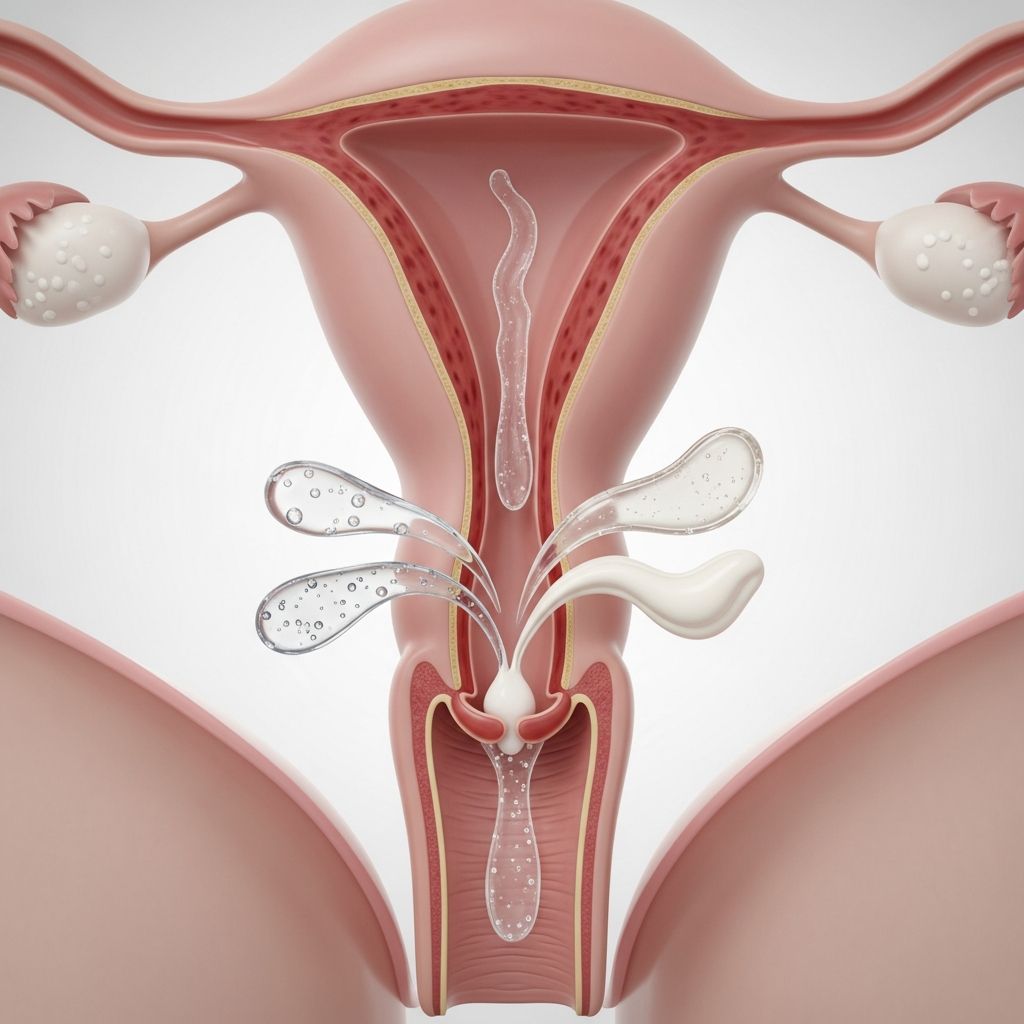
Vaginal discharge is a natural fluid produced by the vagina to keep it clean, moist, and protected from infections. While mostly normal, changes in color, consistency, odor, or amount can indicate underlying issues like infections or other conditions.
What is Vaginal Discharge?
Vaginal discharge consists of mucus, fluid, and cells from the vagina, cervix, and uterus. It maintains vaginal health by flushing out dead cells, bacteria, and maintaining acidity to prevent harmful pathogens. Normal discharge is typically clear or white, thin to sticky, and odorless or mildly scented. It varies with the menstrual cycle: thinner and clearer around ovulation, thicker and whiter before periods.
During pregnancy, with hormonal contraceptives, or sexual arousal, discharge often increases, which is physiological and not concerning. However, abnormal discharge deviates from your baseline and may signal problems.
Normal Vaginal Discharge
Healthy discharge helps lubricate the vagina, protect against infections, and support fertility by aiding sperm transport. Characteristics include:
- Color: Clear, white, or slightly cloudy.
- Consistency: Thin and watery, sticky like egg whites (ovulation), or creamy.
- Amount: 1-4 ml daily, increasing mid-cycle or with hormones.
- Odor: Mild or none; no strong fishy or foul smell.
Fluctuations are normal: more discharge post-ovulation due to estrogen, less during menstruation. Post-menopause, discharge decreases unless on HRT, but any new discharge warrants checking.
Abnormal Vaginal Discharge
Seek medical advice if discharge changes significantly from your norm. Warning signs include:
- Heavier or increased volume.
- Thicker, clumpy, or pus-like texture.
- Colors: grey, green, yellow, brown, or blood-tinged (outside periods).
- Foul odor (fishy, rotten).
- Accompanied by itch, burn, soreness, rash, or pain (dyspareunia, dysuria).
These suggest infection, hormonal imbalance, or rarely, cancer.
Causes of Vaginal Discharge
Most cases are normal or treatable infections. Common causes:
Normal Physiological Causes
- Menstrual cycle phases, ovulation, pregnancy, contraceptives.
Infective Causes (Non-STI)
Bacterial Vaginosis (BV): Most common, affecting up to 50% of cases. Overgrowth of anaerobic bacteria disrupts vaginal flora, causing thin, grey-white, fishy-smelling discharge without itch. Risk factors: multiple partners, douching, new soaps. Affects childbearing-age women; often asymptomatic.
Candidiasis (Thrush): Yeast overgrowth (Candida albicans). Thick, white, curd-like discharge with vulval itch, soreness, mild dyspareunia/dysuria. Triggers: antibiotics, diabetes, pregnancy, immunosuppression.
Sexually Transmitted Infections (STIs)
Chlamydia, gonorrhea, trichomoniasis cause purulent discharge, bleeding, pelvic pain. Symptoms: abnormal bleeding, ulcers, lumps around genitals/anus.
- Trichomoniasis: Frothy green-yellow, foul discharge with itch.
- Cervicitis (Chlamydia/Gonorrhea): Purulent, with cervical bleeding.
Other Causes
- Foreign bodies: Tampons, condoms causing odor/infection.
- Hormonal: Atrophic vaginitis post-menopause (dryness leading to infection).
- Skin conditions: Dermatitis, lichen planus with itch/discharge.
- Cancer: Rare; cervical/womb cancer with blood-tinged discharge, other symptoms.
| Condition | Discharge Appearance | Other Symptoms | Common In |
|---|---|---|---|
| BV | Thin, grey-white, fishy | None/odor | Reproductive age |
| Thrush | Thick white clumps | Itch, soreness | Antibiotics/pregnancy |
| Trichomoniasis | Frothy green-yellow | Itch, pain | Sexual activity |
| Normal | Clear/white, variable | None | All cycles |
When to See a Doctor
Consult promptly if abnormal signs persist >1 week, or with fever, pelvic pain, bleeding, pregnancy, post-menopause. Early STI detection prevents complications like PID.
Related Stories



Diagnosis
History: symptoms, cycle, sex, contraceptives, meds. Exam: pH test (>4.5 suggests BV), microscopy (clue cells for BV, yeast for thrush), culture/STI swabs. Self-swab kits available for STIs.
Treatment
Depends on cause:
- BV: Metronidazole (oral/topical) or clindamycin. Avoid alcohol with metronidazole. Partners usually untreated.
- Thrush: Antifungals (clotrimazole pessary, fluconazole oral). Recurrent: longer courses.
- STIs: Antibiotics (azithromycin/doxycycline for chlamydia; ceftriaxone for gonorrhea). Partner treatment mandatory.
- Normal/Atrophic: Moisturizers, estrogen cream.
Recurrent BV: probiotics, hygiene advice.
Prevention
- Avoid douching/perfumed products; use cotton underwear.
- Safe sex, limit partners, condoms.
- Probiotics post-antibiotics.
- Manage diabetes/immunosuppression.
Frequently Asked Questions (FAQs)
Is vaginal discharge normal?
Yes, it’s essential for vaginal health and varies normally.
Does BV require partner treatment?
No, usually not, as it’s not sexually transmitted.
Can discharge indicate cancer?
Rarely; post-menopausal or bloody discharge needs urgent check.
How to prevent recurrent thrush?
Avoid triggers, use probiotics, treat promptly.
Is green discharge always an STI?
Often, but could be other infections; see a doctor.
This guide empowers informed health decisions. Always consult professionals for personalized advice. (Word count: 1678)
References
- Vaginal Discharge: Causes, Investigations, and Treatment — Patient.info (Doctor). 2023-05-15. https://patient.info/doctor/infectious-disease/vaginal-discharge
- Vaginal Discharge: Causes, Types, and Treatment — Patient.info. 2024-02-20. https://patient.info/sexual-health/vaginal-discharge-female-discharge
- Vaginal discharge: evaluation and management in primary care — PMC (NIH). 2021-03-01. https://pmc.ncbi.nlm.nih.gov/articles/PMC7905126/
- Patient Resource: Vaginal Discharge — ASCCP (.org). 2019-07-06. https://www.asccp.org/Assets/cc266df6-7f5a-4e6d-aacc-f082564ded36/636958544588770000/patient-resource-vaginal-discharge-6-7-19-pdf
- Bacterial Vaginosis: Causes, Symptoms, and Treatment — Patient.info. 2024-01-10. https://patient.info/sexual-health/vaginal-discharge-female-discharge/bacterial-vaginosis
- Vaginal itching and discharge – adult and adolescent — MedlinePlus (NIH). 2023-11-12. https://medlineplus.gov/ency/article/003158.htm
Similar Articles








Read full bio of Sneha Tete