Vaginal Discharge: Normal Variations and Warning Signs
Understanding vaginal discharge: Learn what's normal, what signals infection, and when to seek medical care.
Understanding Vaginal Discharge
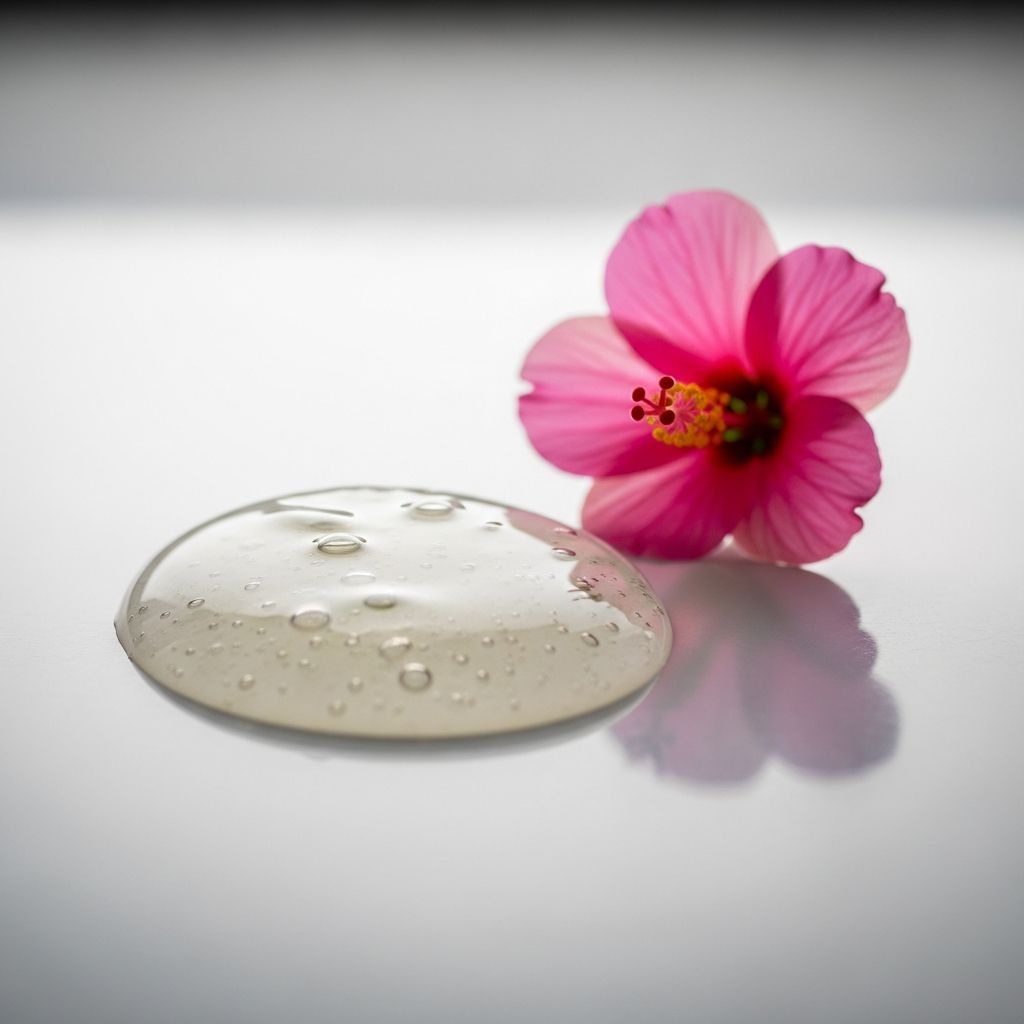
Vaginal discharge is a normal and healthy part of a woman’s reproductive system. The vagina naturally produces a fluid that helps maintain vaginal health, prevents infection, and provides lubrication. Understanding what constitutes normal discharge and recognizing when something may be abnormal is essential for maintaining good gynecological health and knowing when to seek medical attention.
What Is Normal Vaginal Discharge?
Normal vaginal discharge varies from woman to woman and can change throughout the menstrual cycle, during pregnancy, and at different life stages. A healthy vaginal discharge is typically clear to milky white in color and may have a mild or no odor. The amount of discharge produced naturally fluctuates based on hormonal changes and other factors.
Characteristics of Healthy Discharge}
Healthy vaginal discharge should generally have the following characteristics:
- Color ranges from clear to milky white
- Minimal to no odor, or a mild musky scent
- Consistency varies based on menstrual cycle phase
- Amount is typically a teaspoon or less per day
- Does not cause itching, burning, or irritation
Estrogen’s Role in Discharge Production
Estrogen plays a crucial role in regulating vaginal discharge. When estrogen levels are elevated, the cervix is stimulated to produce mucus secretions, and a small amount of this mucus may be discharged from the vagina. This is why discharge patterns often correlate with the menstrual cycle, pregnancy, and hormonal contraceptive use.
Discharge Throughout the Menstrual Cycle
Vaginal discharge changes in consistency and appearance as a woman moves through her menstrual cycle. Understanding these natural variations helps distinguish normal changes from potential signs of infection.
Ovulation and Discharge Changes
Just before ovulation, when the ovary is preparing to release an egg, vaginal discharge becomes clearer, wetter, and more stretchy. Many women describe this discharge as having a consistency similar to egg white. This change in discharge, sometimes called “stringy, yolk-like discharge,” signals that ovulation is approaching and is one of the body’s natural signs of fertility. Some women find this midcycle discharge helpful for tracking their cycle or predicting their most fertile days.
What Is Abnormal Vaginal Discharge?
Abnormal vaginal discharge differs from the normal secretions your body produces and can indicate infection, inflammation, or other gynecological concerns. Recognizing the signs of abnormal discharge is important for early diagnosis and treatment.
Signs of Abnormal Discharge
A vaginal discharge is considered abnormal if it has any of the following characteristics:
- Heavier volume than usual
- Thicker consistency than normal
- White and clumpy appearance resembling cottage cheese or curd
- Grayish, greenish, yellowish, or blood-tinged color
- Foul or fishy odor
- Accompanied by itching, burning, rash, or soreness
- Associated with pelvic pain or discomfort
Common Causes of Abnormal Discharge
Related Stories



Several conditions and infections can cause abnormal vaginal discharge. Understanding the specific characteristics of discharge associated with different conditions can help guide appropriate treatment.
Bacterial Vaginosis
Bacterial vaginosis is the most common cause of unusual vaginal discharge among women of reproductive age. This condition occurs when the bacteria in the vagina become imbalanced, with harmful bacteria growing out of proportion to beneficial bacteria. Bacterial vaginosis produces a thin, grayish-white discharge with a characteristic fishy odor. The odor and discharge are often most noticeable after sexual intercourse or before and after menstrual periods. The vaginal pH is elevated above 4.5 in bacterial vaginosis, which helps healthcare providers distinguish it from yeast infections.
Yeast Infections (Vulvovaginal Candidiasis)
Yeast infections are caused by an overgrowth of Candida fungus and produce a distinctive thick, white, curd-like or cottage cheese-like discharge. Women with yeast infections typically experience vulvar itching, pain, swelling, and redness. The burning sensation when urine contacts the vulva is another common symptom. Symptoms may worsen after intercourse or before menstrual periods. Women who have diabetes or have recently taken antibiotics have an increased risk of developing yeast infections. If you recognize the symptoms of a yeast infection based on previous experience confirmed by a doctor and have no other symptoms, over-the-counter vaginal treatments may be used. However, if symptoms persist or return after treatment, medical evaluation is necessary.
Trichomoniasis
Trichomoniasis is an infection caused by a protozoan parasite and typically produces a copious yellow-green, frothy discharge with a foul odor. In addition to abnormal discharge, women with trichomoniasis often experience irritation, redness, and swelling of the vulva and vagina, as well as pain during sexual intercourse or urination. A healthcare provider can diagnose trichomoniasis by examining the discharge under a microscope or through STI testing.
Sexually Transmitted Infections
Certain sexually transmitted infections can cause abnormal discharge. Infections such as chlamydia and gonorrhea may produce yellow-green discharge with a foul odor and are often accompanied by pelvic or abdominal pain, pain during intercourse or urination, and sometimes fever or chills. Diagnosis typically involves STI testing using samples from urine, vagina, or cervix, and may include pelvic ultrasound if complications are suspected.
Chemical Irritation
Chemical irritation from products such as soaps, bubble baths, feminine hygiene sprays, and certain vaginal creams can cause abnormal discharge accompanied by itching, redness, and swelling of the vulva and vagina. In these cases, eliminating the irritating product usually resolves the symptoms.
Atrophic Vaginitis (Genitourinary Syndrome of Menopause)
After menopause, decreased estrogen levels cause vaginal tissue to thin, resulting in changes to vaginal pH and potential inflammation, itching, and discharge. Symptoms associated with this condition include vaginal dryness, pain during sexual intercourse, urinary urgency, and recurrent urinary tract infections. A scant white or pale yellow discharge, sometimes with blood, may be present along with vaginal dryness and discomfort during intercourse.
Foreign Objects
A forgotten tampon or other foreign object left in the vagina can cause a foul-smelling discharge, often in large amounts. A healthcare provider can easily diagnose and remove the object to resolve symptoms.
Diagnosis of Abnormal Discharge
When abnormal discharge is present, a healthcare provider typically uses several diagnostic approaches to identify the underlying cause.
Clinical Evaluation
Diagnosis often begins with a clinical evaluation and examination of vaginal secretions using office-based tools, which is frequently sufficient for diagnosis. A healthcare provider will examine the appearance, consistency, and odor of the discharge and may perform a physical examination looking for signs of infection or inflammation such as redness, swelling, excoriations, or fissures.
Laboratory Testing
A sample of vaginal discharge can be examined under a microscope to identify bacteria, yeast, or other organisms responsible for infection. Wet mount microscopy can reveal clue cells, white blood cells, and other diagnostic indicators. The pH of vaginal secretions can also be measured, as different infections typically occur at different pH levels. DNA testing is also available for more precise identification of specific organisms.
Warning Signs Requiring Medical Attention
While many cases of abnormal discharge can be managed with appropriate treatment, certain warning signs warrant prompt medical evaluation. In women with abnormal vaginal discharge, the following characteristics are concerning and require medical attention:
- Fever
- Pelvic pain
- Bloody discharge, especially after menopause
- Stool in the vaginal discharge
- Vulvar itching accompanied by masses or lesions
Treatment of Abnormal Discharge
Treatment of abnormal discharge depends on the underlying cause. Depending on the specific diagnosis, vulvovaginitis is generally treated with oral or topical antibiotics, antiviral or antifungal drugs, anti-inflammatory agents, or hormonal therapy. Cases that do not resolve may require maintenance therapy. Patients with persistent or unusual symptoms should be referred to a gynecological specialist.
When to Seek Medical Care
It is important to see a healthcare provider if you have noticed a change in the amount, color, or smell of vaginal discharge that persists beyond a few days. Additionally, if you experience itching, burning, pelvic pain, or other symptoms accompanying discharge changes, medical evaluation is recommended. Women who self-treat a suspected yeast infection should follow up with a healthcare provider if symptoms do not resolve or return after treatment.
Frequently Asked Questions About Vaginal Discharge
Q: Is it normal to have vaginal discharge every day?
A: Yes, it is normal to have some vaginal discharge daily. The amount varies throughout the menstrual cycle, but as long as the discharge is clear to milky white, has little to no odor, and does not cause itching or burning, it is considered healthy.
Q: What does the discharge look like during ovulation?
A: During ovulation, discharge becomes clearer, wetter, and more stretchy, with a consistency similar to raw egg white. This change typically occurs a day or two before ovulation and is a natural sign of fertility.
Q: Can I use over-the-counter treatments for abnormal discharge?
A: If you are confident you have a yeast infection based on previous medical diagnosis and experience, over-the-counter antifungal treatments may be appropriate. However, if symptoms persist, return after treatment, or if you are unsure about the cause, you should consult a healthcare provider for proper diagnosis and treatment.
Q: What should I avoid to prevent abnormal discharge?
A: To help prevent abnormal discharge, avoid douches, feminine hygiene sprays, scented soaps, and bubble baths, as these products can disrupt the natural vaginal flora and cause irritation. Additionally, practice safe sex to reduce the risk of sexually transmitted infections.
Q: How is bacterial vaginosis treated?
A: Bacterial vaginosis is typically treated with oral or topical antibiotics prescribed by a healthcare provider. Treatment helps restore the balance of bacteria in the vagina and resolve symptoms.
Q: What causes changes in discharge during menopause?
A: During menopause, decreasing estrogen levels cause vaginal tissue to thin and change the vaginal pH, leading to inflammation, dryness, and changes in discharge. These symptoms are part of genitourinary syndrome of menopause.
When to Contact Your Healthcare Provider
It is important to contact a healthcare provider if you experience any of the following: abnormal discharge that persists beyond a few days, changes in the color, consistency, or odor of discharge, discharge accompanied by itching, burning, pain, or other symptoms, signs of infection such as fever or pelvic pain, or if over-the-counter treatments do not resolve suspected yeast infections. Your healthcare provider can properly diagnose the cause of abnormal discharge and recommend appropriate treatment to restore your vaginal health.
References
- Vaginal Itching or Vaginal Discharge – Women’s Health Issues — MSD Manuals. 2024. https://www.msdmanuals.com/home/women-s-health-issues/symptoms-of-gynecologic-disorders/vaginal-itching-or-vaginal-discharge
- Vaginal Discharge Color: What’s Normal and What Isn’t — Cleveland Clinic Health. 2024. https://health.clevelandclinic.org/vaginal-discharge-mean
- Vulvovaginitis: Find the cause to treat it — Cleveland Clinic Journal of Medicine, 2018. https://www.ccjm.org/content/84/3/215
- Abnormal vaginal discharge among women of reproductive age in low and lower-middle income countries — PMC National Center for Biotechnology Information. 2022. https://pmc.ncbi.nlm.nih.gov/articles/PMC9713322/
- Vaginitis: Causes, Symptoms, Treatment & Prevention — Cleveland Clinic. 2024. https://my.clevelandclinic.org/health/diseases/9131-vaginitis
Similar Articles








Read full bio of Sneha Tete