Vaginal Dryness (Atrophic Vaginitis): Treatments That Work
Understanding causes, symptoms, and effective treatments for vaginal dryness and atrophic vaginitis in menopause.
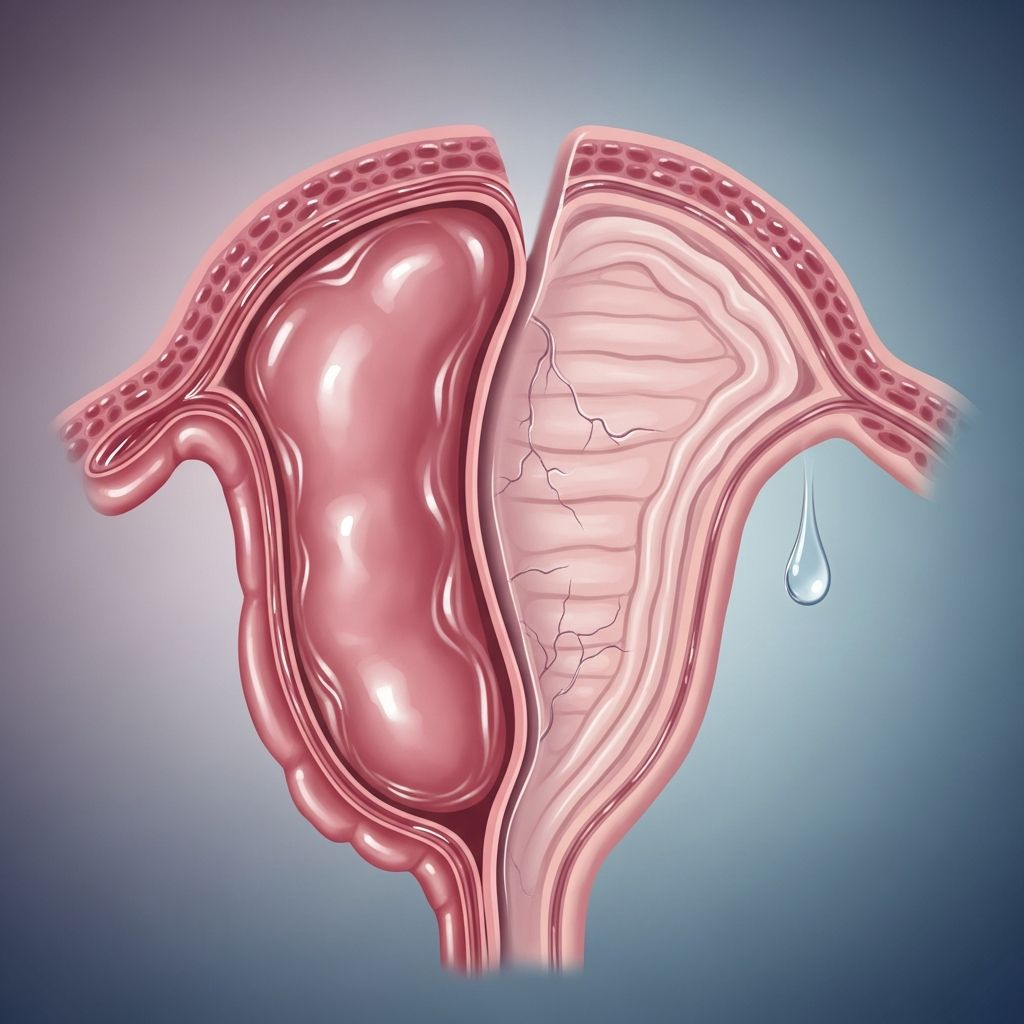
Vaginal dryness, also known as atrophic vaginitis or genitourinary syndrome of menopause (GSM), affects many women during perimenopause and menopause due to declining estrogen levels. This condition leads to thinning, drying, and inflammation of vaginal tissues, causing discomfort, pain during intercourse, itching, and increased urinary issues.
What is vaginal dryness (atrophic vaginitis)?
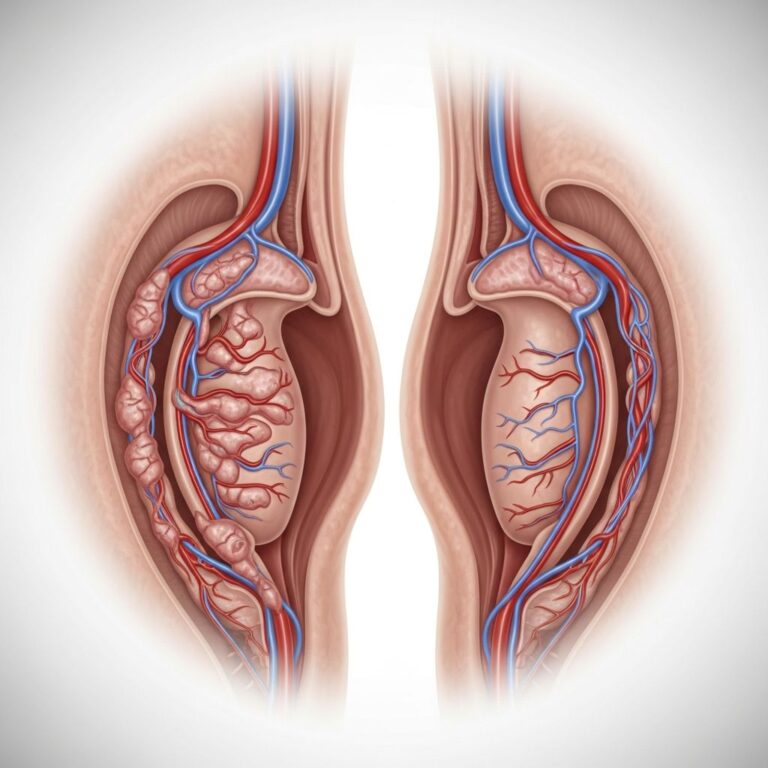
Vaginal dryness occurs when the vaginal walls become thin, dry, and inflamed, primarily from reduced estrogen production after menopause. Estrogen normally maintains vaginal moisture, elasticity, and healthy pH; its decline results in atrophic changes, making tissues fragile and prone to irritation. This is not just discomfort—it’s a medical condition impacting quality of life, sexual health, and urinary function.
Atrophic vaginitis specifically refers to the inflammation caused by these tissue changes. It’s common, affecting up to 50% of postmenopausal women, yet often underreported due to embarrassment.
Symptoms of vaginal dryness (atrophic vaginitis)
Symptoms vary but commonly include:
- Pain or discomfort during sexual intercourse (dyspareunia): Due to reduced lubrication and tissue fragility.
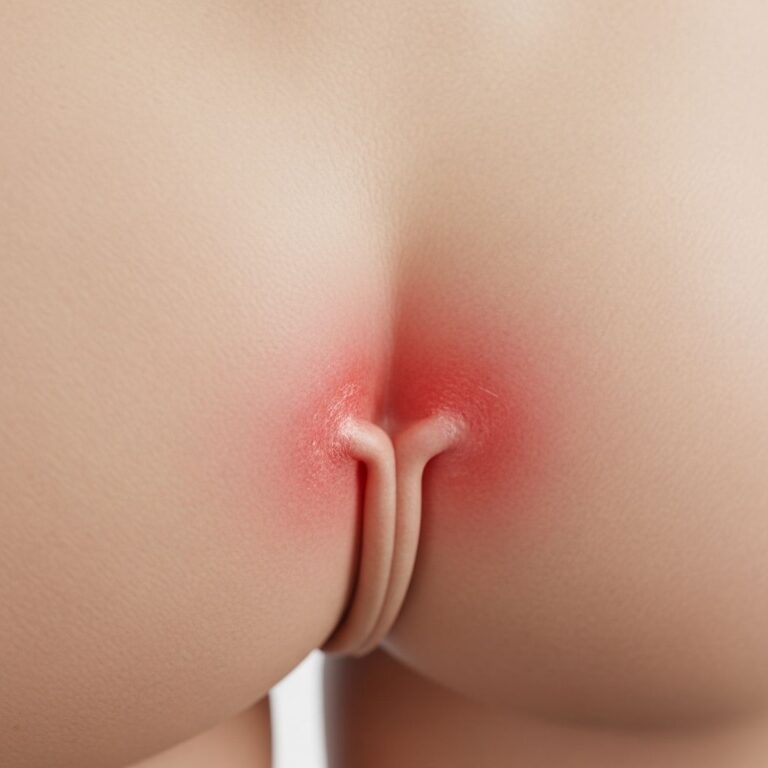
- Vaginal itching, burning, or soreness: From inflammation and dryness.
- Urinary symptoms: Frequent urination, urgency, recurrent UTIs, or incontinence, as estrogen decline affects the urethra too.
- Vaginal discharge changes: Less or altered discharge, sometimes watery or bloody spotting.
- Bleeding after sex: From fragile tissues tearing.
These can worsen over time without treatment, affecting intimacy and daily comfort.
Causes of vaginal dryness (atrophic vaginitis)
The primary cause is low estrogen levels, triggered by:
- Menopause or perimenopause: Natural decline in ovarian estrogen.
- Surgical menopause: Oophorectomy (ovary removal).
- Cancer treatments: Chemotherapy, radiation, or anti-estrogen therapies like tamoxifen.
- Breastfeeding: Temporary estrogen drop.
- Medications: Antidepressants, antihistamines, or others reducing moisture.
- Other factors: Diabetes, harsh soaps, douching, or insufficient arousal.
Estrogen loss reduces blood flow, glycogen (for lubrication), and collagen in vaginal tissues.
Diagnosis
Diagnosis starts with a detailed history of symptoms, menopause status, and risk factors. A pelvic exam reveals pale, thin, inflamed vaginal walls. Additional tests may include:
- Vaginal pH measurement (elevated >4.5 in atrophy).
- Vaginal maturation index or biopsy (rarely).
- Urine tests for infections.
No single test confirms it; it’s clinical based on symptoms and exam.
Treatment of vaginal dryness (atrophic vaginitis)
Treatments range from non-hormonal to prescription options, tailored to severity and preferences. Start with over-the-counter remedies.
Non-hormonal treatments
- Vaginal moisturizers: Replens, K-Y Liquibeads, or Sliquid; apply 2-3 times weekly for ongoing hydration.
- Lubricants: Water-based (Astroglide, K-Y Jelly) or silicone-based (ID Millennium) for sex; reduce friction.
- Oral non-hormonal: Osphena (ospemifene), a daily pill for dryness and dyspareunia without estrogen.
- Laser therapy: MonaLisa Touch stimulates collagen, improving moisture and elasticity; 3 in-office sessions with minimal downtime.
Related Stories



Hormonal treatments
These restore estrogen locally or systemically.
- Local vaginal estrogen: Lowest risk; creams (Estrace), tablets (Vagifem), rings (Estring), or inserts. Applied 2-3 times/week; symptoms improve in weeks.
- Prasterone (Intrarosa): DHEA insert nightly; converts to estrogen/androgen locally.
- Systemic HRT: Pills, patches, gels for severe menopause symptoms including dryness; requires progestin if uterus intact. Discuss risks (breast cancer, clots).
| Treatment Type | Examples | Pros | Cons |
|---|---|---|---|
| Moisturizers/Lubricants | Replens, K-Y Jelly | OTC, immediate relief | Temporary, regular use needed |
| Local Estrogen | Vagifem, Estring | Effective, low systemic absorption | Prescription, minor spotting |
| Laser (MonaLisa Touch) | Laser sessions | Non-hormonal, long-lasting | Costly, multiple visits |
| Oral Osphena | Ospemifene | Non-estrogen pill | Daily, hot flash risk |
Other treatments
- Vaginal dilators: Stretch tissues, reduce pain.
- Pelvic floor therapy: For urinary symptoms.
Self-care for vaginal dryness (atrophic vaginitis)
Lifestyle changes enhance treatment:
- Adequate foreplay: Boosts natural lubrication.
- Avoid irritants: No douching, scented products, or harsh soaps.
- Stay hydrated and diet: Phytoestrogens (soy), healthy fats.
- Regular sexual activity: Maintains blood flow.
- Cotton underwear, loose clothes: Reduce irritation.
Complications
Untreated, it leads to chronic pain, relationship strain, recurrent UTIs, and bladder issues. Early treatment prevents progression.
Prognosis
Most women see improvement within weeks of treatment. Local estrogen or moisturizers provide sustained relief; symptoms may recur if stopped, but low-dose maintenance works.
Prevention
Early menopause management, regular check-ups, and prompt symptom reporting help. Non-hormonal options suit high-risk women.
When to see a doctor
Consult if you experience persistent dryness, pain, bleeding, or UTIs. Don’t ignore—treatments are effective.
Frequently Asked Questions (FAQs)
Q: Is vaginal dryness only from menopause?
A: No, but it’s the most common cause. Other factors include medications, breastfeeding, and medical conditions.
Q: Are vaginal estrogen treatments safe long-term?
A: Yes, low-dose local forms have minimal systemic absorption and are safe for most, including breast cancer survivors (discuss with oncologist).
Q: How quickly do treatments work?
A: Moisturizers offer immediate relief; hormones/laser in 2-4 weeks.
Q: Can I use lubricants with condoms?
A: Yes, water-based only; silicone may damage latex.
Q: Is MonaLisa Touch painful?
A: Minimal discomfort; no anesthesia needed.
References
- Options for Vaginal Dryness in Perimenopausal and Menopausal Women — El Camino Women. 2023. https://elcaminowomen.com/blog/menopause/options-for-vaginal-dryness-in-perimenopausal-and-menopausal-women-understanding-and-treatment-strategies.html
- Vaginal Dryness – Treatment and Symptoms — healthdirect.gov.au (Australian Government). 2024. https://www.healthdirect.gov.au/vaginal-dryness
- Vaginal Atrophy – Diagnosis & Treatment — Mayo Clinic. 2024-10-18. https://www.mayoclinic.org/diseases-conditions/vaginal-atrophy/diagnosis-treatment/drc-20352294
- Osphena (ospemifene) — Osphena.com (Duchesnay Inc.). 2024. https://www.osphena.com
- Sex and Menopause: Treatment for Symptoms — National Institute on Aging (NIA.nih.gov). 2023-07-02. https://www.nia.nih.gov/health/menopause/sex-and-menopause-treatment-symptoms
- Experiencing Vaginal Dryness? Here’s What You Need to Know — American College of Obstetricians and Gynecologists (ACOG). 2023. https://www.acog.org/womens-health/experts-and-stories/the-latest/experiencing-vaginal-dryness-heres-what-you-need-to-know
- Genitourinary Syndrome of Menopause — The Menopause Society. 2023. https://menopause.org/wp-content/uploads/for-women/MenoNote-GSM.pdf
- Vaginal Atrophy: Causes, Symptoms, Diagnosis & Treatment — Cleveland Clinic. 2023-11-04. https://my.clevelandclinic.org/health/diseases/15500-vaginal-atrophy
Similar Articles








Read full bio of medha deb