Vaginal Gas: Causes, Prevention & When To See A Doctor
Understanding vaginal gas: Learn what queefing is, why it happens, and when to seek medical help.
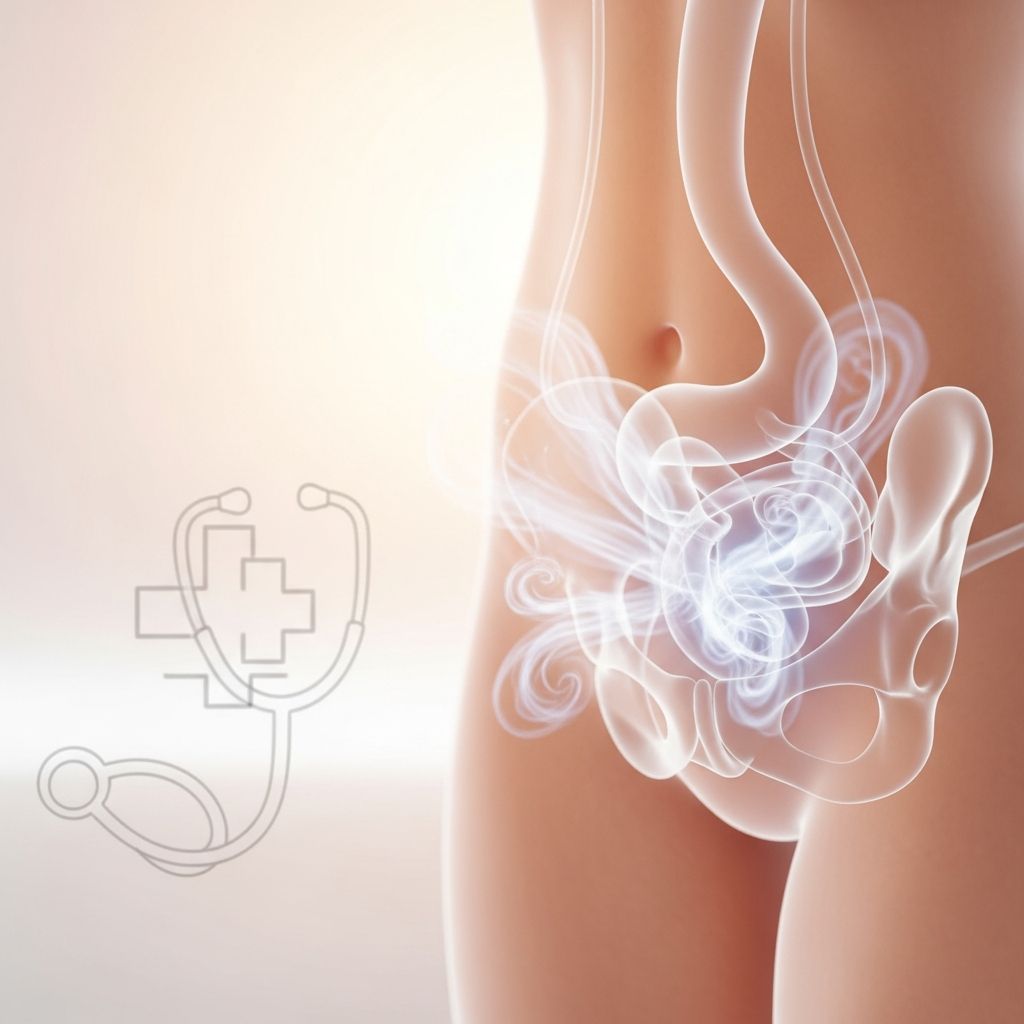
Vaginal gas, commonly referred to as queefing or vaginal flatulence, is a normal and common occurrence that many people experience at some point in their lives. Despite its awkward nature and the embarrassment it may cause, vaginal gas is not a cause for concern in most cases and does not require medical treatment. Understanding what vaginal gas is, why it happens, and how to manage it can help reduce anxiety and provide peace of mind.
What Is Vaginal Gas?
Vaginal gas occurs when air becomes trapped inside your vagina and is subsequently released. When this trapped air escapes, it produces a sound similar to flatulence or farting from your rectum, which is why the term queefing is commonly used to describe this phenomenon. However, unlike actual farts from your digestive system, vaginal gas does not produce any odor because it is not related to digestive processes.
The release of vaginal gas is an involuntary bodily function that you cannot consciously control. When air escapes from your vagina, you will typically hear and feel the sensation, which may last only a few seconds. Some people describe the sensation as similar to bubbles escaping. It is important to understand that this is a completely normal physiological response and does not indicate any underlying health problems in most situations.
Common Causes of Vaginal Gas
Several activities and circumstances can lead to air becoming trapped in your vagina. Understanding these common causes can help you anticipate when vaginal gas might occur and prepare accordingly.
Sexual Activity
Sexual activity is one of the most common causes of vaginal gas. During intercourse, the repetitive motion of the penis, fingers, or sex toys moving in and out of the vagina can push air inside and cause it to become trapped. When your muscles tense during orgasm or when penetration is withdrawn, the trapped air is released, resulting in the characteristic queefing sound. Oral sex can also cause air to enter the vagina, leading to similar results.
Exercise and Physical Activity
Engaging in various forms of exercise and physical activity can also cause vaginal gas. Activities that involve repetitive movements or pressure changes in the pelvic area may push air into the vagina. This is why some people experience queefing during yoga, pilates, running, or other types of vigorous exercise.
Childbirth and Pregnancy
Pregnancy and childbirth can significantly impact your pelvic floor muscles, which support your uterus, bowels, bladder, and rectum. Weakened pelvic floor muscles from pregnancy or vaginal delivery can make it easier for air to become trapped in the vagina and subsequently escape. This is why people who have recently given birth may experience more frequent episodes of vaginal gas.
Related Stories



Weak Pelvic Floor Muscles
Weak pelvic floor muscles are another common underlying cause of vaginal gas. When these muscles lack sufficient tone and strength, they may not seal the vaginal opening as effectively, allowing air to enter and become trapped more easily. This weakness can result from various factors, including aging, childbirth, chronic coughing, or simply lack of exercise.
Tampon Insertion and Removal
Inserting or removing tampons can also cause air to become trapped in the vagina. The insertion and withdrawal process may push air inside, leading to queefing when the air is subsequently released.
Symptoms of Vaginal Gas
The primary symptom of vaginal gas is hearing and feeling air escape from your vagina, creating a sensation and sound similar to intestinal flatulence. You may experience several related sensations:
- Audible noise from your vagina resembling a fart
- Feeling of air being released from your vagina
- Sensation of trapped gas inside your vagina before it escapes
- Brief sensation lasting only a few seconds
It is crucial to note that vaginal gas itself does not produce an odor, as it is not derived from your digestive system. The absence of smell is one key characteristic that distinguishes vaginal gas from intestinal flatulence.
When Vaginal Gas Requires Medical Attention
While vaginal gas is typically harmless and does not require treatment, certain situations warrant consultation with a healthcare provider. You should contact your doctor if you experience any of the following conditions alongside vaginal gas:
- Persistent pain in or around your vagina
- Frequent vaginal infections or urinary tract infections
- Fecal or urinary incontinence
- Vaginal gas unrelated to sexual activity or exercise
- Strong, unpleasant odor accompanying vaginal discharge
- Loose stools leaking into your urine
- Discomfort during sexual intercourse
- Nausea or abdominal pain
These symptoms may indicate an underlying condition, such as a vaginal fistula, which requires professional evaluation and treatment. A vaginal fistula is an abnormal connection or hole between your vagina and rectum that allows poop and gas to leak into your vagina. While rare, this condition is treatable, and early detection leads to better outcomes.
Prevention Strategies for Vaginal Gas
Although you cannot completely prevent vaginal gas, several strategies can help reduce its frequency and occurrence in your daily life.
Pelvic Floor Exercises (Kegels)
Since weak pelvic floor muscles contribute to vaginal gas, strengthening these muscles through targeted exercises can help reduce queefing frequency. Kegel exercises are specifically designed to tone and tighten your pelvic floor muscles. To perform a Kegel exercise, squeeze the muscles you would use to stop or hold your urine and maintain the contraction for approximately 10 seconds. Release the muscles completely and rest for 10 seconds. Repeat this sequence several times throughout the day. Regular practice of Kegels can lead to noticeable improvements in pelvic floor strength and may reduce vaginal gas episodes.
Professional Pelvic Floor Therapy
Working with a physical therapist who specializes in pelvic floor therapy can provide personalized guidance and more advanced techniques for strengthening your pelvic floor muscles. These professionals can assess your specific muscle weakness and develop a targeted treatment plan tailored to your needs.
Lifestyle Modifications
Making certain adjustments to your daily activities and sexual practices can help minimize vaginal gas:
- Avoid or modify sexual positions that tend to cause more frequent queefing
- Take breaks during intense physical exercise
- Practice controlled movements during yoga or pilates
- Avoid intentionally blowing or pushing air into your vagina, as this can trap air in blood vessels and cause potentially serious complications like air embolism
Treatment Options for Vaginal Gas
In most cases, vaginal gas does not require treatment because it is a normal bodily function. The primary approach to managing vaginal gas is addressing the underlying causes. Since sexual activity and exercise are the most common triggers, reducing or modifying these activities is the only proven way to treat vaginal gas. However, this approach may not be practical or desirable for most people, as these are normal aspects of life.
For individuals with weak pelvic floor muscles, consistent performance of pelvic floor strengthening exercises offers the most significant potential for reducing vaginal gas frequency. These exercises can be performed discreetly throughout your day and require no special equipment or medications.
If chronic vaginal gas is causing pain or significantly disrupting your daily life, your healthcare provider may be able to help identify underlying conditions and recommend appropriate treatments. In rare cases where an underlying condition like a vaginal fistula is identified, surgical repair may be necessary.
Safety Considerations
While vaginal gas itself poses no health risks, certain practices should be avoided. Intentionally pushing or blowing air into your vagina is not recommended, as this can cause air to become trapped in your blood vessels, leading to a potentially serious condition called air embolism. Accidental air entry during normal activities is not harmful, but deliberate air insufflation should be avoided.
Trapped gas inside your vagina typically does not cause pain. If you experience pain associated with vaginal gas, this may indicate an underlying condition, such as a vaginal fistula, and you should contact your healthcare provider for evaluation.
When to Seek Medical Advice
Passing gas from your vagina during or after sexual activity is completely normal and not a cause for concern. However, you should contact a gynecologist if you experience any of the following situations:
- Regular vaginal gas that is unrelated to sexual activity or exercise
- Vaginal gas accompanied by pain or other concerning symptoms
- Symptoms suggesting a possible vaginal fistula
- Changes in the frequency or characteristics of vaginal gas that concern you
Your gynecologist can perform a pelvic examination to determine whether an underlying condition is responsible for your symptoms. Early detection and treatment of any underlying conditions can prevent complications and improve your overall health and quality of life.
Frequently Asked Questions
Is vaginal gas a sign of a serious health condition?
In most cases, vaginal gas is a normal bodily function and not a sign of serious health issues. However, in rare instances, it may indicate an underlying condition such as a vaginal fistula. If your vaginal gas is accompanied by other symptoms like pain, unusual discharge, or incontinence, consult your healthcare provider.
Can vaginal gas be prevented entirely?
Vaginal gas cannot be entirely prevented, as it is a normal response to air becoming trapped in your vagina. However, you can reduce its frequency by strengthening your pelvic floor muscles through Kegel exercises and modifying activities that trigger it most frequently.
Does vaginal gas have an odor?
No, vaginal gas does not produce an odor because it originates from air trapped in your vagina, not from your digestive system. If you notice a foul odor accompanying vaginal gas, this may indicate an infection or other underlying condition requiring medical evaluation.
Is vaginal gas more common after childbirth?
Yes, vaginal gas tends to be more frequent after childbirth due to weakened pelvic floor muscles. Pregnancy and vaginal delivery can stretch and weaken these muscles, making it easier for air to become trapped. Regular pelvic floor exercises can help restore muscle strength.
What should I do if vaginal gas occurs during intimate moments?
Vaginal gas during sexual activity is completely normal and your partner should understand this. If it causes embarrassment, you might discuss it with your partner beforehand. You can also try different sexual positions or take breaks during activity to minimize occurrences.
Are there medications to treat vaginal gas?
Medications are generally not necessary or effective for treating normal vaginal gas. Treatment focuses on addressing underlying causes, such as weak pelvic floor muscles through exercise. If an underlying medical condition is identified, treatment depends on the specific diagnosis.
Summary
Vaginal gas is a normal, common, and generally harmless bodily function that occurs when air becomes trapped in your vagina and is subsequently released. While it may be embarrassing or annoying, it does not pose significant health risks in most cases. Sexual activity, exercise, and weak pelvic floor muscles are the most common causes of vaginal gas. Although complete prevention is not possible, pelvic floor strengthening exercises and lifestyle modifications can reduce its frequency. Most importantly, if your vaginal gas is accompanied by pain, unusual symptoms, or concerns you, contact your healthcare provider for proper evaluation and guidance. Understanding this normal bodily function can help reduce anxiety and allow you to approach the situation with confidence and knowledge.
References
- Vaginal Gas: Causes, Prevention & When To See A Doctor — Cleveland Clinic. 2024. https://my.clevelandclinic.org/health/symptoms/24185-vaginal-gas
- Vaginal Gas: Causes, Prevention, and More — Healthline. 2024. https://www.healthline.com/health/vaginal-gas
- Rectovaginal Fistula (RVF): Causes, Symptoms & Treatment — Cleveland Clinic. 2024. https://my.clevelandclinic.org/health/diseases/22260-rectovaginal-fistula
- Kegel Exercises: Benefits, How To & Results — Cleveland Clinic. 2024. https://my.clevelandclinic.org/health/articles/14611-kegel-exercises
- Pelvic Floor Dysfunction: What It Is, Symptoms & Treatment — Cleveland Clinic. 2024. https://my.clevelandclinic.org/health/diseases/14459-pelvic-floor-dysfunction
Similar Articles








Read full bio of medha deb