Vaginal Malodor: 7 Common Causes, Diagnosis And Treatment
Understanding causes, diagnosis, and effective treatments for vaginal odor.
Vaginal or Genital Malodor in Women: A Comprehensive Guide
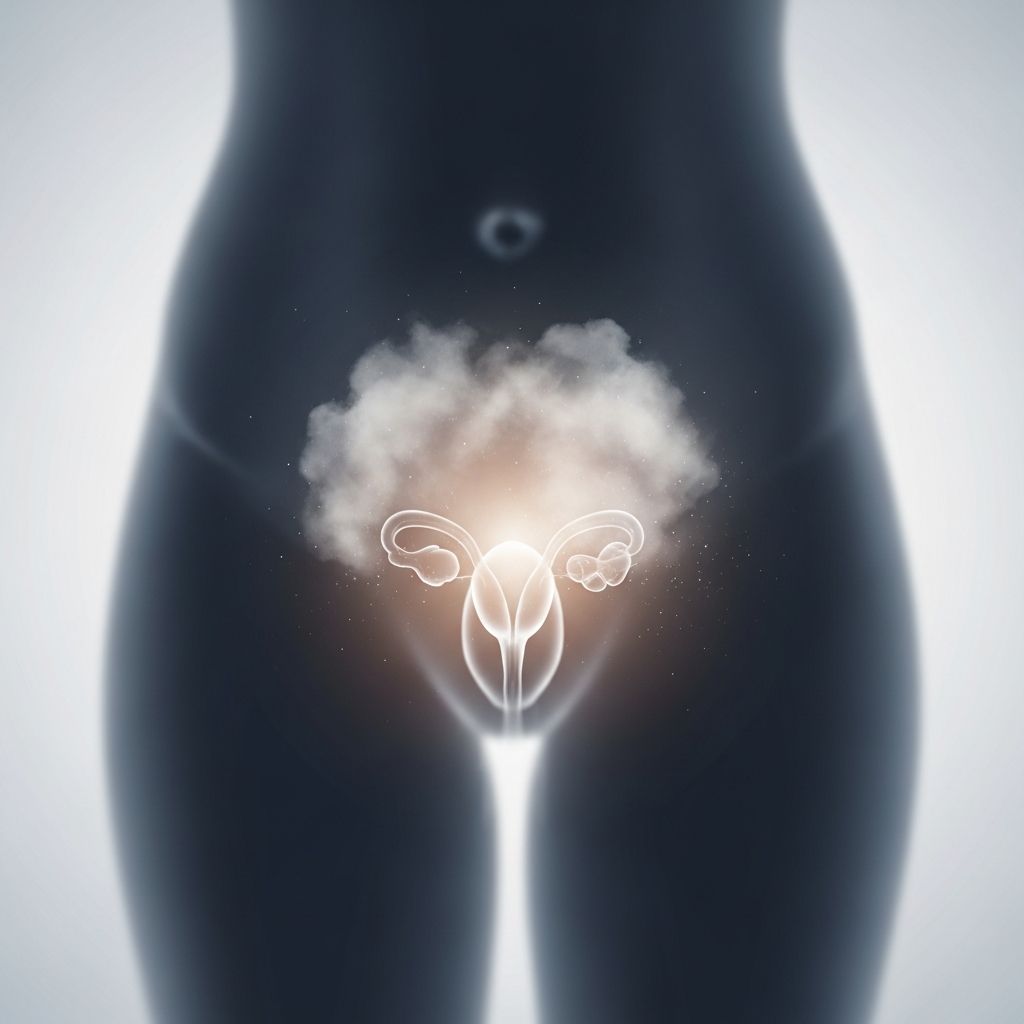
Genital malodor is a common and distressing complaint that affects many women, prompting them to seek medical attention. While vaginal infections remain the primary culprits, approximately one-third of women presenting with malodor receive no identified cause, creating frustration for both patients and healthcare providers. Understanding the underlying causes and available treatments is essential for effective management and improved quality of life.
Understanding Vaginal Malodor
Vaginal odor is a normal part of vaginal health, reflecting the complex ecosystem of bacteria and fungi within the vagina. However, when the odor becomes strong, persistent, and unpleasant, it may indicate an underlying health condition requiring medical evaluation. The vagina maintains a delicate balance of bacterial flora and pH levels, and disruption of this balance can lead to infections and characteristic odors.
Common Causes of Vaginal Malodor
Bacterial Vaginosis (BV)
Bacterial vaginosis is the most common cause of abnormal vaginal odor. BV occurs when there is an overgrowth of Gardnerella vaginalis bacteria and other anaerobic organisms, disrupting the normal vaginal flora. Women with BV typically report a distinctive “fishy” odor, often accompanied by a non-irritating but heavier-than-normal vaginal discharge. The odor may be more noticeable after unprotected sexual intercourse or following menstruation.
BV is diagnosed through vaginal examination, microscopy, DNA-probe testing, or culture. Treatment typically involves oral or vaginal antibiotics, with metronidazole (Flagyl) 500 mg taken twice daily for 7 days being a standard option, or vaginal metronidazole gel 0.75% applied daily for 5 days, or clindamycin cream 2% daily for 7 days.
Trichomoniasis
Trichomoniasis is a sexually transmitted infection caused by a parasite that can produce vaginal malodor along with vaginal inflammation and discharge. The infection is identified through vaginal examination, microscopy, DNA probe testing, or culture. Treatment requires oral metronidazole: 2 grams taken as a single dose or 500 mg twice daily for two days. Importantly, sexual partners must also be treated to prevent re-infection.
Yeast Infections (Candidiasis)
While yeast infections are common vaginal infections, they typically do not produce the characteristic malodor associated with bacterial vaginosis or trichomoniasis. Yeast infections result from excessive Candida fungal growth, often triggered by antibiotic use, pregnancy, poorly controlled diabetes, or corticosteroid medications.
Forgotten or Retained Tampons
A tampon left in place for an extended period can produce a distinctive foul, rotting odor. This is a straightforward mechanical cause that resolves immediately upon removal of the foreign object. In some cases, antibiotics may be necessary if infection has developed.
Poor Hygiene and Fecal Contamination
Inadequate cleansing after bowel movements, fecal incontinence, or chronic constipation can contribute to vaginal malodor. Stool and gases accumulated in the rectum may leak into the vaginal area, creating unpleasant odors. Vaginal examination and microscopy can help identify these issues.
Vulvar Skin Conditions
Women with vulvar ulcerations or skin conditions such as psoriasis, eczema, or contact dermatitis may experience malodor if lesions rupture, producing malodorous material. Treatment depends on the type and severity of the underlying skin condition and may involve topical medications or, in some cases, surgical intervention.
Related Stories



Less Common Causes
Rarely, unusual vaginal odor may result from more serious conditions including cervical cancer, vaginal cancer, or rectovaginal fistula (an abnormal opening between the rectum and vagina that allows gas or stool to enter the vagina).
Risk Factors and Predisposing Conditions
Several factors increase the risk of developing vaginitis and associated malodor:
- Use of antibiotics, which can disrupt normal vaginal flora
- Douching, which alters the vaginal pH and bacterial balance
- Use of intrauterine devices (IUDs)
- Unprotected sexual intercourse with new or multiple partners
- Hormonal changes during pregnancy, breastfeeding, or menopause
- Allergic or hypersensitivity reactions to vaginal sprays, douches, spermicides, soaps, detergents, or fabric softeners
- Poorly controlled diabetes
Diagnosis of Vaginal Malodor
Accurate diagnosis is critical for effective treatment. Healthcare providers typically perform the following diagnostic steps:
- Medical History: Assessment of symptom onset, duration, and associated complaints such as itching, burning, or discharge
- Vaginal Examination: Visual inspection of vulvar and vaginal tissues
- Microscopy (Wet Mount): Examination of vaginal secretions to identify bacterial clues cells, white blood cells, or parasites
- pH Testing: Measurement of vaginal pH to differentiate between bacterial vaginosis (pH >4.5) and other causes
- DNA-Probe Testing or Culture: Identification of specific organisms such as Gardnerella vaginalis or Trichomonas vaginalis
- Product Sensitivity Assessment: Review of recently introduced personal care products
Treatment Approaches
Antimicrobial Therapy
Antibiotic therapy is the primary treatment for infections causing vaginal malodor. Medications can be administered orally or applied topically as gels or creams, depending on the specific infection and clinical circumstances. Abnormal vaginal odor resolves without treatment in approximately one-third of cases; however, for persistent symptoms, medical intervention is recommended.
Hygiene and Lifestyle Modifications
For women without identified infections, simple lifestyle adjustments may help:
- Cleansing the vagina with warm water only—avoiding douches and commercial cleaners that disrupt natural bacterial balance
- Maintaining regular bathing or showering
- Wearing breathable fabrics such as cotton underwear to promote air circulation
- Avoiding tight-fitting clothing that creates a warm, moist environment
- Identifying and eliminating allergenic products (soaps, sprays, detergents)
Management of Hormonal Changes
Vaginal irritation resulting from hormonal changes—such as those occurring during menopause or breastfeeding—may be managed with estrogen cream prescribed by a healthcare provider.
When to See a Healthcare Provider
Schedule an appointment with your healthcare provider if you experience:
- Strong, persistent “fishy” odor that lasts for several days
- Abnormal vaginal discharge
- Vaginal itching or burning
- Vaginal irritation or pain
- Any combination of malodor with other vaginal symptoms
Prompt medical evaluation is important because untreated vaginitis can spread to the uterus and fallopian tubes, and it may increase the risk of contracting sexually transmitted infections.
Frequently Asked Questions
Q: Is all vaginal odor abnormal?
A: No. A mild, musky odor is normal and reflects the vagina’s natural bacterial flora. Only strong, persistent, or unpleasant odors that differ significantly from your baseline warrant medical evaluation.
Q: Can I treat vaginal malodor with home remedies alone?
A: Home remedies and over-the-counter preparations may provide temporary relief for some women but rarely address the underlying cause and may sometimes exacerbate symptoms. For infections like bacterial vaginosis or trichomoniasis, prescription antibiotics are necessary.
Q: Do I need to treat my partner if I have trichomoniasis?
A: Yes. Both you and your sexual partner(s) must be treated to prevent re-infection and transmission of the parasite.
Q: Why is douching not recommended?
A: Douching disrupts the vagina’s natural bacterial balance and pH, increasing the risk of bacterial vaginosis and other infections.
Q: Can vaginal malodor resolve on its own?
A: Yes. In approximately one-third of women presenting with malodor, the odor resolves without specific treatment. However, if symptoms persist, medical evaluation is recommended.
Q: What should I do if I find a retained tampon?
A: Remove it immediately and contact your healthcare provider if you develop fever, severe pain, or persistent foul odor, as antibiotics may be necessary to prevent infection.
Prevention Strategies
While not all cases of vaginal malodor are preventable, maintaining good genital health reduces infection risk:
- Practice safe sex and limit the number of sexual partners
- Use barrier contraception to reduce exposure to sexually transmitted infections
- Avoid unnecessary douching and use only warm water for external cleansing
- Wear breathable, moisture-wicking underwear
- Take antibiotics only as prescribed and consider probiotic supplementation if recommended by your provider
- Monitor your vaginal health and report changes to your healthcare provider promptly
Conclusion
Vaginal malodor is a manageable condition when properly diagnosed and treated. While bacterial vaginosis and trichomoniasis account for the majority of cases, the diversity of potential causes—ranging from poor hygiene and retained foreign objects to rare malignancies—emphasizes the importance of professional medical evaluation. Healthcare providers can differentiate between infectious and non-infectious causes, identify underlying conditions, and recommend appropriate treatments tailored to individual needs. For women experiencing persistent or bothersome vaginal odor, timely medical consultation is the most effective path toward symptom resolution and restored quality of life.
References
- Genital Malodor in Women: A Modern Reappraisal — National Center for Biotechnology Information (NCBI) PubMed. 2011. https://pubmed.ncbi.nlm.nih.gov/21964208/
- Vulvovaginal Disorders: An Algorithm for Basic Adult Diagnosis and Treatment — Joy Women’s Health. 2021. https://joywomenshealth.com.au/
- Vaginitis | Vulvovaginitis — MedlinePlus, U.S. National Library of Medicine. Accessed 2025. https://medlineplus.gov/vaginitis.html
- How to Get Rid of Vaginal Odors: Remedies and Treatments — WebMD. 2025. https://www.webmd.com/women/how-get-rid-vaginal-odors
- Vaginal Odor: Types, Causes, Diagnosis & Treatment — Cleveland Clinic. 2024. https://my.clevelandclinic.org/health/symptoms/17905-vaginal-odor
- Vaginal Discharge Vaginitis Treatment — OB/GYN Specialist, New York. 2024. https://www.obgynecologistnyc.com/conditions/vaginal-discharge-vaginitis/
- Vaginal Odor Causes — Mayo Clinic. 2024. https://www.mayoclinic.org/symptoms/vaginal-odor/basics/causes/sym-20050664
Similar Articles








Read full bio of Sneha Tete