Vaginal Pimples: Causes, Treatment & Prevention
Understanding vaginal pimples: Causes, effective treatments, and prevention strategies for genital skin health.
Understanding Vaginal Pimples
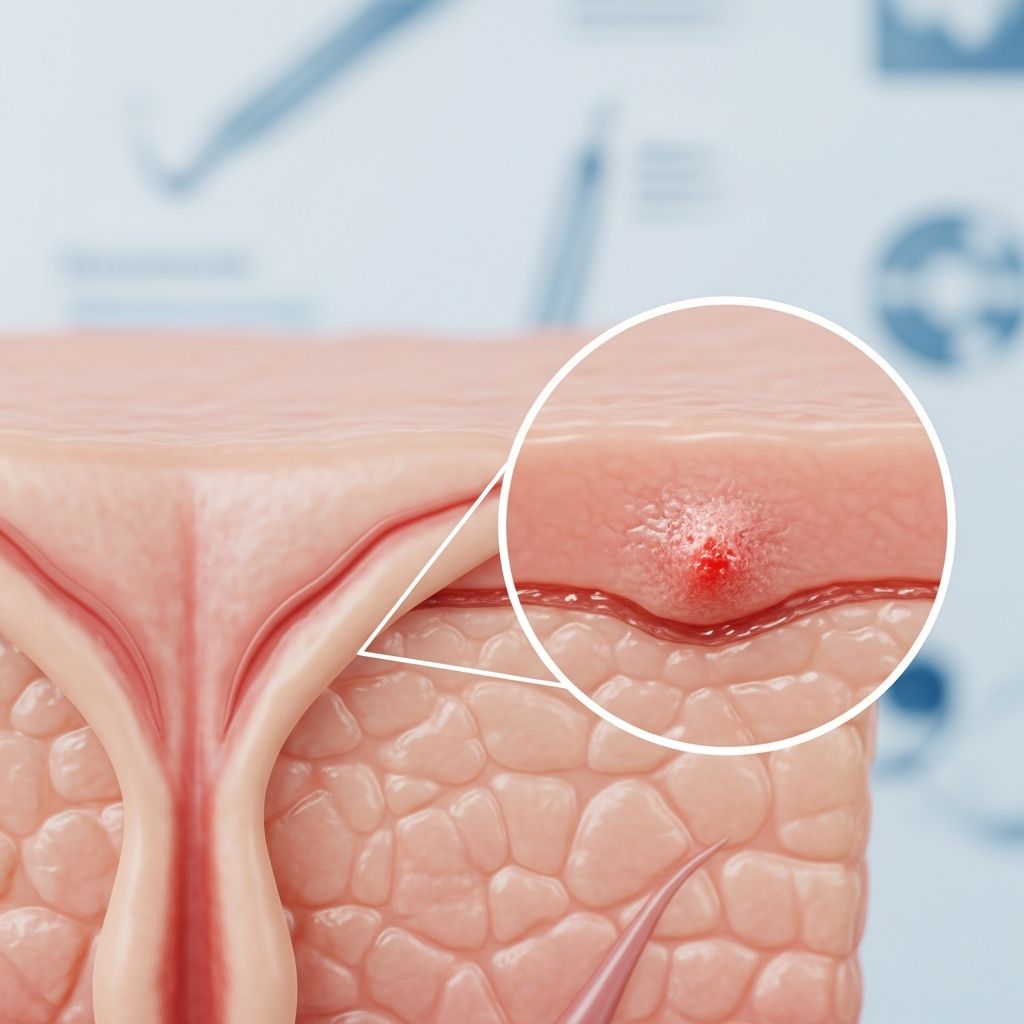
Pimples around the female genital area are a common occurrence that affects many women throughout their lives. While they can be uncomfortable and occasionally irritating, vaginal pimples are generally not a serious medical concern. These bumps can appear in various forms, ranging from small red or brown spots to larger, more prominent lesions. The appearance and characteristics of vaginal pimples can vary significantly from person to person, depending on several factors including skin type, hygiene practices, and underlying causes.
Vaginal pimples are similar in appearance to pimples found in other areas of the body, though the sensitive nature of the genital region can make them feel more bothersome. These bumps may present as painful or painless, burning, red or the color of surrounding skin, pus-filled, in clusters or alone, itchy, or of various sizes. Most cases of vaginal pimples clear on their own or with simple home treatment within a few days to a week, making them a temporary inconvenience rather than a long-term concern.
Common Causes of Vaginal Pimples
Understanding the underlying causes of vaginal pimples is essential for determining the appropriate treatment and prevention strategies. While it is not always clear what causes these bumps, several common culprits have been identified by medical professionals.
Clogged Pores
The most common reason for vaginal pimples is a clogged pore. The skin on your vulva contains pores that can become clogged with bacteria, oil, sweat, and dead skin cells. When pores become blocked, this triggers an immune response in the body, which creates inflammation and results in a pimple. This process is similar to acne formation on other parts of the body, though the delicate nature of vaginal skin can make these pimples more noticeable and uncomfortable.
Folliculitis
Another very common cause of vaginal pimples is folliculitis, a condition characterized by infection and inflammation of the hair follicles. A follicle is a small skin cavity from which hair grows, and when these become infected or irritated, pimples can develop. Folliculitis can result from several different factors:
- Shaving or waxing the pubic area
- Ingrown hairs that become trapped beneath the skin surface
- Wearing tight clothing or clothing that rubs the skin
- Hair follicles that become blocked or irritated by sweat or personal care products
- Using an unclean hot tub or swimming pool
- An infected cut or wound from shaving, which allows bacteria to spread to nearby hair follicles
Contact Dermatitis
Contact dermatitis occurs when the skin of the vaginal area reacts negatively to certain substances. Common irritants include laundry detergents, fabric softeners, douches, scented soaps, and other personal care products. The sensitive skin in the genital region is particularly susceptible to these reactions, and eliminating the offending product often resolves the issue.
Sexually Transmitted Infections (STIs)
Two common STIs can cause bumps that resemble pimples around the vaginal area: genital warts and genital herpes.
Genital Warts: Genital warts are small, flesh-colored lumps that may have a cauliflower-like appearance. They are caused by the human papillomavirus (HPV) and are more common among females. Treatment is not necessary if the warts are not uncomfortable, but medications or surgery can manage outbreaks. People can consider getting the HPV vaccine before being sexually active to help prevent genital warts.
Related Stories



Genital Herpes: Genital herpes lesions can look like pimples and appear around the vagina, vulva, and anus. This condition can be treated with antiviral medications prescribed by a healthcare provider.
Molluscum Contagiosum
Molluscum contagiosum is a viral infection that causes lesions that can occur anywhere on the body, including the vaginal area. The growths, called mollusca, are usually small, raised, and white or the color of surrounding skin. They can be pearly in appearance and have a characteristic dimple at their center. This condition usually clears up within a specified timeframe, though medical treatment may be necessary in some cases.
Bartholin Cysts
Bartholin glands are located on each side of the vagina. Sometimes, these glands can become blocked, leading to the formation of cysts. Bartholin cysts are usually painless and may not require treatment unless they become infected or cause discomfort. If cysts are recurring, a person can discuss home remedies and treatment options with a doctor.
Skin Tags and Other Conditions
Skin tags are small growths or flaps of excess tissue on the skin that are not serious but may cause aesthetic or comfort concerns. Other potential causes of bumps on the private area include acne inversa and vaginal varicosities, which are enlarged veins in the vaginal area.
Symptoms and Appearance
Vaginal pimples can present with varying symptoms and appearances depending on their cause and severity. The main symptom is typically a red or brown bump on the skin of your vulva and labia, though the exact color may vary depending on your skin tone. These bumps may also be characterized by:
- Redness or inflammation
- Swelling or tenderness
- Itching or burning sensations
- Pain, especially when sitting or during physical activity
- Pus-filled appearance in some cases
- Single bumps or clusters of multiple lesions
- Various sizes ranging from small to more prominent
Treatment Options for Vaginal Pimples
Vaginal pimples can often clear on their own without intervention. However, when treatment is desired or necessary, several options are available depending on the underlying cause.
Determining the Cause
The first step to deciding the correct treatment is to uncover the cause of the pimples. A person can track the occurrence of vaginal pimples and any products, activities, or other factors that may affect the genital area, including shaving and hot tub usage. It can also be helpful to avoid all products that are in contact with the genital area, including laundry detergents, for some time. Once symptoms subside, a person can slowly reintroduce these products, one at a time, and note any adverse reactions.
Heat Therapy
To address itching and pain associated with vaginal pimples, consider treating the area with a warm compress. Simply soak a small towel in warm water and squeeze out the excess water before placing the towel on the skin. This treatment can be repeated several times daily for maximum benefit. Always dry the area thoroughly before dressing to inhibit bacterial growth and prevent moisture-related complications.
Over-the-Counter Treatments
Various topical medications may help treat vaginal pimples, depending on their cause. These may include creams, gels, or ointments specifically designed for sensitive genital skin. However, it is important to consult with a healthcare provider before applying any products to ensure they are appropriate for the specific condition.
Medical Treatments
Other causes may need treatment with topical or oral medication prescribed by a healthcare provider. Possible treatments include antibiotics for bacterial infections, antiviral medications for viral infections, and other specialized treatments based on the specific diagnosis.
What NOT to Do
Squeezing or popping vaginal pimples should be avoided at all costs. This practice can cause further pain and irritation to the already sensitive area. The risk of spreading bacteria and causing infection increases significantly, and the pimples may grow in number and severity if manipulated. It is best to wait for a pimple to naturally rupture or seek professional medical treatment.
Timeline for Healing
Most vaginal pimples will clear up within one to two weeks with appropriate care. Pimples due to clogged pores or ingrown hairs typically go away on their own within a week. If your treatment includes medications, it can take a few weeks for pimples to clear up completely. You should contact your healthcare provider if a pimple hasn’t cleared up within a few weeks or if it gets worse.
Prevention Strategies
There are several steps you can take to prevent certain causes of genital pimples and reduce the likelihood of recurrence:
- Modify Shaving Habits: Consider not shaving your pubic hair or using gentler hair removal methods to reduce folliculitis risk
- Change Sweaty Clothes Promptly: Remove and change out of sweaty clothes as soon as possible to prevent bacterial growth
- Use Gentle Products: Choose unscented, gentle soaps and avoid harsh detergents on the genital area
- Wear Breathable Clothing: Opt for loose-fitting, breathable fabrics that reduce moisture and friction
- Maintain Good Hygiene: Keep the area clean and dry, but avoid over-washing which can disrupt natural pH balance
- Avoid Irritants: Steer clear of douches, scented products, and other potential irritants
- Get Vaccinated: Consider the HPV vaccine to help prevent genital warts caused by human papillomavirus
- Practice Safe Sex: Use protection to reduce the risk of sexually transmitted infections
Frequently Asked Questions
Q: When should I see a healthcare provider about a vaginal pimple?
A: You should contact a healthcare provider if you don’t know what a bump on your vagina is, if a pimple causes pain, doesn’t go away after a few weeks, gets large, or if you have recurring issues. It’s better to be cautious and get a professional evaluation.
Q: Can I pop or squeeze a vaginal pimple?
A: No, you should not squeeze or pop a pimple on your vagina. Popping can cause bacteria to spread to other parts of your vagina, increasing your risk of more vaginal pimples. It’s also uncomfortable, painful, and unsanitary.
Q: How long does it take for a vaginal pimple to go away?
A: Most vaginal pimples clear up within one to two weeks with at-home care. Many clear up on their own within a few days. If treated with medication, it may take a few weeks for complete resolution.
Q: Are vaginal pimples serious?
A: In most cases, vaginal pimples are not serious. They are usually caused by clogged pores, ingrown hairs, or minor skin irritation. However, some bumps may indicate an infection or STI that requires medical attention, which is why professional evaluation is important if you’re unsure.
Q: What products should I avoid to prevent vaginal pimples?
A: Avoid scented soaps, douches, fabric softeners, and harsh laundry detergents. These products can irritate the sensitive skin of the genital area and trigger contact dermatitis. Stick to gentle, unscented products designed for sensitive skin.
Q: Can vaginal pimples be a sign of an STI?
A: Some bumps that look like pimples could be signs of STIs such as genital warts (caused by HPV) or genital herpes. If you’re sexually active and develop bumps, it’s important to see a healthcare provider to rule out STIs.
Q: What is the best way to treat folliculitis on the vagina?
A: Treatment depends on the severity, but may include warm compresses, avoiding tight clothing, and discontinuing shaving temporarily. If it’s severe or doesn’t improve, a healthcare provider may prescribe antibiotics or other medications.
When to Seek Medical Attention
While most vaginal pimples are harmless and resolve on their own, certain situations warrant professional medical evaluation. You should see your healthcare provider if:
- You don’t know what a bump on your vagina is
- A pimple causes significant pain or discomfort
- The pimple doesn’t go away within a few weeks
- It gets large or spreads
- You have recurring vaginal pimples
- The area shows signs of infection such as increasing redness, warmth, or discharge
- You have other symptoms such as fever or systemic illness
Your healthcare provider can diagnose genital pimples after a quick examination. If the provider is concerned the pimple is something other than vaginal acne, they’ll perform a more thorough assessment that may include visual inspection or laboratory testing.
Conclusion
Getting a pimple on your vagina can be a big surprise and source of concern, but they’re common and can form for many reasons. They typically clear up on their own within a few days with at-home care such as warm compresses and avoiding irritants. In some cases, a healthcare provider may prescribe medicine to address the underlying cause. You shouldn’t feel embarrassed to call your healthcare provider if you’re concerned about a bump being a pimple or something else. Healthcare providers are trained to determine the cause of growths that aren’t pimples and can provide you with the treatment you need. By understanding the common causes and implementing preventive measures, you can reduce the likelihood of experiencing vaginal pimples in the future.
References
- Vaginal Pimples: Causes and Prevention — Medical News Today. Accessed January 2026. https://www.medicalnewstoday.com/articles/317810
- Vaginal Pimples: Bumps, Causes, Treatment & Prevention — Cleveland Clinic. Accessed January 2026. https://my.clevelandclinic.org/health/diseases/22019-pimple-on-vagina
- Vaginal Pimples: Causes, Treatment, and More — Healthline. Updated March 1, 2023. https://www.healthline.com/health/womens-health/vaginal-pimples
- What Can Cause Pimples Near the Vagina? (for Teens) — Kids Health. Accessed January 2026. https://kidshealth.org/en/teens/ingrowns.html
Similar Articles








Read full bio of Sneha Tete