Vaginal Ring for Birth Control: Effectiveness & Side Effects
Complete guide to vaginal ring contraception: how it works, effectiveness rates, and important safety considerations.
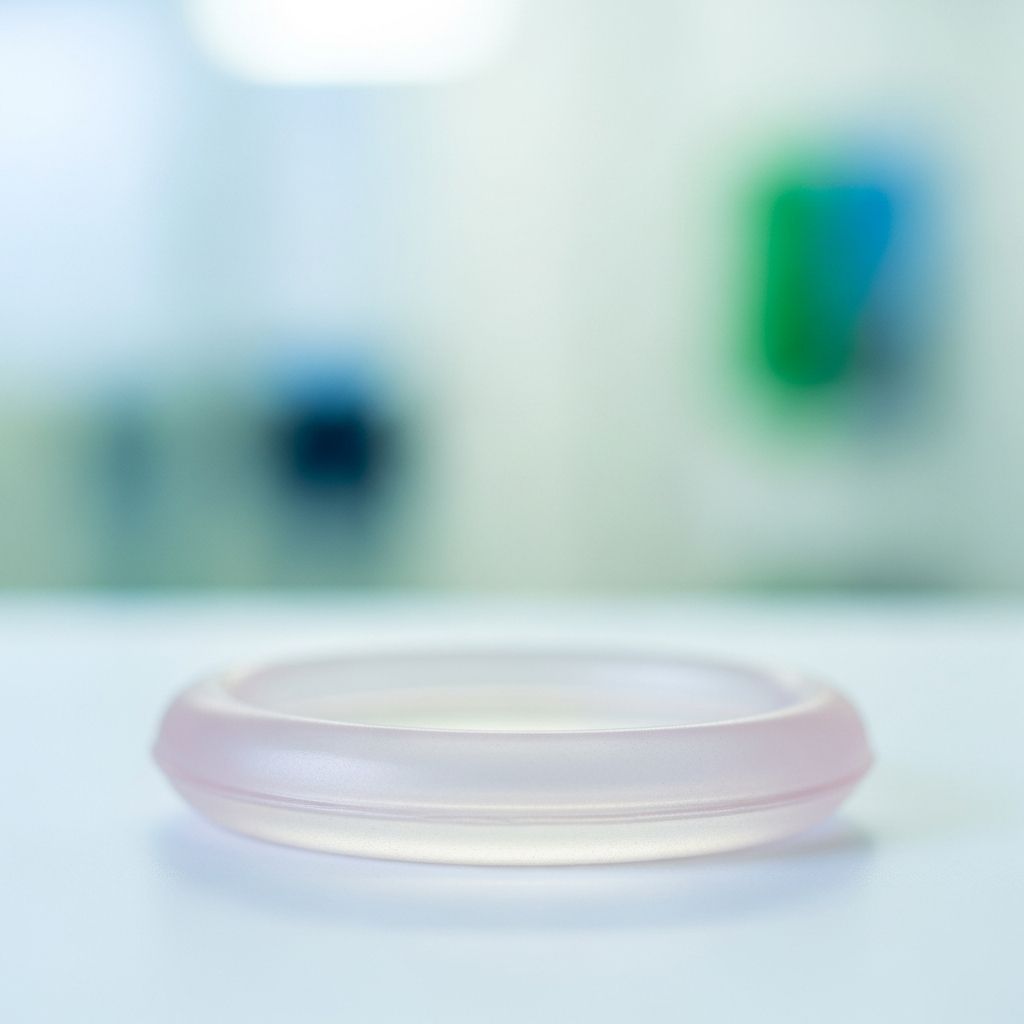
What Is a Vaginal Ring?
A vaginal ring is a small, flexible contraceptive device that you wear inside your vagina to prevent pregnancy. This innovative birth control method represents a convenient alternative to daily pills or weekly patches, offering women more flexibility in managing their reproductive health. The ring works by continuously releasing hormones that prevent ovulation and thicken cervical mucus, making it difficult for sperm to reach an egg.
The vaginal ring is typically about the size of a silver dollar and is made of flexible plastic. It’s designed to be comfortable and discreet, allowing you to go about your daily activities without worrying about your birth control. Unlike oral contraceptives that require daily attention, the vaginal ring is a set-it-and-forget-it method that provides protection for extended periods.
How Does a Vaginal Ring Work?
A birth control ring works by slowly releasing estrogen and progestin into your body. When you wear the ring inside your vagina, you absorb the hormones through your vaginal lining. This continuous hormone delivery provides several contraceptive benefits that work together to prevent pregnancy.
Estrogen prevents ovulation, which means your body doesn’t release an egg for sperm to fertilize. Progestin works in two ways: it thickens the mucus around your cervix, making it harder for sperm to enter, and it thins the lining of your uterus so a fertilized egg cannot implant itself. This triple-action approach makes the vaginal ring highly effective when used correctly.
Types of Vaginal Rings Available
There are three vaginal rings approved for use as hormonal contraceptives in the United States. Each has unique characteristics and usage patterns:
NuvaRing
NuvaRing is a combination of etonogestrel and ethinyl estradiol. It’s a monthly-use ring that you insert for three weeks and then remove for one week. You’ll need a new ring each month.
EluRyng
EluRyng is another monthly-use option similar to NuvaRing. It follows the same three-weeks-in, one-week-out schedule and requires a new ring each month.
Annovera
Annovera is a year-long ring containing segesterone acetate and ethinyl estradiol. Unlike NuvaRing and EluRyng, you use the same ring for an entire year (13 cycles). After your one-week break during your period, you simply clean and reinsert the same ring. This makes Annovera a more economical option over time and reduces the number of times you need to visit a pharmacy.
All three options require a prescription from a healthcare provider.
How to Use a Vaginal Ring
Insertion and Placement
Using a vaginal ring is straightforward once you understand the basic process. Insert the ring into your vagina as directed by your healthcare provider. Many women find it helpful to use the same insertion technique as they would with a tampon. You can insert it at any angle that feels comfortable, and exact positioning isn’t critical—the ring will settle into a comfortable position naturally.
Wearing Schedule
For cyclic use, the standard schedule involves leaving the ring in place for 21 days (three weeks), then removing it for seven days (one week). After your one-week break, you insert a new ring and begin a new cycle. This schedule allows for withdrawal bleeding similar to a menstrual period during your ring-free week.
Related Stories



During the week you remove the ring, you’ll experience bleeding similar to a period. This is completely normal and expected. It’s important to follow this schedule consistently to maintain maximum contraceptive protection.
Checking Your Ring
Check frequently to make sure the ring is still in place. If the ring slips out, is lost, or if you leave it in longer or shorter than directed, contact your healthcare provider. If the ring was out of your vagina for an unknown amount of time, you may not be protected from pregnancy and should perform a pregnancy test and contact your care team.
Continuous Use Option
Some women choose continuous use of the vaginal ring as an off-label option. This involves leaving the ring in place for four weeks instead of removing it after three weeks, then immediately inserting a new ring without taking a week-long break. Continuous use reduces the number of bleeding days and maintains constant birth control protection. However, this may result in some breakthrough bleeding, and you should discuss this option with your healthcare provider before starting.
Vaginal Ring Effectiveness
When used perfectly, the vaginal ring prevents pregnancy more than 99% of the time. That means only one out of 100 users might still get pregnant when using it exactly as prescribed. This perfect-use effectiveness rate makes the vaginal ring one of the most reliable forms of birth control available.
However, with typical or real-world use that accounts for human error, the effectiveness may be closer to 91%. This means up to nine users out of 100 may get unintentionally pregnant if they don’t use the vaginal ring exactly as prescribed. The difference between perfect and typical use highlights the importance of following the schedule consistently.
Timeline for Protection
The timing of when you start your vaginal ring affects when you’re protected. You’ll be protected right away if you put the ring in on the first day your period starts. If you insert it at any other point during your menstrual cycle or if you’re unsure when your last period was, you’ll need to use a backup birth control method, such as a condom, for at least seven days.
If you’re switching from birth control pills or the patch, the vaginal ring should prevent pregnancy immediately if you insert it on the same day you’re due for a new pill or patch. For those switching from progestin-only birth control such as the minipill, implant, injection, or IUD, use backup contraception for seven days, though you should discuss this specifically with your doctor.
Side Effects and Safety Considerations
Common Side Effects
Adverse effects with vaginal rings are similar to those of oral contraceptives. Common side effects may include nausea, headaches, breast tenderness, and mood changes. These side effects often diminish after the first few cycles as your body adjusts to the hormones.
Health Risks and Contraindications
Using a vaginal ring carries certain health risks, and you should avoid using the ring if you have specific medical conditions. Your healthcare provider will review your complete medical history to determine if the vaginal ring is appropriate for you. Be sure to inform your provider if you have:
– A history of blood clots or thrombosis
– Uncontrolled high blood pressure
– Current or recent heart disease or stroke
– Migraine with aura
– History of breast cancer
– Smoking history combined with age over 35
– Liver disease or liver tumors
– Current breast cancer (in some cases)
– A need for major surgery with prolonged immobility
Regular Medical Monitoring
Visit your healthcare provider for regular checks on your progress while using a vaginal ring. You’ll need a regular breast and pelvic exam and Pap smear while on this medication. These regular visits ensure that the vaginal ring remains an appropriate choice for you and help identify any potential complications early.
Additional Contraceptive Methods During First Cycle
Check with your healthcare provider to see if you need an additional method of contraception during your first cycle using the ring. External condoms made with natural rubber latex, polyisoprene, and polyurethane and spermicides may be used as backup methods.
Do not use a diaphragm, cervical cap, or female condom with the ring, as the ring can interfere with these birth control methods and their proper placement. Using these methods together may compromise the effectiveness of both contraceptive methods.
Advantages of Vaginal Ring Contraception
The vaginal ring offers several advantages over other contraceptive methods. Patient adherence may be better with a vaginal ring because it’s inserted monthly rather than taken daily like oral contraceptives. This reduced frequency of action makes it easier to remember and maintain consistent use.
The continuous release of medication through intravaginal delivery results in lower systemic hormone levels compared to oral contraceptives. This characteristic may result in fewer hormonal side effects for some users. Additionally, improved cycle control compared with progestin-only methods provides more predictable bleeding patterns.
The vaginal ring is also a reversible form of contraception, meaning fertility typically returns quickly after discontinuation. For women who want to become pregnant in the future, this makes the vaginal ring an appealing option.
Important Reminders for Vaginal Ring Users
It is very important to follow the schedule every cycle. If you do not use the ring as directed, you may not be protected from pregnancy. Set reminders on your phone or calendar for when to insert and remove your ring to help maintain consistency.
This medicine is only for you. Do not share this medicine with others, as it’s prescribed specifically for your individual health needs and body.
Your birth control needs to work for you, and your personal preferences and lifestyle should guide your choice of contraceptive method. Speak with your healthcare provider about using a vaginal ring to prevent pregnancy. Share any concerns you have about inserting or removing the ring. Your healthcare provider can make sure you understand how to use it correctly and can discuss any side effects you experience. They can also help you determine if continuous use might be appropriate for your situation.
Frequently Asked Questions
Q: Can I feel the vaginal ring during sexual intercourse?
A: Most women don’t feel the ring during intercourse, and most partners don’t feel it either. If you’re concerned about this, discuss it with your healthcare provider. Some women remove the ring during intercourse, but you should contact your provider for guidance on timing if you choose to do this.
Q: What should I do if the ring falls out?
A: If the ring falls out, rinse it with cool water and reinsert it as soon as possible. If it was out for less than three hours, you’re still protected. If it was out for more than three hours, use a backup contraceptive method and contact your healthcare provider for further guidance.
Q: Can I use the vaginal ring while on antibiotics?
A: Most antibiotics do not interfere with the vaginal ring’s effectiveness. However, some medications can reduce effectiveness. Always inform your healthcare provider that you use a vaginal ring whenever they prescribe new medications.
Q: How do I store the vaginal ring?
A: For reusable rings like Annovera, store the ring in its case at room temperature during your week-long break. Keep it away from extreme heat. For monthly rings like NuvaRing and EluRyng, you’ll discard them after use and get a new one each month.
Q: Does the vaginal ring protect against sexually transmitted infections?
A: No, the vaginal ring provides contraception only and does not protect against sexually transmitted infections. Use condoms in addition to the vaginal ring if you need protection against STIs.
Q: Is there an adjustment period when starting the vaginal ring?
A: Yes, many women experience an adjustment period during the first few cycles. Side effects like nausea or breast tenderness often resolve after the first two or three months as your body adjusts to the hormones.
References
- Etonogestrel; Ethinyl Estradiol Vaginal Ring — Cleveland Clinic. 2024. https://my.clevelandclinic.org/health/drugs/20526-etonogestrel-ethinyl-estradiol-vaginal-ring
- Transdermal and Vaginal Ring Hormonal Contraceptives — Merck Manual. 2024. https://www.merckmanuals.com/professional/gynecology-and-obstetrics/family-planning/transdermal-and-vaginal-ring-hormonal-contraceptives
- Examining the efficacy, safety, and patient acceptability of the contraceptive vaginal ring — PubMed. 2010. https://pubmed.ncbi.nlm.nih.gov/21151688/
- Segesterone Acetate (Vaginal Ring): Birth Control & Side Effects — Cleveland Clinic. 2024. https://my.clevelandclinic.org/health/drugs/21294-segesterone-acetate-ethinyl-estradiol-vaginal-ring
- Vaginal Ring for Birth Control — WebMD. 2024. https://www.webmd.com/sex/birth-control/vaginal-ring-birth-control
- Update on current contraceptive options: A case-based discussion — Cleveland Clinic Journal of Medicine. 2023. https://www.ccjm.org/content/90/3/181
- Birth Control Options: Forms, Options, Risks & Effectiveness — Cleveland Clinic. 2024. https://my.clevelandclinic.org/health/articles/11427-birth-control-options
Similar Articles








Read full bio of Sneha Tete