Vaginal Thrush: Symptoms, Causes, Treatment & Prevention
Comprehensive insights into recognizing, managing, and preventing vaginal thrush for better intimate health.
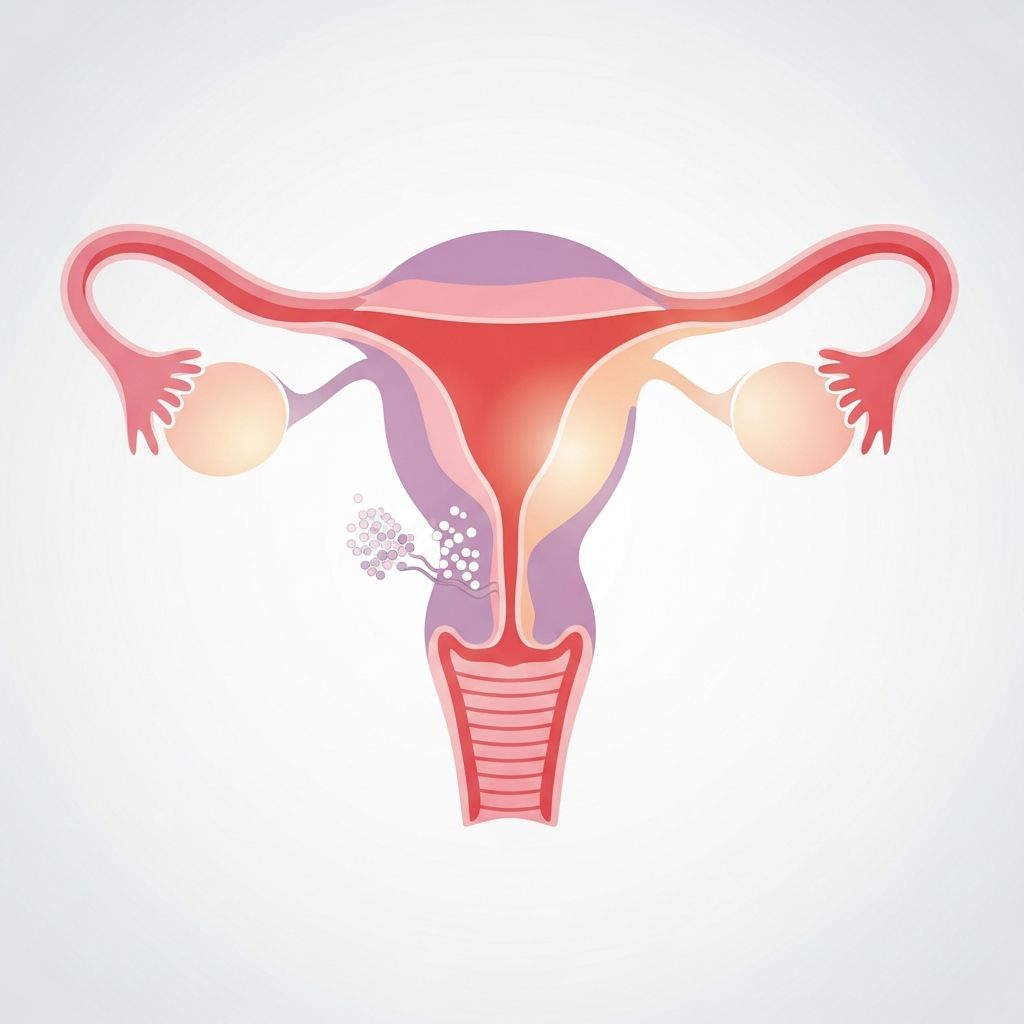
Vaginal thrush, also known as vulvovaginal candidiasis, is a frequent fungal infection primarily caused by an overgrowth of Candida albicans yeast in the vaginal area. It leads to discomfort but is highly treatable with antifungal medications.
Recognizing the Signs of Vaginal Thrush
Identifying vaginal thrush early can prevent prolonged discomfort. The condition often presents with distinctive symptoms that affect the vulva and vagina.
- Intense itching or burning around the vulva, which may worsen at night or after washing.
- Thick, white discharge resembling cottage cheese, typically odorless.
- Pain during intercourse or a stinging sensation when urinating.
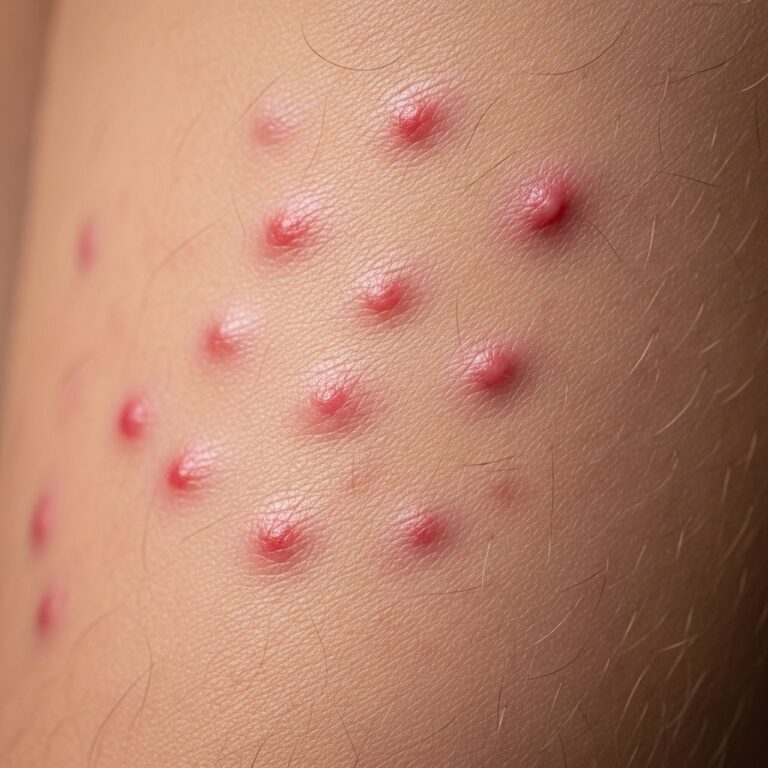
- Redness, swelling, or splits in the skin around the vaginal entrance.
These symptoms can vary in severity; mild cases might only involve itching, while severe ones could include soreness and inflammation.
Root Causes Behind Yeast Overgrowth
Candida yeast naturally resides in the body, including the vagina, mouth, and gut, maintaining a balanced microbiome. Disruptions allow it to proliferate, triggering infection.
Key factors increasing risk include:
- Hormonal changes from pregnancy, menstrual cycles, or high-estrogen birth control.
- Recent antibiotic use, which eliminates beneficial bacteria.
- Uncontrolled diabetes or weakened immunity.
- Tight clothing or poor hygiene retaining moisture.
Importantly, vaginal thrush is not a sexually transmitted infection, though sexual activity can sometimes exacerbate symptoms.
Effective Treatment Options
Most cases resolve with over-the-counter or prescription antifungals targeting the yeast directly. Treatment duration typically spans 1-14 days, depending on severity.
| Treatment Type | Description | Duration | Availability |
|---|---|---|---|
| Pessary | Vaginal insert tablet releasing antifungal agents locally. | 1-6 days | Over-the-counter |
| Cream | Topical application to vulva and vagina for itch relief. | 1-7 days | Over-the-counter |
| Oral Tablet | Systemic fluconazole for stubborn infections. | Single dose | Prescription often required |
Partner treatment is unnecessary unless they show symptoms. Symptoms usually improve within days, but complete the course to avoid recurrence.
When Thrush Becomes Recurrent
Experiencing four or more episodes yearly classifies as recurrent vulvovaginal candidiasis, affecting about 5-9% of women. This may stem from persistent yeast strains rather than reinfection.
Management strategies include:
- Long-term low-dose antifungals, like weekly fluconazole for six months.
- Lifestyle adjustments to restore vaginal pH balance.
- Diagnostic tests to rule out underlying issues like diabetes.
Consult a healthcare provider for tailored plans, especially if pregnant or immunocompromised.
Prevention Strategies for Long-Term Relief
Proactive steps can significantly reduce thrush frequency by supporting a healthy vaginal environment.
- Wear breathable cotton underwear and avoid tight synthetics.
- Maintain good hygiene: wipe front-to-back, avoid douching.
- Opt for unscented soaps and change out of wet clothes promptly.
- Control blood sugar if diabetic and finish antibiotic courses with probiotics.
- Consider probiotic supplements with Lactobacillus to promote beneficial bacteria.
Related Stories



Diet plays a role too; limiting refined sugars may help curb yeast growth, though evidence is supportive rather than definitive.
Special Considerations for At-Risk Groups
Pregnancy and Thrush
Pregnant women face higher risks due to elevated estrogen levels fostering yeast growth. Topical treatments are preferred over oral ones for safety. Always seek medical advice before starting treatment.
Thrush in Menopause or Post-Menopause
Lower estrogen post-menopause can thin vaginal tissues, mimicking thrush symptoms (atrophic vaginitis). Differentiate via exam; hormone therapy might be recommended.
Children and Thrush
Rare before puberty, but possible with diaper use or antibiotics. Mild cases often self-resolve; severe ones need pediatric evaluation.
Distinguishing Thrush from Similar Conditions
Not all itching signals thrush. Differential diagnoses include:
| Condition | Key Differences |
|---|---|
| Bacterial Vaginosis | Fishy odor, thin gray discharge; no itch. |
| STI (e.g., Herpes) | Blisters, ulcers; painful sores. |
| Contact Dermatitis | Triggered by allergens; no discharge. |
A healthcare professional can perform a swab for accurate diagnosis, especially for first-time or persistent symptoms.
Lifestyle and Home Remedies
Complement medical treatment with soothing remedies:
- Apply plain yogurt topically for probiotic benefits (avoid sweetened varieties).
- Take cool baths with baking soda to ease inflammation.
- Use barrier creams like petroleum jelly to protect irritated skin.
Avoid irritants: perfumed products, bubble baths, and synthetic fabrics.
Frequently Asked Questions (FAQs)
Can I have sex while treating thrush?
It’s advisable to abstain until symptoms clear to prevent irritation and potential partner discomfort, though transmission is rare.
Does thrush affect fertility?
No direct impact, but untreated severe cases might cause pelvic inflammation indirectly. Treat promptly.
Are natural remedies effective?
Some like tea tree oil or garlic show anecdotal benefits but lack strong evidence; prioritize proven antifungals.
How long until symptoms disappear?
Most improve in 1-3 days with treatment; full resolution in 7-14 days.
Should my partner be tested?
Only if symptomatic; routine testing isn’t needed.
Seeking Professional Help
See a doctor if:
- First episode or under 16/over 60.
- Treatment fails or recurs frequently.
- Pregnant, diabetic, or immunocompromised.
- Unusual discharge or abdominal pain accompanies symptoms.
Sexual health clinics offer confidential testing and advice.
Vaginal thrush, while common and bothersome, is manageable with awareness and prompt action. Empower yourself with knowledge for optimal vaginal health.
References
- Vaginal thrush | healthdirect — healthdirect.gov.au. 2023 (accessed 2026). https://www.healthdirect.gov.au/vaginal-thrush
- Doctor explains VULVOVAGINAL CANDIDIASIS (aka thrush) — Doctor O’Donovan (YouTube). 2022-02-20. https://www.youtube.com/watch?v=g1R5GVOn3A4
- Thrush in men and women – NHS — NHS.uk. 2023 (updated). https://www.nhs.uk/conditions/thrush-in-men-and-women/
- Vaginal Yeast Infection: Causes, Symptoms & Treatment — Cleveland Clinic. 2024-06-08. https://my.clevelandclinic.org/health/diseases/5019-vaginal-yeast-infection
- Yeast infection (vaginal) – Symptoms and causes – Mayo Clinic — Mayo Clinic. 2023-07-25. https://www.mayoclinic.org/diseases-conditions/yeast-infection/symptoms-causes/syc-20378999
Similar Articles








Read full bio of medha deb