Vaginal Yeast Infection: Causes, Symptoms & Treatment
Comprehensive guide to understanding vaginal yeast infections, their symptoms, causes, and effective treatment options.
Understanding Vaginal Yeast Infections
A vaginal yeast infection, medically known as vaginal candidiasis, is one of the most common fungal infections affecting women. Up to 3 in 4 women will experience at least one yeast infection during their lifetime, and approximately half of all women will have two or more infections. These infections are most common after puberty and before menopause, though they can occur at any age. While yeast infections are uncomfortable and can cause significant distress, they are highly treatable with appropriate medical intervention and are not considered sexually transmitted infections (STIs).
Understanding the nature of yeast infections is crucial for proper management. The infection causes the skin around your vagina to burn and itch, and it typically changes the consistency of your vaginal discharge. Despite their prevalence and discomfort, yeast infections respond well to antifungal medications when properly diagnosed and treated.
What Causes Vaginal Yeast Infections?
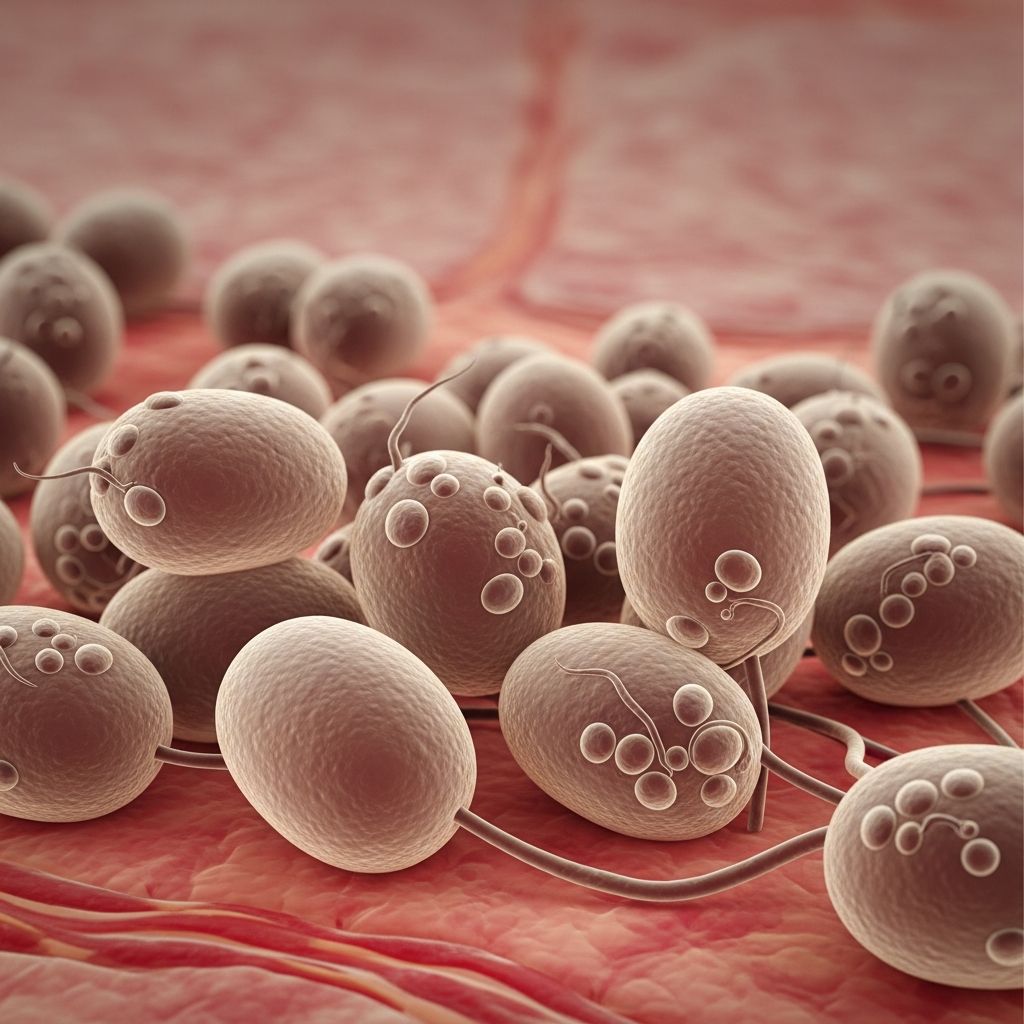
Vaginal yeast infections are caused by an overgrowth of a fungus called Candida. Fungus naturally lives in several places within your body, including your vagina, and this presence is normal and healthy. Your body maintains a delicate balance through the presence of other bacteria that keep fungal growth under control. However, certain factors can throw off this balance, leading to an overgrowth of Candida and resulting in an infection.
Several factors can disrupt this natural balance:
- Antibiotic use that kills beneficial bacteria
- Hormonal changes related to menstruation, pregnancy, or contraceptive use
- Weakened immune system
- High blood sugar levels or diabetes
- Prolonged moisture in the vaginal area
- Sexual transmission from an infected partner
- Use of irritating products like douches or scented sprays
Recognizing the Symptoms
Identifying a vaginal yeast infection requires awareness of its common symptoms. While yeast infection symptoms can resemble other vaginal conditions, there are characteristic signs that may indicate a yeast infection. It’s important to contact a healthcare provider if you experience any of these symptoms so they can properly examine you and confirm the diagnosis.
Common signs of a yeast infection include:
- Itching or burning in or around your vagina
- Thick, white discharge that resembles cottage cheese
- Redness and irritation of the vulvar area
- Pain or discomfort during intercourse
- Burning sensation during urination
- Vulvar soreness and tenderness
The severity of symptoms can vary from mild to severe, and symptoms may worsen over time if left untreated. Because these symptoms can overlap with other vaginal conditions, professional medical evaluation is essential for proper diagnosis.
Diagnosis of Yeast Infections
Proper diagnosis is essential to ensure you receive the correct treatment. Your healthcare provider will perform a physical examination and may collect vaginal samples for testing. Evaluating vaginal secretions with simple office-based tools is often sufficient for diagnosis, though DNA testing is also available when needed. A diagnosis typically involves examining the discharge characteristics, checking vaginal pH levels, and performing microscopic analysis to identify the presence of Candida fungal elements.
Related Stories



During your examination, your healthcare provider will look for characteristic findings such as white discharge, vaginal redness, and the absence of a foul odor. The healthcare provider may also perform a wet mount microscopy to visualize fungal elements and confirm the diagnosis.
Treatment Options for Vaginal Yeast Infections
Antifungal Medications
Antifungal medications are the primary and most effective treatment for vaginal yeast infections. These medications work by fighting yeast overgrowth in your body and are available in both oral and topical forms. Your healthcare provider will prescribe the best treatment based on your specific symptoms and how serious the infection is.
Oral Antifungal Medications: Fluconazole is the most commonly prescribed oral antifungal medication. It is typically given as a single 150 mg dose, making it convenient for many patients. Most yeast infections clear up with medication after a few days, but it may take a full week for complete resolution. More severe cases may take longer to treat.
Topical Antifungal Medications: Topical antifungal medications are applied directly to the affected area and used daily for up to seven days. Common topical options include:
- Miconazole (Monistat®) – available in 1, 3, and 7-day options
- Terconazole – prescription topical cream
- Clotrimazole – available over-the-counter
Topical medications can be applied to your vulvar area or placed inside your vagina as a suppository using an applicator. While slightly messier than oral medications, topical treatments often provide relief faster than prescription pills.
Over-the-Counter Options: Sometimes you can treat a vaginal yeast infection with over-the-counter medicines. However, you may want to avoid this if you aren’t completely sure you have a yeast infection. It’s usually best to consult with a healthcare provider to ensure you’re using the right medicine and that your symptoms are indeed caused by a yeast infection rather than another condition.
Treatment Duration and Completion
It’s critical to finish your medication completely as directed by your healthcare provider, even if symptoms improve before the medication is finished. Stopping treatment prematurely can allow the infection to return. Your healthcare provider will give you specific instructions on how to use each medication properly.
If you’re taking medication for a yeast infection, you shouldn’t have sex until you’re finished with treatment. Sexual activity can cause additional irritation, and certain antifungal medications can weaken the materials used in condoms and diaphragms, reducing their effectiveness.
Managing Recurrent Yeast Infections
If you get more than four yeast infections in a year, you should talk to your healthcare provider. They may want to order tests to determine what’s causing the recurrent infections. For women who have 3 or more episodes in 12 months, additional suppressive therapy may be recommended following initial treatment.
Treatment options for recurrent infections include:
- Weekly fluconazole 150 mg orally for 6 months following initial treatment
- Vaginal boric acid 600 mg daily for 14 to 21 days
- Maintenance therapy with 0.75% metronidazole intravaginal gel twice weekly for 4 months
- Flucytosine in 15.5% vaginal cream administered vaginally as 5 g for 14 days
- Amphotericin B 50 mg vaginal suppositories for 14 days
Managing the underlying reason for the infection is essential and can help prevent future vaginal yeast infections.
Prevention Strategies
You can often prevent vaginal yeast infections by making several lifestyle changes:
- Keep the vaginal area clean and dry – shower after exercise and avoid sitting in wet clothing
- Avoid tight clothing that traps moisture
- Don’t wear panty liners every day, as they trap moisture
- Maintain proper hygiene without excessive douching
- Use unscented products for intimate hygiene
- Manage blood sugar levels if diabetic
- Take antibiotics only when prescribed and necessary
- Maintain a healthy immune system through proper nutrition and sleep
If your vulva is itchy or irritated, applying thick ointments like Vaseline and Aquaphor can provide a barrier against yeast and reduce discomfort.
When to Seek Medical Care
While yeast infections are common and treatable, certain situations warrant professional medical attention. You should contact your healthcare provider if:
- You experience symptoms of a yeast infection for the first time
- You’re unsure whether your symptoms indicate a yeast infection
- You’ve completed treatment but still have symptoms
- You experience recurrent infections (more than 4 per year)
- Your symptoms are severe or persistent
- You’re pregnant and suspect a yeast infection
- You have a weakened immune system
Sometimes a stronger medication is necessary, and your healthcare provider can determine the best course of action based on your individual situation.
Important Reminders
No, a yeast infection cannot go away on its own. Only a medication that destroys fungus will treat a vaginal yeast infection. While yeast infections are uncomfortable and disruptive, they are highly treatable with appropriate medical intervention. Even though you may know the signs of a vaginal yeast infection, it’s important to get examined by your healthcare provider to confirm the diagnosis and receive the best treatment based on the type of yeast infection you have and how severe it is.
Frequently Asked Questions
Q: Is a vaginal yeast infection a sexually transmitted infection?
A: No, a vaginal yeast infection is not a sexually transmitted infection. While sexual transmission from an infected partner is possible, yeast infections are primarily caused by an overgrowth of naturally occurring fungi in the body.
Q: How long does it take for a yeast infection to clear up?
A: Most yeast infections clear up with medication after a few days, but it may take a full week for complete resolution. More severe cases may last longer and require extended treatment.
Q: Can I use over-the-counter treatments for a yeast infection?
A: Sometimes you can treat a yeast infection with over-the-counter medicines, but it’s best to consult with a healthcare provider first to ensure you have a yeast infection and not another condition requiring different treatment.
Q: What should I do if my yeast infection keeps coming back?
A: If you get more than four yeast infections in a year, talk to your healthcare provider. They may order tests to determine the underlying cause and may recommend maintenance therapy or suppressive treatment.
Q: Can I have sex while treating a yeast infection?
A: No, you shouldn’t have sex until you finish treatment. Sexual activity can cause additional irritation, and certain antifungal medications can weaken the effectiveness of condoms and diaphragms.
Q: What are some prevention strategies for yeast infections?
A: Prevention strategies include keeping the vaginal area clean and dry, avoiding tight clothing, not wearing panty liners daily, managing blood sugar levels, and using unscented intimate hygiene products.
References
- Vulvovaginitis: Find the cause to treat it — Cleveland Clinic Journal of Medicine. 2015. https://www.ccjm.org/content/84/3/215
- Vaginal Yeast Infection: Causes, Symptoms & Treatment — Cleveland Clinic. 2025-05-20. https://my.clevelandclinic.org/health/diseases/5019-vaginal-yeast-infection
- How to Treat a Yeast Infection — Cleveland Clinic. https://www.youtube.com/watch?v=Bcx51-YwNt0
- Vaginitis: Causes, Symptoms, Treatment & Prevention — Cleveland Clinic. https://my.clevelandclinic.org/health/diseases/9131-vaginitis
- Do Home Remedies Actually Work for Yeast Infections? — Cleveland Clinic. https://health.clevelandclinic.org/do-home-remedies-actually-work-for-yeast-infections
Similar Articles








Read full bio of medha deb