Vaginismus: Symptoms, Causes, Diagnosis, Treatment
Understand vaginismus: involuntary pelvic muscle spasms causing pain during penetration, with effective treatments available.
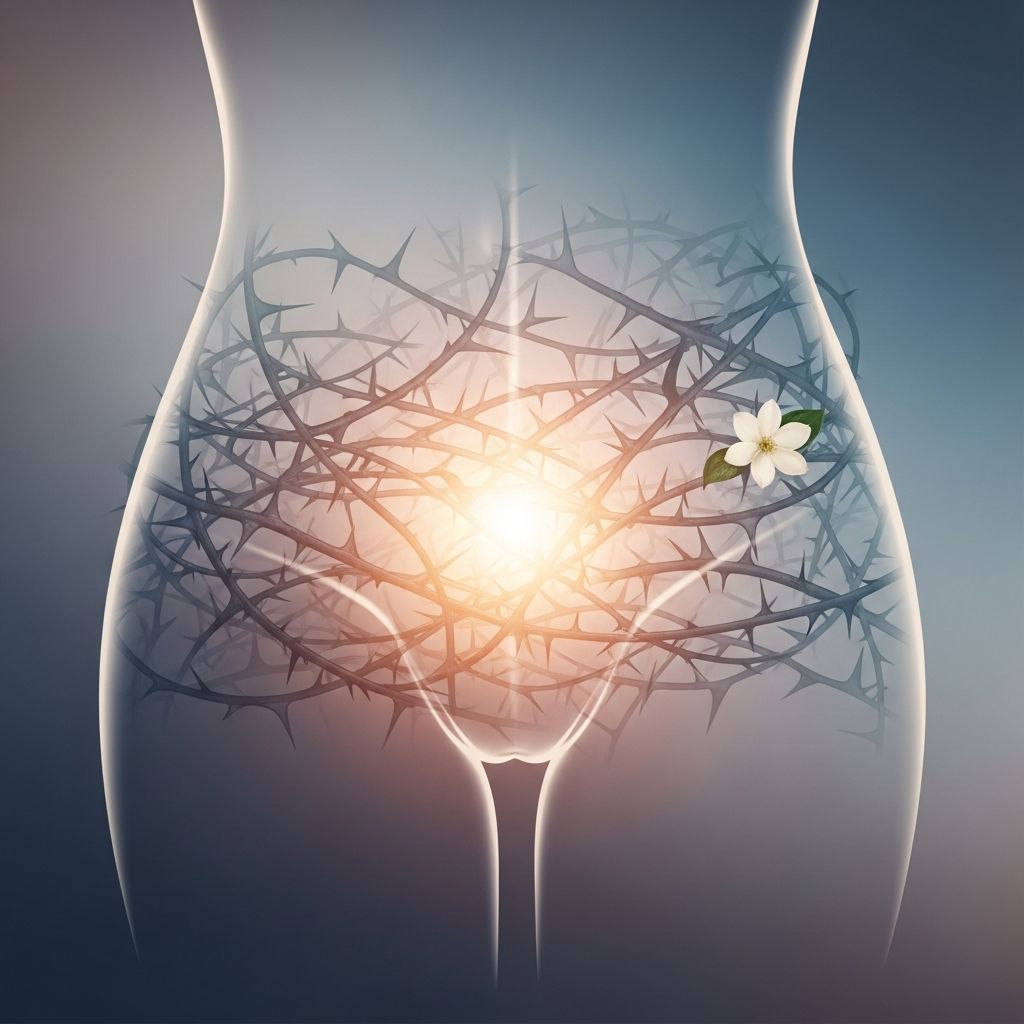
Vaginismus is a condition characterized by involuntary spasms or tightening of the pelvic floor muscles surrounding the vagina, making penetration during sex, tampon insertion, or gynecological exams painful or impossible.
This sexual pain disorder affects people of various ages and can significantly impact quality of life, relationships, and mental health, but it is highly treatable with a combination of physical therapy, psychological support, and gradual desensitization techniques.
What Is Vaginismus?
Vaginismus involves recurrent, involuntary contractions of the pelvic floor muscles that narrow the vaginal opening, leading to discomfort, pain, or complete prevention of penetration. These spasms are automatic and not under conscious control, distinguishing vaginismus from voluntary muscle tension.
According to medical definitions, it falls under genito-pelvic pain/penetration disorder (GPPPD) in the DSM-5, encompassing difficulties with vaginal entry due to fear, pain, or muscle dysfunction. People with vaginismus can still experience arousal and orgasm through non-penetrative stimulation, such as clitoral touch, but anticipation of pain often leads to anxiety and avoidance of intimacy.
The condition does not affect vaginal lubrication or desire but specifically interferes with penetration, causing sensations ranging from mild discomfort to severe burning or stabbing pain.
Types of Vaginismus
Vaginismus is classified into several types based on onset, severity, and triggers. Understanding these helps tailor treatment.
Primary vs. Secondary Vaginismus
- Primary (Lifelong) Vaginismus: Present from the first attempt at penetration; the person has never experienced pain-free vaginal entry. Often idiopathic (no clear cause) and may prevent even speculum exams.
- Secondary Vaginismus: Develops after previously pain-free penetration. Triggers include childbirth, surgery, infections, menopause, or trauma, conditioning the body to spasm.
Total, Partial, Global, and Situational
| Type | Description |
|---|---|
| Total Vaginismus | Complete inability to tolerate any vaginal penetration. |
| Partial Vaginismus | Penetration possible but with significant pain and difficulty. |
| Global Vaginismus | Spasms occur with all types of penetration, regardless of context. |
| Situational Vaginismus | Triggers specific to certain partners, positions, or objects (e.g., tolerates tampons but not intercourse). |
Post-menopausal vaginismus may arise from estrogen decline, reducing vaginal elasticity and lubrication, exacerbating spasms.
Symptoms of Vaginismus
Symptoms vary in intensity but center on penetration attempts. Common signs include:
- Painful intercourse (dyspareunia) with tightness, burning, or stinging.
- Difficulty or impossibility inserting tampons, fingers, or speculums.
- Pain during pelvic or gynecological exams.
- Generalized pelvic muscle spasms that cease when penetration stops.
- Anxiety or fear of pain, leading to avoidance of sex or exams.
Pain can be localized to the vaginal entrance or radiate to the pelvis. Emotional distress, relationship strain, and reduced sexual satisfaction often accompany physical symptoms.
Causes and Risk Factors
Vaginismus arises from a biopsychosocial interplay of physical, emotional, and learned factors. No single cause exists; it’s often multifactorial.
Physical Causes
- Vaginal infections (e.g., yeast, STIs).
- Scar tissue from conditions like lichen sclerosus or surgery.
- Hormonal changes (e.g., menopause).
- Endometriosis or other pelvic conditions.
- Prolonged abstinence leading to temporary tightening.
Psychological and Emotional Factors
- Past sexual trauma or abuse.
- Anxiety, stress, or negative attitudes toward sex.
- Fear of pain, pregnancy, or injury.
- Mental health issues like depression.
Related Stories



The brain-body connection plays a key role: anticipated pain triggers protective muscle guarding, perpetuating the cycle.
Diagnosis of Vaginismus
Diagnosis involves a thorough history, physical exam, and ruling out other conditions. A gynecologist or pelvic floor specialist assesses:
- Symptom description and onset (primary/secondary).
- Pelvic exam (often gentle or finger-free initially).
- Exclusion of infections, endometriosis, or anatomical issues.
No specific test exists; it’s clinical based on involuntary muscle response to penetration cues. Patients may need referral to sex therapists or physical therapists.
Treatment for Vaginismus
Treatment is multidisciplinary and highly effective, with success rates over 90% in motivated individuals. Approaches break the pain-fear cycle.
Pelvic Floor Physical Therapy
Therapists teach muscle awareness, relaxation, and strengthening. Key exercises:
- Kegels (Reverse Kegels): Contract and release pelvic muscles to improve control.
- Diaphragmatic Breathing: Reduces overall tension.
- Biofeedback: Visualizes muscle activity for better regulation.
Vaginal Dilators
Graduated silicone dilators (smallest to largest) used with lubrication, starting externally then internally for 10-15 minutes daily. Progress under guidance prevents re-traumatization.
Cognitive Behavioral Therapy (CBT) and Sex Therapy
Addresses fears, reframes negative beliefs, and improves partner communication. Couples therapy enhances support.
Medications and Other Interventions
- Topical lidocaine for numbing during dilator use.
- Hormone creams for atrophy.
- Botox injections in severe cases (rare).
Lifestyle changes like yoga, mindfulness, and lubricants aid recovery.
Living With Vaginismus and Outlook
With treatment, most achieve pain-free penetration and fulfilling sex lives. Early intervention prevents chronicity. Support groups and education empower patients.
Partners should be involved for empathy. Patience is key; progress varies from weeks to months.
Frequently Asked Questions (FAQs)
What causes vaginismus suddenly?
Secondary vaginismus can onset after trauma, infection, childbirth, or menopause, conditioning muscles to spasm.
Can vaginismus go away on its own?
Rarely; without intervention, the pain-anxiety cycle persists. Treatment is recommended.
Is vaginismus curable?
Yes, most cases resolve completely with therapy, dilators, and counseling.
Can you have an orgasm with vaginismus?
Yes, clitoral stimulation remains unaffected.
How long does treatment take?
Typically 3-6 months, depending on severity and adherence.
References
- Vaginismus: Symptoms, Causes, Treatments and Best Exercises — Hinge Health. 2023. https://www.hingehealth.com/resources/articles/vaginismus/
- Vaginismus: Types, causes, symptoms, and treatment — Medical News Today. 2023-10-12. https://www.medicalnewstoday.com/articles/175261
- Vaginismus: Symptoms, Causes, Treatments, and More — Healthline. 2020-03-24. https://www.healthline.com/health/vaginismus
- Vaginismus — MedlinePlus (U.S. National Library of Medicine). 2023. https://medlineplus.gov/ency/article/001487.htm
- Vaginismus — Physiopedia. 2023. https://www.physio-pedia.com/Vaginismus
Similar Articles








Read full bio of Sneha Tete