Vagus Nerve: Location, Function, Diseases
Discover the vagus nerve's vital role in regulating heart rate, digestion, and more, plus linked diseases and stimulation techniques.
The
vagus nerve
, or cranial nerve X (CN X), is the longest cranial nerve, extending from the brainstem through the neck, chest, and abdomen to regulate vital involuntary functions as a core component of the parasympathetic nervous system.Nicknamed the “wandering nerve” due to its extensive path, it comprises mostly sensory fibers (80-90%) that relay organ status to the brain and efferent fibers controlling heart rate, digestion, and breathing. This article details its anatomy, roles, disorders, and treatments.
What Is the Vagus Nerve?
The vagus nerve originates in the
medulla oblongata
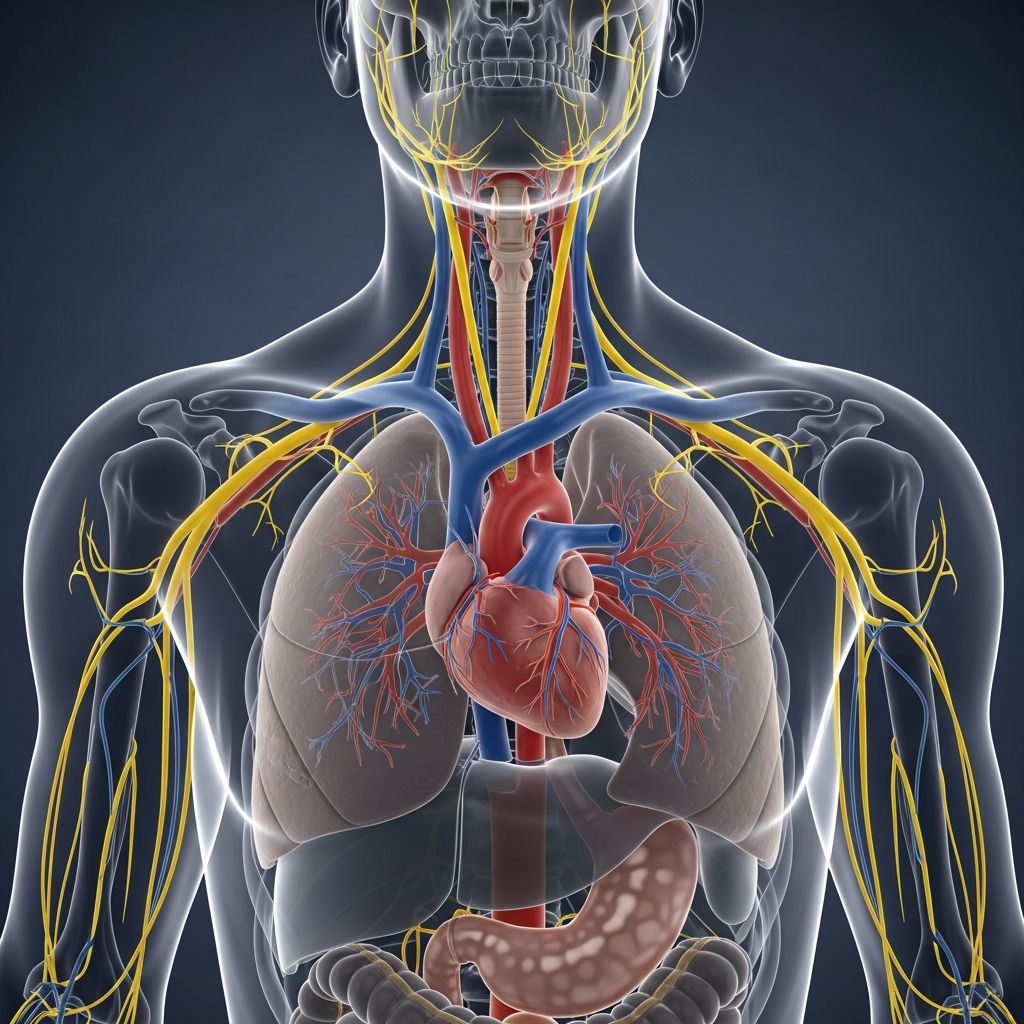
of the brainstem, emerging via rootlets in the retroolivary groove between the olive and inferior cerebellar peduncle, then exiting the skull through the jugular foramen.It travels within the carotid sheath alongside the internal carotid artery and internal jugular vein, descending posterolateral to the common carotid artery. Cell bodies of its visceral afferent fibers reside in the inferior (nodose) ganglion.
In the thorax, right and left vagus nerves diverge: the right crosses anterior to the subclavian artery, posterior to the superior vena cava and right main bronchus, forming cardiac, pulmonary, and esophageal plexuses before becoming the posterior vagal trunk. The left descends on the aortic arch, gives the recurrent laryngeal nerve, and forms the anterior vagal trunk.
Entering the abdomen via the esophageal hiatus, it innervates viscera up to the splenic flexure of the colon, with gastric branches forming anterior and posterior plexuses on the stomach.
Functions of the Vagus Nerve
The vagus nerve dominates
parasympathetic
control, promoting “rest and digest” activities opposite sympathetic “fight or flight.” It carries 80-90% afferent signals for organ feedback.- Sensory: Innervates external acoustic meatus skin, laryngopharynx, larynx internals; provides visceral sensation to heart, lungs, and abdominal organs.
- Special Sensory: Taste to epiglottis and tongue root.
- Motor: Supplies pharynx, soft palate (except tensor veli palatini), larynx muscles via recurrent laryngeal nerves; striated esophagus muscle.
- Parasympathetic: Heart (slows rate via sinoatrial/intratrial nodes), lungs (bronchoconstriction), gastrointestinal tract (peristalsis, secretions up to splenic flexure), liver, pancreas.
It modulates inflammation via the cholinergic anti-inflammatory pathway, influencing hypothalamic-pituitary-adrenal axis and cytokine release, aiding conditions like IBD and rheumatoid arthritis.
Location of the Vagus Nerve
Pathway Summary:
| Region | Right Vagus | Left Vagus |
|---|---|---|
| Brainstem to Neck | Exits medulla, jugular foramen, carotid sheath | Same |
| Thorax | Crosses subclavian, posterior to SVC/bronchus; recurrent laryngeal around subclavian | Anterior to aortic arch; recurrent laryngeal around arch/ligamentum arteriosum |
| Abdomen | Posterior vagal trunk/gastric plexus; celiac/renal/superior mesenteric distribution | Anterior vagal trunk/gastric plexus; pylorus/duodenum |
Branches include auricular (external ear), pharyngeal plexus (pharynx/soft palate with CN IX), superior/inferior laryngeal, cardiac, pulmonary, esophageal.
Diseases and Conditions Associated With the Vagus Nerve
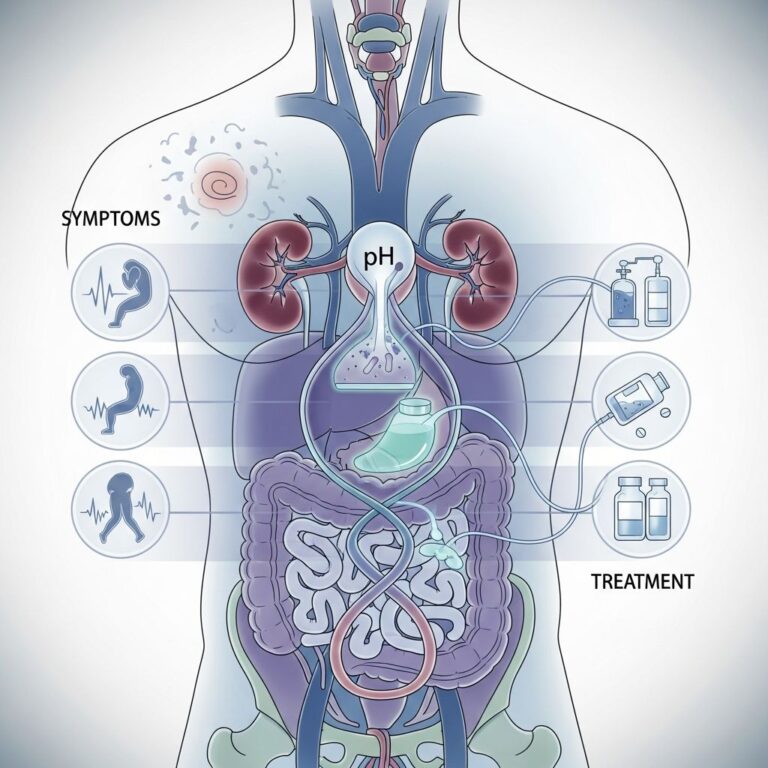
Vagus dysfunction disrupts autonomic balance, causing diverse symptoms. Common issues:
- Gastroparesis: Delayed stomach emptying from vagal neuropathy, often diabetic; symptoms: nausea, vomiting, bloating.
- Vasovagal Syncope: Excessive vagal tone drops heart rate/blood pressure, causing fainting.
- Orthostatic Hypotension: Blood pressure drop on standing due to impaired baroreflex.
- Chronic Cough/Dysphagia: Laryngeal/pharyngeal branch involvement.
Related Stories



Indirect links: Dysautonomia in Parkinson’s, multiple sclerosis; inflammation dysregulation.
Vagus Nerve Stimulation (VNS)
**Vagus nerve stimulation** implants a device to deliver electrical pulses, FDA-approved for epilepsy (1997), treatment-resistant depression (2005), and clusters like stroke rehab.
Mechanism: Pulses modulate brainstem nuclei, increasing neurotransmitters like norepinephrine/GABA, reducing seizures/depression via afferent projections.
For epilepsy: 50-60% seizure reduction in many; for depression: 20-30% response rate after 1 year.
Non-invasive options: Transcutaneous auricular VNS (taVNS) stimulates auricular branch. Risks: Hoarseness, cough, dyspnea, infection (rare cardiac effects).
How to Stimulate the Vagus Nerve
Non-invasive techniques boost vagal tone:
- Deep/Slow Breathing: Diaphragmatic breathing (6 breaths/min) enhances heart rate variability.
- Cold Exposure: Cold water face immersion/diving reflex activates vagus.
- Singing/Humming/Gargling: Laryngeal muscle activation.
- Exercise/Yoga/Meditation: Aerobic activity, mindfulness increase tone.
- Probiotics/Omega-3s: Gut microbiome modulation.
Evidence: Improves HRV, reduces inflammation; consult physician for conditions.
Frequently Asked Questions (FAQs)
What happens if the vagus nerve is damaged?
Damage causes gastroparesis, syncope, heart rate issues, dysphagia, or inflammation dysregulation.
Can you stimulate the vagus nerve at home?
Yes, via deep breathing, cold exposure, singing, yoga; taVNS devices available.
Where is the vagus nerve located?
From medulla oblongata through jugular foramen, carotid sheath, thorax (diverging paths), to abdomen.
What does the vagus nerve control?
Heart rate, digestion, breathing, laryngeal/pharyngeal muscles, inflammation.
Is vagus nerve stimulation safe?
Generally yes for approved uses; side effects include voice changes, cough; monitored by physicians.
References
- Vagus nerve – Wikipedia — Wikipedia. 2024. https://en.wikipedia.org/wiki/Vagus_nerve
- Vagus nerve: Anatomy, function and branches | Kenhub — Kenhub. 2024. https://www.kenhub.com/en/library/anatomy/the-vagus-nerve
- Vagus Nerve – Physiopedia — Physiopedia. 2024. https://www.physio-pedia.com/Vagus_Nerve
- Vagus Nerve: What It Is, Function, Location & Conditions — Cleveland Clinic. 2024-05-13. https://my.clevelandclinic.org/health/body/22279-vagus-nerve
- The Vagus Nerve (CN X) – Course – Functions – TeachMeAnatomy — TeachMeAnatomy. 2024. https://teachmeanatomy.info/head/cranial-nerves/vagus-nerve-cn-x/
Similar Articles








Read full bio of medha deb