Vagus Nerve Stimulator: Treatment Options and Benefits
Explore vagus nerve stimulation therapy: innovative treatment for epilepsy, depression, and chronic pain.
Understanding Vagus Nerve Stimulation
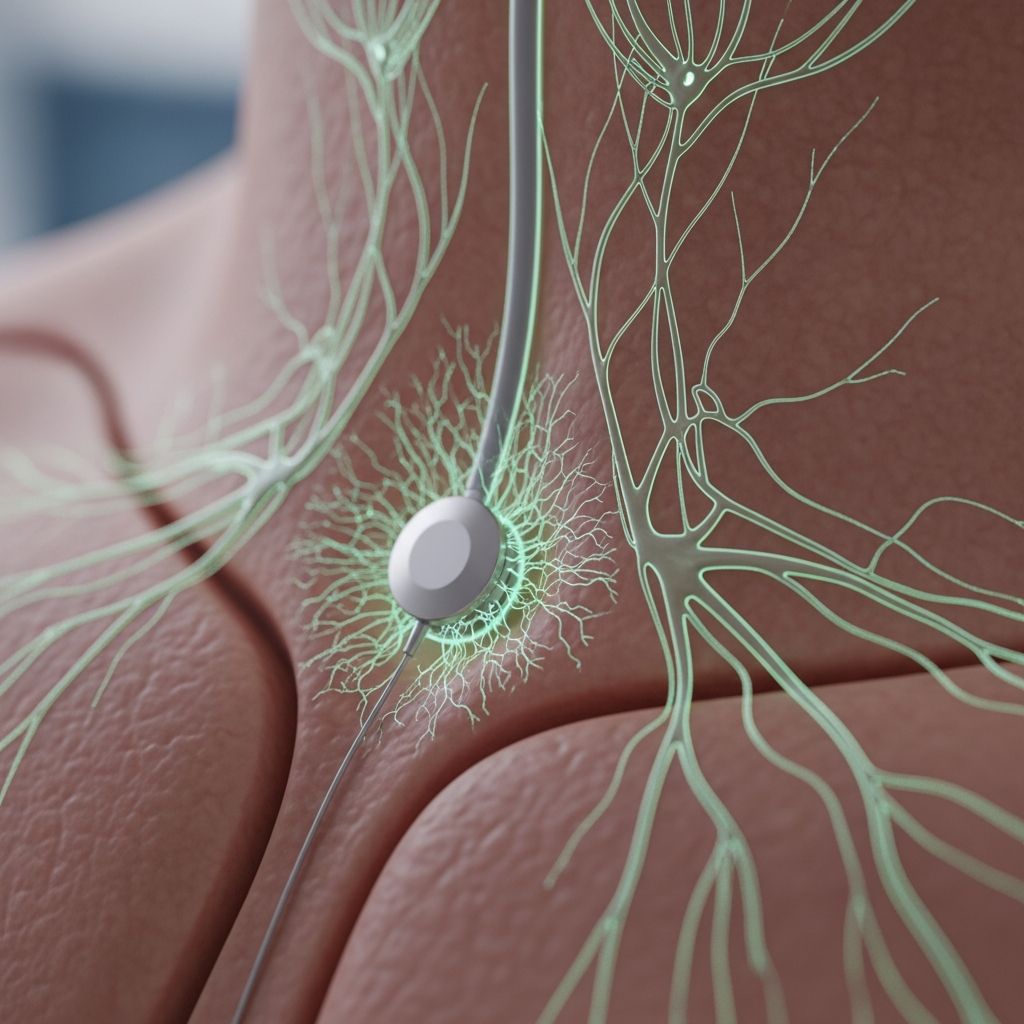
The vagus nerve is one of the most important structures in the human body, extending from the brainstem through the neck, chest, and abdomen. It plays a crucial role in regulating numerous bodily functions, including heart rate, digestion, and immune response. A vagus nerve stimulator (VNS) is a medical device designed to deliver electrical impulses to this vital nerve, modulating its activity to treat various neurological and psychiatric conditions.
Vagus nerve stimulation works by implanting a small device beneath the skin, typically near the collarbone, which sends electrical signals along the vagus nerve to specific brain regions involved in mood regulation, pain processing, and seizure control. This innovative therapeutic approach represents a significant advancement in neuromodulation technology, offering patients with treatment-resistant conditions new hope for symptom management and improved quality of life.
How Vagus Nerve Stimulation Works
The mechanism of action for VNS therapy involves complex interactions between the device, the vagus nerve, and multiple brain regions. When the device is activated, it delivers carefully calibrated electrical pulses that travel along the vagus nerve to the brain. These impulses reach areas such as the locus coeruleus, which is involved in mood and anxiety regulation, and the nucleus tractus solitarius, which processes pain signals.
The electrical stimulation modulates neurotransmitter release and alters neural activity patterns in ways that can reduce seizure frequency, improve mood, and decrease pain perception. Additionally, VNS therapy has demonstrated anti-inflammatory properties, reducing the production of inflammatory cytokines that can exacerbate various conditions. This multi-faceted mechanism of action makes VNS a versatile therapeutic option for multiple disorders.
Approved Conditions for VNS Therapy
Refractory Epilepsy
The primary approved indication for VNS therapy is refractory epilepsy, a form of seizure disorder that does not respond adequately to conventional antiepileptic medications. Patients with refractory epilepsy may experience significant disability, frequent seizures, and reduced quality of life. VNS therapy has been shown to reduce seizure frequency by up to 50% in many patients, making it an important treatment option for those who have exhausted pharmaceutical interventions.
Treatment-Resistant Depression
Depression that does not respond to standard antidepressant medications and psychotherapy, known as treatment-resistant depression, affects millions of individuals worldwide. VNS therapy has received FDA approval for this indication, offering an alternative for patients who have not benefited from conventional treatments. The device works by enhancing the activity of neurotransmitter systems involved in mood regulation, leading to sustained improvements in depressive symptoms.
Chronic Pain Conditions
Emerging research has demonstrated the efficacy of VNS therapy in managing various chronic pain conditions, including visceral pain associated with functional dyspepsia. Studies have shown that both invasive VNS and noninvasive auricular VNS significantly ameliorate visceral hypersensitivity through mechanisms involving autonomic and opioid pathways. This expanding application suggests that VNS therapy may soon receive broader approval for chronic pain management.
Types of VNS Devices
Invasive Vagus Nerve Stimulation
Traditional VNS devices involve surgical implantation of an electrode around the cervical vagus nerve, with the pulse generator placed in a subcutaneous pocket near the collarbone. This approach provides direct stimulation of the vagus nerve and has been extensively studied over decades. The device operates on a programmed schedule, delivering electrical pulses at predetermined intervals throughout the day and night.
Related Stories



Noninvasive Transcutaneous Stimulation
Recent advances have led to the development of noninvasive VNS devices, such as transcutaneous auricular vagus nerve stimulation (taVNS) and other noninvasive approaches. These devices deliver electrical stimulation through the skin without requiring surgical implantation. Research has demonstrated that noninvasive VNS methods can be as effective as invasive approaches for certain conditions. These devices include earbud-based systems that can be worn for about an hour daily, providing a more accessible therapeutic option.
The Implantation Procedure
Pre-Implantation Evaluation
Before undergoing VNS implantation, patients undergo comprehensive medical and psychiatric evaluations to ensure they are appropriate candidates for the procedure. These assessments typically include neurological examinations, imaging studies, and psychological evaluation. Additionally, patients must have an adequate trial of conventional treatments, demonstrating that standard therapeutic approaches have been ineffective.
Surgical Implantation Process
The VNS implantation procedure is performed under general anesthesia and typically takes one to two hours. The surgeon makes a small incision in the neck to locate and prepare the vagus nerve, then places an electrode around the nerve. A second incision is made near the collarbone, where a pocket is created beneath the skin to accommodate the pulse generator device. The electrode is connected to the pulse generator through a subcutaneous tunnel, and the incisions are closed with sutures.
Post-Implantation Recovery
Most patients return home the same day or after an overnight hospital stay. Initial recovery typically involves managing minor discomfort and restricting physical activity for a few weeks. The device is usually not activated immediately after implantation, allowing time for surgical healing. After the wound heals, typically two to four weeks post-operatively, the device is programmed and activated during an office visit.
Programming and Adjustment
VNS devices require careful programming to optimize therapeutic benefit while minimizing side effects. The pulse generator can be adjusted for parameters including stimulation frequency, pulse width, output current, and the on-off cycle. For noninvasive devices, parameters typically include a stimulation frequency of around 20 Hz with a pulse duration of 200 microseconds, individually titrated to individual tolerance levels.
Programming adjustments may be necessary over time as the condition evolves or as the body develops tolerance to stimulation. Regular follow-up appointments allow healthcare providers to monitor device function, assess therapeutic response, and make necessary adjustments to optimize outcomes.
Expected Benefits and Outcomes
Seizure Reduction
Patients with refractory epilepsy who receive VNS therapy typically experience significant reductions in seizure frequency. Many patients report a 50% or greater reduction in seizure occurrence, with some experiencing complete seizure freedom. Beyond reducing seizure frequency, VNS can also decrease seizure severity and duration, reducing the risk of serious complications.
Mood and Psychiatric Improvements
For patients with treatment-resistant depression, VNS therapy can produce sustained improvements in mood, motivation, and overall quality of life. The effects may develop gradually over several weeks or months, requiring patience from patients and their healthcare providers. Many patients report improved social functioning and return to work or school after successful VNS treatment.
Pain Management
Emerging evidence indicates that VNS therapy can provide significant pain relief for various chronic pain conditions through anti-inflammatory mechanisms and altered pain processing. Patients may experience reduced pain intensity, decreased analgesic medication requirements, and improved functional capacity.
Potential Side Effects and Risks
Common Side Effects
The most frequently reported side effect of VNS therapy is voice changes or hoarseness, which occur in a significant percentage of patients and typically develop during stimulation periods. Other common side effects include throat discomfort, neck pain, and cough. These effects are generally mild and often diminish over time as patients acclimate to the device.
Uncommon But Serious Complications
While serious complications are rare, they can occur. Surgical risks include infection, bleeding, and nerve injury. Device-related complications may include electrode migration, device malfunction, or infection around the implant site. Rare cases of worsening seizures have been reported, though this is not common.
Precautions and Contraindications
Patients with vagus nerve injury or damage may not be suitable candidates for VNS therapy. The device should generally be avoided in patients with left-sided vocal cord paralysis due to increased risk of complications. Additionally, patients requiring certain diagnostic procedures, such as diathermy or microwave therapy, may experience complications if the device is not properly deactivated.
Maintenance and Device Management
Battery Life and Device Replacement
VNS devices require periodic battery replacement, typically every three to nine years depending on usage parameters and device model. When battery depletion is anticipated, patients are scheduled for a replacement procedure involving device removal and implantation of a new unit.
Ongoing Monitoring
Regular follow-up appointments with the implanting physician are essential for optimal device management. During these visits, healthcare providers assess therapeutic response, adjust programming parameters, address adverse effects, and ensure proper device function through remote monitoring technology.
Lifestyle Considerations
Patients with implanted VNS devices generally can resume normal activities after recovery from surgery. However, certain precautions are necessary, including avoiding activities that could damage the device implant site and being aware of potential device interactions with certain medical equipment. Most patients can safely engage in sports, exercise, and other recreational activities.
Modern VNS devices are generally compatible with common medical procedures and technologies, though patients should always inform healthcare providers about device implantation before undergoing any medical procedures.
Frequently Asked Questions
Q: How long does a VNS device last?
A: VNS device longevity typically ranges from three to nine years, depending on the specific device model, programming parameters, and individual usage patterns. Battery life can be extended by optimizing stimulation parameters and adjusting the duty cycle.
Q: Can I undergo MRI with a vagus nerve stimulator?
A: Many modern VNS devices are MRI-compatible, though specific requirements vary by device model. Patients should inform their healthcare provider and the MRI facility about device implantation before scheduling any imaging studies to ensure proper precautions are taken.
Q: How quickly does VNS therapy work?
A: The timeline for therapeutic benefit varies depending on the condition being treated. For seizure reduction, benefits may be apparent within weeks to months. For depression and chronic pain, therapeutic effects may develop more gradually over several weeks or months of consistent stimulation.
Q: Is VNS therapy reversible?
A: Yes, VNS therapy is considered reversible. If a patient experiences intolerable side effects or if the device proves ineffective, the device can be deactivated or removed surgically, though some neural adaptations may persist temporarily.
Q: Can children receive VNS therapy?
A: Yes, VNS devices have been approved for use in children as young as four years old, particularly for refractory epilepsy. The implantation procedure in children follows similar principles as in adults, with appropriate modifications for pediatric patients.
Q: What are noninvasive VNS options?
A: Noninvasive VNS methods include transcutaneous auricular stimulation devices worn as earbuds, which deliver electrical impulses through the skin without requiring surgical implantation. These devices are increasingly used in research and clinical settings for various conditions.
Conclusion
Vagus nerve stimulation represents an important therapeutic option for patients with treatment-resistant epilepsy, depression, and chronic pain conditions. The technology continues to evolve, with both invasive and noninvasive approaches offering distinct advantages for different patient populations. While the procedure requires surgical intervention and ongoing device management, many patients experience substantial improvements in symptoms and quality of life. As research continues to expand the applications of VNS therapy and refine device design and programming, this neuromodulation approach will likely become increasingly important in the treatment arsenal for neurological and psychiatric disorders.
References
- Analgesic Effects of Vagus Nerve Stimulation on Visceral Hypersensitivity: A Direct Comparison Between Invasive and Noninvasive Methods in Rats — Neuromodulation, Johns Hopkins University School of Medicine. 2023. https://pubmed.ncbi.nlm.nih.gov/37191611/
- Role of Vagus Nerve Stimulation in the Treatment of Chronic Pain — NeuroImmunoModulation, Johns Hopkins University. 2023. https://pure.johnshopkins.edu/en/publications/role-of-vagus-nerve-stimulation-in-the-treatment-of-chronic-pain
- Vagus Nerve Stimulation for POTS Treatment Mechanisms and Clinical Applications — Johns Hopkins Medicine. 2024. https://www.hopkinsmedicine.org
- Personalized Treatment for PTSD — Johns Hopkins University Engineering Magazine. 2022. https://engineering.jhu.edu/magazine-archive/2022/01/personalized-treatment-for-ptsd/
- Vagus Nerve Stimulation for Depression: A Prospective, Multi-center, Randomized Controlled Blinded Trial — Johns Hopkins University. 2023. https://hpo-docs.jh.edu/T7QBbnLG
Similar Articles








Read full bio of medha deb