Valerian Root Benefits: Sleep, Anxiety & Health
Discover the science-backed benefits of valerian root for sleep, anxiety relief, and overall wellness.
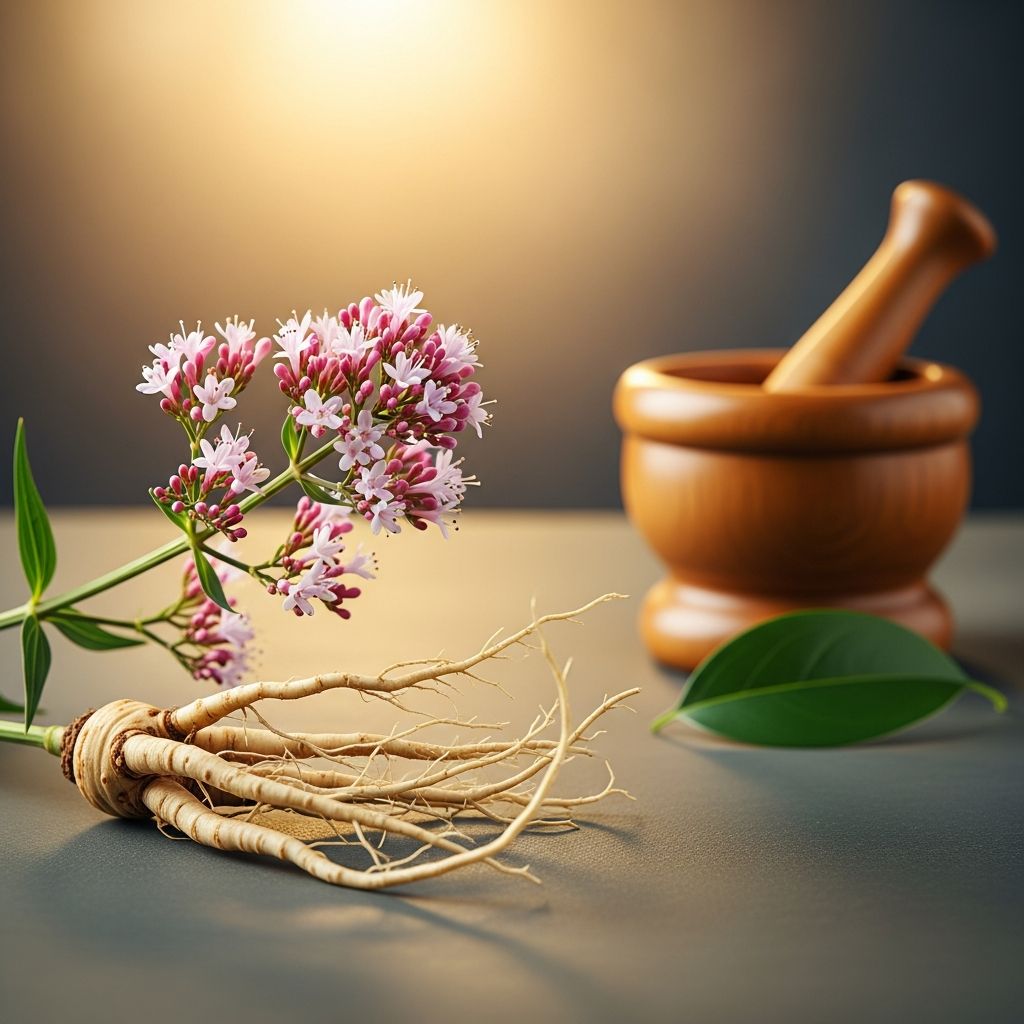
Valerian root has been used for centuries as a traditional herbal remedy to promote relaxation and improve sleep quality. Today, millions of people worldwide turn to this natural supplement to address sleep disturbances, anxiety, and stress-related conditions. As interest in herbal medicine continues to grow, scientific research has increasingly validated many of the benefits associated with valerian root, making it one of the most studied botanical remedies in modern medicine.
What Is Valerian Root?
Valerian (Valeriana officinalis L.) is a tall, flowering plant native to Europe and parts of Asia. The supplement is derived from the root and rhizome of the plant and has been traditionally used in herbal medicine for over 2,000 years. The plant contains several active compounds, including valepotriates and valerenic acid, which are believed to be responsible for its therapeutic effects.
Valerian is characterized by a distinct, pungent odor that some users find unpleasant, but this aroma is closely associated with the plant’s active compounds. The supplement is available in multiple forms, including capsules, tablets, teas, and liquid extracts, making it accessible and convenient for various preferences.
How Valerian Root Works in the Body
Understanding the mechanism of action helps explain why valerian root is effective for multiple health concerns. Research suggests that valerian root operates through several biochemical pathways in the brain and nervous system.
GABA and Neurotransmitter Activity
One of the primary mechanisms involves gamma-aminobutyric acid (GABA), a neurotransmitter that decreases nerve cell stimulation in the brain. Valerian root appears to increase GABA availability while preventing receptors from becoming overloaded, which helps reduce stress and anxiety. Additionally, valerian may impact serotonin receptors, which play crucial roles in mood regulation and sleep-wake cycles.
Potassium Channel Activation
Research indicates that valerian shows antispasmodic and hypotensive effects through potassium channel activation, which may be useful in gastrointestinal and cardiovascular disorders. Studies also suggest that valerian protected against vasopressin-induced coronary spasm and pressor response, indicating potential benefits for coronary and systemic vasodilation.
Brain Activity Modulation
Valerian root has been found to reduce brain activity in the motor cortex in response to stimulation and alter how brain waves in different regions interact during stress and anxiety responses. In preclinical studies, chronic treatment with valepotriate-rich extract increased norepinephrine and dopamine levels, neurotransmitters essential for mood and motivation.
Sleep Benefits: The Most Researched Application
Improving sleep quality is the most extensively studied benefit of valerian root. A 2020 review analyzing 60 studies concluded that valerian could be a safe and effective treatment to promote sleep and prevent associated sleep disorders.
Reducing Sleep Latency
One of valerian’s most consistent benefits is reducing sleep latency—the amount of time it takes to fall asleep. Research suggests that taking valerian root may significantly decrease the time between going to bed and falling asleep. In double-blind studies, participants receiving 450 to 900 mg doses of valerian extract demonstrated significant decreases in both measured and subjective sleep latency.
Related Stories



Interestingly, sleep quality improvement was most notable among poor or irregular sleepers and smokers, suggesting that valerian may be particularly beneficial for those with chronic sleep challenges.
Improving Sleep Quality and Duration
Beyond reducing the time needed to fall asleep, valerian root improves overall sleep quality and quantity. Clinical studies have shown that valerian treatment results in more stable sleep during the first quarter of the night and reduces the number of nighttime awakenings. The supplement appears to provide a dose-dependent mild hypnotic effect without the hangover effects sometimes associated with pharmaceutical sleep aids.
Special Populations
Valerian has demonstrated effectiveness for specific sleep-related conditions:
- Restless Legs Syndrome: An 8-week study found that taking 800 mg of valerian per day improved symptoms and decreased daytime sleepiness in people with restless legs syndrome.
- Children with Hyperactivity: Valerian treatment significantly reduced sleep latencies, decreased nocturnal time awake, lengthened total sleep time, and was most effective in children with hyperactivity.
Anxiety and Stress Relief
Beyond sleep improvement, valerian root has demonstrated significant potential for managing anxiety and stress-related conditions. Research suggests that valerian root may help ease anxious feelings that occur in response to stressful situations.
General Anxiety Symptoms
A 2021 study involving 39 people undergoing hemodialysis found that participants experienced significant reductions in anxiety symptoms after taking 530 mg of valerian root one hour before bedtime for one month, compared with placebo. The treatment also significantly improved sleep quality and depression symptoms, highlighting valerian’s multifaceted benefits.
Obsessive-Compulsive Disorder (OCD)
Limited evidence suggests that valerian may help with chronic conditions characterized by anxious behaviors, such as obsessive-compulsive disorder. A high-quality 2011 study examined 31 adults with OCD who took 765 mg of valerian extract daily for eight weeks. Those receiving valerian showed a reduction in obsessive and compulsive behaviors compared with those taking placebo, and core symptoms of depression and anxiety disorder receded significantly.
Biochemical Effects on Anxiety
Preliminary research suggests that valepotriates—the compounds giving valerian its characteristic pungent smell—may have anti-anxiety and antidepressant effects in the body. In preclinical studies, valerian demonstrated anxiolytic (anti-anxiety) and antidepressant properties, along with antioxidant, cytoprotective, and neuroprotective effects.
Additional Health Benefits
While sleep improvement and anxiety relief remain the primary applications, emerging research suggests additional potential benefits:
Menstrual Pain and PMS
Though research investigating valerian root for pain is limited, anecdotal evidence and some clinical studies suggest benefits for menstrual pain. One study found that pain severity was reduced in both treatment and control groups, but the extent of reduction was larger in the valerian treatment group over a two-menstrual-cycle period.
Depression Symptoms
Clinical research indicates improvements in depression when valerian is used appropriately. A six-week study measuring 16 symptoms of depression and anxiety found that core symptoms receded significantly, with efficacy rated as “very good” or “good” in 87.2% of participants.
Headaches and Other Pain Conditions
Valerian root is a centuries-old herbal remedy used to address not only sleep issues and anxiety but also headaches, and some users report relief from stomach pain.
Recommended Dosage and Forms
Valerian root is available in several forms, each with different concentration levels and recommended usage patterns:
| Form | Typical Dosage | Best For |
|---|---|---|
| Capsules/Tablets | 450-900 mg before bedtime | Sleep improvement, standardized dosing |
| Liquid Extract | As directed on label | Faster absorption, flexible dosing |
| Tea | 1-2 cups before bedtime | Relaxation, palatable option |
| Anxiety Management | 530-765 mg daily divided doses | Anxiety, OCD symptoms |
It’s important to note that research outcomes may vary due to differences in herbal extract quality. More reliable effects can be expected from whole root/rhizome preparations, and therapeutic benefits may be optimized when valerian is combined with appropriate herbal partners.
Safety and Side Effects
Valerian root is considered relatively safe for most people, with no severe adverse events associated with intake in subjects aged between 7 and 80 years. However, awareness of potential side effects and contraindications is important:
Common Side Effects
Most users experience minimal side effects, though some may report:
- Gastrointestinal symptoms (diarrhea, stomachache, bitter taste) in the first week of treatment
- Mild morning drowsiness or “hangover effect” with some formulations
- Headaches or dizziness in rare cases
Important Precautions
You should not take valerian root at the same time as certain medications, including benzodiazepines, opiates, antihistamines, and barbiturates. It’s crucial to speak with a healthcare professional before taking valerian, especially if you’re taking medications or other herbal supplements or if you have one or more health conditions.
Pregnant and breastfeeding women should consult healthcare providers before using valerian, as safety in these populations has not been definitively established.
Who Should Use Valerian Root?
Valerian root may be particularly beneficial for individuals experiencing:
- Difficulty falling asleep or maintaining sleep
- Anxiety related to stressful situations
- Symptoms of obsessive-compulsive disorder
- Restless legs syndrome
- Premenstrual syndrome or menstrual discomfort
- Mild depression or mood disturbances
- Hyperactivity-related sleep issues in children
However, valerian’s effectiveness can vary from person to person, depending on factors such as sex, age, overall health status, and the specific formulation used.
The Current State of Valerian Research
Research investigating the potential health benefits of valerian root is ongoing, and scientists are still learning about the ways valerian affects human health. While substantial evidence supports its use for sleep improvement and anxiety reduction, some evidence remains preliminary or inconsistent. Inconsistent outcomes in earlier studies were possibly due to variable quality of herbal extracts; more reliable effects can be expected from whole root/rhizome preparations.
Future research will likely focus on optimizing dosages, standardizing extract quality, identifying which populations benefit most, and exploring potential synergistic effects when valerian is combined with other complementary herbs or therapies.
Frequently Asked Questions About Valerian Root
Q: How long does it take for valerian root to work?
A: Valerian root improves subjective experiences of sleep when taken nightly over one- to two-week periods. Some people may experience benefits within the first few nights, while others may require consistent use for 2-4 weeks to notice improvements. The duration of consistent use is important for optimal results.
Q: Can I take valerian root every night?
A: Yes, valerian root is designed to be taken nightly and appears to be safe for long-term use, with studies demonstrating safety in users aged 7-80 years. However, it’s advisable to consult with a healthcare provider about appropriate duration and to periodically assess whether continued use remains necessary.
Q: Is valerian root safe for children?
A: Research demonstrates that valerian is safe for children, with no severe adverse events in subjects aged 7-80 years. It has shown particular effectiveness for children with hyperactivity-related sleep issues. Always consult a pediatrician before giving any supplement to children.
Q: Can valerian root interact with other medications?
A: Yes, valerian should not be taken with benzodiazepines, opiates, antihistamines, or barbiturates. It’s essential to inform your healthcare provider about all medications and supplements you’re taking before starting valerian.
Q: What’s the best time to take valerian root?
A: For sleep benefits, valerian root is typically taken 30 minutes to 2 hours before bedtime. For anxiety management, dosing may be divided throughout the day as directed by a healthcare provider or product label.
Q: Is valerian root addictive?
A: No, valerian root is not considered addictive and does not create dependency like some pharmaceutical sleep aids. However, some people may experience mild withdrawal symptoms if they discontinue use after long-term daily use, so gradual tapering is sometimes recommended.
Q: How does valerian compare to pharmaceutical sleep aids?
A: While valerian may work more slowly than prescription sleep medications, it typically produces fewer side effects and no “hangover” effect the next morning. Many people prefer valerian as a gentler, natural alternative, though effectiveness varies individually.
The Bottom Line
Evidence suggests that valerian supplements may help improve sleep, reduce anxiety, and improve symptoms related to obsessive-compulsive disorder, menopause, and premenstrual syndrome. While research is currently limited and scientists are still learning how valerian affects human health, the supplement is considered relatively safe and unlikely to cause serious side effects for most people.
If you’re considering valerian root as a natural remedy for sleep or anxiety, speak with a healthcare professional to ensure it’s appropriate for your specific situation, particularly if you’re taking medications or have underlying health conditions. With proper guidance and realistic expectations, valerian root may become a valuable addition to your wellness routine.
References
- Valerian — Memorial Sloan Kettering Cancer Center. 2024. https://www.mskcc.org/cancer-care/integrative-medicine/herbs/valerian
- How Valerian Root Helps You Relax and Sleep Better — Healthline. 2024. https://www.healthline.com/nutrition/valerian-root
- Valerian Root in Treating Sleep Problems and Associated Disorders — PubMed Central, National Center for Biotechnology Information. 2020. https://pmc.ncbi.nlm.nih.gov/articles/PMC7585905/
- Valerian — American Academy of Family Physicians. 2003. https://www.aafp.org/pubs/afp/issues/2003/0415/p1755.html
- Valerian Root for Sleep: Benefits and Side Effects — Sleep Foundation. 2024. https://www.sleepfoundation.org/sleep-aids/valerian-root
- Valerian: A safe and effective herbal sleep aid? — Mayo Clinic. https://www.mayoclinic.org/diseases-conditions/insomnia/expert-answers/valerian/faq-20057875
Similar Articles








Read full bio of medha deb