Valerian: Uses, Safety, and Effectiveness
Explore valerian's uses for sleep and anxiety, supported by research and safety guidelines.
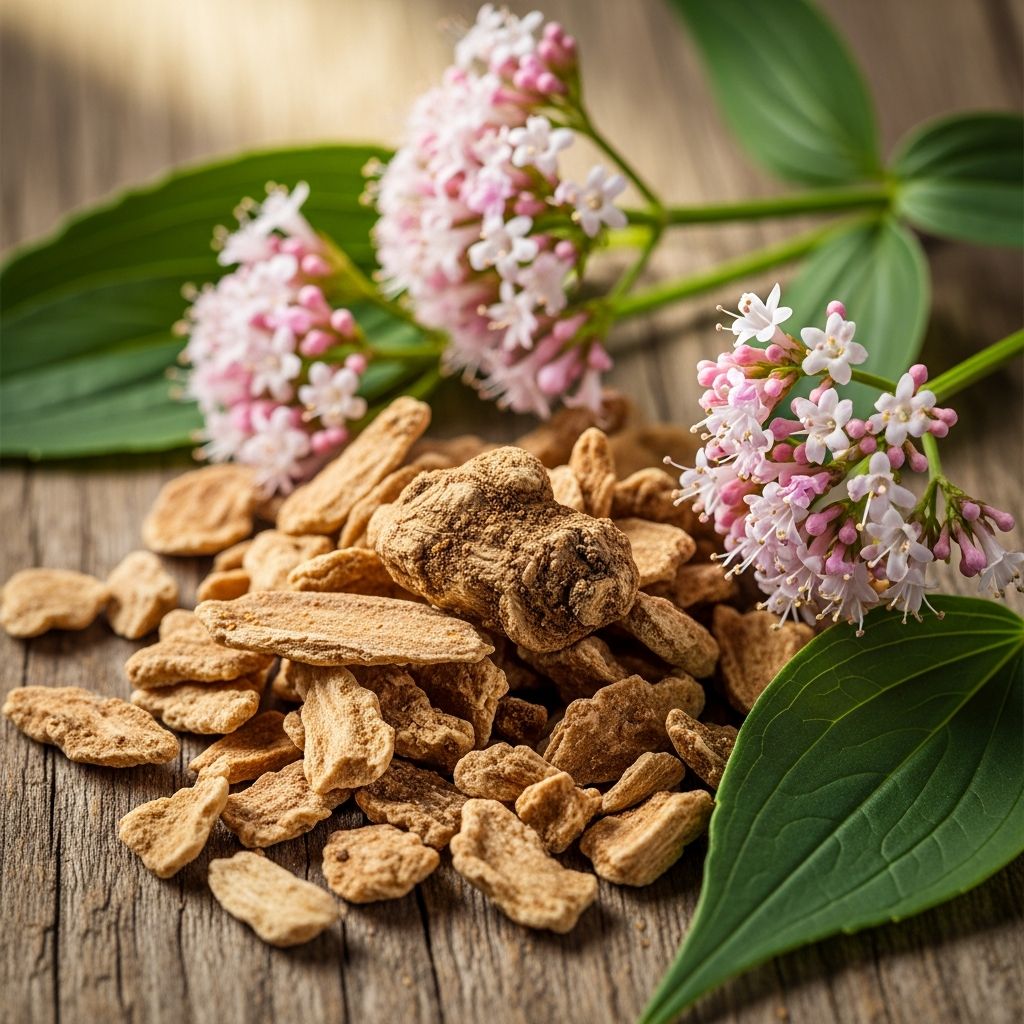
Valerian: Overview and Background
Valerian (Valeriana officinalis) is a perennial flowering plant native to Europe and Asia that has been used for centuries in traditional medicine as a natural remedy for sleep disorders and anxiety. The root of the valerian plant is the primary medicinal component and is commonly consumed as a dried herb, extract, or tea. Over the years, valerian has gained popularity as a complementary health approach for individuals seeking alternatives to conventional pharmaceutical sleep aids and anxiety treatments. Today, millions of people around the world incorporate valerian into their wellness routines, making it one of the most widely used herbal supplements for sleep-related concerns.
What Is Valerian Used For?
Valerian has been traditionally used to address several health concerns, with the most prominent applications being sleep disorders and anxiety management. The herb is particularly valued for its potential to help individuals fall asleep more easily and improve overall sleep quality. Beyond sleep support, valerian is also utilized for managing anxiety symptoms, stress-related tension, and restlessness. Some individuals use valerian to address menstrual discomfort and symptoms associated with menopause, while others explore its potential benefits for headaches and migraines. The versatility of valerian makes it attractive to those seeking a single supplement that may address multiple wellness concerns.
Primary Uses
- Sleep initiation and sleep quality improvement
- Anxiety and stress management
- Menstrual symptom relief
- Menopause symptom support
- General relaxation and tension relief
How Does Valerian Work?
The exact mechanism by which valerian produces its effects remains not fully understood, but researchers have identified several key pathways. The primary mechanism of action is believed to involve modulation of gamma-aminobutyric acid (GABA) receptors in the brain. GABA is the main inhibitory neurotransmitter in the central nervous system, and when activated, it promotes relaxation, reduces nerve excitability, and facilitates sleep. Valerian may increase GABA availability in the synaptic cleft and inhibit its enzymatic breakdown, thereby prolonging its calming effects.
The active compounds in valerian include valerenic acid, isovaleric acid, various sesquiterpenes, iridoids (valepotriates), essential oils, lignans, and flavonoids. While valerenic acid has been identified as one of the primary active compounds responsible for valerian’s sedative properties, research suggests that multiple constituents likely work together synergistically to produce the herb’s overall effects. This complexity makes it difficult for researchers to isolate a single compound responsible for all of valerian’s benefits, underscoring the importance of using whole plant preparations or standardized extracts.
Clinical Evidence and Research
Multiple clinical trials and meta-analyses have investigated valerian’s efficacy for various conditions. A meta-analysis of 16 randomized controlled trials reported that valerian improved sleep quality compared with placebo, with a standardized mean difference of -0.70. A more recent meta-analysis of 18 randomized controlled trials found that valerian significantly reduced sleep latency (the time it takes to fall asleep) and improved sleep quality compared with placebo. However, researchers cautioned that the quality of evidence was low to moderate due to methodological limitations and inconsistencies among studies.
One notable study demonstrated that valerian’s effects are not immediate. During the first two weeks of use, valerian and placebo were equally effective. However, by day 28, valerian showed significantly greater effectiveness, with 66 percent of the valerian group rating its effectiveness as good or very good compared to only 29 percent in the placebo group. This pattern suggests that valerian requires consistent use over time to achieve optimal results.
Research for Specific Conditions
Insomnia: Research indicates that valerian may be particularly effective for individuals with insomnia, especially those with high anxiety. Studies using various assessment methods, including activity meters and sleep questionnaires, have documented improvements in sleep onset time, sleep quality, sleep depth, and reduced nighttime awakenings.
Related Stories



Anxiety and Stress: While some studies have examined valerian’s potential for anxiety management, the evidence remains mixed. A double-blind, placebo-controlled study comparing valerian extract with Valium and placebo failed to find statistically significant differences, though the study’s small size may have limited its ability to detect differences.
Sleep Cessation from Benzodiazepines: Valerian has shown promise in helping individuals transition off conventional sleeping pills in the benzodiazepine family, potentially serving as a bridge therapy during withdrawal.
Recommended Dosage
The appropriate dosage of valerian varies depending on the form and intended use. For insomnia, the standard adult dosages include:
| Form | Dosage | Timing |
|---|---|---|
| Dried herb | 2-3 grams | 30-60 minutes before bedtime |
| Aqueous extract | 270-450 mg | 30-60 minutes before bedtime |
| Ethanol extract | 300-600 mg | 30-60 minutes before bedtime |
For anxiety management, individuals may take the same amount or a reduced dose twice daily. It is important to note that valerian’s effects typically begin to manifest after one to two weeks of consistent use, making it essential to use the supplement regularly rather than sporadically.
Safety and Side Effects
The National Center for Complementary and Integrative Health (NCCIH) states that valerian is safe for most adults for short-term use of approximately four weeks. However, most studies investigating valerian have not lasted long enough to determine the safety of long-term use beyond this timeframe. Research analyzing sixty studies on valerian found it safe for participants aged seven to eighty, suggesting a favorable safety profile across age groups.
While valerian is generally well-tolerated, some individuals may experience side effects. Common side effects are typically mild and may include drowsiness, dizziness, headache, stomach upset, and vivid dreams or nightmares. Rare cases of more serious side effects have been reported but are uncommon with standard dosing.
Safety Considerations
- Valerian is not subject to strict regulations as a food supplement
- Quality and potency of valerian supplements may vary between manufacturers
- Long-term safety beyond 28 days has not been thoroughly established
- Safety during pregnancy and breastfeeding remains unclear
- Valerian may interact with certain medications, particularly sedatives and CNS depressants
- Individuals should consult healthcare providers before using valerian, especially if pregnant, breastfeeding, or taking medications
Drug Interactions and Contraindications
Valerian may interact with certain medications and substances. Individuals taking sedatives, central nervous system (CNS) depressants, or other sleep medications should consult healthcare providers before combining these with valerian, as the combined effect could result in excessive drowsiness or other complications. Additionally, valerian may potentiate the effects of alcohol and other depressant substances.
Pregnant and breastfeeding women should avoid valerian, as insufficient safety data exists regarding its use during these periods. Individuals with liver disease should also exercise caution and consult with healthcare professionals before using valerian supplements.
Quality and Standardization Issues
One significant challenge in valerian research and consumer use is the variation in product quality and extract potency. Different manufacturers may produce valerian supplements with vastly different concentrations of active compounds, leading to inconsistent results across studies and individual experiences. An analysis of sixty studies evaluating valerian’s efficacy concluded that variation in study results may be largely due to differences in herb quality and extract potency.
To maximize efficacy and consistency, experts recommend using whole root preparations to standardize quality and quantity of intake. Additionally, supplementing valerian with complementary herbs such as hops and lemon balm may enhance effectiveness and provide additional benefits for sleep support.
Valerian Products and Forms
Valerian is available in multiple forms to suit different preferences and needs. The dried root can be steeped into tea, offering a traditional preparation method. Standardized extracts available in capsule or tablet form provide precise dosing and convenient administration. Liquid extracts and tinctures offer rapid absorption and flexibility in dosing. Valerian tea often contains other complementary herbs and may be blended with various ingredients to enhance taste and therapeutic benefit. Combination products featuring valerian with other relaxation-supporting herbs like passionflower, chamomile, or lemon balm are also widely available.
Special Populations and Considerations
Older Adults
Research has demonstrated that valerian is well-tolerated in older adults, with studies including participants up to eighty years of age. However, older individuals may be more sensitive to sedative effects and should use lower doses when initiating valerian therapy.
Children and Adolescents
While some research has examined valerian use in younger populations, and safety data suggests it may be appropriate for children as young as seven, parents should consult healthcare providers before giving valerian to children.
Individuals with Anxiety Disorders
Valerian may be particularly beneficial for individuals with high anxiety, as research indicates valerian’s effects are more pronounced in this population. However, those with diagnosed anxiety disorders should discuss valerian use with their healthcare providers to ensure it does not interfere with other treatments.
Frequently Asked Questions
Q: How long does valerian take to work?
A: Valerian’s effects are not immediate. Most individuals begin to notice improvements after one to two weeks of consistent daily use, with more pronounced effects typically observed after two to four weeks.
Q: Can I take valerian with other medications?
A: Valerian may interact with sedatives, CNS depressants, and other medications. Always consult your healthcare provider or pharmacist before combining valerian with any medications to avoid potential interactions.
Q: Is valerian safe for long-term use?
A: The NCCIH considers valerian safe for most adults for short-term use of approximately four weeks. The safety of long-term use beyond this period has not been thoroughly established, and extended use should be supervised by a healthcare professional.
Q: What is the difference between valerian extracts and dried root?
A: Dried root provides whole plant constituents but may have variable potency. Standardized extracts offer consistent active compound concentrations and more predictable dosing, making them preferable for clinical applications.
Q: Can valerian cause dependence or withdrawal?
A: Unlike prescription sleep medications, valerian has not been shown to cause dependence or significant withdrawal symptoms when discontinued. However, discontinuing any sleep aid should be done gradually under healthcare provider guidance.
Q: Is valerian effective for anxiety?
A: Research on valerian for anxiety shows mixed results. While some studies suggest potential benefits, particularly in individuals with high anxiety, evidence remains limited compared to valerian’s stronger supporting data for sleep disorders.
Conclusion
Valerian represents a traditional herbal remedy with growing scientific support for its use in managing sleep disorders and related concerns. While clinical evidence indicates that valerian may reduce sleep latency and improve sleep quality, particularly with consistent use over two to four weeks, the quality of evidence remains moderate due to variations in study design and supplement quality. The herb appears to work primarily through modulation of GABA receptors and inhibitory neurotransmission pathways in the central nervous system. For most healthy adults, valerian is considered safe for short-term use of approximately four weeks when taken at recommended dosages. However, individuals should consult healthcare providers before use, particularly those taking medications, pregnant or breastfeeding women, and those with underlying health conditions. The variable quality and potency of valerian supplements emphasize the importance of selecting standardized products from reputable manufacturers.
References
- Valerian tea: Uses, safety, precautions, benefits, and more — Medical News Today. 2024. https://www.medicalnewstoday.com/articles/valerian-tea
- Herbal and Natural Supplements for Improving Sleep: A Literature Review — PubMed Central/NIH. 2024. https://pmc.ncbi.nlm.nih.gov/articles/PMC11321869/
- Valerian – Health Professional Fact Sheet — NIH Office of Dietary Supplements. 2024. https://ods.od.nih.gov/factsheets/Valerian-HealthProfessional/
- Discover the Surprising Benefits of Valerian Root — FreeRx.com. 2024. https://freerx.com/Blog/Details?s=Benefits-of-Valerian-Root
- Valerian’s therapeutic uses — EBSCO Research Starters/Complementary and Alternative Medicine. 2024. https://www.ebsco.com/research-starters/complementary-and-alternative-medicine/valerians-therapeutic-uses
- Valerian Root for Sleep: Benefits and Side Effects — Sleep Foundation. 2024. https://www.sleepfoundation.org/sleep-aids/valerian-root
Similar Articles








Read full bio of Sneha Tete