Valproate Semisodium for Bipolar Disorder
Comprehensive guide to valproate semisodium (Belvo, Depakote, Syonell) as a mood stabiliser for managing mania in bipolar disorder.

About valproate semisodium
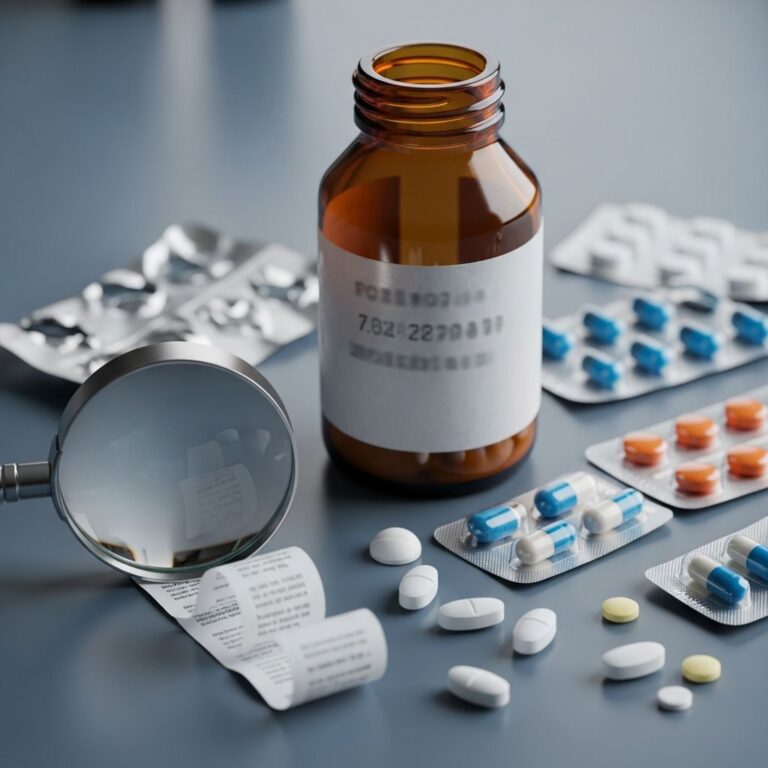
Valproate semisodium is an antiepileptic medication primarily prescribed as a mood stabiliser for adults experiencing mania associated with bipolar disorder. It combines valproic acid and sodium valproate, helping to maintain mood stability by controlling manic episodes.
| Type of medicine | An antiepileptic medicine |
|---|---|
| Used for | Treatment of mania associated with bipolar disorder (in adults) |
| Also called | Divalproex sodium (in US); Belvo®; Depakote®; Syonell® |
| Available as | Tablets |
Bipolar disorder is a chronic condition characterised by extreme mood swings, including depressive lows and manic or hypomanic highs. During mania, individuals may experience elevated energy, reduced need for sleep, racing thoughts, and impulsive behaviour, which can severely disrupt daily life. Valproate semisodium targets these manic phases, preventing mood from veering into extremes. Clinical evidence supports its efficacy in both bipolar type 1 (with full mania) and type 2 (with hypomania), particularly for manic and hypomanic symptoms, though it is less effective for depressive episodes.
Originally developed for epilepsy, valproate’s mood-stabilising properties were discovered through its ability to control seizures via enhanced GABA neurotransmission and sodium channel modulation. In bipolar treatment, it is especially useful when lithium is contraindicated or ineffective, such as in rapid-cycling or mixed-mania cases.
How to take valproate semisodium
Always follow your doctor’s instructions precisely. The dosage is typically printed on the medication pack label. It is common to take two or three doses daily, often starting low and titrating up based on response and blood levels.
- Swallow tablets whole with water, with or without food. Do not crush or chew unless specified.
- Timing: Doses are usually spaced evenly throughout the day to maintain steady blood levels.
- Monitoring: Regular blood tests are essential to check valproate levels (target 50-100 mcg/mL), liver function, and blood counts.
- Duration: Continue as prescribed, even if feeling better. Abrupt cessation can trigger mania relapse or withdrawal issues.
If stopping is necessary, your doctor will taper the dose gradually over days or weeks to minimise risks. For optimal efficacy in acute mania, studies show valproate achieves response rates superior to placebo and comparable to lithium in mixed states.
Getting the most out of your treatment
Valproate semisodium works best alongside lifestyle adjustments and therapy. Key tips include:
- Maintaining a consistent daily routine for sleep, meals, and medication.
- Avoiding alcohol and recreational drugs, which can interact dangerously and exacerbate bipolar symptoms.
- Tracking mood changes in a journal to share with your healthcare provider.
- Combining with psychotherapy, such as cognitive behavioural therapy (CBT), for long-term management.
Regular check-ups ensure therapeutic levels without toxicity. In maintenance therapy, valproate reduces manic recurrences, particularly in rapid-cycling patients or those with comorbid anxiety/substance issues. Pharmacokinetic data indicate valproate semisodium may offer slightly better bioavailability than sodium valproate, though clinical differences are minimal.
Related Stories



Common questions about valproate semisodium
Here are evidence-based answers to frequent patient concerns:
- How quickly does it work?
- Effects on acute mania can begin within days, with full benefits in 1-2 weeks. Blood levels guide adjustments.
- Can it treat bipolar depression?
- It is less effective for depression but may help overall stability. Antidepressants might be added cautiously.
- Is it safe long-term?
- Yes, with monitoring. It excels in prophylaxis of recurrences versus lithium in certain cases.
Side-effects of valproate semisodium
Most people tolerate it well, but side-effects occur. Common ones (affecting >1 in 10) include nausea, tremor, weight gain, and drowsiness. These often improve over time.
| Frequency | Side-effects |
|---|---|
| Common (>1/10) | Feeling sick, shaky hands, weight gain, dizziness, hair loss |
| Less common (1/100-1/10) | Confusion, double vision, irregular periods, diarrhoea |
| Rare but serious | Liver damage, pancreatitis, low platelets, severe allergic reactions |
Report immediately: Yellowing skin/eyes (liver issues), severe stomach pain, unexplained bruising/bleeding, or persistent vomiting. Valproate semisodium may have marginally better GI tolerability than valproic acid due to formulation. Women of childbearing age face high teratogenic risks; pregnancy prevention is mandatory.
How to cope with side-effects of valproate semisodium
- Nausea/Indigestion: Take with food; try enteric-coated versions if approved.
- Weight gain: Adopt a balanced diet and exercise routine; monitor BMI regularly.
- Tremor/Drowsiness: Avoid driving until settled; dose adjustments or adjuncts like beta-blockers may help.
- Hair thinning: Use biotin supplements after consulting your doctor; often reversible.
- Mood changes: Discuss with your prescriber; may need therapy tweak.
Proactive management enhances adherence. Studies confirm good overall tolerability, especially versus alternatives like carbamazepine.
Precautions while taking valproate semisodium
Discuss your full medical history before starting. Key cautions:
- Liver/kidney disease: Requires close monitoring; contraindicated in active hepatitis.
- Bleeding disorders: Risk of thrombocytopenia.
- Pregnancy: Category X risk—major birth defects (up to 10% higher). Use effective contraception; annual risk acknowledgment required.
- Children/elderly: Adjusted dosing; not first-line for under-18s in bipolar.
- Interactions: Avoid with aspirin (bleeding risk), warfarin, or certain antivirals. Check all meds.
Interactions of valproate semisodium with other medicines
Valproate affects/inhibited by many drugs via CYP enzymes:
| Drug Class | Examples | Effect |
|---|---|---|
| Anticoagulants | Warfarin | Increased bleeding risk |
| Antidepressants | SSRIs | Enhanced CNS depression |
| Other AEDs | Carbamazepine, lamotrigine | Level changes; monitor closely |
| NSAIDs | Aspirin | Higher valproate levels/toxicity |
Herbal supplements like St. John’s wort may reduce efficacy. Always inform your doctor/pharmacist.
Special precautions for valproate semisodium in pregnancy and breastfeeding
Strictly contraindicated in pregnancy due to neural tube defects, congenital malformations, and developmental risks (e.g., autism spectrum disorders). EU mandates Pregnancy Prevention Programme: two contraception methods, monthly checks, no off-label use.
- Breastfeeding: Small amounts pass into milk; monitor infant for drowsiness/feed issues. Weigh benefits vs. risks.
Frequently asked questions (FAQs)
What is valproate semisodium used for in bipolar disorder?
It stabilises mood to treat and prevent manic episodes in adults with bipolar disorder.
How does valproate semisodium differ from sodium valproate?
Semisodium (divalproex) is a compound with potentially better GI tolerability and bioavailability, though clinical outcomes are similar.
Can valproate semisodium cause weight gain?
Yes, common side-effect; managed with diet/exercise.
Is blood monitoring required?
Yes, routinely for levels, LFTs, FBC to prevent toxicity.
What if I miss a dose?
Take as soon as remembered unless near next dose; never double up. Consult doctor if multiple misses.
Can it be used with lithium?
Yes, often combined for better control in refractory cases.
References
- Role of valproic acid in the treatment of bipolar disorder — Journal of Psychopathology. 2010. https://old.jpsychopathol.it/article/role-of-valproic-acid-in-the-treatment-of-bipolar-disorder/
- Valproate semisodium for bipolar disorder (Depakote®) — Patient.info. 2023. https://patient.info/medicine/valproate-semisodium-for-bipolar-disorder-belvo-depakote-syonell
- Sodium valproate or valproate semisodium: is there a difference in the treatment of bipolar disorder? — Cambridge University Press (Psychiatric Bulletin). 2003-10-02. https://www.cambridge.org/core/journals/psychiatric-bulletin/article/sodium-valproate-or-valproate-semisodium-is-there-a-differencein-the-treatment-of-bipolar-disorder/1D4A40731B4B819FB049D5667653397C
- Sodium valproate Q&A — Bipolar UK. 2024. https://www.bipolaruk.org/about-bipolar/treatment/sodium-valproate/
- Valproate for the treatment of acute bipolar depression — NCBI Bookshelf (Cochrane). 2010. https://www.ncbi.nlm.nih.gov/books/NBK78994/
- Valproate | Mood Stabiliser For Mania — YoungMinds. 2023. https://www.youngminds.org.uk/young-person/medications/valproate/
- Annex II – Valproate (Article 31 referral) — European Medicines Agency (EMA). 2018-06-22. https://www.ema.europa.eu/en/documents/referral/valproate-article-31-annex-ii_en.pdf
Similar Articles








Read full bio of Sneha Tete