Vancomycin For Clostridioides Difficile: Essential Guide
Comprehensive guide to using vancomycin (Vancocin) for treating C. difficile bowel infections effectively.

Vancomycin, commonly known by the brand name Vancocin, is an antibiotic specifically used to treat bacterial infections in the bowel caused by Clostridioides difficile (C. difficile or C. diff). This infection often leads to severe diarrhea and colitis, particularly in individuals who have recently taken antibiotics. C. diff bacteria naturally reside in many people’s bowels without causing harm, as they are controlled by other gut bacteria. However, antibiotics can disrupt this balance, allowing C. diff to proliferate and produce toxins that inflame the colon.
About vancomycin
| Type of medicine | An antibiotic |
|---|---|
| Used for | Bacterial infection called Clostridioides difficile (C. diff) |
| Also called | Vancocin® |
| Available as | Capsules and oral liquid medicine |
Vancomycin targets C. diff by halting bacterial growth, making it a first-line treatment for moderate to severe cases where milder infections might resolve with fluids alone. Unlike intravenous vancomycin used for other infections, oral forms stay in the gut and are poorly absorbed into the bloodstream, minimizing systemic side effects. According to IDSA guidelines referenced in clinical studies, vancomycin 125 mg orally four times daily for 10-14 days is standard for initial non-severe and severe episodes. Fidaxomicin is an alternative, but vancomycin remains widely recommended.
Key facts about C. difficile infection
C. diff infection (CDI) is a major healthcare-associated issue, affecting approximately 500,000 people annually in the US alone, with vancomycin as a cornerstone therapy. Risk factors include recent antibiotic use (especially broad-spectrum ones like clindamycin or cephalosporins), hospitalization, age over 65, and weakened immunity. Symptoms range from watery diarrhea (3+ episodes daily) to severe colitis, abdominal pain, fever, and in fulminant cases, toxic megacolon or perforation. Diagnosis typically involves stool tests for C. diff toxins via PCR or enzyme immunoassay.
How C. difficile infections occur
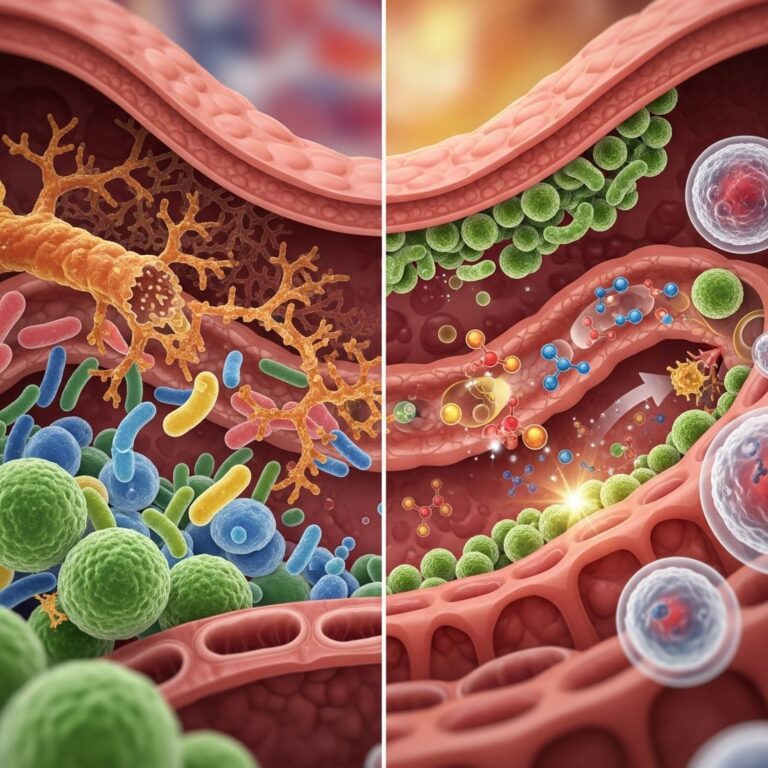
Healthy guts host a diverse microbiome that keeps C. diff in check. Antibiotics kill off these protective bacteria, enabling C. diff spores—resistant to alcohol sanitizers—to germinate and release toxins A and B, damaging the intestinal lining. Spores spread via fecal-oral route, surviving on surfaces for months. Handwashing with soap is crucial, as alcohol gels fail against spores. Recurrent CDI occurs in 20-30% of cases post-initial treatment due to persistent spores or reinfection.
Symptoms of C. difficile infection
- Mild cases: Frequent watery diarrhea, no fever or blood.
- Moderate: Diarrhea with cramping, low-grade fever, leukocytosis.
- Severe: High fever, intense abdominal pain, marked leukocytosis (>15,000 cells/μL), dehydration.
- Fulminant: Hypotension, shock, ileus, megacolon—requires urgent intervention.
Symptoms usually improve within 2-3 days of starting vancomycin, but monitoring is essential.
When to use vancomycin
Vancomycin is indicated for initial CDI episodes, recurrences, and severe/fulminant cases. Mild CDI may not need antibiotics, but progression warrants treatment. Guidelines prioritize it over metronidazole due to superior efficacy in moderate-severe disease.
Dosage and treatment regimens
Dosing varies by severity and recurrence. Always follow your doctor’s prescription.
| Regimen | Dose | Duration |
|---|---|---|
| Initial episode (non-severe/severe) | Vancomycin 125 mg PO Q6H | 10 days |
| OR alternative | Fidaxomicin 200 mg PO Q12H | 10 days |
| 1st recurrence | Fidaxomicin 200 mg PO Q12H | 10 days |
| Fulminant | Vancomycin 500 mg PO Q6H ± IV metronidazole | Until improvement |
| Tapered/pulsed for multiple recurrences | Vancomycin 125 mg QID x 10-14d, then taper (e.g., 125 mg TID x 7d, BID x 7d, daily x 7d, alternate days x 14-28d) | 4-6 weeks total |
Related Stories



Studies confirm 125 mg is as effective as 250 mg for non-fulminant CDI, achieving high fecal levels. High doses (250-500 mg QID) are for severe complicated cases; rectal vancomycin enemas (500 mg in 100 mL saline Q6H) aid ileus. Complete the full course to prevent recurrence.
How to take vancomycin
Read the patient leaflet provided with your medication. Take capsules whole with water, spaced evenly (e.g., QID: breakfast, lunch, tea, bedtime). No need to take with food, but consistency aids adherence. For liquid, shake well and use measuring device. In tapering regimens for recurrences, doses reduce gradually over weeks.
- Weeks 1-2: 125 mg four times daily (or fidaxomicin BID).
- Week 3: 125 mg three times daily.
- Week 4: 125 mg twice daily.
- Weeks 5-6: 125 mg once daily, then alternate/every third day.
Miss a dose? Take ASAP unless near next; do not double up. Store capsules at room temperature.
Precautions before starting vancomycin
Inform your doctor if:
- You have inflammatory bowel disease (e.g., ulcerative colitis), increasing absorption risk.
- Kidney problems, as gut inflammation may allow systemic uptake leading to toxicity.
- Other medications, allergies, or pregnancy/breastfeeding.
- History of hearing issues or nephrotoxicity with prior vancomycin.
Blood tests may monitor levels in at-risk patients.
Can vancomycin cause problems?
Oral vancomycin is safe due to minimal absorption, with rare side effects. Possible issues if absorbed:
- Nausea, abdominal pain, taste changes.
- Rare: Ototoxicity (hearing loss), nephrotoxicity, especially high doses in renal impairment.
- Increases VRE risk with prolonged use.
Contact your doctor for unexplained symptoms. Monitor kidney function in severe cases.
Preventing C. difficile infections and recurrences
- Wash hands with soap/water; avoid alcohol sanitizers.
- Contact precautions in hospitals.
- Prophylaxis: Vancomycin 125 mg BID during systemic antibiotics if prior CDI.
- For ≥2 recurrences: Consider fecal microbiota transplant (FMT, e.g., VOWST) after ID/GI consult.
- Bezlotoxumab monoclonal antibody for high-risk recurrent CDI.
Treatment for recurrences
First recurrence: Fidaxomicin preferred; repeat vancomycin if previously effective. Multiple: Tapered vancomycin or FMT. Avoid anti-motility agents; use electrolytes for hydration.
Frequently Asked Questions (FAQs)
Q: How long does vancomycin take to work for C. diff?
Symptoms often improve in 2-3 days, but complete the 10-14 day course.
Q: Is vancomycin better than metronidazole?
Yes, for moderate-severe CDI; metronidazole for mildest cases only.
Q: What if I have recurrent C. diff?
Use tapered vancomycin or fidaxomicin; FMT for multiple recurrences.
Q: Can I drink alcohol on vancomycin?
No specific interaction, but avoid to support gut recovery.
Q: How to prevent spreading C. diff?
Soap handwashing, private rooms, bleach cleaning.
References
- VASF Clostridioides Difficile Infection (CDI) Treatment Guidelines — UCSF Infectious Diseases Management Program. 2023. https://idmp.ucsf.edu/content/vasf-clostridioides-difficile-infection-cdi-treatment-guidelines
- Vancomycin for Clostridioides difficile – Patient.info — Patient.info. Accessed 2026. https://patient.info/medicine/vancomycin-for-clostridium-difficile-vancocin
- Clostridium Difficile (C. Diff): Symptoms and Treatment — Patient.info. Accessed 2026. https://patient.info/digestive-health/clostridium-difficile-c-diff
- Clostridium difficile treatment plan – Patient Information Leaflet — WCHC NHS. 2023-03. https://www.wchc.nhs.uk/wp-content/uploads/2023/03/CDiff-Vancomycin-PIL.pdf
- Vancomycin 125 mg vs. 250 mg for the Treatment of Non-Severe CDI — Oxford University Press (Open Forum Infectious Diseases). 2019. https://academic.oup.com/ofid/article/6/Supplement_2/S542/5605852
- Management of Clostridium difficile Infection — NIH PMC (Ther Adv Gastroenterol). 2016-10-24. https://pmc.ncbi.nlm.nih.gov/articles/PMC5114503/
- About C. diff — Centers for Disease Control and Prevention (CDC). Accessed 2026. https://www.cdc.gov/c-diff/about/index.html
Similar Articles








Read full bio of Sneha Tete